EV Insurance and Aftermarket Infotainment: What's Covered?
Upgrading your electric vehicle's infotainment system can enhance your driving experience, but does your EV insurance policy cover these non-factory installations? Understanding the nuances of coverage for aftermarket electronics is crucial for protecting your investment.

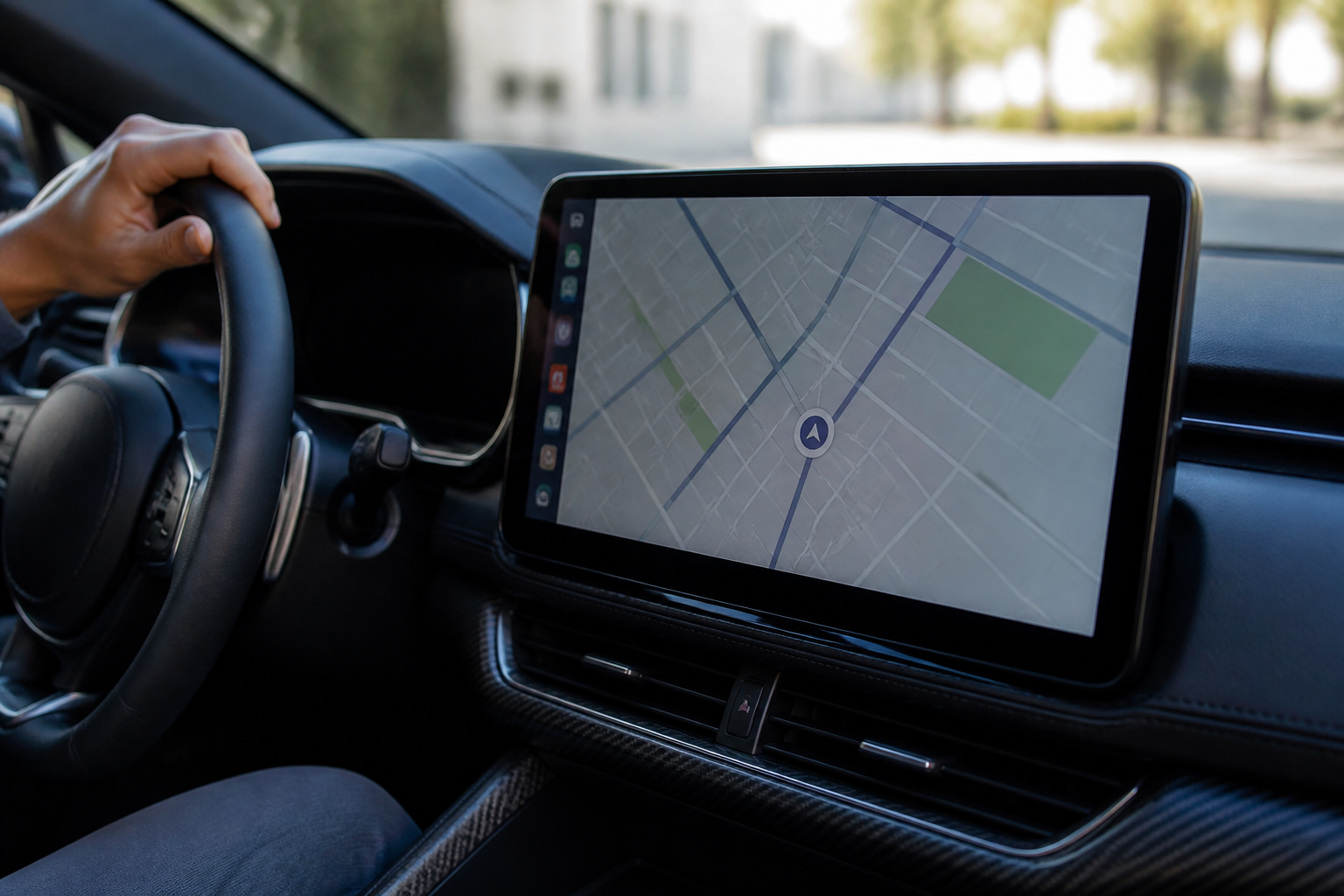
Electric vehicle owners often seek to personalize their driving experience, and one popular avenue is upgrading the infotainment system. From larger screens and enhanced navigation to advanced audio and connectivity features, aftermarket infotainment systems can significantly improve an EV's interior. However, a common question arises: does my EV insurance cover these non-OEM installations? The answer is not always straightforward and depends heavily on your specific policy, endorsements, and the value of your upgrades. As a Senior Auto Insurance Analyst at EV Insurance Hub, I'll guide you through the complexities of insuring your EV's aftermarket infotainment system, ensuring you understand what's covered and what steps you need to take to protect your investment.
Understanding Standard EV Insurance Policies
Standard EV insurance policies, much like those for internal combustion engine (ICE) vehicles, are designed to cover your vehicle's factory-installed components. This typically includes the original equipment manufacturer (OEM) infotainment system that came with your EV when it rolled off the assembly line. Coverage usually falls under comprehensive and collision sections of your policy.
Comprehensive coverage protects against damage to your vehicle from non-collision events such as theft, vandalism, fire, natural disasters, or impacts with animals. If your factory infotainment system is stolen or damaged in one of these events, your comprehensive coverage would generally apply, subject to your deductible. Collision coverage, on the other hand, pays for damage to your vehicle resulting from a collision with another vehicle or object. If your infotainment system is damaged in an accident, collision coverage would typically cover its repair or replacement.
However, the key distinction here is "factory-installed." When you modify your EV with components not originally installed by the manufacturer, you enter a different realm of insurance considerations. Insurers base their standard policy pricing and risk assessments on the vehicle's original specifications. Any deviation from these specifications, especially high-value electronic upgrades, can impact how a claim is handled.
When Aftermarket Infotainment Isn't Covered
The primary reason aftermarket infotainment systems might not be fully covered by a standard EV insurance policy is their non-OEM status and often, their increased value. Most standard policies have limitations on coverage for custom parts and equipment (CPE) or aftermarket accessories. These limitations can vary significantly between carriers but generally fall into a few categories:
- Low Default Limits: Many policies include a minimal amount of coverage for aftermarket parts, often as low as $1,000 to $2,500. If your advanced infotainment system costs significantly more than this, which many do, you would be underinsured for the majority of its value.
- Exclusion of Non-Permanent Installations: Some policies differentiate between permanently installed aftermarket parts and those that are easily removable. While most infotainment systems are integrated, some carriers might have specific clauses regarding their installation method.
- Valuation Discrepancies: Even if some coverage exists, the insurer might value the aftermarket system at its depreciated value, not its replacement cost, or they might only cover the cost of replacing it with an OEM equivalent, which could be far less sophisticated or expensive than your custom setup.
Consider a scenario where you've invested $5,000 in a cutting-edge infotainment system for your EV, featuring a large OLED display, premium audio processing, and advanced connectivity. If your standard policy only offers $1,500 in CPE coverage, and your system is stolen, you would be out of pocket for $3,500 (minus your deductible). This gap highlights the critical need to proactively address coverage for such upgrades.
It's also important to note that some insurers may consider certain modifications to alter the vehicle's original safety or performance characteristics, potentially affecting coverage or even leading to policy cancellation if not disclosed. While infotainment upgrades are generally less impactful than engine modifications, transparency with your insurer is always the best practice.
Essential Endorsements for Aftermarket Upgrades
To adequately protect your investment in an EV aftermarket infotainment system, you will almost certainly need to add specific endorsements or riders to your policy. These are additional coverages that extend or modify the standard terms of your policy to cover items not otherwise included or sufficiently covered. The most common and relevant endorsement for aftermarket electronics is:
- Custom Parts and Equipment (CPE) Coverage: Also known as "Custom Equipment Coverage" or "Accessory Coverage," this endorsement is specifically designed to increase the coverage limits for non-factory installed parts and accessories.
When requesting CPE coverage, you'll need to provide your insurer with details about the aftermarket infotainment system, including its purchase price, installation costs, and potentially receipts or invoices. Based on this information, the insurer will set a specific coverage limit for these items, which could range from $5,000 to $20,000 or more, depending on the carrier and the value of your upgrades. It's crucial to ensure this limit accurately reflects the replacement cost of your system.
Another related endorsement to consider, especially if your EV has extensive modifications beyond just infotainment, might be:
- Stated Value Coverage: While less common for just infotainment, if your EV has undergone significant overall customization that dramatically increases its value (e.g., performance upgrades, custom bodywork, and multiple high-value electronics), a stated value policy might be an option. This type of policy allows you and the insurer to agree upon a specific value for the vehicle at the time the policy is issued, which is then paid out in the event of a total loss. This is typically reserved for highly modified or classic vehicles, but it's worth discussing with your broker if your EV's modifications are extensive.
The cost of these endorsements will vary. Generally, increasing your CPE coverage will add a relatively small percentage to your overall premium, especially when compared to the value of the equipment you're protecting. For example, adding $10,000 in CPE coverage might increase your annual premium by $50 to $150, depending on your insurer, location, and driving record. It's a small price to pay for peace of mind and financial protection.
Valuation Challenges and Documentation
One of the most significant hurdles in insuring aftermarket infotainment systems, and indeed any custom EV modification, is establishing an accurate value. Unlike OEM parts which have standard pricing, aftermarket components can vary widely in cost, quality, and availability. In the event of a claim, insurers need clear documentation to determine the appropriate payout.
To overcome these valuation challenges, meticulous record-keeping is paramount. Here's what you should document:
- Purchase Receipts: Keep original receipts for all components of your aftermarket infotainment system, including the head unit, speakers, amplifiers, wiring kits, and any specialized modules.
- Installation Invoices: If you had the system professionally installed, retain invoices that detail the labor costs. This is often a significant portion of the total investment.
- Photographs: Take clear, dated photographs of the installed system, both close-ups and wider shots showing its integration into your EV's interior. These photos can serve as proof of existence and condition.
- Product Descriptions and Specifications: Keep copies of product manuals or online specifications that describe the features and capabilities of your system. This helps the insurer understand the quality and value.
- Appraisals (if applicable): For extremely high-value or unique custom installations, a professional appraisal from a qualified automotive electronics specialist might be beneficial, though this is less common for typical infotainment upgrades.
When you present this documentation to your insurer for CPE coverage, it allows them to accurately assess the risk and set an appropriate coverage limit. In the unfortunate event of a claim, this same documentation will be invaluable in substantiating the value of your loss and expediting the claims process. Without it, you might find yourself in a dispute over the true cost of replacement or repair, potentially receiving a payout significantly less than your actual investment.
Remember that depreciation can also play a role. While CPE coverage aims to cover replacement cost, the actual payout might consider the age and condition of the equipment at the time of loss. Discuss with your insurer whether your CPE endorsement covers actual cash value (ACV) or replacement cost value (RCV) for your aftermarket items. RCV coverage is always preferable as it pays for a new replacement without deducting for depreciation.
Choosing the Right Coverage Strategy
Selecting the optimal insurance strategy for your EV's aftermarket infotainment system involves a few key steps. It's not just about adding an endorsement; it's about understanding your needs, your insurer's offerings, and making informed decisions.
1. Review Your Current Policy: Start by thoroughly examining your existing EV insurance policy. Look for sections related to "Custom Parts and Equipment," "Aftermarket Accessories," or "Modifications." Pay close attention to any stated limits for these items. Many policies have a default, often low, limit included without specific action from the policyholder.
2. Calculate Your Investment: Tally up the total cost of your aftermarket infotainment system, including all components and professional installation fees. Be realistic and comprehensive. This figure will be your target coverage amount.
3. Contact Your Insurer or Broker: Once you have a clear understanding of your current coverage and your desired coverage amount, reach out to your insurance provider or an independent insurance broker. Clearly explain that you have installed an aftermarket infotainment system in your EV and wish to ensure it is adequately covered.
- Ask about their specific Custom Parts and Equipment (CPE) endorsement.
- Inquire about the maximum coverage limits available under this endorsement.
- Clarify whether the coverage is for Actual Cash Value (ACV) or Replacement Cost Value (RCV). As noted, RCV is generally more favorable for custom parts.
- Understand any deductibles that apply specifically to CPE claims, as they might differ from your standard comprehensive/collision deductibles.
- Ask about any restrictions or exclusions, such as coverage for portable electronics versus permanently installed ones.
4. Provide Documentation: Be prepared to submit the detailed documentation discussed previously (receipts, invoices, photos) to your insurer. This is crucial for them to underwrite the endorsement and accurately value your system.
5. Compare Quotes: If your current insurer cannot provide the level of coverage you need, or if the cost is prohibitive, don't hesitate to shop around. Different carriers have varying appetites for insuring modified vehicles and may offer more competitive rates or higher limits for CPE coverage. When comparing, ensure you're getting like-for-like coverage amounts and terms for your aftermarket items.
6. Re-evaluate Periodically: If you make further upgrades to your infotainment system or if the value of your existing system changes significantly (e.g., due to new technology or market shifts), remember to update your insurance coverage. It's not a one-time task; your policy should evolve with your vehicle.
By following these steps, you can construct a robust insurance strategy that protects your EV's aftermarket infotainment system from unforeseen damage, theft, or other covered perils, ensuring your investment is secure.
Making a Claim for Aftermarket Infotainment
Should the unfortunate event occur where your EV's aftermarket infotainment system is damaged or stolen, navigating the claims process effectively is key to a smooth resolution and maximizing your payout. Here’s a step-by-step guide:
- Ensure Safety and Report Incident: First, ensure your safety and the safety of others. If the damage resulted from an accident, follow standard procedures: exchange information, call emergency services if needed. For theft or vandalism, immediately report the incident to the police and obtain a police report number. This report is crucial for any insurance claim.
- Notify Your Insurer Promptly: Contact your insurance company as soon as possible after the incident. Provide them with all relevant details, including the date, time, location, and nature of the damage or loss. Inform them specifically that the claim involves an aftermarket infotainment system.
- Provide Documentation: This is where your diligent record-keeping pays off. Submit all your documentation – purchase receipts, installation invoices, product specifications, and photographs – to your claims adjuster. The more comprehensive and organized your documentation, the easier it will be for the adjuster to verify the value of your lost or damaged equipment.
- Cooperate with the Adjuster: The claims adjuster will investigate the incident and assess the damage. They may ask for additional information or request to inspect your vehicle (if applicable). Be cooperative and provide any requested details promptly. If your system was stolen, they may ask for proof that it was permanently installed and not easily removable.
- Understand the Valuation: Your adjuster will determine the value of the loss based on your policy's terms, particularly your Custom Parts and Equipment (CPE) endorsement. If you have Replacement Cost Value (RCV) coverage, they will aim to pay for a new replacement system. If you have Actual Cash Value (ACV) coverage, they will factor in depreciation. Review their valuation carefully and compare it against your documentation.
- Review the Settlement Offer: Once the adjuster completes their assessment, they will present a settlement offer. Carefully review this offer to ensure it aligns with your understanding of your coverage and the value of your loss. If you believe the offer is too low or inaccurate, don't hesitate to discuss it with your adjuster, providing further evidence if necessary.
- Repair or Replace: Once the claim is approved and settled, you can proceed with repairing or replacing your infotainment system. If the system was stolen, you'll likely receive a payout to purchase a new one. If it was damaged, your insurer may direct you to an approved repair shop or allow you to choose your own.
Remember, the claims process for aftermarket parts can sometimes be more complex than for OEM components due to valuation and verification. Having all your ducks in a row – particularly comprehensive documentation and the correct endorsements – significantly streamlines the process and increases the likelihood of a satisfactory outcome.
Key takeaways
- Standard EV insurance policies have minimal or no coverage for aftermarket infotainment systems.
- A 'Custom Parts and Equipment' (CPE) endorsement is essential to adequately insure your upgrades.
- Meticulous documentation (receipts, invoices, photos) is crucial for accurate valuation and claims processing.
- Understand if your CPE coverage is for Actual Cash Value (ACV) or Replacement Cost Value (RCV); RCV is generally better.
- Always disclose aftermarket modifications to your insurer and compare options if your current provider falls short.
Frequently asked questions
Q.Will my standard EV insurance policy cover a stolen aftermarket infotainment system?
Generally, a standard EV insurance policy will have very limited coverage for aftermarket infotainment systems, often only up to $1,000-$2,500. For full protection against theft or damage, you typically need a specific 'Custom Parts and Equipment' (CPE) endorsement added to your policy.
Q.What kind of documentation do I need to insure my aftermarket EV infotainment system?
To properly insure your aftermarket system, you'll need purchase receipts for all components, invoices for professional installation, detailed product specifications, and clear, dated photographs of the installed system. This documentation helps your insurer accurately value the upgrade.
Q.Is 'Custom Parts and Equipment' (CPE) coverage expensive?
The cost of CPE coverage is usually a relatively small addition to your overall premium, especially compared to the value of the equipment it protects. For instance, adding $10,000 in coverage might increase your annual premium by $50 to $150, depending on your insurer and location.
Q.Does my EV insurance cover replacing my aftermarket system with a brand-new one?
This depends on whether your 'Custom Parts and Equipment' endorsement covers Actual Cash Value (ACV) or Replacement Cost Value (RCV). RCV coverage will pay for a brand-new replacement without deducting for depreciation, which is generally preferable for aftermarket items.
Q.What if my insurer won't cover my high-value aftermarket infotainment system?
If your current insurer cannot provide adequate coverage or offers unfavorable terms, it's advisable to shop around. Different insurance carriers have varying policies regarding modified vehicles and may offer higher limits or more suitable endorsements for your EV's aftermarket infotainment system.
References
Insurance attorney and policy-wording specialist with 15+ years interpreting auto coverage forms.
Continue reading

What EV Battery Coverage Actually Includes After a Collision: 2026-10-16 Update 1
Explains the difference between collision coverage, comprehensive claims, warranty coverage, and battery degradation exclusions. This is a fresh 2026-10-16 update: focus on what has changed recently, new data points, and current-year guidance — do not repeat the earlier article's coverage. Use this checklist to compare premiums, deductibles, repair support, and policy wording before renewal.
EV Insurance for Modified Suspension & Lift Kits: What's Covered?
Many EV owners customize their vehicles with lift kits or modified suspensions. This article will demystify how such aftermarket modifications impact insurance coverage, claims, and potential policy exclusions, providing clarity for drivers investing in vehicle personalization. Use this checklist to compare premiums, deductibles, repair support, and policy wording before renewal.
EV Insurance for Off-Roading & Overlanding: Protecting Your Adventure Vehicle
This article will explore specific coverage gaps and endorsements needed for EV owners who use their vehicles for off-road adventures or overlanding, covering potential damages unique to these activities like undercarriage protection, winch damage, and remote recovery. We'll analyze how standard policies fall short and what specialized coverage options exist. Use this checklist to compare premiums, deductibles, repair support, and policy wording before renewal.