
EV Battery Fire Insurance Coverage: Decoding Your Policy for a High-Risk, Low-Frequency Event
Electric vehicle battery fires, while statistically rare, represent a significant concern for EV owners due to their high repair or replacement costs. Navigating insurance coverage for such an event requires a clear understanding of your policy's specifics.

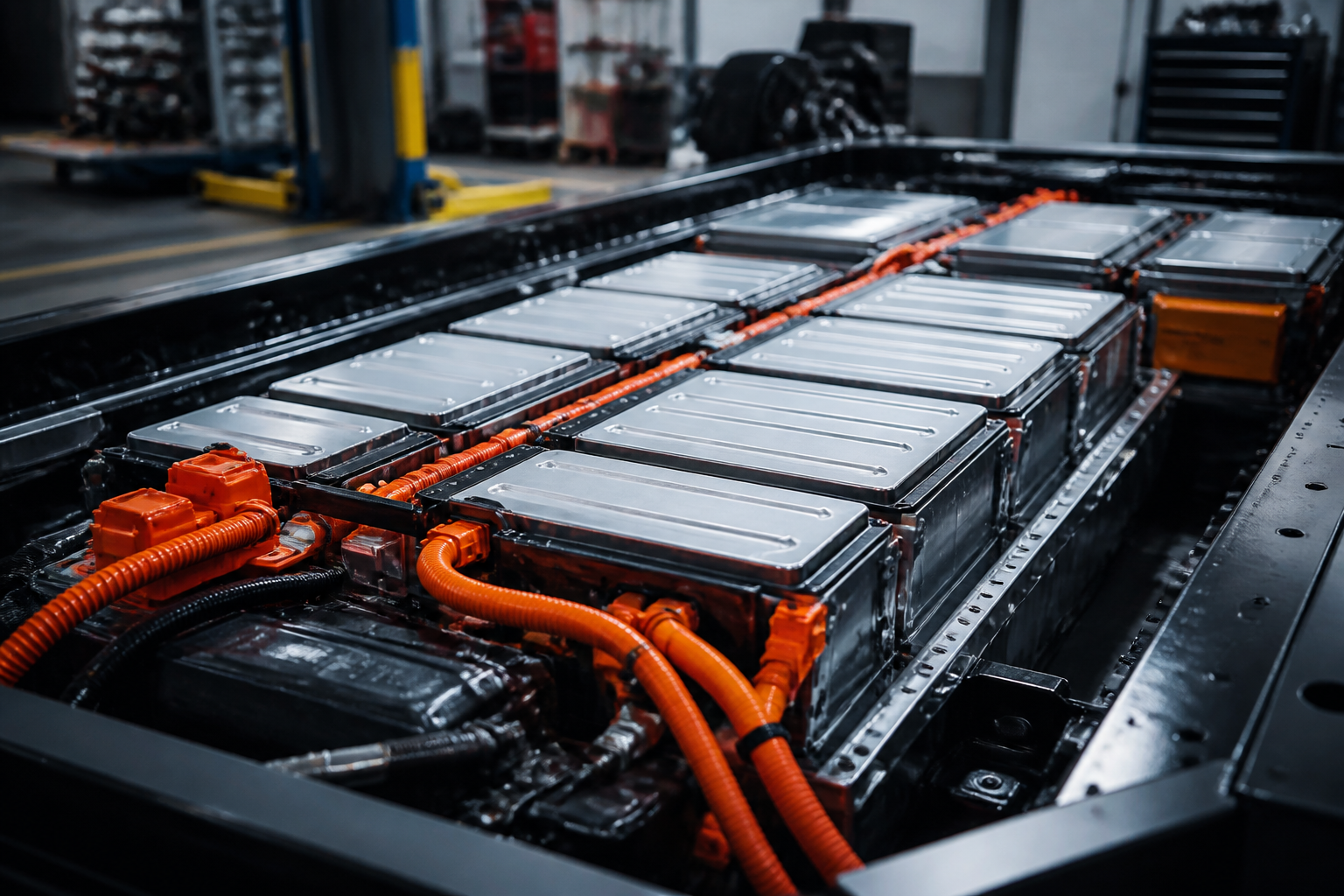
As electric vehicle (EV) adoption accelerates across the US, UK, and EU, a key concern for many prospective and current owners revolves around the unique risks associated with EV batteries, particularly the statistically rare but high-cost event of a battery fire. This article aims to demystify EV battery fire insurance coverage, clarifying what standard policies typically cover, potential exclusions, and how to ensure you have adequate protection for this specific EV risk.
Understanding EV Battery Fires: Risk vs. Reality
The perception of EV battery fires often outweighs the reality. While any vehicle, internal combustion engine (ICE) or electric, carries a risk of fire, the nature and causes of EV fires differ. EV batteries, especially lithium-ion packs, can experience thermal runaway, a rapid and uncontrollable increase in temperature, leading to fire. This can be triggered by severe impact, manufacturing defects, or improper charging. However, data consistently shows that EV fires are less frequent than ICE vehicle fires.
For instance, data from the National Transportation Safety Board (NTSB) and other research indicates that ICE vehicles have a significantly higher rate of fire incidents per number of vehicles on the road compared to EVs. A study by AutoinsuranceEZ, analyzing data from the National Transportation Safety Board (NTSB), Bureau of Transportation Statistics (BTS), and Recalls.gov, found that hybrid vehicles had the most fires per 100,000 sales (3,475 fires), followed by gasoline vehicles (1,530 fires), and then electric vehicles (25 fires). While these statistics are reassuring, the severity and unique challenges of extinguishing an EV battery fire, which can reignite hours or even days later, mean that the associated repair or replacement costs can be substantially higher.
Understanding this distinction is crucial for EV owners. While the likelihood of a battery fire is low, the financial implications if one occurs are significant, making comprehensive insurance coverage paramount. The high voltage and complex chemistry of EV batteries necessitate specialized repair techniques and equipment, contributing to the elevated costs.
Standard Auto Insurance and EV Battery Fires
In most cases, your standard auto insurance policy's comprehensive and collision coverages are designed to protect against damage to your vehicle, including the battery, from various perils. These core coverages are not typically differentiated based on the vehicle's powertrain type (ICE or EV) for general damage.
Here's how they generally apply:
- Comprehensive Coverage: This typically covers damage to your vehicle from events other than collisions with another vehicle or object. This includes fire, theft, vandalism, falling objects, and natural disasters. If your EV battery catches fire due to a mechanical malfunction (not related to a collision) or an external event like a lightning strike, comprehensive coverage would usually apply.
- Collision Coverage: This covers damage to your vehicle resulting from a collision with another vehicle or object, or if you roll over. If your EV battery is damaged and subsequently catches fire as a direct result of a covered collision, collision coverage would typically be triggered.
It's important to note that while these coverages generally apply, the specific wording of your policy is key. Some older policies or those from less EV-savvy insurers might have ambiguities, though most modern policies are updated to reflect EV technology. The primary concern isn't usually whether fire is covered, but rather the extent of coverage for the high-value battery component itself and the specialized labor required for its repair or replacement.
What is Covered and What Isn't?
While comprehensive and collision coverages are the primary safeguards, understanding the nuances of what is explicitly covered and what might be excluded or limited is vital for EV owners.
What is generally covered:
- Direct damage from fire: This includes the battery pack itself, surrounding components, and the vehicle's structure damaged by the fire.
- Damage from covered perils: If the fire is a result of a covered event, such as a collision, vandalism, falling objects, or a natural disaster, the damage is typically covered under the respective collision or comprehensive sections.
- Specialized towing: Due to the unique risks of damaged EV batteries (e.g., potential for reignition), specialized towing services are often required. Many insurers will cover these costs under comprehensive or collision.
- Repair or replacement of the battery: Assuming the fire damage is covered, the cost of repairing or replacing the EV battery, which can range from $5,000 to over $20,000 depending on the vehicle model and battery capacity, will typically be covered, minus your deductible.
Potential exclusions or limitations to be aware of:
- Wear and tear or gradual deterioration: Insurance policies generally do not cover damage resulting from normal wear and tear, mechanical breakdown without an external cause, or gradual deterioration of the battery's capacity over time. This is usually covered by the manufacturer's warranty.
- Manufacturer's defects: While an insurer might cover the resulting fire damage, they may seek subrogation from the manufacturer if the fire is definitively proven to be caused by a manufacturing defect. However, the immediate cost to you (minus deductible) would typically be covered by your policy.
- Modifications: If the vehicle or battery system has been modified without informing your insurer, coverage could be denied or limited. Always disclose aftermarket modifications.
- Intentional acts: Damage caused by intentional acts of the policyholder is universally excluded.
- Exceeding policy limits: While rare for battery fires, if the total damage exceeds your policy's stated limits for vehicle damage, you would be responsible for the difference. However, most policies are designed to cover the actual cash value or replacement cost of the vehicle, including its battery.
It is crucial to review your specific policy documents and, if in doubt, consult with your insurance provider to understand the exact terms and conditions related to EV battery damage and fires. Some insurers are beginning to offer specific EV endorsements that might provide additional clarity or benefits, such as coverage for charging equipment or enhanced battery replacement options.
Factors Influencing Coverage and Cost
The cost of your EV insurance and the specifics of its coverage for battery fires, like any auto insurance, are influenced by a multitude of factors. While the general principles of comprehensive and collision coverage apply, several EV-specific elements can play a role:
- Vehicle make and model: Different EVs have varying battery designs, capacities, and costs. Luxury EVs with larger, more advanced battery packs will generally have higher repair or replacement costs, which can translate to higher premiums.
- Battery replacement cost: Insurers factor in the potential cost of replacing the most expensive component – the battery. As battery technology evolves and costs potentially decrease, this may influence future premiums. Currently, battery replacement costs can range from $5,000 to $20,000+, depending on the vehicle.
- Availability of specialized repair facilities: The scarcity of certified EV repair shops and technicians, particularly those equipped to handle high-voltage battery systems, can drive up labor costs and thus insurance premiums. This is more pronounced in certain regions.
- Your driving record and location: Standard underwriting factors such as your driving history, age, claims history, and where you live (urban vs. rural, crime rates, accident rates) will always impact your premium, regardless of vehicle type.
- Deductible choice: A higher deductible will lower your premium, but you'll pay more out-of-pocket if a claim is filed. Conversely, a lower deductible means higher premiums but less out-of-pocket expense in the event of a covered battery fire.
- Additional EV-specific coverages: Some insurers offer specialized endorsements for EVs, which might include enhanced battery coverage (e.g., for degradation not typically covered by fire policies), coverage for charging equipment, or roadside assistance tailored for EVs. These add-ons will increase your premium but can provide more comprehensive protection.
When obtaining quotes, it's advisable to compare policies from multiple providers. EV Insurance Hub's analysis shows that premium differences for EVs can vary by 20-40% between carriers for similar coverage, largely due to how they assess the unique risks and repair costs associated with electric vehicles.
Ensuring Adequate Protection for Your EV
Given the high cost associated with EV battery replacement or repair after a fire, proactive steps are essential to ensure you have robust insurance protection. Simply having comprehensive and collision coverage might not be enough if you haven't reviewed the specifics.
Here’s a checklist to guide you:
- Review your policy documents thoroughly: Pay close attention to sections on 'perils covered,' 'exclusions,' and 'definitions.' Look for any clauses that specifically mention batteries, high-voltage systems, or electric vehicles.
- Confirm actual cash value (ACV) vs. replacement cost: Understand how your insurer values your vehicle in the event of a total loss. ACV depreciates the vehicle's value over time, while replacement cost coverage would pay to replace your vehicle with a new one of similar make and model. Given the rapid technological advancements in EVs, replacement cost coverage can be more beneficial.
- Inquire about EV-specific endorsements: Ask your insurer if they offer any specialized add-ons for electric vehicles. These might include:
- Battery degradation coverage: While not typically for fire, some policies might offer coverage for severe, unexpected battery capacity loss beyond manufacturer warranty.
- Charging equipment coverage: Protection for your home charging station and portable charging cables.
- Enhanced roadside assistance: Coverage for flatbed towing, which is often recommended for damaged EVs, and potentially mobile charging services.
- Understand your deductible: Choose a deductible that you are comfortable paying out-of-pocket. For a high-cost event like a battery fire, a lower deductible might be preferable, though it will increase your premium.
- Consider guaranteed asset protection (GAP) insurance: If you financed or leased your EV, GAP insurance can be crucial. It covers the difference between what you owe on your vehicle and its actual cash value if it's totaled (e.g., due to a battery fire). EVs can depreciate differently than ICE vehicles, making GAP coverage a wise consideration.
- Shop around and compare: Do not settle for the first quote. Obtain quotes from multiple insurers, comparing not just the price but also the depth of coverage, especially regarding EV-specific components and risks. Online comparison tools and independent agents can be valuable resources.
By taking these steps, you can gain peace of mind that your significant investment in an EV is adequately protected against the unique, albeit rare, risk of a battery fire.
Filing a Claim for Battery Fire Damage
In the unfortunate event of an EV battery fire, knowing the proper steps to file a claim can streamline the process and ensure you receive appropriate compensation. The procedure is similar to filing any other auto insurance claim, but with some EV-specific considerations.
Here's a general guide:
- Ensure safety first: After any fire, prioritize your safety and that of others. Contact emergency services if necessary. For EV fires, be aware that batteries can reignite, so follow all instructions from first responders.
- Document everything: Take clear photos and videos of the damage from multiple angles. Note the date, time, and circumstances of the incident. If there were witnesses, gather their contact information.
- Contact your insurer immediately: Report the incident as soon as it's safe to do so. Provide them with all the details you've gathered. They will open a claim and assign a claims adjuster.
- Arrange for specialized towing: Inform your insurer that your vehicle is an EV and may require specialized towing. Many insurers have protocols for this, but it's good to confirm. Standard tow trucks may not be equipped to safely transport a damaged EV battery pack.
- Cooperate with the claims adjuster: The adjuster will assess the damage and determine the extent of coverage. Be prepared to provide any requested documentation, such as service records or details about any modifications. They will likely need to inspect the vehicle at a facility equipped to handle EVs.
- Choose an approved repair facility: Your insurer may recommend or require you to use an approved repair shop that has certified EV technicians and the necessary equipment for high-voltage battery work. This is crucial for ensuring proper and safe repairs.
- Understand the repair or total loss decision: The adjuster will determine if the vehicle is repairable or a total loss. Given the high cost of EV batteries, a battery fire often leads to a total loss declaration, especially if the structural integrity of the battery pack is compromised.
- Review the settlement offer: Once the assessment is complete, your insurer will provide a settlement offer. Review it carefully to ensure it covers all aspects of the damage, including the battery replacement or repair, labor, and any associated costs like towing and rental car (if covered by your policy). Don't hesitate to ask questions or seek clarification if anything is unclear.
Remember, open communication with your insurer and a thorough understanding of your policy will be your best assets throughout the claims process. While the experience of a vehicle fire is distressing, being prepared can significantly ease the financial burden.
Key takeaways
- EV battery fires are statistically rare but carry high repair/replacement costs.
- Standard comprehensive and collision coverages typically cover EV battery fires.
- Review your policy for specific exclusions or limitations regarding high-voltage components.
- Battery replacement costs can range from <strong>$5,000 to over $20,000</strong>, influencing premiums.
- Consider EV-specific endorsements and ensure you have adequate coverage for specialized towing and repairs.
Frequently asked questions
Q.Are EV battery fires covered by standard auto insurance?
Yes, generally, EV battery fires are covered by standard comprehensive and collision auto insurance policies. Comprehensive coverage applies to fires not caused by a collision (e.g., mechanical malfunction, external events), while collision coverage applies if the fire results from an accident.
Q.How much does it cost to replace an EV battery after a fire?
The cost to replace an EV battery after a fire can vary significantly, ranging from approximately <strong>$5,000 to over $20,000</strong>, depending on the specific EV model, battery capacity, and labor rates. This high cost is why adequate EV battery fire insurance coverage is so important.
Q.Does my EV warranty cover battery fires?
A manufacturer's warranty typically covers defects in materials or workmanship that lead to a battery fire, but it usually does not cover fires caused by external factors like collisions, vandalism, or natural disasters. Your auto insurance policy is designed to cover these external perils.
Q.What if my EV battery catches fire due to a manufacturing defect?
If a battery fire is definitively proven to be caused by a manufacturing defect, your auto insurance policy would generally cover the immediate damage (minus your deductible). Your insurer might then seek reimbursement from the vehicle manufacturer through a process called subrogation.
Q.Are there specific EV insurance policies for battery fire protection?
While there aren't standalone 'EV battery fire' policies, many insurers offer EV-specific endorsements or riders that can enhance your standard comprehensive and collision coverage. These might include better coverage for charging equipment, specialized roadside assistance, or clearer terms for high-voltage component repair/replacement.
References
Insurance attorney and policy-wording specialist with 15+ years interpreting auto coverage forms.
Continue reading

What EV Battery Coverage Actually Includes After a Collision: 2026-10-16 Update 1
Explains the difference between collision coverage, comprehensive claims, warranty coverage, and battery degradation exclusions. This is a fresh 2026-10-16 update: focus on what has changed recently, new data points, and current-year guidance — do not repeat the earlier article's coverage. Use this checklist to compare premiums, deductibles, repair support, and policy wording before renewal.
EV Insurance for Modified Suspension & Lift Kits: What's Covered?
Many EV owners customize their vehicles with lift kits or modified suspensions. This article will demystify how such aftermarket modifications impact insurance coverage, claims, and potential policy exclusions, providing clarity for drivers investing in vehicle personalization. Use this checklist to compare premiums, deductibles, repair support, and policy wording before renewal.
EV Insurance for Off-Roading & Overlanding: Protecting Your Adventure Vehicle
This article will explore specific coverage gaps and endorsements needed for EV owners who use their vehicles for off-road adventures or overlanding, covering potential damages unique to these activities like undercarriage protection, winch damage, and remote recovery. We'll analyze how standard policies fall short and what specialized coverage options exist. Use this checklist to compare premiums, deductibles, repair support, and policy wording before renewal.