
Beyond Mileage: How EV Battery Health Data Will Reshape Your Insurance Premiums and Claims
Electric vehicle battery health data, including State of Health (SOH) and degradation rates, is poised to transform how auto insurance premiums are calculated and claims are assessed. This emerging data promises a more personalized and dynamic approach to EV insurance, moving beyond traditional age and mileage factors.

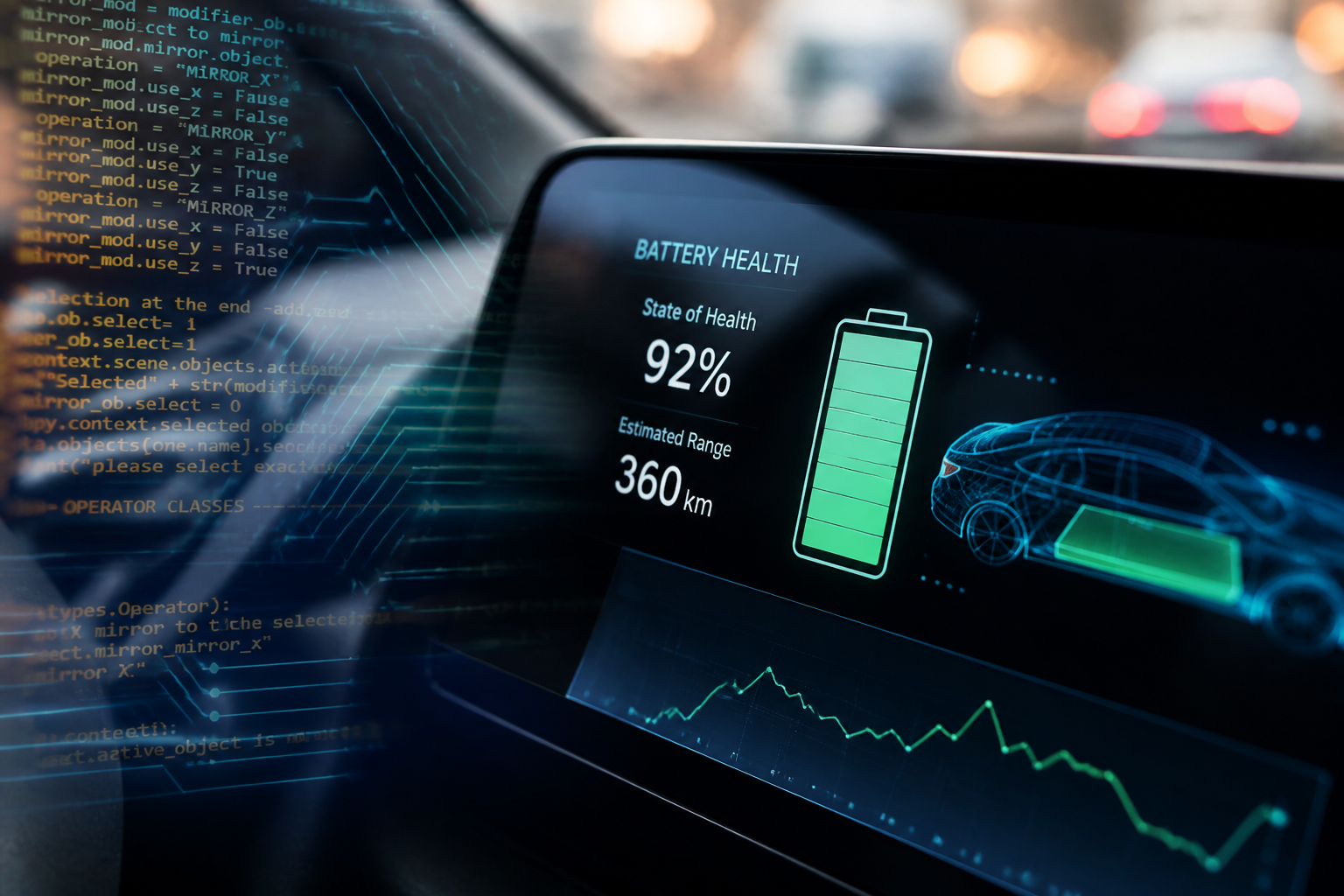
The electric vehicle (EV) revolution is not just changing how we drive; it's fundamentally altering how we insure our vehicles. One of the most significant shifts on the horizon involves the integration of granular EV battery health data into insurance underwriting and claims processes. Moving beyond rudimentary factors like vehicle age and mileage, insurers are beginning to explore how real-time insights into a battery's State of Health (SOH) and degradation rates can unlock a new era of personalized, dynamic, and fairer EV insurance policies. This deep dive will explore the transformative potential of EV battery health data insurance, examining its implications for premiums, claims assessments, and the overall EV ownership experience.
The Data Revolution in EV Insurance
For decades, auto insurance has relied on a relatively static set of data points: driver demographics, vehicle make/model/year, driving history, and annual mileage. While effective for internal combustion engine (ICE) vehicles, this traditional model often struggles to accurately assess the unique risks associated with electric vehicles, particularly concerning their most expensive component: the battery pack. The average EV battery pack can represent anywhere from 30% to 50% of the vehicle's total manufacturing cost, making its health and longevity a critical factor in both vehicle value and potential repair expenses.
The advent of sophisticated telematics and connected car technologies has opened the door to a wealth of real-time operational data from EVs. This includes not only driving behavior but also intricate details about the battery's performance and condition. Insurers are increasingly recognizing that this granular data, often referred to as EV battery health data, could provide a more precise risk profile than ever before. This shift is not merely about adjusting prices; it's about fundamentally rethinking how risk is quantified and managed for EVs, leading to more tailored products and potentially significant savings for responsible EV owners.
Understanding EV Battery Health Data
At the core of this transformation are specific metrics that provide a comprehensive picture of an EV battery's condition. These include:
- State of Health (SOH): This is arguably the most critical metric, representing the current capacity of a battery relative to its capacity when new. An SOH of 90% means the battery can hold 90% of its original charge. SOH naturally declines over time and use, a process known as degradation.
- Degradation Rates: This refers to the speed at which the SOH is declining. Factors influencing degradation include charging habits (frequent DC fast charging can accelerate it), climate (extreme heat or cold), and discharge cycles.
- Charging History: Data on charging frequency, types of chargers used (Level 1, 2, or DC fast charging), and average charge levels can offer insights into battery stress.
- Temperature Management: Information on how effectively the battery's thermal management system operates, especially during charging or in extreme weather, is vital.
- Cell Voltage Variance: Differences in voltage between individual cells within a battery pack can indicate imbalances or potential issues.
Collecting this data typically involves telematics devices installed by the manufacturer or aftermarket solutions. While manufacturers often collect this data for warranty purposes and vehicle diagnostics, the challenge for insurers lies in accessing, standardizing, and interpreting this proprietary information across various EV models and brands. The goal is to move beyond a simplistic understanding of battery life to a nuanced assessment of its current and projected performance, which directly impacts its value and repairability.
Potential Impact on Underwriting and Premiums
The integration of EV battery health data into underwriting models holds the promise of unprecedented personalization in insurance pricing. Here's how it could reshape premiums:
- Personalized Risk Assessment: Instead of assuming a standard degradation rate based on vehicle age, insurers could assess the actual SOH and degradation rate of an individual vehicle. An EV with meticulously maintained battery health might qualify for lower premiums due to a reduced risk of expensive battery replacement or repair.
- Dynamic Pricing Models: Premiums could become more dynamic, adjusting periodically based on the ongoing health of the battery. For instance, a battery showing accelerated degradation might see a premium increase, while one maintaining exceptional health could see a decrease. This incentivizes good battery care.
- Reduced Premiums for Well-Maintained EVs: Owners who practice optimal charging habits (e.g., avoiding frequent deep discharges, moderating DC fast charging, parking in temperature-controlled environments) could be rewarded with lower insurance costs. This shifts the focus from broad averages to individual behavior and vehicle condition.
- Targeted Coverage Options: Insurers might offer specialized endorsements or discounts for battery-specific coverage based on health data. For example, a policy could offer enhanced battery replacement coverage at a lower cost for vehicles with a high SOH, or offer preventative maintenance incentives.
- Improved Residual Value Prediction: A healthier battery directly correlates with higher residual value for an EV. Insurers could use SOH data to more accurately predict a vehicle's future value, influencing total loss calculations and potentially leading to more competitive comprehensive and collision premiums.
Currently, insurers often factor in the higher replacement cost of EV batteries into overall premiums. With battery health data, they could differentiate between a 5-year-old EV with 95% SOH and one with 80% SOH, offering substantially different premium rates. This moves beyond the current broad brush approach to one that rewards proactive maintenance and careful ownership.
Redefining Claims Assessments and Payouts
Beyond underwriting, EV battery health data will profoundly impact how claims are assessed, particularly after collisions or incidents that could affect the battery:
- Accurate Damage Assessment: Post-collision, SOH data can help determine if the battery pack has sustained damage beyond visible external cues. Even a minor fender bender could cause internal cell damage not immediately apparent, but detectable through SOH monitoring. This ensures that hidden damages are identified and addressed, preventing future issues.
- Fairer Total Loss Calculations: In the event of a total loss, the actual SOH of the battery at the time of the incident can be used to determine the vehicle's true market value. A vehicle with a higher SOH would command a higher payout, reflecting its better condition, rather than relying solely on age and mileage depreciation tables.
- Optimized Repair vs. Replace Decisions: For damaged batteries, health data can guide decisions on whether to repair individual modules or replace the entire pack. If only a few modules are compromised and the overall SOH remains high, a targeted repair might be more cost-effective than a full replacement, benefiting both the insurer and the policyholder by reducing repair costs and minimizing waste.
- Dispute Resolution: SOH data provides an objective, data-driven basis for claims discussions, reducing ambiguity and potential disputes between policyholders and insurers regarding battery condition and value.
- Fraud Prevention: Consistent monitoring of battery health can help identify discrepancies or unusual degradation patterns that might indicate fraudulent claims or undeclared modifications.
Consider a scenario where an EV is involved in a moderate collision. Without SOH data, an insurer might assume the battery is fine if there's no obvious external damage. With SOH data, a drop from 95% to 88% post-accident would immediately flag potential internal damage, triggering a more thorough inspection and ensuring a comprehensive repair or appropriate compensation. This level of precision is a game-changer for EV insurance claims.
Challenges and Considerations
While the benefits are clear, integrating EV battery health data presents several significant challenges:
- Data Access and Standardization: EV manufacturers currently hold proprietary battery data. Insurers need secure, standardized access to this information across different brands and models. This requires industry-wide collaboration and potentially new regulatory frameworks.
- Privacy Concerns: Collecting and sharing granular battery data raises privacy questions for vehicle owners. Transparent policies, clear consent mechanisms, and robust data security protocols will be essential to build trust.
- Data Interpretation and Modeling: Insurers will need sophisticated analytical tools and expertise to interpret complex battery data and integrate it into their underwriting and claims models. This is a new frontier for actuarial science.
- Regulatory Landscape: Regulators in the US, UK, and EU will need to establish guidelines for data usage, ensuring fairness, transparency, and consumer protection. Concerns about discrimination based on charging habits or environmental factors (e.g., extreme climate) will need to be addressed.
- Consumer Education: Policyholders will need to understand how their battery health impacts their premiums and claims. Clear communication from insurers will be crucial to avoid confusion and foster acceptance of these new models.
- Cost of Implementation: Developing the infrastructure, agreements, and analytical capabilities to leverage this data will require significant investment from the insurance industry.
The European Union's Data Act, for example, aims to facilitate data sharing across sectors, including vehicle data, which could pave the way for easier access for insurers. However, the specifics of implementation and the balancing of commercial interests with consumer rights remain complex.
The Future of Personalized EV Insurance
The trajectory towards data-driven, personalized EV insurance is clear. As EV adoption accelerates and battery technology evolves, the ability to accurately assess and price risk based on real-time battery health will become a competitive differentiator for insurers. This future could see:
- Incentives for Battery Longevity: Insurers might partner with charging network providers or EV service centers to offer discounts for charging practices that promote battery health.
- Predictive Maintenance Integration: Insurance policies could evolve to include elements of predictive maintenance, using battery data to alert owners to potential issues before they become costly claims.
- Ecosystem Integration: Battery health data could integrate with other telematics data, such as driving behavior and location, to create a holistic risk profile for each EV.
- New Business Models: The rise of battery-as-a-service models or swappable batteries could introduce entirely new insurance products focused on battery leasing or shared ownership, where battery health is paramount.
While specific carrier-by-carrier pricing models based on battery health data are still in their infancy and not yet widely implemented, the industry is actively exploring these possibilities. Early indications from pilot programs suggest that drivers with demonstrably well-maintained EV batteries could see premium reductions ranging from 5% to 15% compared to those with average or poor battery health, though these figures are highly speculative and depend on many factors. The methodology for such discounts would likely involve a secure, anonymized data feed from the vehicle, analyzed by the insurer, with policyholders opting in for potential savings.
Ultimately, the integration of EV battery health data into insurance is about creating a more equitable and efficient system. It moves away from broad generalizations to a nuanced understanding of individual vehicle risk, rewarding responsible ownership and providing more accurate coverage when it's needed most. As an EV owner, understanding these trends will be key to navigating the evolving landscape of auto insurance.
Key takeaways
- EV battery health data, including State of Health (SOH) and degradation rates, is set to revolutionize auto insurance by enabling more precise risk assessments.
- This data will allow for personalized and dynamic insurance premiums, rewarding EV owners who maintain optimal battery health through careful driving and charging habits.
- Claims assessments will become more accurate, with SOH data helping to identify hidden battery damage post-collision and ensuring fairer total loss valuations.
- While offering significant benefits, challenges such as data access, privacy concerns, and regulatory frameworks need to be addressed for widespread adoption.
- The future of EV insurance points towards a more equitable system where premiums reflect the actual condition and care of an individual vehicle's most expensive component.
Frequently asked questions
Q.What is EV battery State of Health (SOH) and why is it important for insurance?
State of Health (SOH) measures a battery's current capacity relative to its original capacity. For insurance, a higher SOH indicates a healthier, more valuable battery with a lower risk of premature replacement, potentially leading to lower premiums and more accurate claims payouts.
Q.How could my charging habits affect my EV insurance premiums in the future?
In the future, insurers might use data on charging habits (e.g., frequent DC fast charging vs. slower Level 2 charging) to assess battery degradation risk. Optimal charging practices that preserve battery health could lead to discounts, while habits that accelerate degradation might result in higher premiums.
Q.Will insurers have access to my private EV battery data?
Access to private EV battery data for insurance purposes is a developing area with significant privacy considerations. Any such access would likely require explicit consent from the vehicle owner and adherence to strict data protection regulations, with anonymization often being a key component.
Q.How will EV battery health data impact total loss claims?
For total loss claims, EV battery health data would allow insurers to more accurately determine the vehicle's actual market value by factoring in the battery's real-time condition. This could result in fairer payouts for policyholders whose batteries are in excellent health, rather than relying solely on standard depreciation schedules.
References
PhD electrical engineer with 14+ years in high-voltage battery design, ADAS systems and EV diagnostics.
Continue reading

EV Battery Lifecycle & Insurance: How Age and Mileage Affect Your Premiums
This article will explore the nuanced relationship between an EV's battery age, degradation, and total mileage, and how these factors are beginning to influence insurance underwriting and premium calculations. We'll examine emerging data on battery health and its potential impact on future policy costs and claim valuations, offering insights beyond simple battery replacement coverage. Use this checklist to compare premiums, deductibles, repair support, and policy wording before renewal.

Decoding EV Battery Recalibration: What Your Insurance Covers After a Collision
Following a collision, EV batteries often require sophisticated recalibration, not just replacement or repair. This article will explain what battery recalibration entails, whether standard EV insurance policies cover this specific, costly procedure, and potential gaps to watch for. Use this checklist to compare premiums, deductibles, repair support, and policy wording before renewal.

Decoding EV Battery Degradation's Impact on Your Insurance Claims & Premiums
This article will demystify how battery degradation, a natural process, factors into insurance claims for older EVs, especially regarding total loss valuations and potential premium adjustments. We'll analyze current industry approaches to battery health and its financial implications for owners. Use this checklist to compare premiums, deductibles, repair support, and policy wording before renewal.