
Protecting Your EV Home Charging Station: A Deep Dive into Insurance Coverage for Theft, Vandalism, and Damage
Installing an EV home charging station is a significant investment in your electric vehicle lifestyle. But are you truly protected if it's stolen, vandalized, or damaged? Many EV owners are surprised to learn their standard home insurance might fall short.

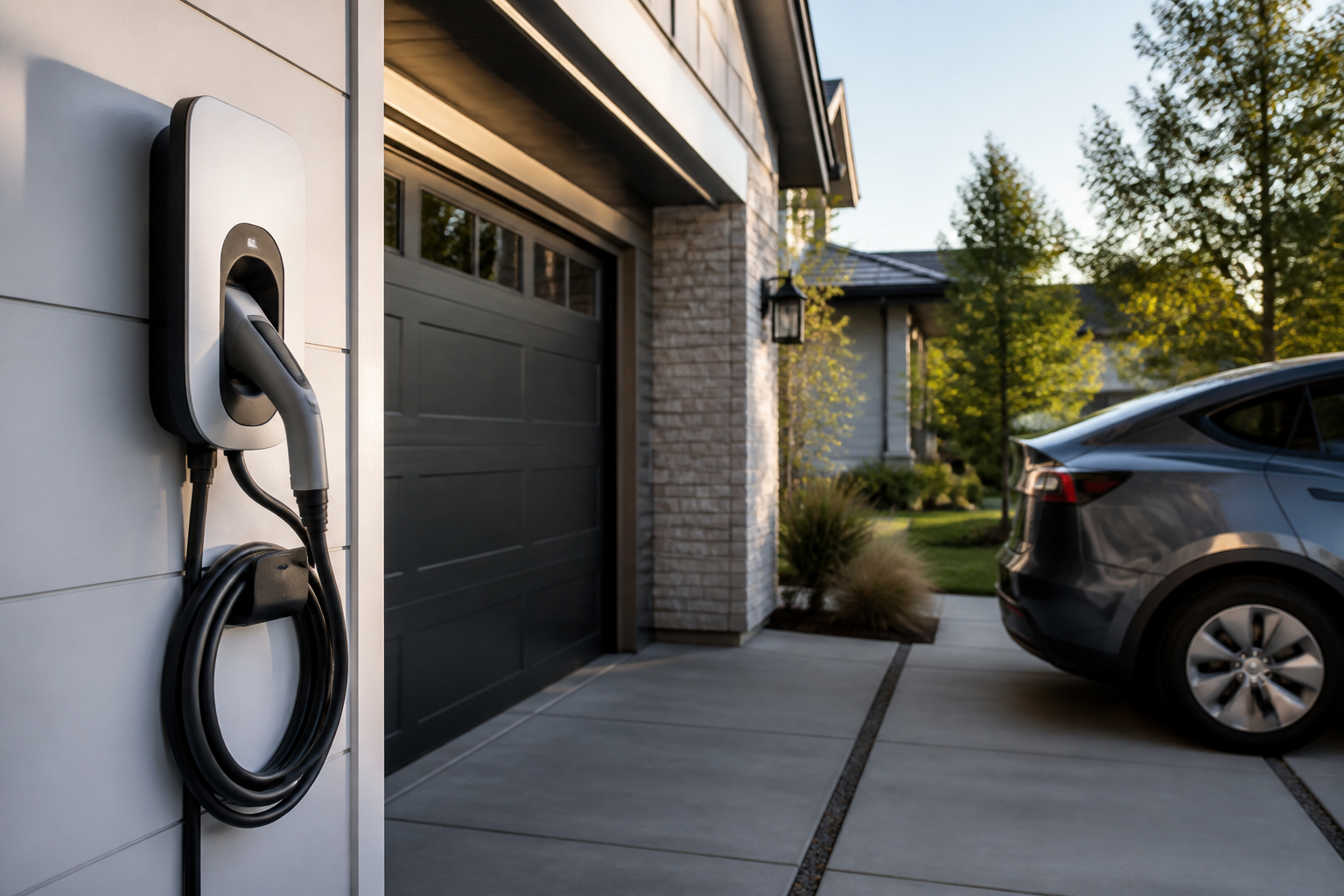
As electric vehicle adoption accelerates, so does the installation of home charging infrastructure. Your Electric Vehicle Supply Equipment (EVSE), commonly known as a home charging station, represents a significant investment, often ranging from $400 to $1,500 for the unit itself, plus $800 to $2,000+ for professional installation. Given this financial outlay, it's natural to assume this valuable asset is automatically covered by your existing homeowners insurance. However, the reality is often more nuanced. Many EV owners discover, usually too late, that their standard policies may have significant limitations when it comes to theft, vandalism, or damage to their EVSE.
Understanding Your EVSE as Personal Property
When you install an EV charging station at home, it becomes a fixture of your property. From an insurance perspective, it typically falls under one of two categories: personal property or a structure attached to your dwelling. The classification can significantly impact how it's covered.
Most standard EVSE units, especially Level 2 chargers, are hardwired into your home's electrical system, making them a permanent fixture. This often means they are considered part of your dwelling or an 'attached structure' rather than 'personal property' in the same way a television or furniture would be. However, portable Level 1 chargers or even some Level 2 units that are simply plugged into an existing 240V outlet might be treated differently. The distinction is critical because dwelling coverage often has higher limits and broader perils covered than personal property coverage.
It's important to differentiate between the EVSE unit itself and the electrical upgrades required for its installation. The wiring, circuit breakers, and dedicated circuit necessary for a Level 2 charger are almost always considered part of your dwelling, covered by your homeowners policy's dwelling coverage (Coverage A). The charging unit, however, might be viewed as an 'appliance' or 'fixture,' which could still fall under Coverage A, but sometimes falls under Coverage B (Other Structures) if it's in a detached garage or separate charging pillar, or even Coverage C (Personal Property) in rare cases, especially if it's portable.
Homeowners Insurance: Standard Coverage & Gaps
Your standard homeowners insurance policy (HO-3 or HO-5 in the US, common variants elsewhere) generally provides coverage for your dwelling and personal property against a range of specified perils. These usually include fire, lightning, windstorm, hail, explosion, riot, aircraft, vehicles, smoke, vandalism, theft, falling objects, weight of ice/snow/sleet, sudden and accidental tearing apart/cracking/burning/bulging of heating/AC systems, accidental discharge or overflow of water/steam, sudden and accidental damage from artificially generated electrical current.
Here's how standard coverage typically applies to an EVSE:
- Dwelling Coverage (Coverage A): If your EVSE is permanently affixed to your home (e.g., hardwired to your garage wall), it's generally considered part of your dwelling. This means it would be covered for perils like fire, vandalism, or theft, subject to your policy's limits and deductible.
- Other Structures Coverage (Coverage B): If your EVSE is installed on a detached garage, carport, or a standalone charging pedestal, it would typically fall under Coverage B. This coverage is usually a percentage (e.g., 10%) of your dwelling coverage limit.
- Personal Property Coverage (Coverage C): For portable chargers or very specific installations, it might be classified as personal property. This coverage has its own limits, which can be lower than dwelling coverage, and often includes a deductible.
However, significant gaps often exist. For instance, standard policies typically exclude damage caused by wear and tear, rust, mold, or gradual deterioration. They may also have specific exclusions for electrical surges not directly caused by lightning, or for damage resulting from faulty installation if not performed by a licensed professional. Furthermore, the value of the EVSE might exceed the standard sub-limits for certain types of property, or the deductible might be so high that filing a claim for a damaged charger isn't financially viable.
Specific Risks: Theft, Vandalism, and Accidental Damage
EV charging stations, particularly those mounted outdoors or in easily accessible areas, face unique risks that warrant specific attention.
- Theft: While the entire unit is difficult to steal if properly secured, components like the charging cable, connector (J1772, CCS, NACS), or even the entire wall-mounted box can be targets. The value of these components, especially the cable, can range from $200 to $600 for a replacement. Standard homeowners policies typically cover theft, but the claim would be subject to your deductible. If your deductible is $1,000, a $300 stolen cable would not trigger a payout.
- Vandalism: Graffiti, intentional cutting of cables, or physical damage to the unit are all possibilities. Homeowners policies generally cover vandalism, but again, the deductible is a key factor. Repeated acts of vandalism might also raise questions from your insurer about preventative measures.
- Accidental Damage: This is a broad category. It could include:
- Vehicle Impact: Accidentally backing into your charging station with your own car. This might be covered by your auto insurance's collision coverage if the car is insured, or your homeowners policy under certain circumstances.
- Weather-Related Damage: Damage from falling tree branches, severe storms, or lightning strikes. These are typically covered perils under homeowners insurance.
- Electrical Surge: A power surge not caused by lightning can fry the internal electronics of your EVSE. Standard policies often exclude damage from artificially generated electrical current unless it results in fire or explosion. This is a significant gap.
- Faulty Installation/Manufacturing Defects: Damage arising from these issues is generally not covered by homeowners insurance, falling instead under warranty or installer liability.
The average cost to replace a Level 2 EVSE can be anywhere from $1,200 to $3,500, including the unit and re-installation. Without adequate coverage, this cost falls entirely on the homeowner.
Evaluating Your Coverage Limits and Deductibles
Before you assume full protection, it's crucial to review your specific policy's declarations page and coverage forms. Pay close attention to:
- Coverage A (Dwelling) Limits: This is the maximum amount your insurer will pay to rebuild your home. Ensure it's sufficient to cover your home's total replacement cost, including any attached fixtures like a hardwired EVSE.
- Coverage B (Other Structures) Limits: If your EVSE is in a detached structure, confirm this limit is adequate. It's typically 10% of your Coverage A. If your detached garage is worth $30,000 and your EVSE is $2,000, you're likely fine. But if you have multiple high-value items in that structure, you might be underinsured.
- Coverage C (Personal Property) Limits: For portable units, check this limit. Also, be aware of any special sub-limits for certain categories of personal property, though EVSEs typically don't fall into common sub-limited categories like jewelry or firearms.
- Deductible: This is the amount you pay out-of-pocket before your insurance kicks in. Homeowners deductibles can range from $500 to $2,500 or even higher, often as a percentage of your dwelling coverage (e.g., 1% or 2%). If your EVSE costs $1,500 to replace and your deductible is $1,000, your insurer would only pay $500. For smaller claims, it might not be worth filing at all, as it could impact your claims history and future premiums.
- Perils Covered: Scrutinize the 'perils insured against' section. Look for specific exclusions related to electrical damage, mechanical breakdown, or wear and tear.
Many homeowners policies have a standard personal property deductible, but some may also have a separate, higher deductible for certain perils like wind/hail. Understanding these nuances is key to assessing your true out-of-pocket exposure.
Endorsements and Riders for Enhanced Protection
If your standard policy falls short, there are several endorsements or riders you can add to bolster your EV charging station home insurance coverage. These additions modify your base policy to include specific protections or increase limits for particular items.
Here are common options to discuss with your insurer:
- Scheduled Personal Property Endorsement: While typically used for high-value items like jewelry or art, some insurers may allow you to schedule a high-end EVSE. This provides 'all-risk' coverage (meaning it covers all perils unless specifically excluded) and often has a lower or no deductible for the scheduled item. This is particularly useful if your EVSE is a very expensive model or if you want protection against unusual risks.
- Equipment Breakdown Coverage: This endorsement is designed to cover mechanical or electrical breakdown of home systems and appliances that are not typically covered by standard perils. This is an excellent option for EVSE units, as it can cover damage from power surges, short circuits, or internal component failures that aren't due to external factors like lightning or fire. The cost for this rider is usually modest, often ranging from $25 to $75 per year, and can provide peace of mind against common electrical issues.
- Service Line Coverage: While primarily for utility lines (water, sewer, power) running to your home, some expanded versions might include exterior electrical lines or conduits leading to a detached EVSE. This is less common for the unit itself but could be relevant for the infrastructure.
- Increased Limits for Other Structures: If your EVSE is in a detached garage and its value, combined with other items, exceeds your Coverage B limit, you can often purchase an endorsement to increase this limit.
- Specific Vandalism/Theft Endorsements: In areas with high crime rates, some insurers might offer specific riders to reduce deductibles or broaden coverage for theft and vandalism, though this is less common for fixed property than for personal belongings.
When considering these options, always ask your insurance agent for a detailed explanation of what is and isn't covered, the cost of the endorsement, and how it interacts with your existing deductible. The goal is to ensure comprehensive EV charging station home insurance without overpaying for redundant coverage.
Installation and Liability Considerations
Beyond protecting the physical unit, it's vital to consider the liability aspects associated with your EVSE. Improper installation can lead to significant risks, including fire, electrical shock, or damage to your home's electrical system.
Most insurance policies require that any permanent electrical installations comply with local building codes and are performed by licensed professionals. If your EVSE is installed incorrectly by an unlicensed individual, and that faulty installation leads to a fire or other damage, your insurer could deny your claim. Always use a qualified, licensed electrician for Level 2 EVSE installations, and ensure they pull any necessary permits. This not only ensures safety but also protects your insurance coverage.
Liability coverage (Coverage E) on your homeowners policy protects you if someone is injured on your property and you are found legally responsible. While less common for an EVSE, imagine a scenario where a faulty charger causes an electrical shock to a visitor or a fire that spreads to a neighbor's property. In such cases, your liability coverage would respond, but only if the installation was performed correctly and maintained properly. If negligence can be proven due to DIY or substandard installation, your insurer might deny the liability claim, leaving you personally exposed.
It's also worth noting that some EVSE manufacturers offer extended warranties or service plans that cover mechanical breakdowns beyond the standard warranty period. While not insurance, these can complement your homeowners policy by addressing issues that insurance typically wouldn't, such as manufacturing defects or normal wear and tear failures.
Best Practices for Securing Your EVSE
Prevention is always the best policy. Implementing security measures can significantly reduce the risk of theft, vandalism, and accidental damage to your EV charging station, potentially lowering your insurance risk and avoiding claims.
Here are practical steps to secure your EVSE:
- Strategic Placement: Install your EVSE in a location that is visible but not easily accessible to passersby. A garage or a well-lit, private driveway is preferable to a front-facing wall near a public sidewalk.
- Physical Security: Many EVSE units come with locking mechanisms for the charging cable or the unit itself. Utilize these features. If your unit doesn't have one, consider purchasing an aftermarket locking device for the cable or a protective enclosure for the unit. Some units can be bolted directly to a stud or masonry for added security.
- Lighting and Surveillance: Install motion-activated lighting near your charging station. Consider a home security camera system (e.g., doorbell cameras, floodlight cameras) that covers the area where your EVSE is located. Visible cameras can deter potential thieves or vandals, and recorded footage can be invaluable for insurance claims or law enforcement.
- Cable Management: Keep your charging cable neatly coiled and off the ground when not in use. This reduces trip hazards and makes it less appealing for casual theft. Some EVSE units have integrated cable management systems.
- Software Security: For smart chargers, utilize any available app-based security features, such as remote locking or notifications if charging is interrupted unexpectedly.
- Regular Maintenance: Periodically inspect your EVSE for any signs of wear, damage, or loose components. Address any issues promptly to prevent minor problems from escalating into major damage or safety hazards.
- Review Manufacturer Guidelines: Adhere strictly to the manufacturer's installation and usage guidelines. This ensures optimal performance and safety, and helps maintain warranty validity.
By combining robust physical and digital security measures with a thorough understanding of your EV charging station home insurance coverage, you can protect your investment and ensure peace of mind as you charge your electric vehicle at home. Always consult with a licensed insurance professional to tailor coverage to your specific needs and local risks.
Key takeaways
- Standard homeowners insurance typically covers permanently installed EVSE units under dwelling or other structures coverage for common perils like fire, theft, and vandalism.
- Significant gaps exist in standard policies, particularly for damage caused by power surges not linked to lightning, mechanical breakdown, or faulty installation.
- Deductibles often make filing claims for smaller damages (e.g., stolen cables) financially unfeasible, as out-of-pocket costs can exceed the payout.
- Endorsements like 'Equipment Breakdown Coverage' or 'Scheduled Personal Property' can provide crucial additional protection against electrical failures and specific risks.
- Always use a licensed electrician for EVSE installation to ensure safety and maintain insurance validity, as improper installation can lead to claim denials and liability issues.
Frequently asked questions
Q.Is my EV home charging station covered by my standard homeowners insurance?
Generally, yes, if it's permanently affixed to your home or a detached structure, it's covered under your dwelling or other structures coverage for perils like fire, theft, and vandalism. However, coverage limits, deductibles, and specific exclusions (e.g., for electrical surges not caused by lightning) can significantly impact actual protection.
Q.What's the difference between dwelling coverage and personal property coverage for an EVSE?
Dwelling coverage (Coverage A) is for the physical structure of your home and attached fixtures, which usually includes hardwired EVSEs. Personal property coverage (Coverage C) is for movable items like furniture. Portable EV chargers might fall under personal property, which often has lower limits and different deductibles.
Q.What specific endorsements can protect my EV charger from electrical damage?
Equipment Breakdown Coverage is highly recommended. This endorsement specifically covers mechanical or electrical failures, including damage from power surges or short circuits, which standard homeowners policies often exclude unless they result in a fire or explosion.
Q.Does my homeowners insurance cover damage if I accidentally hit my EV charger with my car?
This can be complex. If you hit it with your own car, your auto insurance's collision coverage might apply to the car damage, and potentially the charger damage if it's considered an accident involving your vehicle. Otherwise, your homeowners policy might cover it under dwelling damage, subject to your deductible, but it's crucial to clarify this with your insurer.
Q.Why is professional installation important for insurance coverage?
Most insurance policies require permanent electrical installations to comply with local codes and be performed by licensed professionals. If faulty DIY or unlicensed installation leads to damage (like a fire), your insurer could deny claims for both the EVSE and any resulting property damage, leaving you financially responsible.
References
Insurance attorney and policy-wording specialist with 15+ years interpreting auto coverage forms.
Continue reading
EV Insurance for Homeowners Associations: Navigating Shared Charging & Liability
This article will address the unique insurance challenges and coverage considerations for EV owners living in HOA-governed communities, focusing on shared charging infrastructure, liability for common property, and potential property damage claims. It will provide actionable advice for navigating HOA rules and ensuring adequate personal and communal coverage. Use this checklist to compare premiums, deductibles, repair support, and policy wording before renewal.
Decoding EV Extended Warranty Insurance: What Your Manufacturer's Plan Misses
Many EV owners rely on manufacturer warranties, but these often have gaps when it comes to accidental damage, specific component failure outside of powertrain, or even certain software-related issues. This article explores how dedicated EV extended warranty insurance can fill these crucial gaps, offering protection beyond standard factory coverage and mechanical breakdown policies. Use this checklist to compare premiums, deductibles, repair support, and policy wording before renewal.
EV Battery Fire Insurance: Does Your Homeowners Policy Cover Charger-Related Incidents?
This article will demystify the intersection of EV-related fire incidents, particularly those stemming from home charging, and standard homeowners insurance policies. We will analyze common policy exclusions and endorsements needed to ensure comprehensive coverage, providing clarity on property damage and liability for a rare but high-impact event. Use this checklist to compare premiums, deductibles, repair support, and policy wording before renewal.