
EV Home Charging: Closing Homeowners Insurance Gaps for Your Peace of Mind
Installing an EV home charging station brings convenience, but it also introduces new risks that your standard homeowners insurance policy might not fully cover. Understanding these potential gaps is crucial for protecting your investment and preventing significant financial exposure.

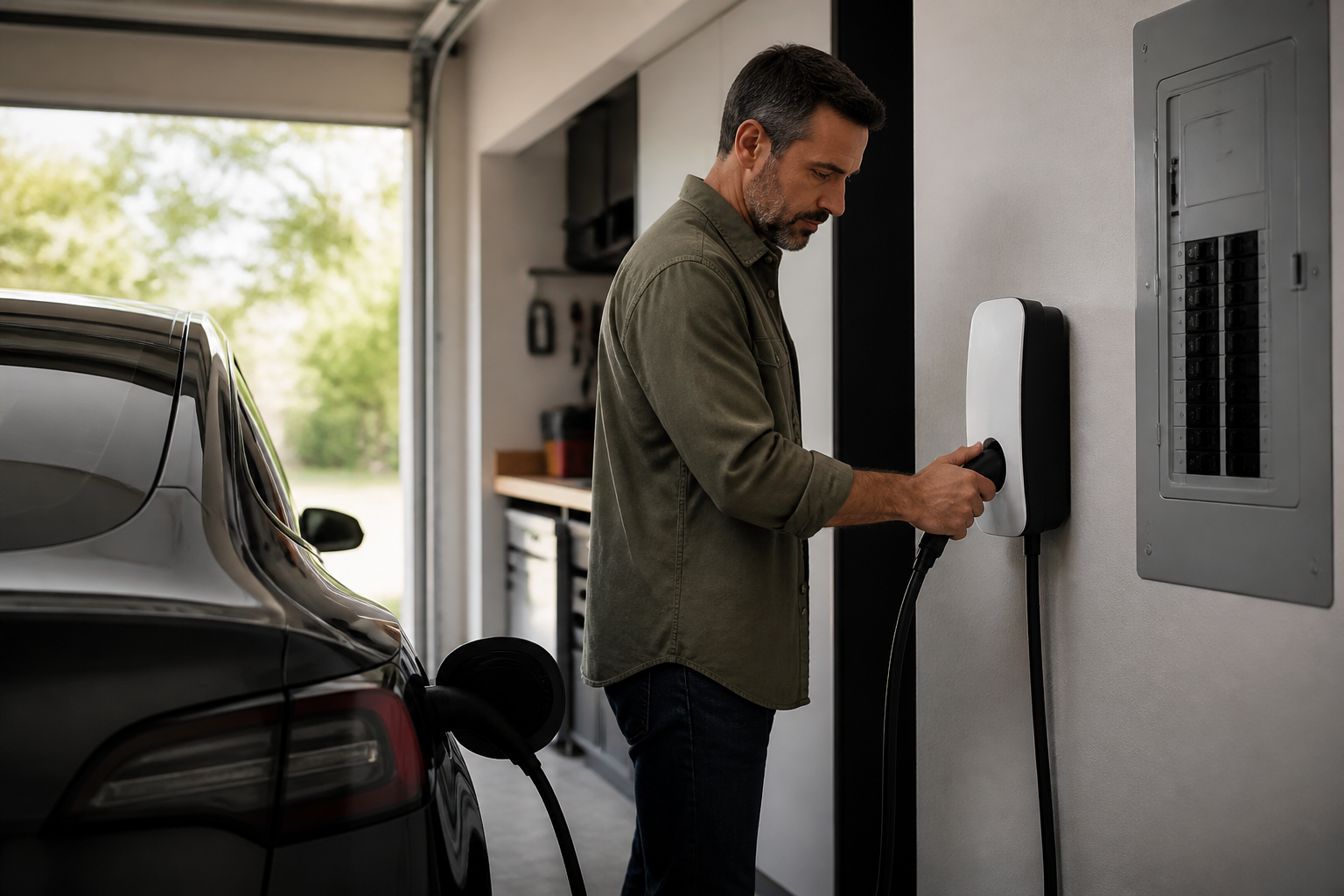
As electric vehicles (EVs) become increasingly common, so does the convenience of home charging. While plugging in your EV overnight is undeniably simpler than frequent trips to public charging stations, many EV owners operate under a critical misconception: that their existing homeowners insurance automatically covers all risks associated with their new charging setup. As a Senior Auto Insurance Analyst at EV Insurance Hub, I've observed firsthand that this assumption can leave significant financial gaps. This article will meticulously break down common coverage deficiencies, specifically addressing electrical infrastructure upgrades, fire risks from faulty installations, and liability arising from charger-related incidents, detailing the necessary endorsements or separate policies to ensure you're adequately protected.
The EV Charging Revolution at Home
The shift to electric vehicles is not just about changing what you drive; it's also about changing how you fuel. For most EV owners, the primary method of 'refueling' happens right in their garage or driveway. This domestic charging infrastructure, typically involving a Level 2 (240-volt) charger, offers unparalleled convenience. However, this convenience also introduces new elements into your home's electrical system and property, elements that your decades-old homeowners insurance policy might not have been designed to cover comprehensively.
The installation of a home EV charger is more than just plugging in an appliance. It often involves significant electrical work, including dedicated circuits, potentially new wiring, and sometimes even a service panel upgrade. These modifications, while essential for efficient charging, can create new vulnerabilities if not properly addressed by your insurance coverage. Understanding these nuances is the first step toward ensuring your home, your investment, and your family are fully protected.
Understanding Standard Homeowners Coverage
To identify where the gaps lie, it's important to first understand what a standard homeowners insurance policy typically covers. Most policies are designed to protect your dwelling, other structures on your property (like a detached garage), personal property, and provide liability coverage for incidents occurring on your premises. Perils usually covered include fire, theft, vandalism, windstorms, and certain types of water damage.
For items considered part of your dwelling, such as built-in appliances or permanently installed fixtures, damage is generally covered if caused by a covered peril. Personal property, like a portable Level 1 charger, might fall under your personal property limits. Liability coverage typically protects you if someone is injured on your property due to your negligence. However, the specificity of an EV charging setup often pushes the boundaries of these standard definitions, leading to potential exclusions or underinsurance.
Critical Coverage Gap #1: Electrical Infrastructure
One of the most significant, yet frequently overlooked, areas of concern for EV owners is the electrical infrastructure required for home charging. A Level 2 charger, which is standard for most EV owners, requires a dedicated 240-volt circuit. This often necessitates upgrades to your home's electrical panel, wiring, and potentially the service entrance from the utility pole. While the charger unit itself is a concern, the underlying electrical system is paramount.
Consider the following scenarios where standard coverage might fall short:
- Damage During Installation: If an unqualified installer damages your electrical panel or wiring during the charger setup, your policy might not cover the repair costs. Many policies have exclusions for damage caused by faulty workmanship or improper installation, unless it leads to a subsequent covered peril (like a fire).
- Underinsurance of Upgrades: A major electrical panel upgrade can cost anywhere from $1,500 to $4,000 or more, depending on the complexity and location. If your dwelling coverage limits are based on an older assessment of your home's value, these new, significant electrical components might be underinsured, meaning you'd pay out-of-pocket for a substantial portion of repair or replacement costs after a covered loss.
- Wear and Tear/Maintenance: Homeowners policies typically exclude damage from wear and tear, rust, corrosion, or lack of maintenance. While a new EV charging system should be robust, electrical components can degrade over time. If a component fails due to age or lack of proper upkeep, leading to damage, it might not be covered.
To address these gaps, you might need to specifically inform your insurer about the electrical upgrades. Some insurers may require an endorsement to explicitly cover these new components, or you may need to adjust your dwelling coverage limits to reflect the increased replacement cost of your home's upgraded electrical system. Always ensure your installer is licensed and insured, as their liability insurance could be a primary source of recovery for installation-related damages.
Critical Coverage Gap #2: Fire Risk and Property Damage
While EV charging is generally safe, any electrical system carries a risk of fire, especially if components are faulty, overloaded, or improperly installed. Media reports, though rare, sometimes highlight EV charging-related fires, often stemming from issues with wiring, the charger unit itself, or the vehicle's battery during charging. While standard homeowners policies typically cover fire damage, the 'cause' of the fire can be critical.
Here's where the gaps can emerge:
- Faulty Equipment vs. Covered Peril: If a fire starts due to a manufacturing defect in the charger unit, your policy might cover the resulting fire damage to your home. However, the cost of replacing the faulty charger itself might fall under the manufacturer's warranty, not your homeowners policy, unless you have specific equipment breakdown coverage. If the fire is attributed to improper installation, the insurer might deny the claim, citing the 'faulty workmanship' exclusion mentioned earlier.
- Damage to the EV Itself: Your homeowners policy generally does not cover damage to your vehicle. If a fire originating from your charging station damages your EV, your auto insurance policy (specifically comprehensive coverage) would be the primary source for vehicle repairs. This underscores the need for robust comprehensive coverage on your EV.
- Smoke and Soot Damage: Beyond direct flame damage, smoke and soot can cause extensive, costly damage to your home and personal belongings. While fire coverage typically includes these secondary damages, ensuring your dwelling and personal property limits are sufficient to cover such a widespread event is paramount.
To mitigate these risks, ensure your EV charger is installed by a certified electrician who adheres to all local codes and manufacturer specifications. Regular inspections of your electrical system can also help identify potential issues before they become catastrophic. Some insurers offer specific endorsements for 'equipment breakdown' that could cover the charger unit itself if it fails due to an internal defect, though this is distinct from fire coverage.
Critical Coverage Gap #3: Liability Concerns
Liability coverage in a homeowners policy protects you if someone is injured on your property and you are found legally responsible. For an EV charging station, liability concerns can arise in several ways, particularly if the charger is accessible to visitors or if a malfunction causes harm.
- Injury to Visitors: Imagine a scenario where a guest trips over a charging cable in your garage or driveway, or sustains an electrical shock from a faulty charger. Your standard liability coverage might apply, but if the injury is severe, or if negligence can be tied to improper installation or maintenance of the charger, the claim could be complex. High medical bills and potential lawsuits could quickly exceed standard liability limits, which typically range from $100,000 to $500,000.
- Damage to Neighboring Property: In the unlikely event of a significant fire caused by your EV charging system that spreads to a neighbor's property, your personal liability coverage would be crucial. Without adequate limits, you could face substantial out-of-pocket expenses for their property damage and any associated injuries.
- Attractive Nuisance: While less common, if your charging station is easily accessible to children and not properly secured, it could potentially be deemed an 'attractive nuisance,' increasing your liability risk if a child is injured while interacting with it.
Given the potential for high-value claims, especially involving electrical incidents, it's often advisable to review your personal liability limits. Many insurance professionals recommend carrying at least $300,000 to $500,000 in liability coverage. For additional protection, a personal umbrella policy, which provides an extra layer of liability coverage above your homeowners and auto policies, is an excellent consideration. These policies typically offer coverage in increments of $1 million or more for an annual premium ranging from $150 to $300, offering significant peace of mind for a relatively modest cost.
Essential Endorsements and Strategies
Navigating these potential gaps requires proactive communication with your insurance provider and potentially adding specific endorsements to your policy. Here’s a breakdown of what to consider:
- Notify Your Insurer: The absolute first step is to inform your homeowners insurance provider about your EV charger installation. Be prepared to provide details about the type of charger (Level 1, 2, or DC fast charger if applicable), the installation date, and any electrical upgrades made. This ensures they are aware of the new risk and can advise on appropriate coverage.
- Review Dwelling Coverage Limits: Ensure your dwelling coverage limit is sufficient to rebuild your home, including the cost of replacing your upgraded electrical panel and wiring. If you've invested several thousand dollars in electrical upgrades, these should be factored into your home's replacement cost valuation.
- Consider Equipment Breakdown Coverage: This endorsement, often available for an additional premium of $25 to $50 per year, can cover the repair or replacement of your EV charger (and other home appliances) if it suffers a mechanical or electrical breakdown, even if not caused by a covered peril like fire. This is distinct from a manufacturer's warranty and can fill a crucial gap.
- Increase Personal Liability Limits: As discussed, consider increasing your liability limits to at least $500,000. For truly comprehensive protection, an umbrella policy is highly recommended.
- Review Personal Property Coverage: If you use a portable EV charger (Level 1 or some Level 2 units), ensure your personal property limits are adequate to cover its replacement cost, especially if it's stolen or damaged by a covered peril.
- Professional Installation: Always use a licensed and certified electrician for your EV charger installation. This not only ensures safety and compliance with local codes but also provides a layer of protection through the installer's own liability insurance should something go wrong during the installation process. Keep all receipts and documentation.
- Regular Maintenance and Inspection: While not directly an insurance product, maintaining your electrical system and charger as per manufacturer guidelines can prevent issues that might otherwise lead to a denied claim due to negligence or wear and tear.
The Cost of Peace of Mind
You might be wondering about the financial implications of these additional protections. The cost of adding endorsements or increasing limits is typically quite modest compared to the potential financial devastation of an uncovered loss. For example, adding equipment breakdown coverage might increase your annual premium by $25-$50. Increasing liability limits from $300,000 to $500,000 could add approximately $20-$40 per year. An umbrella policy, offering millions in additional liability, might cost $150-$300 annually.
When you consider that a major electrical fire could result in hundreds of thousands of dollars in property damage, or a serious liability claim could exceed a million dollars, these small additional premiums represent an incredibly valuable investment. Insurance is about managing risk, and with the growing adoption of EV home charging, understanding and addressing these specific risks is no longer optional. It's a critical component of responsible homeownership in the electric age. Always consult directly with your insurance agent to discuss your specific situation and tailor coverage that best fits your needs and local regulations.
Key takeaways
- Standard homeowners insurance policies often have critical gaps regarding EV home charging infrastructure.
- Electrical upgrades for Level 2 chargers may be underinsured or excluded if not explicitly addressed with your insurer.
- Fire risks from faulty charging systems can lead to complex claims; professional installation and proper coverage are key.
- Liability concerns from charger-related incidents necessitate reviewing and potentially increasing your personal liability limits or adding an umbrella policy.
- Proactively communicating with your insurer and adding specific endorsements like equipment breakdown coverage can provide comprehensive protection for your EV home charging setup.
Frequently asked questions
Q.Does my standard homeowners insurance cover my EV charging station?
While your standard homeowners policy might cover the charger if it's damaged by a covered peril like fire, it often has gaps. These gaps typically include damage during installation, underinsurance of electrical upgrades, and specific breakdowns of the unit itself. You should always inform your insurer about the installation.
Q.What kind of electrical upgrades might not be covered?
Major electrical panel upgrades or extensive wiring modifications required for a Level 2 EV charger might not be fully covered if your dwelling limits aren't updated. Damage caused by faulty workmanship during installation is also a common exclusion. Endorsements like 'equipment breakdown' can help cover the charger unit itself.
Q.How can I protect myself from liability if someone is injured by my EV charger?
Ensure your personal liability limits on your homeowners policy are robust, ideally at least $500,000. For greater peace of mind, consider a personal umbrella policy, which provides an additional layer of liability protection above your standard policies, often in increments of $1 million or more.
Q.Will my homeowners insurance cover my EV if it catches fire while charging?
No, your homeowners insurance typically does not cover damage to your vehicle. If your EV catches fire while charging, coverage would fall under the comprehensive section of your auto insurance policy. Your homeowners policy would cover the damage to your home and personal property, provided the fire was caused by a covered peril.
Q.Is it worth buying extra coverage for my EV charging setup?
Absolutely. The relatively small additional cost for endorsements like equipment breakdown coverage or increasing liability limits is a prudent investment. It provides crucial protection against potentially significant financial losses from electrical damage, fire, or liability claims that your standard policy might not fully address.
References
Insurance attorney and policy-wording specialist with 15+ years interpreting auto coverage forms.
Continue reading

What EV Battery Coverage Actually Includes After a Collision: 2026-10-22 Update 2
Explains the difference between collision coverage, comprehensive claims, warranty coverage, and battery degradation exclusions. This is a fresh 2026-10-22 update: focus on what has changed recently, new data points, and current-year guidance — do not repeat the earlier article's coverage. Use this checklist to compare premiums, deductibles, repair support, and policy wording before renewal.

What EV Battery Coverage Actually Includes After a Collision: 2026-10-21 Update 3
Explains the difference between collision coverage, comprehensive claims, warranty coverage, and battery degradation exclusions. This is a fresh 2026-10-21 update: focus on what has changed recently, new data points, and current-year guidance — do not repeat the earlier article's coverage. Use this checklist to compare premiums, deductibles, repair support, and policy wording before renewal.

What EV Battery Coverage Actually Includes After a Collision: 2026-10-16 Update 1
Explains the difference between collision coverage, comprehensive claims, warranty coverage, and battery degradation exclusions. This is a fresh 2026-10-16 update: focus on what has changed recently, new data points, and current-year guidance — do not repeat the earlier article's coverage. Use this checklist to compare premiums, deductibles, repair support, and policy wording before renewal.