EV Home Charging Station Installation Insurance: Safeguarding Against Damage & Liability
Installing an EV charging station at home is a significant upgrade, but it also introduces new insurance considerations. This guide clarifies how your home insurance protects your investment and addresses potential liabilities.

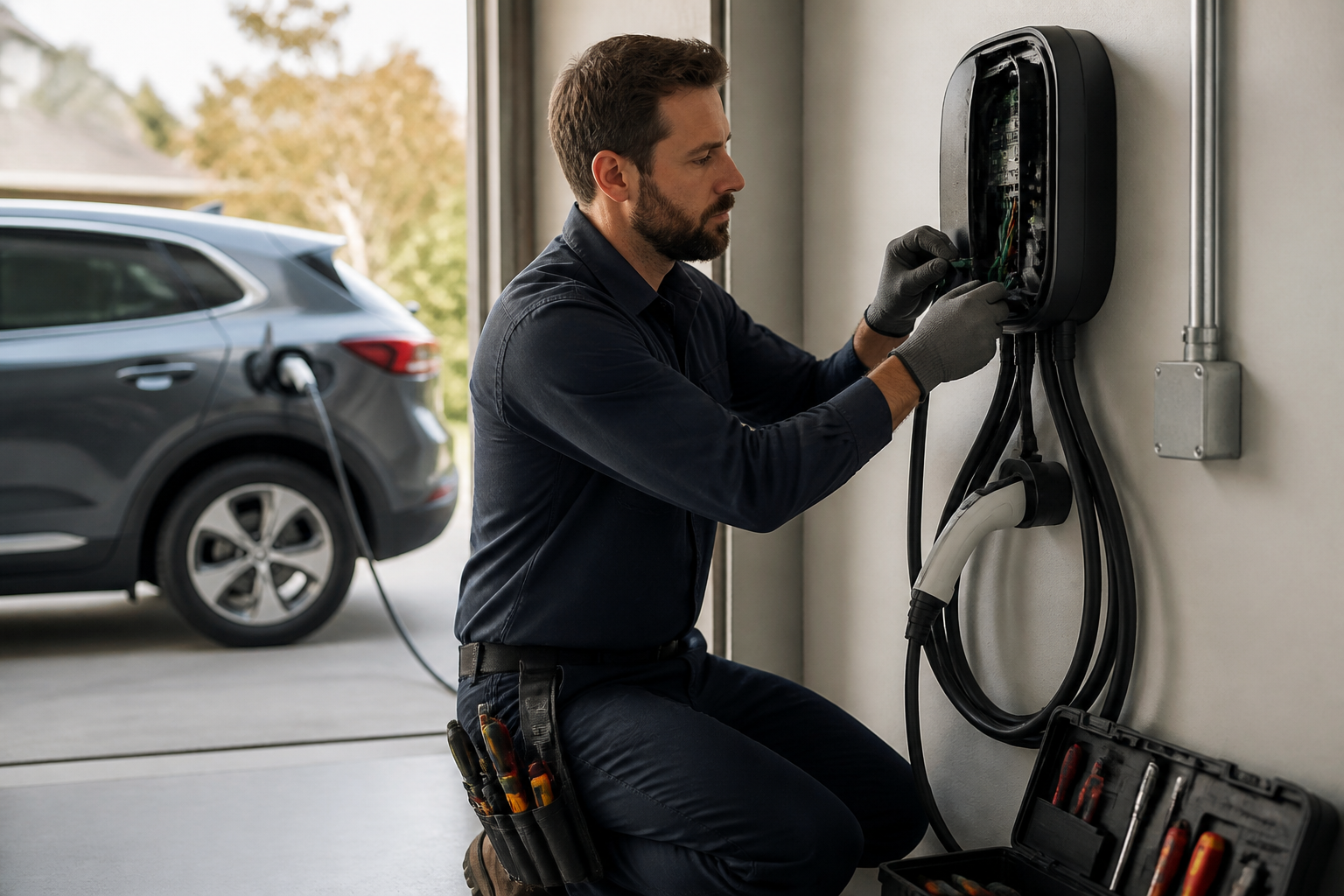
The transition to an electric vehicle (EV) often includes the essential step of installing a home charging station. This upgrade significantly enhances convenience and efficiency, but it also introduces new considerations for your home insurance. Understanding how your existing homeowners policy covers this investment, and where potential gaps might lie, is crucial for protecting your financial well-being. This article will delve into the specifics of EV charging station installation insurance coverage, outlining what standard policies typically include, when additional endorsements or separate policies are advisable, and how to identify and address any coverage shortcomings during the installation process.
Understanding Standard Homeowners Coverage
Most standard homeowners insurance policies (HO-3 being the most common) are designed to protect your dwelling and personal property from a range of perils. When it comes to an EV charging station, its fixed nature as an attachment to your home usually means it falls under the 'Dwelling' coverage. This portion of your policy protects the physical structure of your house and anything permanently attached to it, including built-in appliances, electrical systems, and, typically, a permanently installed EV charging station.
For example, if a fire originating from an external source damages your garage and the installed charging station, your dwelling coverage would likely respond. Similarly, if a severe storm causes a tree to fall and crush the charging unit, the damage would generally be covered under your policy's perils. However, the extent of this coverage is subject to your policy's limits, deductibles, and exclusions. It's essential to remember that 'standard' coverage refers to perils explicitly listed in your policy, such as fire, windstorm, hail, and vandalism. Accidental damage caused by you or an authorized user might be covered, but specific circumstances can vary.
Liability coverage, another core component of your homeowners policy, is designed to protect you financially if someone is injured on your property and you are found legally responsible. This could extend to incidents related to your EV charging station. For instance, if a visitor trips over an improperly installed cable or suffers an electrical shock due to a faulty installation that you were aware of, your personal liability coverage could come into play. However, this coverage is not absolute and often has limits, typically ranging from $100,000 to $500,000, with higher limits available through umbrella policies. It's important to differentiate between damage to the charger itself and liability arising from its presence or operation.
Potential Risks During and After Installation
The installation of an EV home charging station, particularly a Level 2 unit requiring dedicated 240-volt wiring, involves significant electrical work. This process inherently carries risks that homeowners should be aware of, both during the installation phase and throughout the operational life of the charger. Understanding these risks is the first step in ensuring adequate insurance protection.
- Electrical Fires: Improper wiring, overloaded circuits, or faulty equipment can lead to electrical fires. This is a primary concern during and after installation. While your homeowners policy typically covers fire damage, the cause of the fire can sometimes influence the claim process. If the fire is deemed to be a result of negligence by an unlicensed or unqualified installer, your insurer might pursue subrogation against the installer's insurance.
- Damage During Installation: Accidents can happen. An electrician might inadvertently damage your home's structure, existing wiring, or even the charging unit itself during the installation process. Damage to the charger itself would typically fall under your dwelling coverage, assuming it's a covered peril. Damage to other parts of your home would also generally be covered. However, if the damage is clearly the fault of the installer, their commercial general liability insurance should be the primary recourse.
- Water Damage: If the charging station is installed outdoors or in a location susceptible to water ingress, improper sealing or faulty weatherproofing can lead to water damage to the unit or your home's electrical system. This could be covered if the water damage is from a sudden and accidental event, but ongoing leaks due to poor installation might be excluded if not addressed promptly.
- Theft or Vandalism: While less common for permanently installed units, outdoor charging stations can be targets for theft or vandalism. Most homeowners policies include coverage for these perils under dwelling or personal property, depending on how the item is classified.
- Personal Injury/Liability: As mentioned, someone could be injured due to the charging station. This could range from an electrical shock if the unit is improperly grounded or damaged, to a slip-and-fall if cords are left exposed. Your personal liability coverage is designed for these scenarios.
- Power Surges: While less directly related to installation, power surges can damage sensitive electronics, including your EV charger. Standard homeowners policies often have limited or no coverage for power surge damage unless it's caused by a covered peril like lightning.
To mitigate these risks, it is highly recommended to hire licensed and insured electricians for the installation. Always request proof of their general liability insurance and workers' compensation insurance before any work begins. This provides an additional layer of protection, as their insurance would be the primary payer for damages or injuries caused by their negligence.
When Endorsements or Separate Policies Are Needed
While standard homeowners insurance provides a baseline, there are situations where specific endorsements or even separate policies might be necessary to ensure comprehensive EV charging station installation insurance coverage. These additions can close potential gaps and provide peace of mind.
- Equipment Breakdown Coverage: Many standard policies do not cover damage to appliances or systems due to mechanical or electrical breakdown, power surges (not caused by lightning), or short circuits. An equipment breakdown endorsement, often available for an additional premium of $25-$50 per year, can extend coverage to your EV charging station for these types of failures. This is particularly valuable given the sophisticated electronics within modern chargers.
- Service Line Coverage: If your EV charging station requires an upgrade to your home's electrical service line from the utility pole to your meter, or if the line running from your meter to the charger is damaged, standard policies might not cover its repair or replacement. A service line endorsement can cover the cost of repairing or replacing damaged utility lines (water, sewer, electrical, data) running to your home, including those for your EV charger, typically costing $30-$70 annually.
- Increased Dwelling Coverage: If the cost of your EV charging station installation, including any significant electrical panel upgrades, substantially increases the overall value of your home, you might need to increase your dwelling coverage limits. This ensures that in the event of a total loss, you have sufficient funds to rebuild and replace all components, including the charger. Review your policy limits with your insurer after installation.
- Specific Electrical System Coverage: Some insurers offer specialized endorsements for home electrical systems, which might provide broader coverage for electrical failures or damage not typically covered by standard policies. These are less common but worth inquiring about if you have an older home with complex electrical upgrades.
- Contractor's Insurance (Commercial General Liability): This isn't a policy you purchase, but rather one you should verify your installer possesses. As noted, a licensed and insured electrician's commercial general liability (CGL) policy will cover damages or injuries they cause during the installation process. Their workers' compensation policy will cover their employees if they are injured on your property. Always ask for proof of insurance and verify its validity before work begins.
- Umbrella Policy: For homeowners concerned about higher liability risks, particularly if they frequently host guests or have complex home systems, a personal umbrella policy offers additional liability coverage above and beyond the limits of your homeowners and auto policies. This can provide an extra layer of protection, typically starting at $1 million in coverage for $150-$300 per year, which could be relevant if a severe injury related to your charging station occurs.
It's crucial to discuss these options with your insurance agent or provider. They can help you assess your specific needs based on the type of charger, the complexity of the installation, and your individual risk tolerance.
Assessing Coverage Gaps and Mitigation Strategies
Identifying potential gaps in your EV charging station installation insurance coverage is a proactive step that can save you significant financial strain in the long run. After understanding what standard policies cover and where endorsements might apply, the next step is to critically evaluate your current situation and implement mitigation strategies.
To effectively assess coverage gaps, consider the following:
- Review Your Current Policy: Obtain a copy of your homeowners insurance policy and carefully read the 'Dwelling,' 'Other Structures,' 'Personal Property,' and 'Liability' sections. Pay close attention to exclusions related to electrical systems, power surges, or mechanical breakdowns.
- Communicate with Your Insurer: Inform your insurance provider about the planned EV charging station installation. Provide details such as the type of charger (Level 1, Level 2, DC Fast Charger if applicable), its estimated cost, and whether any significant electrical panel upgrades are required. Ask specific questions: 'Will my standard policy cover damage to the charging station from a fire or storm?' 'Is there coverage for electrical malfunction or power surge damage?' 'What are the liability implications if someone is injured near the charger?'
- Consider the Installation Specifics: Is the charger indoors or outdoors? Outdoor installations might face higher risks of weather damage, vandalism, or theft, potentially requiring different considerations. Is the electrical panel being upgraded? This is a significant change that should be explicitly discussed with your insurer.
- Obtain Detailed Quotes: When hiring an electrician, get a detailed quote that itemizes costs for the charger unit, labor, materials, and any necessary electrical panel upgrades. This provides a clear value for insurance purposes.
Once potential gaps are identified, several mitigation strategies can be employed:
- Purchase Endorsements: As detailed previously, adding equipment breakdown, service line, or specific electrical system endorsements can fill common gaps. The cost is often minimal compared to the potential out-of-pocket expenses for repairs.
- Increase Coverage Limits: If the charging station and associated electrical work significantly increase your home's replacement value, adjust your dwelling coverage limits accordingly. Also, consider increasing your personal liability limits or purchasing an umbrella policy for enhanced protection.
- Vet Your Installer Thoroughly: Always choose a licensed, bonded, and insured electrician with experience in EV charger installations. Request proof of their commercial general liability and workers' compensation insurance. This shifts primary responsibility for installation-related damages or injuries to their insurance.
- Ensure Proper Permitting and Inspection: Adhere to all local building codes and secure necessary permits for the electrical work. Have the installation inspected by the relevant municipal authority. Non-compliance could potentially jeopardize future insurance claims.
- Regular Maintenance and Safety Checks: After installation, periodically inspect the charging station and wiring for any visible damage or wear. Follow manufacturer guidelines for maintenance. Good maintenance practices can prevent issues that might otherwise lead to claims.
- Document Everything: Keep detailed records of the purchase and installation, including receipts, permits, inspection reports, and photographs. This documentation can be invaluable if you need to file a claim.
By taking these steps, homeowners can build a robust insurance strategy that adequately protects their EV charging station investment and mitigates associated liability risks.
Navigating the Installation Process with Insurance in Mind
The installation process for an EV home charging station is a critical phase where insurance considerations should be at the forefront. Proactive engagement with your insurer and installer can prevent future headaches and ensure you're adequately covered. Here's a step-by-step guide to navigating the process with insurance in mind:
Before Installation:
- Notify Your Insurer: Before any work begins, inform your homeowners insurance provider about your plans to install an EV charging station. Provide them with details about the type of charger, the scope of electrical work, and the estimated cost. This allows them to advise you on potential coverage adjustments or necessary endorsements.
- Verify Installer's Credentials: As a crucial step, confirm that your chosen electrician is licensed, bonded, and insured. Request certificates of insurance for their commercial general liability and workers' compensation policies. Note the policy numbers and effective dates. A reputable installer will readily provide this information.
- Understand Local Regulations: Research local permitting requirements and building codes for EV charger installations. Ensure your installer is aware of and commits to adhering to these regulations. Non-compliant installations can void warranties and complicate insurance claims.
- Review Your Current Policy: Take this opportunity to review your homeowners policy carefully. Understand your dwelling coverage limits, deductibles, and any specific exclusions related to electrical systems or new installations.
During Installation:
- Document the Process: Take photos or videos of the installation at various stages. This visual record can serve as proof of proper installation and the condition of your property before, during, and after the work.
- Communicate with Installer: Maintain open communication with your electrician. If you notice anything that seems amiss or have questions, address them immediately. Ensure they are following all safety protocols.
- Secure Necessary Permits: Confirm that all required permits have been obtained by the installer before work commences. The final inspection by a municipal inspector is a key step in validating the safety and compliance of the installation.
After Installation:
- Obtain Final Documentation: Request a copy of the final inspection report, all invoices, and any warranty information for the charging unit and the installation work. Keep these documents in a safe place.
- Update Your Policy (If Necessary): Based on your prior discussions with your insurer, make any necessary adjustments to your policy. This might include adding endorsements like equipment breakdown coverage or increasing your dwelling coverage limit to reflect the new asset's value.
- Regular Maintenance: Follow the manufacturer's recommendations for maintaining your EV charging station. Regular checks can help identify potential issues early, preventing more significant damage or safety hazards.
By meticulously following these steps, you not only ensure a safe and compliant installation but also build a robust insurance framework that protects your investment and mitigates liability risks associated with your EV home charging station.
Cost Considerations for Enhanced Coverage
While the peace of mind that comes with comprehensive EV charging station installation insurance coverage is invaluable, it's natural to consider the financial implications. The cost of enhancing your homeowners policy to cover your EV charger adequately is generally quite modest compared to the potential costs of an uninsured loss.
Here's a breakdown of typical cost considerations:
- Equipment Breakdown Endorsement: This is one of the most common and recommended additions. The annual premium for an equipment breakdown endorsement typically ranges from $25 to $50. This relatively small investment can cover thousands of dollars in repair or replacement costs for your charging unit due to mechanical or electrical failure, power surges, or short circuits.
- Service Line Coverage: If you opt for this endorsement to cover utility lines, including those potentially upgraded for your EV charger, expect an annual premium of approximately $30 to $70. This protects against damage to underground lines that are your responsibility.
- Increased Dwelling Coverage: If your EV charging station installation, especially with a new electrical panel, adds significant value to your home (e.g., $2,000-$5,000+), increasing your dwelling coverage limit will result in a slight increase in your overall homeowners premium. This increase is typically proportional to the added value and your insurer's rates. For example, an additional $5,000 in dwelling coverage might only add $10-$30 to your annual premium, depending on your location and risk profile.
- Personal Liability Limit Increase: Raising your personal liability limits from, say, $300,000 to $500,000, might add $15-$30 to your annual premium. For even greater protection, a personal umbrella policy, which provides millions in additional liability coverage, usually costs between $150 and $300 per year for $1 million in coverage.
- Deductibles: While not an added premium, your deductible choice significantly impacts your out-of-pocket expense in the event of a claim. A higher deductible (e.g., $1,000-$2,500) will result in a lower annual premium, but you'll pay more if you file a claim. Conversely, a lower deductible means higher premiums but less out-of-pocket expense per claim.
When considering these costs, it's important to weigh them against the potential expenses of an uninsured loss. For instance, replacing a Level 2 EV charger can cost anywhere from $400 to $1,000 for the unit itself, plus potentially $500 to $2,000+ for installation and electrical upgrades. If an electrical fire caused by a faulty charger leads to significant home damage, the costs could escalate into tens or even hundreds of thousands of dollars. The relatively small annual cost of appropriate endorsements pales in comparison to these potential losses.
Always consult with your insurance agent to get precise quotes based on your specific policy, location, and the details of your EV charging station installation. They can help you tailor coverage to meet your needs effectively and cost-efficiently.
Key takeaways
- Standard homeowners policies usually cover permanently installed EV charging stations for common perils like fire or storm damage, but often exclude electrical/mechanical breakdowns.
- Key endorsements like Equipment Breakdown and Service Line Coverage can close significant gaps for damages not covered by basic policies, typically costing an additional <strong>$25-$70 annually</strong>.
- Verifying your electrician's commercial general liability and workers' compensation insurance is critical, as their policy should cover damages or injuries caused during installation.
- Assess potential coverage gaps by reviewing your policy with your insurer, considering installation specifics, and documenting the entire process with permits and inspections.
- The cost of enhanced coverage is generally modest compared to the potential financial burden of an uninsured loss, making proactive insurance planning a wise investment.
Frequently asked questions
Q.Does my standard homeowners insurance cover an EV charging station?
Yes, a permanently installed EV charging station is typically considered part of your dwelling and is covered by your standard homeowners policy for perils like fire, theft, and storm damage. However, it usually won't cover damage from electrical or mechanical breakdowns or power surges unless you add specific endorsements.
Q.What kind of insurance do I need for an EV charger installation?
Beyond your standard homeowners policy, consider adding an 'Equipment Breakdown' endorsement for mechanical/electrical failures and possibly 'Service Line Coverage' if your utility lines are upgraded. Crucially, ensure your electrician carries robust commercial general liability and workers' compensation insurance.
Q.What are the liability risks associated with an EV charging station?
Liability risks include someone being injured on your property due to the charging station, such as an electrical shock from a faulty unit or a slip-and-fall near exposed cables. Your personal liability coverage within your homeowners policy would typically address these claims, but an umbrella policy can provide higher limits.
Q.How much does it cost to add EV charging station coverage to my home insurance?
Adding endorsements like Equipment Breakdown coverage typically costs an additional <strong>$25-$50 per year</strong>, while Service Line coverage might be <strong>$30-$70 annually</strong>. Increasing your dwelling or liability limits will also result in a modest increase in your overall premium, often less than <strong>$50 per year</strong> for significant bumps in coverage.
Q.Do I need to inform my insurance company before installing an EV charger?
Yes, it is highly recommended to inform your insurance provider before installation. This allows them to advise you on necessary coverage adjustments, potential endorsements, and ensures your policy accurately reflects the new asset and any associated risks, preventing potential claim issues later.
References
Insurance attorney and policy-wording specialist with 15+ years interpreting auto coverage forms.
Continue reading

What EV Battery Coverage Actually Includes After a Collision: 2026-10-16 Update 1
Explains the difference between collision coverage, comprehensive claims, warranty coverage, and battery degradation exclusions. This is a fresh 2026-10-16 update: focus on what has changed recently, new data points, and current-year guidance — do not repeat the earlier article's coverage. Use this checklist to compare premiums, deductibles, repair support, and policy wording before renewal.
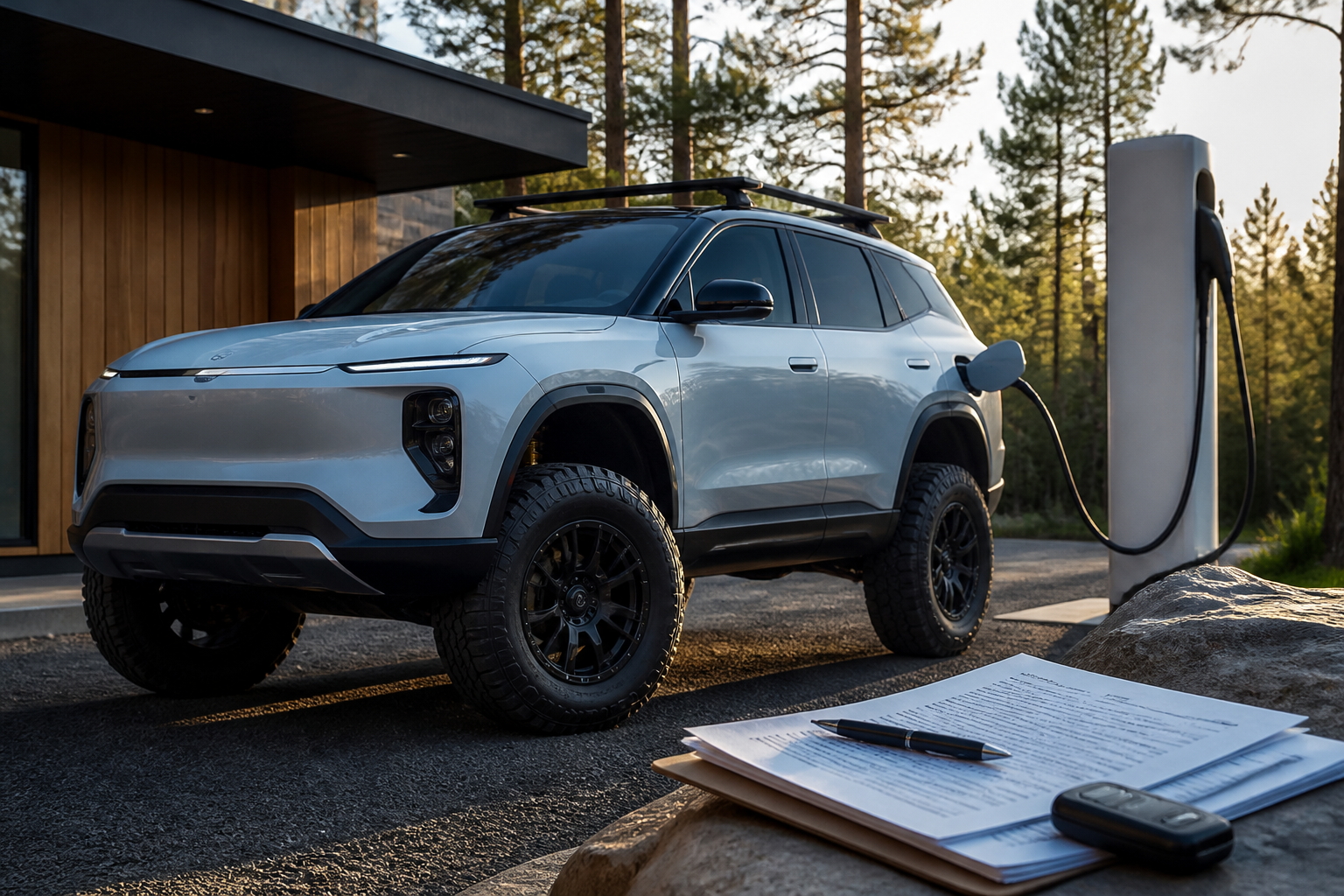
EV Insurance for Modified Suspension & Lift Kits: What's Covered?
Many EV owners customize their vehicles with lift kits or modified suspensions. This article will demystify how such aftermarket modifications impact insurance coverage, claims, and potential policy exclusions, providing clarity for drivers investing in vehicle personalization. Use this checklist to compare premiums, deductibles, repair support, and policy wording before renewal.
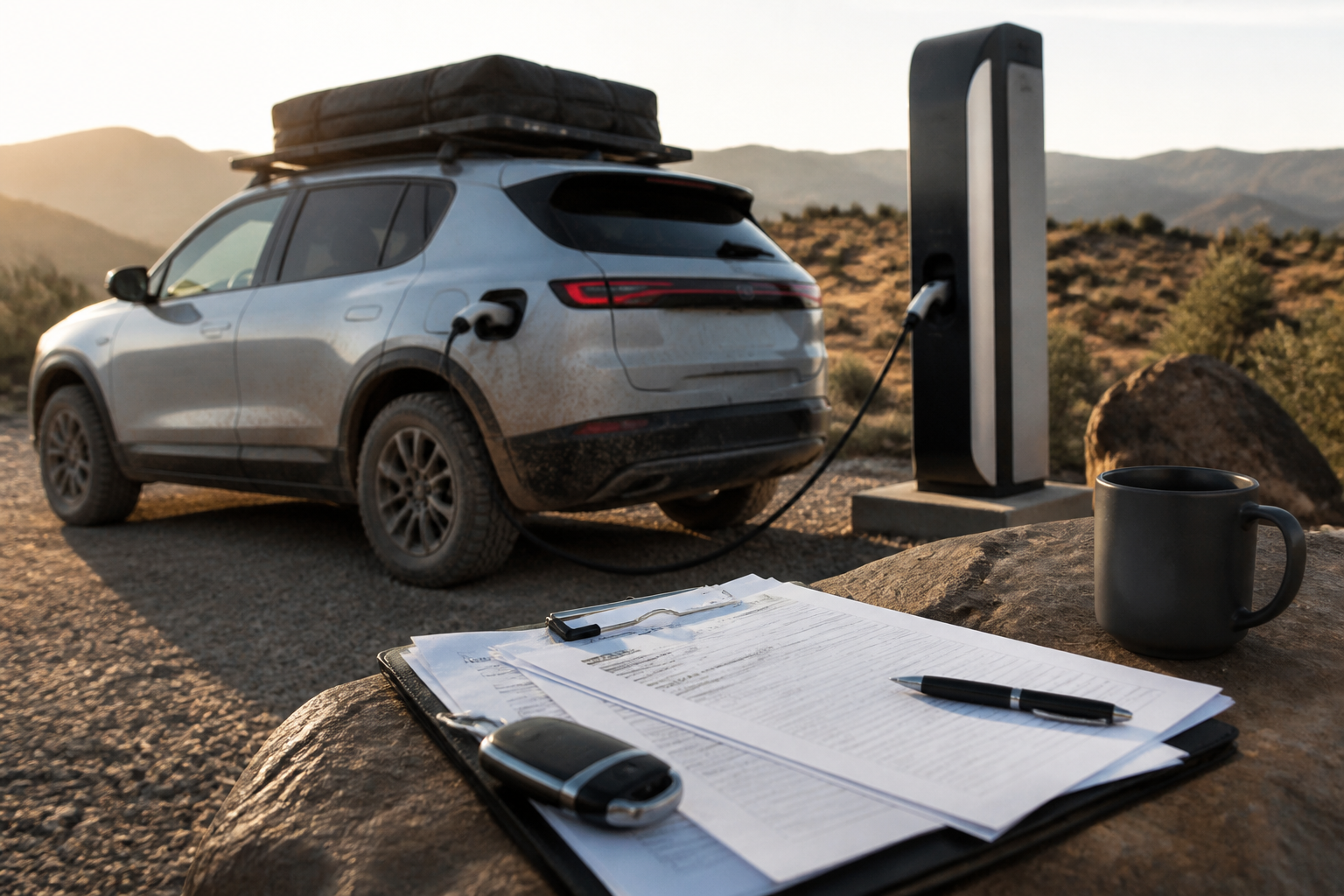
EV Insurance for Off-Roading & Overlanding: Protecting Your Adventure Vehicle
This article will explore specific coverage gaps and endorsements needed for EV owners who use their vehicles for off-road adventures or overlanding, covering potential damages unique to these activities like undercarriage protection, winch damage, and remote recovery. We'll analyze how standard policies fall short and what specialized coverage options exist. Use this checklist to compare premiums, deductibles, repair support, and policy wording before renewal.