EV Home Charging: Unpacking Insurance Liability & Property Damage Risks
As electric vehicles become mainstream, understanding the insurance implications of home charging stations is crucial. This article delves into how your homeowners policy addresses liability and property damage risks, revealing potential coverage gaps you need to know.

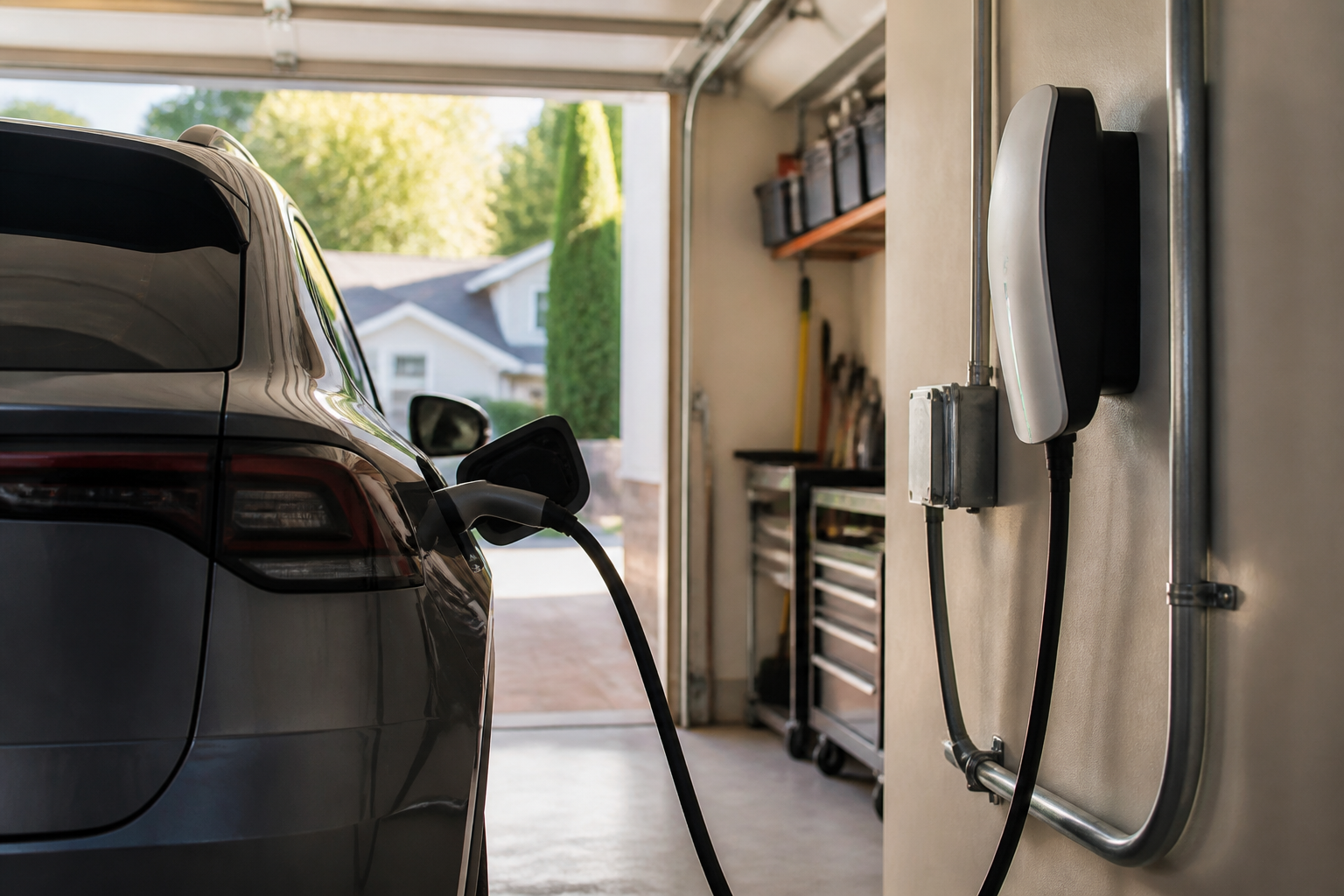
The convenience of charging an electric vehicle (EV) at home is a major draw for many owners, offering flexibility and often lower energy costs. However, installing and using an EV home charging station introduces new considerations for your homeowners insurance policy. While standard policies are designed to cover a broad range of perils, the specific risks associated with electrical equipment and high-voltage charging can sometimes fall into gray areas. This article will demystify how your existing homeowners insurance policy addresses potential liability and property damage related to your EV charging setup, highlighting crucial areas where coverage might be less straightforward than anticipated.
Introduction to EV Home Charging Risks
The proliferation of electric vehicles has led to a significant increase in residential charging infrastructure. Most EV owners opt for Level 2 chargers, which require a 240-volt outlet, similar to those used for electric clothes dryers or ovens. While Level 1 chargers (standard 120-volt) are common, they charge much slower. The installation of a Level 2 charger often involves a dedicated circuit and professional electrical work, integrating a substantial piece of electrical equipment into your home's infrastructure.
This integration, while beneficial, introduces specific risks. The primary concerns revolve around electrical fires, property damage from power surges or faulty equipment, and liability for accidents involving the charging station itself. For example, an improperly installed or maintained charging unit could overheat, leading to a fire. Similarly, if a guest trips over a charging cable or is injured due to an electrical malfunction, the homeowner could face liability claims. Understanding these risks is the first step in ensuring adequate insurance protection.
It's important to differentiate between the vehicle itself and the charging equipment. Your auto insurance policy covers the EV, while your homeowners policy is generally responsible for the charging station and any associated damage or liability on your property. This distinction is vital when assessing your coverage needs and discussing them with your insurance provider.
Standard Homeowners Insurance and EV Charging
A typical homeowners insurance policy is structured to protect your dwelling, personal property, and provide liability coverage. When it comes to an EV charging station, several components of your policy may come into play. The charging station itself, being a fixture permanently attached to your home, is generally considered part of your dwelling coverage. This means that if it's damaged by a covered peril, such as fire, lightning, windstorm, or vandalism, your policy should respond.
However, the extent of this coverage can vary. Some policies might have specific exclusions or limitations for certain types of electrical equipment, or for damage resulting from power surges not directly caused by lightning. It's also worth noting that if the charging station is portable (e.g., a Level 1 charger that plugs into a standard outlet), it might be considered personal property rather than part of the dwelling, potentially affecting the deductible and coverage limits.
The critical element is often the cause of the damage. If a fire starts due to a faulty charging unit, the resulting damage to your home and the unit itself would typically be covered under the dwelling and personal property sections of your policy, assuming fire is a covered peril (which it almost always is). However, if the damage is due to wear and tear, or a manufacturer's defect not leading to a covered peril, the policy might not pay for the repair or replacement of the unit itself.
Liability Concerns and EV Charging Stations
One of the most significant aspects of homeowners insurance is its liability coverage. This protects you financially if someone is injured on your property and you are found legally responsible. With an EV charging station, liability concerns can arise from several scenarios:
- Electrical Shock/Injury: If a guest, visitor, or even a service person suffers an electrical shock or other injury due to a malfunctioning or improperly installed charging station, you could be held liable.
- Tripping Hazards: While less common with wall-mounted Level 2 chargers, an exposed charging cable, especially one running across a driveway or walkway, could present a tripping hazard, leading to injury.
- Fire Damage to Neighboring Property: In the rare event that a fire originating from your charging station spreads to a neighbor's property, your personal liability coverage would typically extend to cover those damages.
Standard homeowners policies usually include a substantial amount of personal liability coverage, often starting at $100,000 to $300,000, with options to increase to $500,000 or even $1,000,000. This coverage would generally respond to legal defense costs and any judgments or settlements arising from such incidents. However, it's crucial to ensure your coverage limits are sufficient given the potential for significant medical and legal expenses.
It's also important to consider your responsibility for maintaining the charging equipment. If an injury occurs due to negligence (e.g., ignoring a known fault or failing to have a professional installation inspected), your liability could be more clearly established. Always adhere to manufacturer guidelines and local electrical codes for installation and ongoing maintenance.
Property Damage Coverage for EV Chargers
When it comes to the physical charging station itself, homeowners insurance typically treats it like other fixtures or appliances within your home. As mentioned, if the charger is permanently installed, it falls under your dwelling coverage. If it's a portable unit, it's likely covered under personal property. The key is understanding what perils are covered.
- Fire: One of the most significant concerns for electrical equipment. If your EV charger causes a fire that damages the unit, your garage, or your home, dwelling coverage would typically apply.
- Lightning: A direct lightning strike causing damage to the charger or associated wiring would generally be covered.
- Vandalism/Theft: If your charging station is vandalized or stolen (especially outdoor units), your policy's dwelling or personal property coverage would likely respond, subject to your deductible.
- Windstorm/Hail: For outdoor charging stations, damage from severe weather events is typically covered.
- Falling Objects: If a tree branch falls and damages an outdoor charging unit, this would usually be covered.
However, there are important caveats. Damage due to mechanical breakdown, wear and tear, or manufacturer defects (that don't lead to a covered peril like fire) are usually excluded. For example, if the charging unit simply stops working due after its warranty expires due to an internal component failure, your homeowners policy would not cover its replacement. Similarly, damage from power surges that are not caused by lightning can sometimes be excluded or have limited coverage, prompting the need for specific endorsements.
The value of the charging station, including installation costs, can range from a few hundred dollars for a basic Level 1 unit to several thousand dollars for advanced Level 2 systems with smart features. Ensure your dwelling or personal property coverage limits are adequate to cover the replacement cost of the unit and any associated repairs to your home's electrical system or structure.
Potential Coverage Gaps and Endorsements
While standard homeowners policies offer a baseline of protection, there are specific scenarios where coverage might be limited or absent, creating potential gaps:
- Power Surge Damage (Non-Lightning): Many standard policies only cover power surge damage if it's caused by lightning. Surges from grid fluctuations, utility work, or internal electrical issues might not be covered. An 'Equipment Breakdown' endorsement or a specific 'Service Line Coverage' endorsement can often fill this gap, protecting against damage to appliances and electrical systems from various power fluctuations.
- Mechanical Breakdown: As noted, if your charger simply fails due to an internal defect or wear and tear, your homeowners policy won't cover it. This is typically a manufacturer's warranty issue.
- Damage to the EV Itself: Your homeowners policy will not cover damage to your electric vehicle while it's charging. That falls under your auto insurance, specifically comprehensive or collision coverage, depending on the cause of damage.
- High-Value Equipment: While most Level 2 chargers fall within typical personal property limits, if you have a particularly expensive or specialized charging setup, you might need to ensure your overall dwelling or personal property limits are sufficient.
- Under-Insured Electrical Upgrades: If installing your EV charger required significant electrical panel upgrades, ensure your dwelling coverage reflects the increased replacement cost of your home's electrical system.
To address these potential gaps, several endorsements (add-ons) to your homeowners policy may be beneficial:
- Equipment Breakdown Coverage: This endorsement typically covers mechanical or electrical breakdowns of home systems and appliances, including your EV charger, that are not otherwise covered by standard perils. It can be particularly useful for power surge damage not caused by lightning.
- Service Line Coverage: This can cover damage to utility lines (including electrical lines) that run from the property line to your home, which could be relevant if issues arise with the dedicated electrical line for your charger.
- Increased Coverage Limits: Simply increasing your overall dwelling and personal property limits can provide a buffer for higher-value installations.
- Personal Umbrella Policy: For significant liability concerns, an umbrella policy provides additional liability coverage above and beyond your homeowners and auto policies, typically offering $1 million or more in extra protection. This is a wise consideration for any homeowner, especially those with assets to protect.
The cost of these endorsements is generally modest, often ranging from $25 to $100 per year, offering significant peace of mind for the protection they provide. It is always best to consult with your insurance agent to understand which endorsements are suitable for your specific situation and policy.
Installation and Maintenance Best Practices
Proper installation and ongoing maintenance are not just about safety; they are also critical from an insurance perspective. Insurers look favorably upon homeowners who take proactive steps to mitigate risks. Conversely, negligence can sometimes complicate claims.
Here are key best practices:
- Professional Installation: Always use a qualified, licensed electrician for Level 2 charger installation. They will ensure the wiring is up to code, the electrical panel can handle the load, and all safety protocols are followed. This is often a requirement for warranty validity and can be a factor in insurance claim assessments.
- Permits and Inspections: Obtain all necessary permits and ensure your installation passes local electrical inspections. This verifies compliance with safety standards and can be important documentation if a claim arises.
- Follow Manufacturer Guidelines: Adhere strictly to the EV charger manufacturer's installation, usage, and maintenance instructions.
- Regular Inspections: Periodically inspect the charging cable, plug, and unit for any signs of wear, damage, or overheating. Address any issues promptly.
- Surge Protection: Consider installing whole-home surge protection in addition to any surge protection built into the charger itself. This can protect not only your charger but all sensitive electronics in your home.
- Clear Pathways: Ensure charging cables do not create tripping hazards, especially in high-traffic areas. Consider cable management solutions.
- Outdoor Charger Protection: If your charger is outdoors, ensure it is rated for outdoor use and protected from the elements as much as possible.
By following these best practices, you not only enhance the safety and longevity of your EV charging setup but also strengthen your position with your insurer, potentially avoiding issues during a claim investigation. Negligence in installation or maintenance could, in extreme cases, lead to a denial of a claim if it's determined that your actions (or inactions) directly caused the damage or injury.
Communicating with Your Insurer
The most crucial step in ensuring adequate coverage for your EV home charging station is proactive communication with your insurance provider. Do not assume your standard policy automatically covers all potential risks. As soon as you decide to install a Level 2 charger, or if you already have one, contact your agent or insurer to discuss it.
When you speak with your insurer, be prepared to provide details such as:
- The type of charger (Level 1, Level 2).
- Whether it's permanently installed or portable.
- The cost of the unit and its installation.
- Whether the installation was done by a licensed electrician and if permits were obtained.
- Its location (garage, outdoor, etc.).
Ask specific questions about:
Document your conversations, including the date, who you spoke with, and what was discussed. If possible, request written confirmation of your coverage. This proactive approach ensures that both you and your insurer are on the same page regarding your EV charging setup, helping to prevent unwelcome surprises in the event of a claim. Being transparent and informed is your best defense against coverage gaps.
Key takeaways
- EV home charging stations are generally covered under homeowners dwelling or personal property for standard perils.
- Personal liability coverage extends to accidents or injuries related to your charging station on your property.
- Potential coverage gaps exist for power surges not caused by lightning and mechanical breakdowns.
- Endorsements like 'Equipment Breakdown' or 'Service Line Coverage' can enhance protection for EV charging stations.
- Professional installation, adherence to codes, and proactive communication with your insurer are crucial for optimal coverage.
Frequently asked questions
Q.Does my homeowners insurance cover my EV charging station?
Generally, a permanently installed EV charging station is considered part of your dwelling and is covered for perils like fire, lightning, and vandalism. Portable chargers may fall under personal property. However, coverage for specific electrical issues or mechanical breakdowns can vary.
Q.What kind of liability risks does an EV charger pose?
Liability risks include injuries from electrical shock due to malfunction, tripping hazards from cables, or property damage to neighbors if a fire originates from your charging station. Your personal liability coverage within your homeowners policy typically addresses these concerns.
Q.Are power surges covered if my EV charger is damaged?
Standard homeowners policies often cover power surge damage only if caused by lightning. Surges from other sources might be excluded. Consider an 'Equipment Breakdown' or 'Service Line Coverage' endorsement to protect against a broader range of power surge incidents.
Q.Do I need to inform my insurance company about my EV charger installation?
Yes, it is highly recommended to inform your insurer about your EV charging station installation. This ensures your coverage is accurate, allows you to discuss potential gaps, and helps you understand if any endorsements are needed to fully protect your investment and mitigate liability.
References
Insurance attorney and policy-wording specialist with 15+ years interpreting auto coverage forms.
Continue reading

What EV Battery Coverage Actually Includes After a Collision: 2026-10-16 Update 1
Explains the difference between collision coverage, comprehensive claims, warranty coverage, and battery degradation exclusions. This is a fresh 2026-10-16 update: focus on what has changed recently, new data points, and current-year guidance — do not repeat the earlier article's coverage. Use this checklist to compare premiums, deductibles, repair support, and policy wording before renewal.
EV Insurance for Modified Suspension & Lift Kits: What's Covered?
Many EV owners customize their vehicles with lift kits or modified suspensions. This article will demystify how such aftermarket modifications impact insurance coverage, claims, and potential policy exclusions, providing clarity for drivers investing in vehicle personalization. Use this checklist to compare premiums, deductibles, repair support, and policy wording before renewal.
EV Insurance for Off-Roading & Overlanding: Protecting Your Adventure Vehicle
This article will explore specific coverage gaps and endorsements needed for EV owners who use their vehicles for off-road adventures or overlanding, covering potential damages unique to these activities like undercarriage protection, winch damage, and remote recovery. We'll analyze how standard policies fall short and what specialized coverage options exist. Use this checklist to compare premiums, deductibles, repair support, and policy wording before renewal.