
Navigating EV Insurance with Less-Than-Perfect Credit: Strategies for Lower Premiums
For many drivers, a less-than-perfect credit score can feel like a roadblock to affordable EV insurance. This in-depth guide reveals the intricate connection between your credit and your premiums, offering actionable strategies to reduce costs and build a stronger financial profile for better rates.

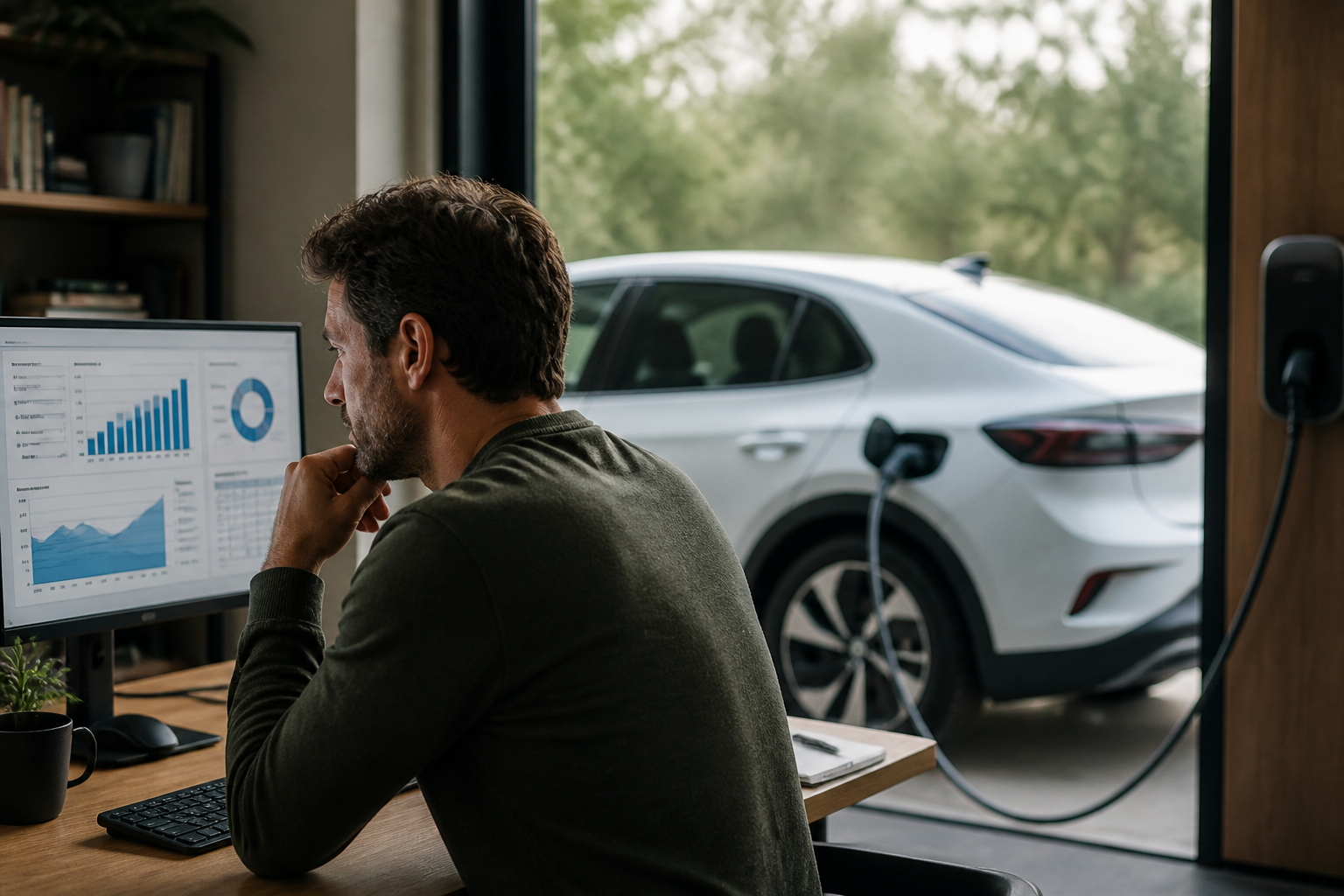
Driving an electric vehicle offers numerous benefits, from reduced emissions to lower fuel costs. However, securing affordable EV insurance can be a hurdle for some, particularly those with a less-than-stellar credit history. In the US market, credit scores play a significant, albeit often misunderstood, role in determining insurance premiums. This article will demystify that connection, providing data-backed strategies for drivers with poor credit to find more affordable EV coverage and outlining steps to improve their insurability for the long term.
The Link Between Credit Scores and Insurance Premiums
It might seem counterintuitive, but your credit score can significantly influence the cost of your auto insurance, including policies for electric vehicles. In many US states (California, Hawaii, and Massachusetts are notable exceptions), insurers use a credit-based insurance score as one of several factors to assess risk. This score is a proprietary calculation derived from information in your credit report, but it's not the same as the FICO score lenders use.
Insurance companies contend that there's a statistical correlation between a driver's credit-based insurance score and the likelihood of them filing a claim. Studies by organizations like the Federal Trade Commission (FTC) have acknowledged this correlation, finding that consumers with lower credit-based insurance scores tend to file more claims and incur higher claim costs. While this correlation is widely accepted within the insurance industry, it's crucial to understand that it's a statistical predictor, not a judgment on your driving ability or financial integrity. It's simply one data point among many that insurers use to price policies.
The impact can be substantial. According to an analysis by Consumer Reports, drivers with poor credit could pay hundreds or even thousands of dollars more annually for car insurance compared to those with excellent credit, all else being equal. For EV owners, where insurance premiums can already be higher due to specialized parts and repair costs, this credit-based surcharge can make affordable coverage even more challenging to attain.
Why Credit Matters for EV Insurance
The underlying rationale for using credit scores in insurance underwriting is risk assessment. Insurers are in the business of predicting future losses. They analyze vast amounts of data to determine how likely a policyholder is to file a claim, how severe that claim might be, and how likely they are to pay their premiums on time. A credit-based insurance score is one tool they employ for this prediction.
For EV insurance specifically, the impact of a credit score is compounded by other factors that already tend to push premiums higher. Electric vehicles often have higher MSRPs than comparable internal combustion engine (ICE) vehicles, leading to higher replacement costs in the event of a total loss. Furthermore, EV technology, including battery packs and advanced driver-assistance systems (ADAS), requires specialized repair techniques and parts, which can increase repair costs. These inherent cost factors mean that any additional risk factor, such as a lower credit-based insurance score, can have a more pronounced effect on the final premium.
Consider these points:
- Higher Vehicle Value: EVs generally cost more to purchase, meaning higher payouts for total loss claims.
- Specialized Repairs: Battery damage, ADAS recalibrations, and EV-specific bodywork require trained technicians and often proprietary parts, increasing repair expenses.
- Technological Complexity: The advanced electronics and software in EVs can contribute to higher repair labor costs.
- Financing Implications: Drivers with lower credit scores often face higher interest rates on EV loans, making the total cost of ownership, including insurance, a more significant burden.
While an excellent credit score might help offset some of the higher inherent costs of insuring an EV, a poor credit score can exacerbate them, making it even more critical for these drivers to employ strategic approaches to find affordable coverage.
Strategies for Lower EV Insurance Premiums with Bad Credit
Even with a less-than-perfect credit score, there are concrete steps you can take to reduce your EV insurance premiums. It requires a proactive approach and a willingness to explore various options.
- Shop Around Extensively: This is perhaps the most crucial step. Different insurers weigh credit scores and other rating factors differently. What one company considers a high risk, another might view more favorably. Obtain quotes from at least 5-7 different carriers, including national providers, regional insurers, and even those specializing in non-standard policies. Online comparison tools can be a good starting point, but don't hesitate to contact agents directly.
- Adjust Coverage Levels Wisely: While you never want to be underinsured, consider what coverage is truly necessary. If your EV is older or fully paid off, you might consider higher deductibles for comprehensive and collision coverage, which can significantly lower premiums. For leased or financed EVs, full coverage is usually mandatory. Discuss minimum state requirements and your personal risk tolerance with an agent.
- Look for EV-Specific Discounts: Many insurers offer discounts tailored to electric vehicles. These can include:
- Green Vehicle Discount: For owning an environmentally friendly car.
- Charging Station Discount: For having a home charging station.
- Advanced Safety Features Discount: For ADAS like automatic emergency braking, lane-keeping assist, and adaptive cruise control, which are standard on many EVs.
- Low Mileage Discount: If you drive your EV less than average, which is common for second vehicles or commuters with short distances.
- Bundle Your Policies: Combining your EV insurance with homeowners, renters, or other insurance policies (e.g., umbrella policy) from the same provider often results in a multi-policy discount, sometimes saving 5% to 25% on total premiums.
- Consider a Higher Deductible: A higher deductible means you pay more out-of-pocket if you file a claim, but it can substantially lower your monthly or annual premium. Ensure you have an emergency fund to cover this deductible if needed.
- Improve Your Driving Record: A clean driving record is paramount. Avoid traffic violations, speeding tickets, and at-fault accidents. Insurers heavily penalize drivers with recent incidents, and a poor credit score combined with a poor driving record will result in extremely high premiums.
- Enroll in Telematics Programs: Many insurers offer usage-based insurance (UBI) or telematics programs, which monitor your driving habits (speed, braking, mileage, time of day). Safe driving can lead to significant discounts, potentially helping to offset the credit score impact.
- Pay Premiums Annually or Semi-Annually: If financially feasible, paying your entire premium upfront or in larger installments can often waive installment fees, saving you a small percentage overall.
- Take a Defensive Driving Course: Some insurers offer a discount for completing an approved defensive driving course, especially for older drivers or those with minor infractions on their record.
- Maintain Continuous Coverage: Lapses in insurance coverage can signal higher risk to insurers and lead to higher premiums. Always strive to maintain continuous coverage, even if switching providers.
Improving Your Credit for Better Rates Over Time
While the immediate strategies above can help mitigate high premiums, the most effective long-term solution for drivers with bad credit is to improve their credit-based insurance score. This isn't an overnight fix, but consistent effort can yield significant savings over time, not just on insurance but across all financial products.
Here are actionable steps to improve your credit:
- Obtain and Review Your Credit Reports: You are entitled to a free copy of your credit report from each of the three major credit bureaus (Equifax, Experian, and TransUnion) annually via AnnualCreditReport.com. Scrutinize these reports for errors or inaccuracies. Disputing and correcting errors can quickly boost your score.
- Pay Bills on Time, Every Time: Payment history is the single most important factor in your credit score. Set up automatic payments or reminders to ensure all bills, including credit cards, loans, and utilities, are paid by their due dates.
- Reduce Credit Card Debt: High credit utilization (the amount of credit you're using compared to your total available credit) negatively impacts your score. Aim to keep your credit utilization below 30%, ideally even lower. Pay down balances, starting with those with the highest interest rates.
- Avoid Opening Too Many New Credit Accounts: Each new credit application results in a hard inquiry on your credit report, which can temporarily lower your score. Only apply for new credit when absolutely necessary.
- Maintain Older Accounts: The length of your credit history contributes to your score. Don't close old credit card accounts, even if you don't use them, as this can reduce your average account age and available credit.
- Diversify Your Credit Mix (Responsibly): Having a mix of credit types (e.g., credit cards, installment loans) can be beneficial, but only if you can manage them responsibly. Don't take on debt you don't need simply to diversify.
- Consider a Secured Credit Card or Credit Builder Loan: If you have very limited credit history or poor credit, a secured credit card (requiring a deposit) or a credit builder loan (designed to help establish credit) can be effective tools for demonstrating responsible financial behavior.
As your credit score improves, revisit your insurance quotes. Insurers typically re-evaluate credit-based insurance scores at renewal, but you can request new quotes earlier if you've made significant improvements.
Smart Shopping for EV Insurance with Bad Credit
When you have a less-than-perfect credit score, the way you approach shopping for EV insurance becomes even more critical. It's not just about finding the lowest price, but about finding the right balance of coverage and affordability that suits your unique situation.
Here’s how to shop smarter:
- Work with Independent Agents: Independent insurance agents work with multiple insurance companies, not just one. They can compare quotes from various carriers and often have access to insurers that specialize in non-standard policies or are more forgiving of lower credit scores. Their expertise can be invaluable in navigating complex underwriting criteria.
- Be Transparent About Your Situation: While you don't need to overshare, being upfront with an agent about your concerns regarding credit and insurance costs can help them tailor recommendations and find suitable options. They are professionals and have experience helping clients with diverse financial backgrounds.
- Understand Your Coverage Needs: Before getting quotes, have a clear idea of the coverage you need. If you have a loan or lease on your EV, comprehensive and collision coverage will be mandatory. Beyond that, consider your personal assets and risk tolerance for liability, uninsured motorist, and medical payments coverage. Don't blindly opt for the cheapest policy if it leaves you underinsured.
- Ask About Payment Plans: Some insurers might offer more flexible payment plans or require a larger upfront payment for drivers with lower credit scores. Inquire about these options and factor them into your budget.
- Review Your Policy Annually: Even if your credit score hasn't dramatically improved, market conditions and insurer pricing models change. Re-shop your EV insurance every year at renewal time. You might find a different carrier offers a better rate, or your current insurer may have new discounts available.
- Consider a Smaller EV: If you are still in the market for an EV, keep insurance costs in mind. Smaller, less powerful, and less luxurious EVs generally have lower insurance premiums than high-performance or premium models. Researching insurance costs for different EV models before purchase can save you money in the long run.
- Leverage Employer or Affinity Group Discounts: Check if your employer, alumni association, professional organization, or any other group you belong to offers discounts on auto insurance. These group rates can sometimes help mitigate higher premiums due to credit.
By combining these smart shopping tactics with the strategies for improving your credit and leveraging available discounts, drivers with less-than-perfect credit can significantly improve their chances of securing affordable and comprehensive EV insurance coverage. It requires persistence and diligence, but the savings can be well worth the effort.
Key takeaways
- Your credit score significantly impacts EV insurance premiums in most US states, often leading to higher costs for those with poor credit.
- EVs inherently have higher insurance costs due to purchase price, specialized parts, and repair complexity, amplifying the effect of a low credit score.
- Proactive strategies like extensive shopping, adjusting coverage, bundling policies, and utilizing EV-specific discounts can help reduce premiums.
- Long-term improvement of your credit score through timely payments, debt reduction, and credit report monitoring is the most effective way to lower insurance costs.
- Working with independent agents and understanding your coverage needs are crucial for smart shopping when seeking EV insurance with less-than-perfect credit.
Frequently asked questions
Q.Can I get EV insurance without a credit check?
In most US states, insurers use credit-based insurance scores as part of their underwriting process. However, California, Hawaii, and Massachusetts prohibit the use of credit scores for setting insurance rates. In other states, while a full credit check may not be performed, insurers will access a credit-based insurance score derived from your credit report.
Q.How much more expensive is EV insurance with bad credit?
The exact difference varies significantly by state, insurer, and individual credit profile. However, studies suggest drivers with poor credit could pay 20% to over 100% more for auto insurance compared to those with excellent credit. This translates to hundreds or even thousands of dollars annually, especially for an EV where base premiums can already be higher.
Q.What is a credit-based insurance score?
A credit-based insurance score is a proprietary numerical rating used by insurance companies to predict the likelihood of a policyholder filing claims and paying premiums on time. It is derived from information in your credit report but is not the same as a FICO or VantageScore used by lenders. It primarily assesses factors like payment history, outstanding debt, length of credit history, and new credit.
Q.Will improving my credit score immediately lower my EV insurance premiums?
Not immediately. Insurers typically re-evaluate credit-based insurance scores at policy renewal. However, if you make significant improvements to your credit, you can request new quotes from your current insurer and other providers before your renewal date to see if you can secure a better rate.
Q.Are there specific EV insurance companies that are better for bad credit?
No single company is universally 'best' for drivers with bad credit, as each insurer has its own underwriting criteria and risk appetite. It's crucial to shop around extensively, comparing quotes from national carriers, regional providers, and even those specializing in non-standard policies. Independent insurance agents can be particularly helpful in finding suitable options.
References
Licensed P&C insurance analyst with 12+ years comparing auto and EV rates across US carriers.
Continue reading

How EV Insurance Discounts Are Changing for Home Charging Drivers: 2026-10-20 Update 3
A practical rate-focused guide to newer discounts tied to telematics, charging habits, and bundled home policies. This is a fresh 2026-10-20 update: focus on what has changed recently, new data points, and current-year guidance — do not repeat the earlier article's coverage. Use this checklist to compare premiums, deductibles, repair support, and policy wording before renewal.
How EV Charging Speed Affects Your Insurance Premiums and Claim Risk
This article will analyze how different charging speeds (Level 1, Level 2, DC Fast Charging) might influence insurance premiums, considering factors like battery wear, fire risk perception, and potential strain on vehicle components. We'll explore current underwriting trends and project future impacts as charging technology evolves. Use this checklist to compare premiums, deductibles, repair support, and policy wording before renewal.
UK EV Insurance Costs by Region: Decoding Premiums Across England, Scotland & Wales
This article will analyze UK-specific EV insurance premium variations by region (England, Scotland, Wales), and delve into factors like urban density, charging infrastructure, and repair network availability that influence costs for British EV drivers. We will provide data-backed insights on which regions typically see higher or lower rates. Use this checklist to compare premiums, deductibles, repair support, and policy wording before renewal.