EV Insurance for Drivers with Disabilities: Adaptive Tech & Coverage Needs
This article will explore how adaptive technologies and vehicle modifications for drivers with disabilities impact EV insurance premiums and coverage, detailing specific endorsements or policy adjustments required. We'll examine the valuation of specialized equipment and potential liability considerations. Use this checklist to compare premiums, deductibles, repair support, and policy wording before renewal.

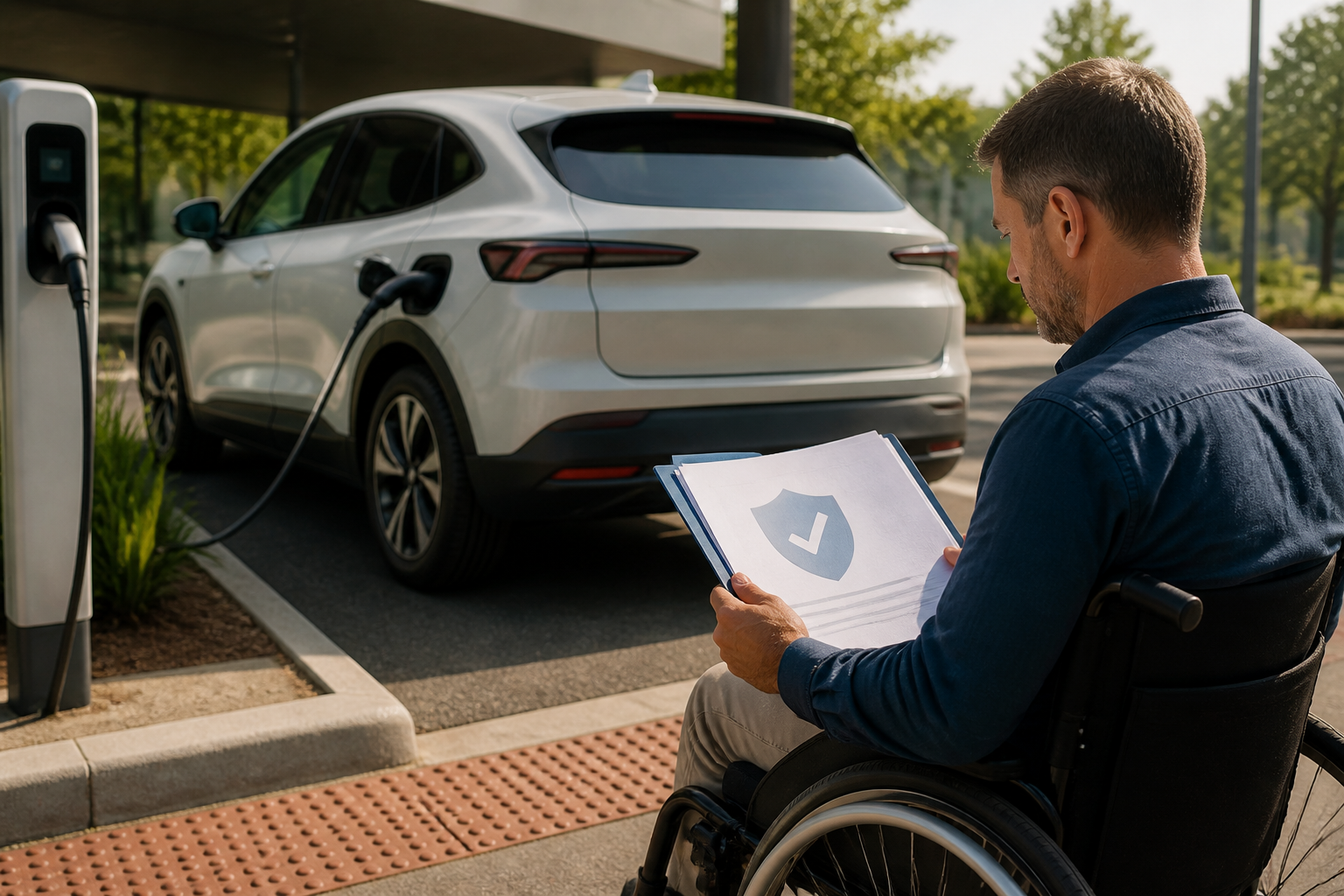
EV Insurance for Drivers with Disabilities: Adaptive Tech & Coverage Needs is no longer a niche question for early adopters. As electric vehicles move into mainstream households and commercial fleets, insurers are pricing a wider set of risk signals: battery repairability, sensor calibration, parts availability, charging behavior, driver-assistance technology, and the cost of keeping a driver mobile during repairs.
Why it matters for EV owners
EV insurance is still auto insurance at its core, but the claim economics can look different from a comparable gasoline vehicle. A minor front-end impact can involve cameras, radar units, bumper sensors, cooling components, and high-voltage safety checks. Even when the battery is not physically damaged, repair shops may need diagnostic time and manufacturer procedures before releasing the vehicle.
That is why ev insurance adaptive technology should be evaluated through both premium and coverage quality. A low quote can be useful, but only if the deductible, replacement-part language, rental reimbursement, roadside support, and claim process fit the way the vehicle is actually used.
What insurers review
Insurers usually combine traditional rating factors with EV-specific claim expectations. Location, driver history, mileage, credit-based insurance score where allowed, liability limits, and prior claims still matter. For EVs, carriers may also weigh trim level, repair-network access, battery size, advanced driver-assistance equipment, and historical severity for the model.
- Repair severity: calibration and diagnostic labor can increase the average claim.
- Parts timelines: longer waits can raise rental and storage costs.
- Battery procedures: high-voltage inspections can add steps even after moderate losses.
- Usage pattern: commuting, rideshare, delivery, or fleet use changes the risk profile.
The practical takeaway is that two EV owners with the same model can still see very different quotes. The best result usually comes from comparing several carriers with the same limits and deductibles rather than focusing only on the advertised monthly premium.
Coverage checklist
Before binding a policy, confirm how the insurer handles OEM parts, glass and sensor recalibration, towing to an EV-qualified repair facility, rental reimbursement limits, and comprehensive losses involving charging equipment. Homeowners should also separate vehicle coverage from homeowners or renters coverage for wall chargers, electrical panels, and liability around premises exposure.
- Set liability limits first, then compare physical damage pricing.
- Match deductibles across quotes so the comparison is fair.
- Ask whether OEM procedures and calibration are covered after a covered loss.
- Check rental reimbursement limits against local EV repair timelines.
- Review exclusions for commercial use, rideshare, or delivery work.
For financed or leased EVs, also review gap coverage and any lender requirements. Rapid depreciation, incentives, and changing used-EV values can affect whether the loan balance and claim settlement align after a total loss.
Quote strategy
EV owners should shop at renewal, after a move, after a major life change, and when adding charging infrastructure or a second vehicle. Telematics programs may help careful low-mileage drivers, but they should be reviewed for privacy, surcharge risk, and whether the program treats regenerative braking or driver-assistance events fairly.
The strongest quote packet includes the VIN, annual mileage estimate, charging location, current declarations page, desired deductibles, driver list, and any safety or anti-theft features. Commercial operators should add driver screening, maintenance records, charging procedures, and route details.
No single insurer is universally best for every EV driver. The right policy is the one that balances price, claim handling, repair access, and coverage language for the specific vehicle and use case.
Key takeaways
- EV premiums reflect both traditional driver factors and EV-specific repair costs.
- Coverage wording matters as much as the monthly premium.
- Use matching limits and deductibles when comparing quotes.
- Repair-network access and rental limits can matter after a claim.
Frequently asked questions
Q.What affects ev insurance adaptive technology?
The biggest factors are driver profile, location, annual mileage, vehicle trim, repair complexity, selected deductibles, and claim history for the model. EV-specific items such as battery diagnostics and sensor calibration can also influence premiums.
Q.Are EVs always more expensive to insure?
Not always. Some EVs cost more because repair severity is higher, while others price close to comparable gas vehicles. Discounts, telematics, garaging location, and the insurer's repair data can change the result.
Q.How often should EV owners compare quotes?
Comparing at every renewal is sensible because EV repair data and insurer appetite are changing quickly. Owners should also shop after moving, changing mileage, adding a driver, or switching vehicle use.
References
Insurance attorney and policy-wording specialist with 15+ years interpreting auto coverage forms.
Continue reading

What EV Battery Coverage Actually Includes After a Collision: 2026-10-16 Update 1
Explains the difference between collision coverage, comprehensive claims, warranty coverage, and battery degradation exclusions. This is a fresh 2026-10-16 update: focus on what has changed recently, new data points, and current-year guidance — do not repeat the earlier article's coverage. Use this checklist to compare premiums, deductibles, repair support, and policy wording before renewal.
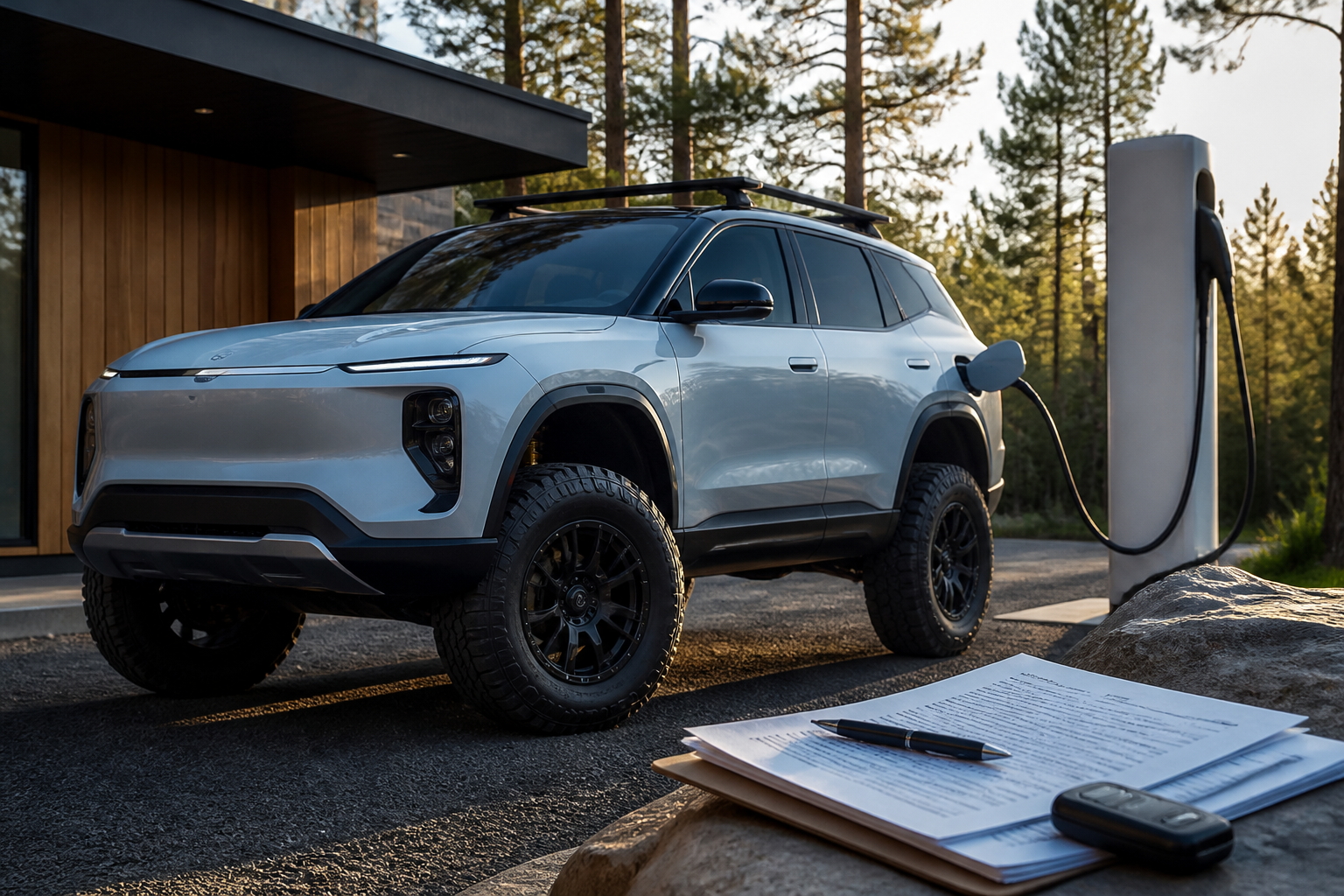
EV Insurance for Modified Suspension & Lift Kits: What's Covered?
Many EV owners customize their vehicles with lift kits or modified suspensions. This article will demystify how such aftermarket modifications impact insurance coverage, claims, and potential policy exclusions, providing clarity for drivers investing in vehicle personalization. Use this checklist to compare premiums, deductibles, repair support, and policy wording before renewal.
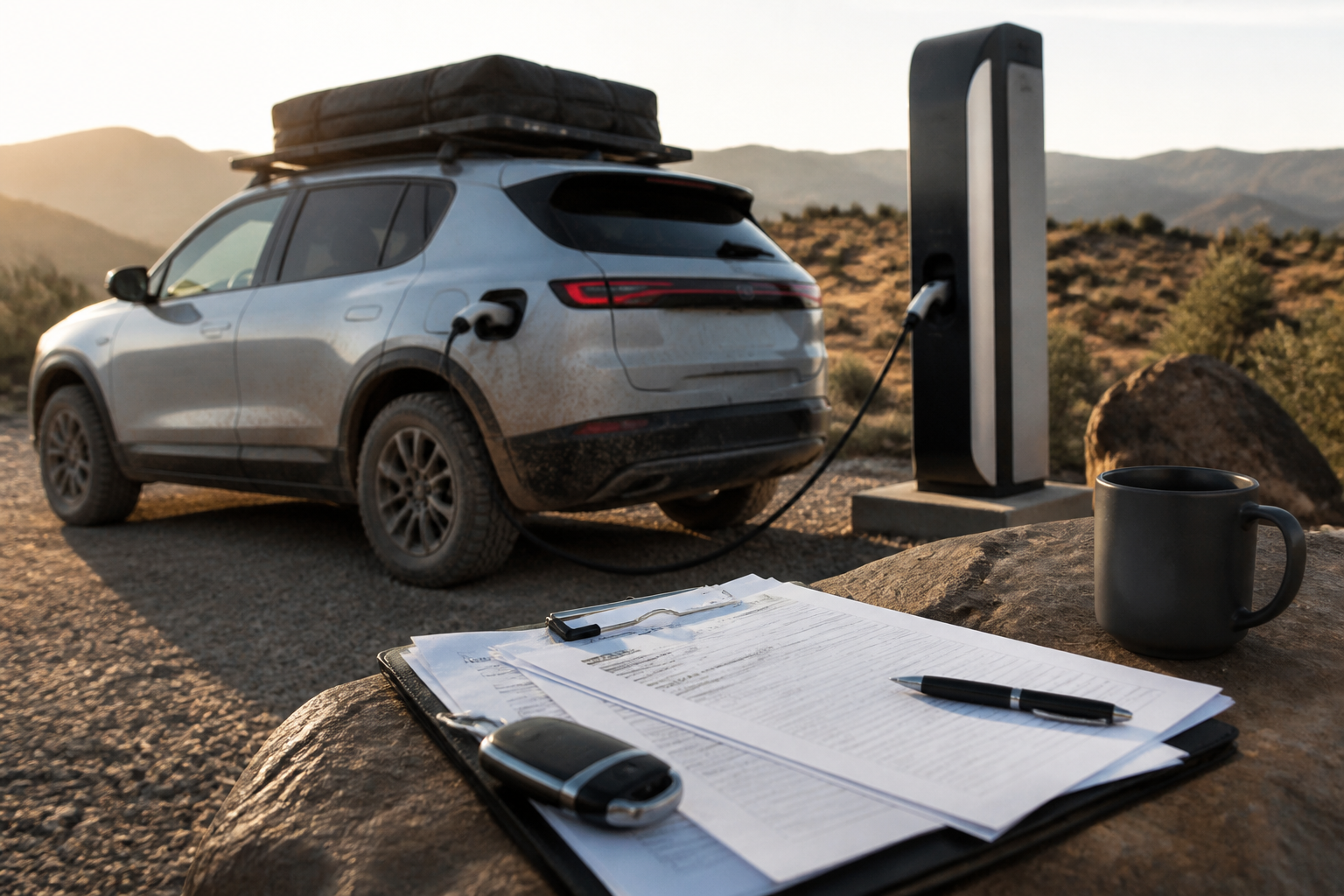
EV Insurance for Off-Roading & Overlanding: Protecting Your Adventure Vehicle
This article will explore specific coverage gaps and endorsements needed for EV owners who use their vehicles for off-road adventures or overlanding, covering potential damages unique to these activities like undercarriage protection, winch damage, and remote recovery. We'll analyze how standard policies fall short and what specialized coverage options exist. Use this checklist to compare premiums, deductibles, repair support, and policy wording before renewal.