
EV Insurance for Homeowners vs. Renters: Unpacking Premium Differences
When insuring an electric vehicle, your living situation—whether you own a home or rent—can subtly influence your insurance premiums. Insurers consider various factors related to property ownership that can affect the perceived risk of insuring your EV.

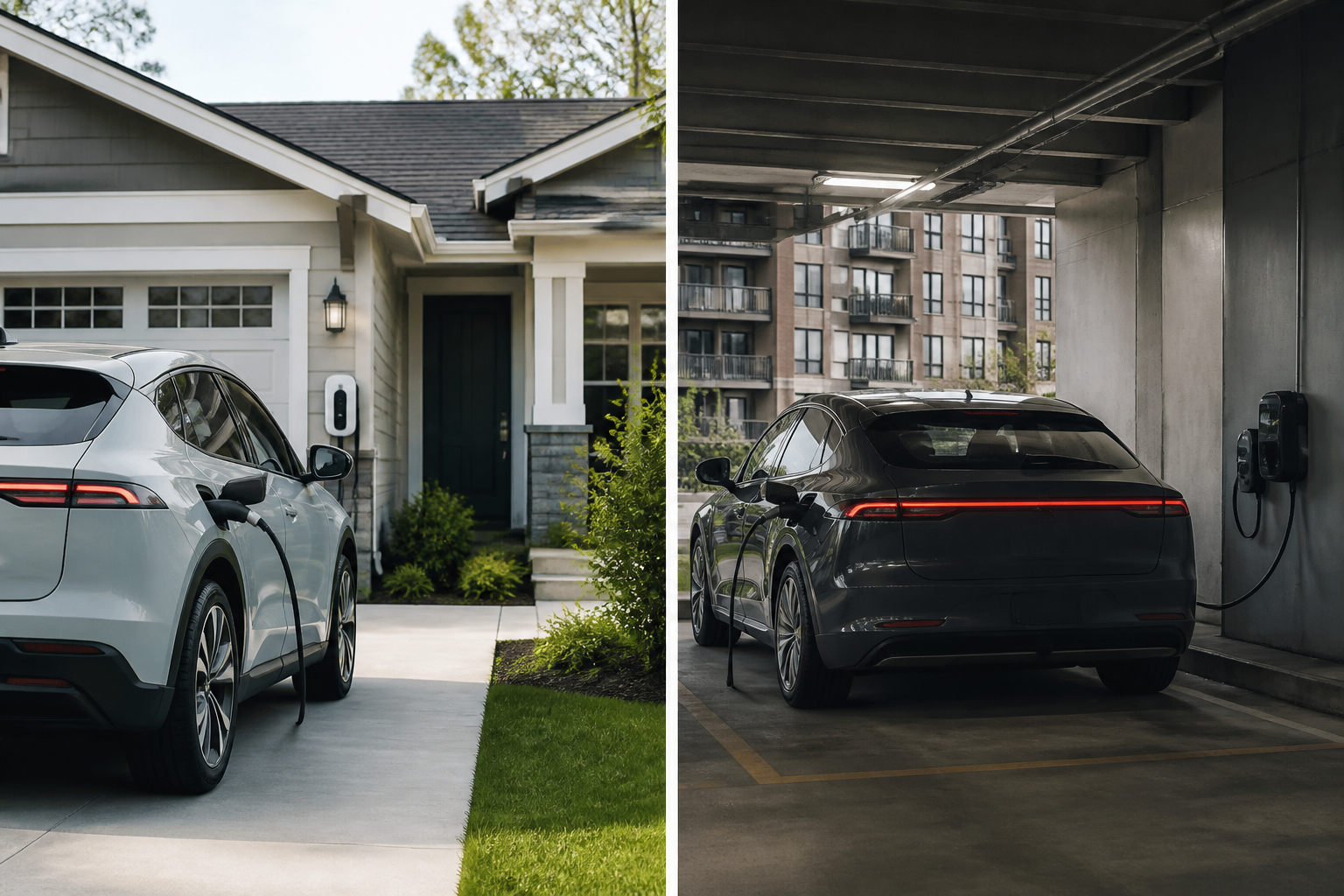
The transition to an electric vehicle (EV) brings a host of new considerations, not least of which is insurance. While factors like the EV's make, model, battery size, and driver history are universally recognized premium determinants, your living situation—specifically whether you own a home or rent—can also play a role. This article delves into how property ownership influences EV insurance premiums, exploring the nuances that differentiate homeowners' and renters' experiences.
Understanding Insurer Perspectives: Homeowners vs. Renters
Insurance companies are in the business of risk assessment. When evaluating an auto insurance policy, particularly for an electric vehicle, they look at a comprehensive profile of the applicant and the vehicle. Property ownership is one such data point that can provide insights into a policyholder's overall stability, financial responsibility, and even the security environment of their vehicle. While not a direct determinant of EV-specific risk, it contributes to the broader underwriting picture.
For homeowners, the perception is often one of greater stability. Owning a home can imply a more permanent residence, potentially in a safer neighborhood, and often comes with a higher credit score, which insurers frequently use as a proxy for responsibility. This perceived stability can sometimes translate into more favorable insurance rates across various policy types, including auto insurance for an EV. Renters, while equally responsible, may be seen as having a higher propensity for relocation, which can introduce minor uncertainties in an insurer's long-term risk modeling.
It's crucial to understand that these are general tendencies and not hard-and-fast rules. An individual's driving record, credit history (where permitted by law), the specific EV model, and geographic location will always be more significant factors than property ownership alone. However, the cumulative effect of these subtle differences can lead to variations in premium quotes between otherwise identical profiles of homeowners and renters.
Garaging and Security: Key Premium Drivers
One of the most tangible ways property ownership impacts EV insurance premiums is through garaging and vehicle security. An EV is a significant investment, and its protection from theft, vandalism, and environmental damage is paramount for insurers.
- Garaged Vehicles: Homeowners are more likely to have access to a private, enclosed garage. Parking an EV in a locked garage significantly reduces the risk of theft and damage from weather or vandalism. Insurers often offer discounts for vehicles consistently garaged overnight, which can range from 5% to 15% of the comprehensive and collision portions of the premium.
- Driveways and Carports: While less secure than a fully enclosed garage, parking on a private driveway or under a carport still offers more protection than street parking. These options are more common for homeowners but can also be available to renters in certain housing types.
- Street Parking: Renters, particularly those in urban apartments or multi-unit dwellings, often rely on street parking. This exposes the EV to a higher risk of theft, vandalism, and minor collisions, which can lead to higher comprehensive and collision premiums.
- Community Garages/Parking Lots: Many apartment complexes offer communal parking garages or lots. The security level of these varies widely, from gated, monitored facilities to open, unsecured lots. Insurers will factor in the reported security features of such parking arrangements.
The type of parking available directly influences the likelihood of a claim related to theft or physical damage to the EV. Given that EV parts, especially batteries and advanced electronics, are often expensive to repair or replace, any factor that mitigates damage risk is highly valued by insurers. Therefore, homeowners with private garages often benefit from lower premiums compared to renters who must consistently park their EV on the street or in less secure communal areas.
Bundling Discounts and Multi-Policy Advantages
Perhaps the most significant financial advantage homeowners have in the insurance landscape is the opportunity for bundling discounts. Insurers actively encourage policyholders to consolidate multiple insurance products with a single provider, as it increases customer retention and overall profitability. For homeowners, this typically means bundling home insurance with auto insurance.
- Home & Auto Bundling: This is the classic bundling scenario. By purchasing both their homeowners' insurance and EV auto insurance from the same carrier, policyholders can often save a substantial percentage on their total premiums, frequently ranging from 10% to 25%. This discount applies to both policies, making the overall cost of insuring an EV more affordable for homeowners.
- Renters Insurance & Auto Bundling: While less impactful than home and auto bundling, renters can also achieve savings by bundling their renters' insurance with their EV auto policy. These discounts are generally smaller, typically in the range of 5% to 15%, but they still represent a valuable opportunity for cost reduction.
- Other Bundling Opportunities: Both homeowners and renters can explore bundling with other insurance products, such as umbrella policies, life insurance, or even recreational vehicle insurance, if applicable. The more policies an individual holds with one carrier, the greater the potential for multi-policy discounts.
For an EV owner, maximizing these bundling opportunities is a smart financial strategy. The higher repair costs associated with EVs mean that any discount that can reduce the overall premium burden is beneficial. Homeowners inherently have a larger 'bundle' to offer insurers, giving them a structural advantage in securing deeper discounts.
Liability and Property Damage Considerations
Beyond the direct impact on the EV itself, property ownership can indirectly influence liability and property damage aspects of insurance. While liability coverage primarily relates to the driver's actions, the environment in which the EV is kept can introduce specific risks.
For homeowners, the presence of a dedicated EV charging station at their residence can be a factor. While the charging station itself is typically covered under homeowners' insurance for property damage, its installation and use can introduce nuanced liability concerns. For example, if a faulty installation causes damage to the home or injury, the homeowners' policy would generally respond, but the auto policy might see a reduced risk of on-road charging incidents if the primary charging occurs safely at home. Conversely, an EV fire, while rare, occurring in a residential garage would involve both home and auto policies, with the homeowner having comprehensive coverage for both.
Renters, on the other hand, often rely on public charging infrastructure or shared charging facilities within their apartment complex. The liability for damage or injury at these locations typically falls on the charging station provider or property owner, not the EV owner's auto insurance. However, the lack of a secure, dedicated charging setup at home might lead insurers to perceive a slightly higher risk of damage while charging in public, though this is a less direct correlation than garaging. The key here is the 'control' over the environment. Homeowners have more control over their property and charging setup, which can subtly reduce perceived risk for certain types of incidents.
Charging Infrastructure and Its Impact
The availability and type of charging infrastructure directly relate to property ownership and can influence EV insurance premiums, albeit indirectly through risk assessment.
Homeowners often have the ability to install a Level 2 (240-volt) home charging station, and increasingly, even DC fast chargers. This provides convenient, secure, and often cheaper charging. From an insurer's perspective, consistent home charging means less exposure to public charging scenarios, which can sometimes involve higher risks of vandalism, theft of charging cables, or minor parking lot accidents. Furthermore, some insurers may offer minor discounts or preferred rates if they know the EV is primarily charged in a secure, private setting, as it suggests a more controlled environment for the vehicle's electrical system.
Renters face greater variability. They might have access to:
- Dedicated parking with charging: Some newer apartment buildings offer this, mirroring the homeowner experience.
- Shared community chargers: These can be Level 2 or occasionally DC fast chargers, but they are communal, potentially increasing exposure to damage or vandalism compared to a private garage.
- Public charging networks: Reliance on public charging means the EV is frequently parked in various locations, some less secure than others, for extended periods. This can subtly increase the risk profile for comprehensive claims.
- No dedicated charging: Some renters might rely solely on Level 1 (120-volt) charging from a standard wall outlet if permitted, or frequent public charging.
While insurers don't typically offer explicit 'home charging' discounts, the underlying security and reduced exposure to public incidents that come with home charging can contribute to a more favorable risk assessment for homeowners. The cost of repairing or replacing a damaged charging port or cable, though usually covered under comprehensive, can be a factor insurers consider in their overall risk modeling for EVs.
Actionable Advice for EV Homeowners
As an EV homeowner, you have several advantages that you should leverage to secure the best possible insurance rates:
- Bundle Your Policies: This is the single most effective strategy. Combine your homeowners' insurance with your EV auto insurance. Shop around with carriers that offer both, as the multi-policy discount can be substantial, often 15-25% off your total premium.
- Highlight Security Features: Inform your insurer about your garage. If you have any additional security measures like alarm systems, surveillance cameras, or gated access, mention these. Some insurers offer specific discounts for enhanced vehicle security.
- Maintain a Good Driving Record: While not specific to homeowners, a clean driving record is paramount for low premiums. Homeowners who demonstrate overall responsibility, including safe driving, often see the best rates.
- Consider Higher Deductibles: If you have a solid emergency fund, opting for a higher deductible on your comprehensive and collision coverage can significantly lower your monthly or annual premiums. Just ensure you can comfortably afford the deductible in case of a claim.
- Review Your Coverage Annually: Your needs and the market change. Annually review your policy to ensure you have adequate coverage without overpaying. Compare quotes from several reputable insurers.
Homeowners are often perceived as lower risk due to their stability and ability to provide a secure environment for their EV. By actively communicating these advantages to your insurer and leveraging bundling options, you can optimize your EV insurance costs.
Actionable Advice for EV Renters
While renters may not have the same bundling opportunities as homeowners, there are still effective strategies to manage and reduce your EV insurance premiums:
- Bundle Renters Insurance with Auto: Even though the discount may be smaller than home and auto bundling, combining your renters' insurance with your EV auto policy can still yield savings, typically 5-15%. It also ensures your personal belongings are protected.
- Report Secure Parking: If your apartment complex offers a gated community, a secure parking garage, or assigned parking, be sure to inform your insurer. These security features can positively impact your rates by reducing theft and damage risk.
- Explore Telematics Programs: Many insurers offer usage-based insurance programs (telematics) that monitor your driving habits. If you are a safe driver, these programs can lead to significant discounts, often up to 30% for good driving behavior, regardless of your living situation.
- Maintain a Strong Credit Score: In many states, credit score is a factor in insurance pricing. A good credit score can signal financial responsibility to insurers, potentially leading to lower premiums.
- Shop Around Aggressively: As a renter, it's even more critical to compare quotes from multiple insurers. Different companies weigh risk factors differently, and one might offer a more competitive rate based on your specific circumstances.
- Consider EV-Specific Discounts: Ask about discounts for EV safety features, low annual mileage, or even participation in EV owner groups. Some insurers are beginning to offer specific incentives for electric vehicle ownership.
Renters should actively seek out every available discount and transparently communicate their vehicle's security measures. While the property ownership factor may introduce a slight difference, a proactive approach to insurance shopping can help bridge any potential premium gap.
Key takeaways
- Property ownership (homeowner vs. renter) can subtly influence EV insurance premiums, primarily through perceived stability and bundling opportunities.
- Homeowners often benefit from more secure garaging options (private garages) which can lead to lower comprehensive and collision premiums for their EV.
- Bundling homeowners' and EV auto insurance is a significant advantage for homeowners, offering substantial multi-policy discounts (10-25%).
- Renters can still achieve savings by bundling renters' insurance with their EV auto policy (5-15%) and by highlighting secure parking arrangements.
- Individual factors like driving record, credit score, and EV model remain the most dominant determinants of insurance premiums for both demographics.
Frequently asked questions
Q.Do homeowners always pay less for EV insurance than renters?
Not necessarily. While homeowners often benefit from bundling discounts and more secure garaging options, individual factors like driving history, credit score, the specific EV model, and geographic location play a much larger role. A safe-driving renter with a good credit score could pay less than a homeowner with a poor driving record.
Q.Can I get a discount for my home EV charging station?
Direct discounts specifically for a home EV charging station are rare. However, charging at home typically means your vehicle is parked in a more secure location (like a garage), which can lead to lower comprehensive and collision premiums. The charging station itself is usually covered under your homeowners' insurance for property damage.
Q.What if my apartment complex has a secure parking garage?
You should absolutely inform your insurer if your EV is parked in a secure, gated, or monitored parking garage. This can significantly reduce the perceived risk of theft and vandalism, potentially leading to lower comprehensive coverage costs compared to street parking.
Q.Is renters insurance worth it just for an EV insurance discount?
Bundling renters insurance with your EV auto policy can provide a discount, typically 5-15%. Beyond the discount, renters insurance protects your personal belongings from theft or damage and provides liability coverage, making it a valuable policy to have regardless of the auto insurance discount.
Q.How much can bundling save me on EV insurance?
Bundling homeowners and EV auto insurance can lead to substantial savings, often ranging from 10% to 25% on your total premiums. For renters, bundling renters insurance with EV auto insurance typically offers discounts between 5% and 15%. The exact savings depend on the insurer and your specific policies.
References
Licensed P&C insurance analyst with 12+ years comparing auto and EV rates across US carriers.
Continue reading

How EV Insurance Discounts Are Changing for Home Charging Drivers: 2026-10-20 Update 3
A practical rate-focused guide to newer discounts tied to telematics, charging habits, and bundled home policies. This is a fresh 2026-10-20 update: focus on what has changed recently, new data points, and current-year guidance — do not repeat the earlier article's coverage. Use this checklist to compare premiums, deductibles, repair support, and policy wording before renewal.
How EV Charging Speed Affects Your Insurance Premiums and Claim Risk
This article will analyze how different charging speeds (Level 1, Level 2, DC Fast Charging) might influence insurance premiums, considering factors like battery wear, fire risk perception, and potential strain on vehicle components. We'll explore current underwriting trends and project future impacts as charging technology evolves. Use this checklist to compare premiums, deductibles, repair support, and policy wording before renewal.
UK EV Insurance Costs by Region: Decoding Premiums Across England, Scotland & Wales
This article will analyze UK-specific EV insurance premium variations by region (England, Scotland, Wales), and delve into factors like urban density, charging infrastructure, and repair network availability that influence costs for British EV drivers. We will provide data-backed insights on which regions typically see higher or lower rates. Use this checklist to compare premiums, deductibles, repair support, and policy wording before renewal.