EV Insurance & Modified Suspensions: What You Need to Know About Coverage for Lift Kits
Customizing your electric vehicle with a modified suspension or lift kit can enhance its aesthetics or off-road capability, but it also introduces complexities for your auto insurance coverage. Understanding how these aftermarket additions affect your policy is crucial to ensure you're adequately protected.

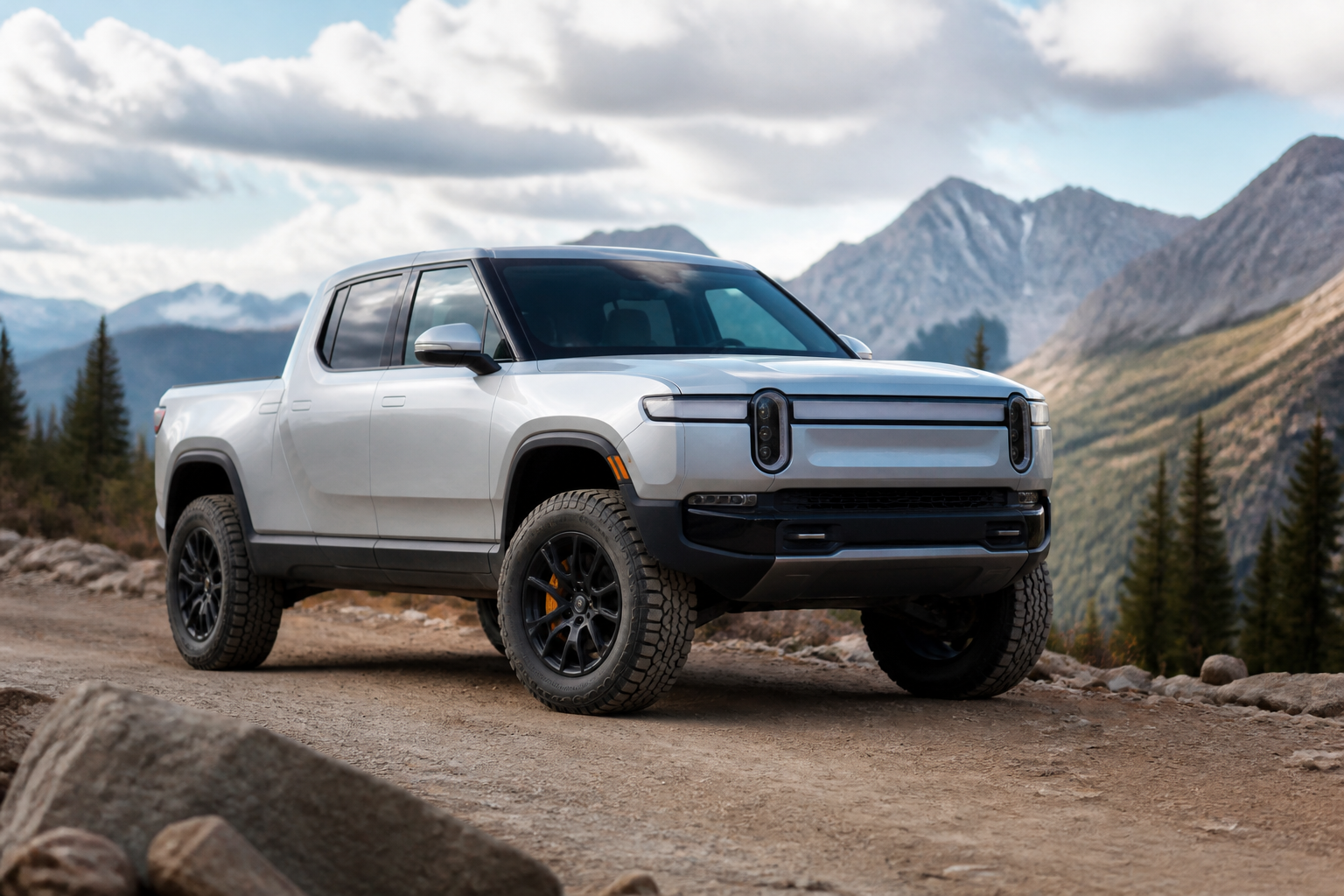
Electric vehicles are no longer just utilitarian machines; they're platforms for personalization, with many owners opting for aftermarket modifications like upgraded suspensions and lift kits. Whether you're enhancing your EV's off-road prowess or simply aiming for a more aggressive stance, these changes have significant implications for your auto insurance. As a Senior Auto Insurance Analyst at EV Insurance Hub, I frequently encounter questions about how such modifications affect coverage. This article will delve into the specifics for the US market, explaining why these changes matter to insurers, the critical importance of disclosure, and how to navigate securing appropriate coverage.
Understanding EV Modifications and Insurance
When you purchase an auto insurance policy, it's typically based on the vehicle's factory specifications. Any alteration to these specifications, particularly those that affect performance, safety, or value, can change the risk profile of your vehicle in the eyes of an insurer. For electric vehicles, this principle holds true, and perhaps even more so given the unique engineering and advanced technology involved.
Suspension modifications and lift kits fall into a category of aftermarket enhancements that insurers pay close attention to. These aren't merely cosmetic; they fundamentally alter the vehicle's dynamics, handling characteristics, and potentially its crashworthiness. An insurer's primary role is to assess and manage risk, and any changes that introduce new or increased risks will inevitably be factored into your policy.
It's important to differentiate between minor cosmetic changes and significant structural or performance modifications. A custom paint job or a new set of wheels might be considered differently than a complete suspension overhaul or a substantial lift kit. The latter can affect aspects like the vehicle's center of gravity, tire wear, braking performance, and even the calibration of Advanced Driver-Assistance Systems (ADAS), which are increasingly prevalent in modern EVs.
Why Modified Suspensions Impact EV Insurance
Insurers evaluate several factors when considering vehicles with modified suspensions or lift kits. These modifications can lead to increased risk in various ways:
- Altered Handling and Stability: Raising a vehicle's center of gravity with a lift kit can reduce its stability, making it more prone to rollovers, especially during sharp turns or evasive maneuvers. This directly increases the risk of accidents.
- Increased Accident Severity: A lifted vehicle may impact other vehicles at different points during a collision, potentially bypassing standard crumple zones or safety features, leading to more severe damage to both vehicles and greater injury risk to occupants.
- Component Stress and Wear: Modified suspensions can place additional stress on other vehicle components, such as axles, driveshafts, and steering mechanisms, potentially leading to premature wear or failure. This could contribute to mechanical breakdowns or accidents.
- Brake Performance: Larger tires often accompany lift kits, which can negatively impact braking distances and overall braking performance if the braking system isn't concomitantly upgraded.
- ADAS Recalibration: Many modern EVs rely on precise sensor calibration for features like automatic emergency braking, lane-keeping assist, and adaptive cruise control. Altering the vehicle's ride height can throw off these calibrations, potentially rendering safety features ineffective or even dangerous. Recalibration can be costly and requires specialized equipment.
- Theft Risk: Highly customized vehicles, particularly those with expensive aftermarket parts, can be more attractive targets for theft.
For these reasons, insurers consider modified suspensions and lift kits to be material changes that directly influence the underwriting process. They need to understand these changes to accurately assess the likelihood and potential cost of future claims.
Disclosure is Non-Negotiable
The single most critical piece of advice for any EV owner with a modified suspension or lift kit is to disclose these modifications to your insurer immediately. Failing to do so can have severe consequences, potentially leading to the denial of a claim or even the cancellation of your policy.
Here's why disclosure is paramount:
- Policy Validity: Insurance contracts are based on the information provided at the time of application. If you withhold information about significant modifications, the insurer may argue that the policy was issued under false pretenses. This can invalidate your coverage.
- Claim Denial: In the event of an accident, if your insurer discovers undisclosed modifications that contributed to the incident or increased the damage, they may deny your claim. This means you would be personally responsible for all repair costs, medical bills, and third-party liabilities, which can amount to hundreds of thousands of dollars.
- Legal Ramifications: In some cases, withholding material information from an insurer could have legal repercussions, though this is less common for simple non-disclosure and more for intentional fraud.
- Peace of Mind: Knowing your modifications are properly covered provides invaluable peace of mind. You won't have to worry about whether your investment in your EV and its customizations is protected.
When you disclose, be prepared to provide detailed information about the modifications, including receipts, installation documentation, and potentially photos. Some insurers may require an appraisal of the custom parts to determine their value for coverage purposes. It's always best to have this conversation with your insurer before the modifications are made, if possible, to understand their stance and any potential impact on your policy.
Types of Coverage for Modified EVs
Standard auto insurance policies typically offer limited coverage for aftermarket modifications. Here's how different types of coverage might apply:
- Collision and Comprehensive Coverage: These are the coverages that would pay for damage to your own vehicle. Standard policies might only cover a small amount for custom parts, perhaps a few hundred or a couple of thousand dollars, if anything at all beyond factory-installed equipment. For significant modifications like a lift kit and associated components, this standard coverage is almost certainly insufficient.
- Custom Parts and Equipment (CPE) Coverage / Accessory Coverage: This is the specific add-on you'll need. It's designed to cover aftermarket parts, equipment, and modifications that are permanently installed in or on your vehicle. The coverage limit can vary widely, from $2,500 to $10,000 or more, depending on the insurer and the value of your modifications. You'll need to work with your insurer to determine an appropriate limit based on the cost of your suspension system, lift kit, larger tires, and any other related enhancements.
- Liability Coverage: Your liability coverage (bodily injury and property damage) generally remains intact, as it covers damage you cause to others. However, if your modifications are deemed to have contributed to an accident due to negligence (e.g., improperly installed lift kit, unsafe handling), an insurer might still look closely at the circumstances.
- Uninsured/Underinsured Motorist Coverage: This also typically remains unaffected, covering you if an at-fault driver doesn't have sufficient insurance.
It's crucial to understand that even with CPE coverage, there might be specific exclusions. For example, some policies might not cover modifications that violate state laws or significantly impair vehicle safety. Always read your policy documents carefully and discuss any concerns with your agent.
Potential Impact on Premiums
Disclosing your modified suspension or lift kit will almost certainly affect your insurance premiums. The extent of this impact depends on several factors:
- Insurer's Underwriting Guidelines: Different insurance companies have varying appetites for risk. Some may be more amenable to insuring modified vehicles than others.
- Type and Extent of Modification: A minor leveling kit will likely have less impact than a substantial 6-inch lift with oversized tires. The more significant the alteration to the vehicle's factory specifications and dynamics, the higher the perceived risk.
- Added Value of Modifications: The cost of the custom parts themselves will increase the amount the insurer would have to pay out in a total loss scenario, thus increasing premiums. A high-end adjustable air suspension system might cost $5,000 to $15,000+, while a basic lift kit could range from $500 to $3,000.
- Vehicle Type: Insuring a modified EV, especially a heavy electric truck like a Rivian R1T or Ford F-150 Lightning, might incur different premium adjustments compared to a smaller EV crossover.
- Driver's History: A clean driving record can help mitigate some of the premium increases associated with modifications.
Generally, you can expect an increase in your premium ranging from 5% to 25% or more, depending on the factors above, once custom parts and equipment coverage is added and the risk assessed. The additional cost for CPE coverage itself might be anywhere from $50 to $300 annually for limits between $2,500 and $10,000. This is a broad estimate, and actual costs will vary significantly by carrier, location, and the specific value of your modifications. Some insurers may even decline to offer coverage for certain extreme modifications, forcing you to seek out specialty insurers.
Finding Coverage for Your Modified EV
Not all standard insurers are equally equipped or willing to cover heavily modified vehicles. Here's a strategy for finding appropriate coverage:
- Start with Your Current Insurer: Your first step should always be to contact your existing insurance provider. Explain your planned or completed modifications and ask about their policy on custom parts and equipment coverage. They might offer it as an endorsement to your current policy.
- Shop Around: If your current insurer cannot or will not provide adequate coverage, or if their rates are prohibitive, it's time to shop around. Be upfront about your modifications when getting quotes.
- Consider Specialty Insurers: There are insurance companies that specialize in covering classic cars, custom vehicles, and high-performance modifications. These insurers often have a deeper understanding of the risks involved and may offer more tailored policies, though they might come at a higher premium. Examples include Hagerty, Grundy, or companies that partner with custom car associations.
- Work with an Independent Agent: An independent insurance agent can be a valuable resource. They work with multiple insurance companies and can help you find providers that are more amenable to insuring modified EVs. They can also explain the nuances of different policies and help you compare options.
When comparing quotes, don't just look at the premium. Pay close attention to the specific coverage limits for custom parts, any exclusions related to modifications, and the claims process for such items. Ensure the policy explicitly covers the full replacement value of your modified suspension and lift kit components.
Documentation and Ongoing Management
Once you've secured coverage for your modified EV, maintaining thorough documentation is key. This will be invaluable in the event of a claim.
- Keep Detailed Records: Maintain a file with all receipts for your suspension parts, lift kit, installation costs, and any related accessories (e.g., larger tires, alignment services).
- Photographic Evidence: Take clear, dated photographs of your vehicle before and after the modifications. Capture close-ups of the installed components.
- Appraisal: For very expensive modifications, consider getting an independent appraisal to establish their value. This can strengthen your claim if there's a dispute over the value of the custom parts.
- Review Policy Annually: Your insurance needs can change. Review your policy annually with your agent to ensure your coverage limits for custom parts are still adequate, especially if you've added more modifications or if the value of existing parts has changed.
- Understand State Laws: Be aware of any state or local regulations regarding vehicle modifications, especially lift kits. Some states have maximum height limits or require specific safety equipment for lifted vehicles. Violating these laws could impact your insurance coverage or lead to fines.
Navigating EV insurance for modified suspensions and lift kits requires proactive engagement with your insurer and a clear understanding of your policy. While the process may seem complex, the peace of mind that comes with knowing your investment is protected is well worth the effort. Always prioritize safety and legal compliance alongside your customization goals.
Key takeaways
- Always disclose any suspension modifications or lift kits to your EV insurer to avoid claim denials.
- Standard EV insurance policies offer limited or no coverage for aftermarket parts; you'll need 'Custom Parts and Equipment' (CPE) coverage.
- Modified suspensions and lift kits alter vehicle dynamics, increasing perceived risk for insurers and likely impacting premiums.
- Be prepared for potential premium increases, typically ranging from 5% to 25% or more, depending on modification extent and insurer.
- Document all modifications with receipts and photos, and consider specialty insurers or independent agents for comprehensive coverage.
Frequently asked questions
Q.Will a lift kit void my EV's warranty?
A lift kit generally won't void your entire EV's warranty, but it can void the warranty on specific components directly affected by the modification, such as suspension parts, driveline components, or wheel bearings. It's crucial to check with your EV manufacturer for their specific policy on aftermarket modifications before proceeding.
Q.Can I get insurance for an EV with extreme modifications?
For extreme modifications that significantly alter the vehicle's safety or performance beyond typical aftermarket enhancements, standard insurers may decline coverage. In such cases, you might need to seek out specialty insurance providers who cater to highly customized vehicles, which often comes with higher premiums and specific underwriting requirements.
Q.What happens if I don't tell my insurer about my EV's modified suspension?
If you fail to disclose a modified suspension or lift kit and then file a claim, your insurer may deny the claim, arguing that the policy was based on inaccurate information. This could leave you responsible for all damages, medical bills, and liabilities. In severe cases, your policy could even be canceled.
Q.Does my EV's ADAS system still work correctly after a lift kit installation?
Lift kits can significantly impact the calibration and functionality of your EV's Advanced Driver-Assistance Systems (ADAS). Sensors for features like automatic emergency braking, lane-keeping assist, and adaptive cruise control are precisely calibrated to the vehicle's factory ride height. Any alteration can cause these systems to malfunction or become ineffective, potentially creating new safety risks.
Q.How much extra will insurance cost for a modified EV suspension?
The additional cost varies widely based on the extent of the modification, the value of the custom parts, your insurer, and your driving record. You can generally expect an increase in your premium, potentially ranging from 5% to 25% or more, plus the cost of specific 'Custom Parts and Equipment' coverage, which might add $50-$300 annually for typical limits.
References
Insurance attorney and policy-wording specialist with 15+ years interpreting auto coverage forms.
Continue reading

What EV Battery Coverage Actually Includes After a Collision: 2026-10-16 Update 1
Explains the difference between collision coverage, comprehensive claims, warranty coverage, and battery degradation exclusions. This is a fresh 2026-10-16 update: focus on what has changed recently, new data points, and current-year guidance — do not repeat the earlier article's coverage. Use this checklist to compare premiums, deductibles, repair support, and policy wording before renewal.
EV Insurance for Modified Suspension & Lift Kits: What's Covered?
Many EV owners customize their vehicles with lift kits or modified suspensions. This article will demystify how such aftermarket modifications impact insurance coverage, claims, and potential policy exclusions, providing clarity for drivers investing in vehicle personalization. Use this checklist to compare premiums, deductibles, repair support, and policy wording before renewal.
EV Insurance for Off-Roading & Overlanding: Protecting Your Adventure Vehicle
This article will explore specific coverage gaps and endorsements needed for EV owners who use their vehicles for off-road adventures or overlanding, covering potential damages unique to these activities like undercarriage protection, winch damage, and remote recovery. We'll analyze how standard policies fall short and what specialized coverage options exist. Use this checklist to compare premiums, deductibles, repair support, and policy wording before renewal.