
Decoding EV Insurance Costs for Polestar, Cupra Born, and Smart #1: A European Market Analysis
As European electric vehicle brands like Polestar, Cupra Born, and Smart #1 gain traction, understanding their insurance costs is crucial for prospective owners. This analysis delves into the factors driving premiums for these newer models across key global markets.

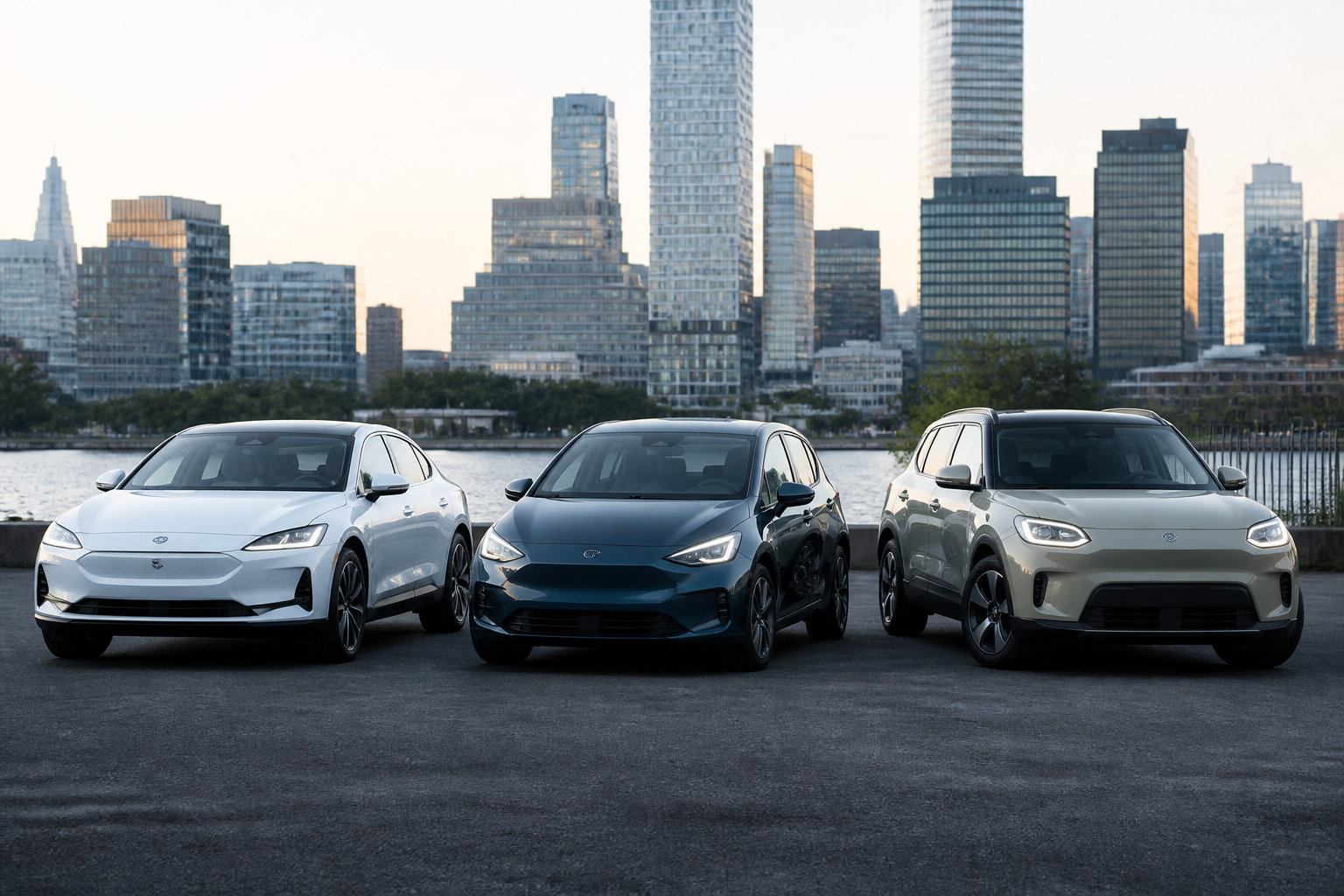
The electric vehicle (EV) market is rapidly expanding, with an increasing number of manufacturers introducing compelling new models. While established players like Tesla and Nissan have long been on the road, a new wave of European brands is making significant inroads. Polestar, Cupra Born, and the Smart #1 represent this fresh influx, offering unique designs, advanced technology, and competitive performance. However, for prospective owners, understanding the insurance implications of these newer, less common models is paramount. As a Senior Auto Insurance Analyst at EV Insurance Hub, my goal is to provide a data-led, fact-checked analysis of what drives insurance costs for these specific vehicles across the US, UK, and EU markets.
Introduction to Emerging European EVs
The automotive industry is undergoing a profound transformation, with electric vehicles at its core. While many consumers are familiar with EVs from legacy manufacturers or early pioneers, the landscape is now enriched by innovative brands pushing the boundaries of design and technology. Polestar, a performance-oriented electric brand spun off from Volvo, has quickly established itself with models like the Polestar 2, known for its minimalist Scandinavian design and robust performance. Cupra, SEAT's high-performance sub-brand, has introduced the Born, a sporty hatchback built on Volkswagen Group's MEB platform, targeting a younger, more dynamic audience. Smart, traditionally known for its compact city cars, has reinvented itself with the #1, a compact SUV developed in collaboration with Geely, signaling a move towards larger, more versatile electric offerings.
These vehicles, while distinct in their market positioning and features, share a common thread: they are relatively new to the broader market, particularly outside their immediate regions of origin. This 'newness' often translates into unique considerations when it comes to insurance. Insurers rely heavily on historical data, repair costs, and parts availability to accurately price policies. For models without extensive claims histories or established repair networks, premiums can sometimes be less predictable or higher initially. Our analysis will delve into how these factors specifically impact the Polestar, Cupra Born, and Smart #1, providing clarity for consumers navigating this evolving market.
The Insurance Landscape for Newer Models
Insurance premiums for any vehicle are a complex calculation, influenced by a multitude of factors. For newer EV models, particularly those from brands still building their market presence, several considerations come to the forefront. One primary factor is the availability of historical claims data. Insurers use vast datasets to assess risk, including accident frequency, theft rates, and average repair costs for specific makes and models. When a vehicle is new to the market, such comprehensive data is often limited, leading insurers to adopt a more conservative approach to pricing.
Another critical element is the repair infrastructure and parts supply chain. EVs, by their nature, incorporate advanced technology, including high-voltage battery systems, sophisticated sensors for Advanced Driver-Assistance Systems (ADAS), and complex software. Repairing these components requires specialized training, equipment, and often proprietary parts. For brands like Polestar, Cupra, and Smart, which may have fewer authorized service centers or a less extensive parts distribution network compared to long-established marques, repair times can be longer and costs higher. This directly impacts the 'cost of repair' component of an insurance premium.
Here are key factors insurers consider for newer EV models:
- Limited Claims Data: Less historical data on accident frequency, severity, and repair costs.
- Specialized Repair Skills: Need for technicians trained in high-voltage systems and EV-specific diagnostics.
- Proprietary Parts: Reliance on manufacturer-specific parts, which can be more expensive and have longer lead times.
- ADAS Technology: High cost of repairing or recalibrating sophisticated sensors and cameras.
- Battery Replacement Cost: The significant expense associated with replacing or repairing the high-voltage battery pack after a severe collision.
- Theft Risk: While EVs are not inherently more prone to theft, specific models or their components might attract thieves, especially if parts are in high demand or easily resold.
These elements collectively contribute to the initial premium calculations for vehicles like the Polestar, Cupra Born, and Smart #1. As these models mature in the market, and more data becomes available, premiums may stabilize or even decrease, assuming a favorable claims experience and improved repair efficiencies.
Polestar Insurance Cost Analysis
Polestar, particularly with its flagship Polestar 2, has carved out a niche as a premium, performance-oriented EV. Its insurance profile often reflects this positioning. In the US, average annual insurance premiums for a Polestar 2 can range from $1,800 to $2,800, depending heavily on the driver's profile, location, and chosen coverage limits. In the UK, owners might expect to pay between £1,000 and £1,800 annually, while in key EU markets like Germany or France, premiums could range from €1,200 to €2,500.
Several factors contribute to these figures. The Polestar 2's powerful electric drivetrain and rapid acceleration place it in a higher performance category, which insurers often associate with a greater likelihood of claims or more severe accidents. Its advanced technology, including its Google Android Automotive OS infotainment system and comprehensive suite of ADAS features, means that repair costs for even minor incidents involving sensors or screens can be substantial. Furthermore, being a relatively new brand with a growing but not yet ubiquitous service network, parts availability and specialized repair expertise can influence repair times and costs.
Polestar's construction, featuring high-strength steel and aluminum, is designed for safety but can also lead to more complex and costly repairs after an impact. The vehicle's theft rates are generally low, which is a positive factor, but its overall premium positioning aligns with other luxury or high-performance EVs. Drivers with clean records and higher deductibles may find premiums closer to the lower end of these ranges, while younger drivers or those in high-risk urban areas might face the upper end.
Cupra Born Insurance Cost Analysis
The Cupra Born, positioned as a sporty and stylish electric hatchback, targets a slightly different demographic than Polestar. Built on the Volkswagen Group's MEB platform, it shares components with other popular EVs like the VW ID.3 and Skoda Enyaq. This platform sharing can be a double-edged sword for insurance. On one hand, it can benefit from a wider availability of parts and a more established repair network for common components compared to a bespoke platform. On the other hand, its sporty branding and performance characteristics might push premiums higher.
For the Cupra Born, average annual insurance costs in the UK typically fall between £800 and £1,500. In the EU, particularly in countries like Spain (where Cupra originates) or Italy, premiums could range from €900 to €2,000. As the Born is not widely available in the US market yet, direct comparisons are difficult, but if it were introduced, its premiums would likely align with other compact performance EVs, potentially in the $1,500 to $2,500 range annually.
The Born's performance capabilities, while not as extreme as some higher-end EVs, are still a factor. Its advanced safety features, while reducing the likelihood of accidents, can be expensive to repair or recalibrate post-collision. The vehicle's design and target audience, often younger drivers, can also influence risk profiles. However, the shared MEB platform could potentially lead to more competitive parts pricing and repair efficiency over time, as the ecosystem for these components matures across the Volkswagen Group's vast network. This could mitigate some of the 'new model' premium inflation seen with more unique platforms.
Smart #1 Insurance Cost Analysis
The Smart #1 marks a significant departure for the Smart brand, evolving from ultra-compact city cars to a compact electric SUV. Developed in partnership with Geely, it represents a new chapter for the brand with a focus on interior space, technology, and a more mainstream appeal. This shift in vehicle type and manufacturing partnership has implications for its insurance profile.
Given its relatively recent launch, especially in markets beyond China, comprehensive insurance data is still emerging. However, based on its classification as a compact SUV and its technology suite, we can project ranges. In the UK, annual premiums for the Smart #1 might be in the range of £900 to £1,600. For EU markets, particularly those where Smart has a stronger presence, expect to see figures between €1,000 and €2,200. Should the Smart #1 enter the US market, its insurance costs could be estimated between $1,600 and $2,600 annually, comparable to other compact electric SUVs.
The Smart #1's insurance costs will be influenced by its status as a new model from a brand undergoing a significant transformation. While Smart cars traditionally had lower premiums due to their small size and urban-centric use, the #1's larger footprint and more advanced features will likely push premiums higher. Its technology, including advanced driver-assistance systems and a large central touchscreen, contributes to potential repair costs. The availability of parts and the service network, particularly for a vehicle born from a new joint venture, will be a key determinant. As with any new model, the initial lack of extensive claims data may lead to more conservative pricing by insurers. However, its positioning as a practical, family-friendly compact SUV could eventually lead to more favorable rates compared to high-performance EVs, assuming a positive claims experience.
Key Factors Influencing Premiums
Beyond the specific models, several overarching factors consistently influence EV insurance premiums, particularly for newer entrants. Understanding these can empower consumers to make more informed decisions.
- Vehicle Value and Repair Costs: EVs, including Polestar, Cupra Born, and Smart #1, often have higher purchase prices than comparable internal combustion engine (ICE) vehicles. This higher value directly translates to higher replacement costs for insurers in the event of a total loss. More critically, the cost of repairing EVs can be significantly higher due to specialized components like battery packs, electric motors, and complex ADAS sensors. A minor fender-bender might necessitate recalibrating multiple sensors, a process that can be costly and require specialized equipment.
- Parts Availability and Supply Chain: For newer models or brands, the supply chain for replacement parts may not be as robust as for established vehicles. Delays in receiving parts, especially for proprietary components, can lead to extended repair times, increasing costs for rental cars (covered by insurance) and administrative overhead for insurers. This is particularly relevant for brands like Polestar and Smart #1 as they scale their global operations.
- Repair Infrastructure and Expertise: As mentioned, EV repairs require specialized training. Not all body shops are equipped or certified to handle high-voltage systems or complex EV diagnostics. A limited network of qualified repair facilities can drive up labor costs and extend repair durations, directly impacting insurance claims.
- Performance Characteristics: EVs often boast impressive acceleration. While thrilling for drivers, insurers may view higher performance as an increased risk factor for accidents, especially for models like the Polestar 2 and Cupra Born.
- Theft Rates: While EVs are generally not high-theft targets compared to some luxury ICE vehicles, specific components (e.g., charging cables, infotainment systems) could be. Insurers assess theft risk based on historical data and vehicle security features.
- Driver Demographics and Location: Individual driver factors such as age, driving history, credit score (in the US), and location (urban vs. rural, high-crime vs. low-crime areas) play a significant role. These factors are universal but combine with vehicle-specific risks to determine the final premium.
As the market matures and more data becomes available, we anticipate these factors will stabilize, potentially leading to more predictable and competitive insurance rates for these emerging European EVs. However, for now, their unique profiles warrant careful consideration.
Strategies for Managing EV Insurance Costs
While the insurance landscape for newer EVs can present challenges, there are proactive steps owners and prospective buyers can take to manage their premiums. Understanding these strategies can help mitigate the impact of the factors discussed previously.
Firstly, shop around extensively. Insurance rates can vary significantly between providers, especially for newer or less common EV models. Do not settle for the first quote you receive. Utilize online comparison tools and consider working with an independent insurance broker who can access multiple carriers. This is particularly important in the US and UK markets where competition is fierce. In the EU, while some markets have less carrier diversity, comparing offers remains crucial.
Secondly, consider increasing your deductible. A higher deductible means you pay more out-of-pocket in the event of a claim, but it almost always results in a lower annual premium. Ensure you choose a deductible amount you are comfortable paying should an incident occur. For a Polestar, Cupra Born, or Smart #1, where repair costs can be higher, a higher deductible might be a strategic choice if you have emergency savings.
Thirdly, inquire about EV-specific discounts. Many insurers now offer incentives for electric vehicle ownership, which can include discounts for:
- Eco-friendly vehicles.
- Advanced safety features (which all three models possess).
- Installing a home charging station.
- Telematics programs (usage-based insurance) that monitor driving habits.
Always ask your insurer about all available discounts, as they can collectively make a significant difference. Bundling your auto insurance with home or renters insurance from the same provider can also yield substantial savings.
Fourthly, maintain a clean driving record. This is the most fundamental and impactful strategy. Avoiding accidents and traffic violations will keep your premiums lower over time, regardless of the vehicle you drive. For performance-oriented EVs like the Polestar and Cupra Born, a clean record is even more critical as insurers already factor in the higher performance risk.
Finally, consider the level of coverage. While comprehensive and collision coverage is almost always recommended for newer, higher-value EVs, you may be able to adjust other aspects, such as rental car reimbursement limits or roadside assistance, to find a balance between cost and protection. Regularly review your policy to ensure it still meets your needs and budget. As these European EV brands become more established, their insurance profiles will evolve, and staying proactive with your insurance choices will be key to managing costs effectively.
Key takeaways
- New European EVs like Polestar, Cupra Born, and Smart #1 often face higher initial insurance premiums due to limited claims data and specialized repair requirements.
- Repair costs are significantly influenced by proprietary parts, advanced ADAS technology, and the need for specialized EV-trained technicians.
- Polestar models generally command premiums aligning with luxury/performance EVs, while Cupra Born may benefit from platform sharing efficiencies.
- Smart #1's insurance profile reflects its new compact SUV status, moving away from traditional Smart car low premiums.
- Proactive strategies like shopping around, increasing deductibles, and leveraging EV-specific discounts are crucial for managing costs.
Frequently asked questions
Q.Are Polestar, Cupra Born, and Smart #1 more expensive to insure than established EVs?
Generally, yes, initially. Newer models from emerging brands often have higher premiums due to limited historical claims data, specialized repair needs, and potentially higher parts costs. As more data becomes available and repair networks mature, these costs may stabilize.
Q.What specifically makes repairing these new European EVs costly for insurers?
Repair costs are driven by several factors: the high cost of proprietary parts, the need for specialized training and equipment for EV-specific components (like battery packs and ADAS sensors), and potentially longer repair times due to nascent supply chains or fewer authorized service centers.
Q.Can I get discounts on insurance for a Polestar, Cupra Born, or Smart #1?
Yes, many insurers offer discounts for EVs, such as eco-friendly vehicle discounts, those for advanced safety features, and sometimes for home charging installations. Bundling policies and participating in telematics programs can also reduce premiums.
Q.How does the Polestar 2's performance affect its insurance costs?
The Polestar 2's powerful electric drivetrain and rapid acceleration typically place it in a higher performance category. Insurers often associate higher performance with an increased risk of claims or more severe accidents, which can contribute to higher premiums compared to less powerful EVs.
Q.Is the Cupra Born's shared platform (MEB) beneficial for insurance costs?
Potentially, yes. Sharing the MEB platform with other high-volume EVs like the VW ID.3 can lead to a wider availability of common parts and a more established repair network. This could help mitigate some of the 'new model' premium inflation by improving repair efficiency and parts pricing over time.
References
Automotive journalist with 10+ years road-testing EVs and tracking model-by-model ownership costs.
Continue reading

Tesla Model Y Insurance Costs: What Owners Should Compare at Renewal: 2026-10-18 Update 1
Model-specific renewal checklist covering trim, location, repair networks, and driver-assistance assumptions. This is a fresh 2026-10-18 update: focus on what has changed recently, new data points, and current-year guidance — do not repeat the earlier article's coverage. Use this checklist to compare premiums, deductibles, repair support, and policy wording before renewal.

Tesla Model Y Insurance Costs: What Owners Should Compare at Renewal: 2026-10-17 Update 2
Model-specific renewal checklist covering trim, location, repair networks, and driver-assistance assumptions. This is a fresh 2026-10-17 update: focus on what has changed recently, new data points, and current-year guidance — do not repeat the earlier article's coverage. Use this checklist to compare premiums, deductibles, repair support, and policy wording before renewal.

Tesla Model Y Insurance Costs: What Owners Should Compare at Renewal: 2026-10-16 Update 3
Model-specific renewal checklist covering trim, location, repair networks, and driver-assistance assumptions. This is a fresh 2026-10-16 update: focus on what has changed recently, new data points, and current-year guidance — do not repeat the earlier article's coverage. Use this checklist to compare premiums, deductibles, repair support, and policy wording before renewal.