
Navigating EV Insurance in Rural America: Addressing Range, Charging, and Repair Challenges
For electric vehicle owners in rural areas, the insurance landscape presents unique considerations. This article delves into how factors like charging infrastructure, range anxiety, and access to specialized repair shops influence EV insurance premiums outside of urban centers.

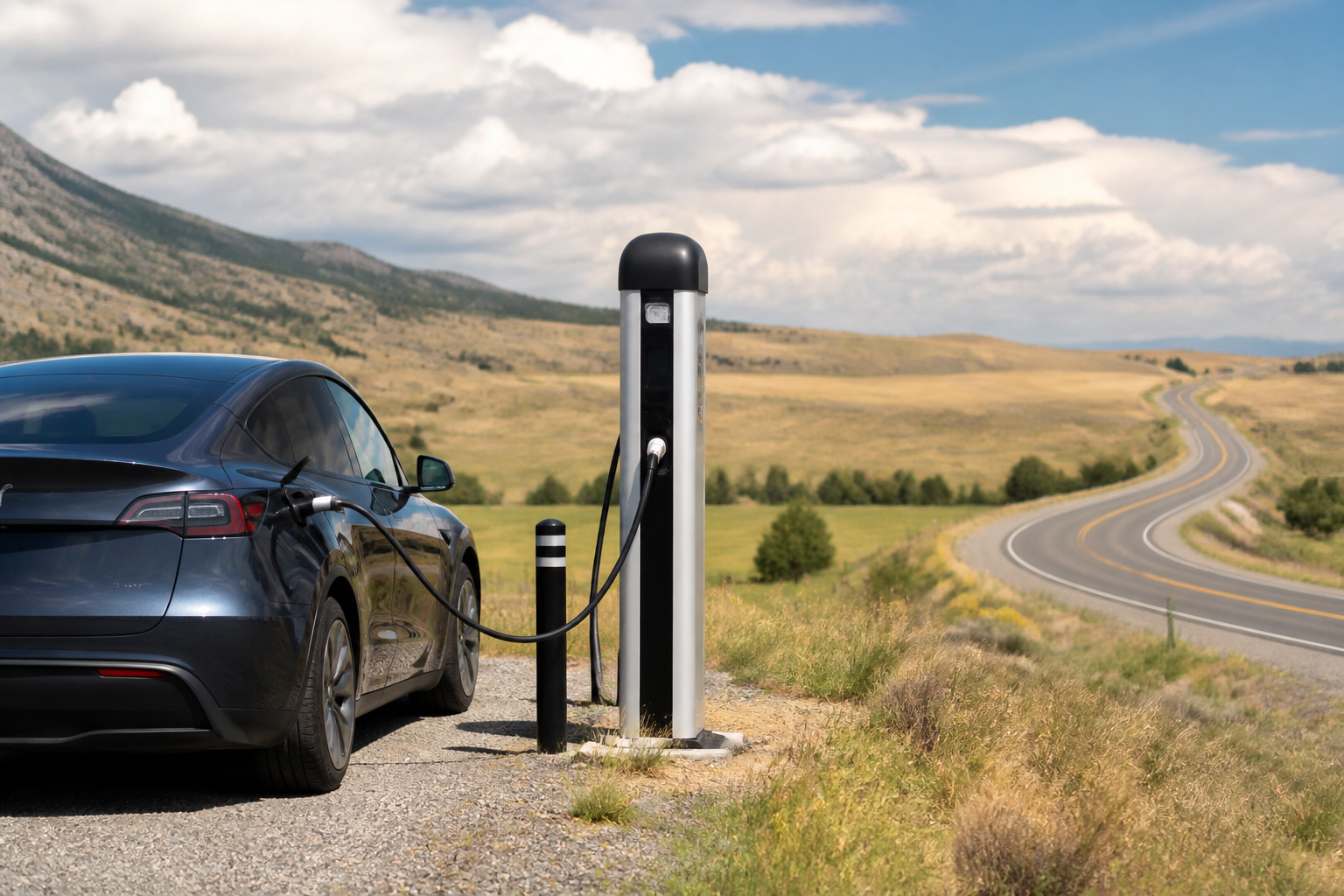
As electric vehicles (EVs) gain popularity across the United States, their adoption in rural areas presents a distinct set of challenges and opportunities. For rural drivers, the decision to go electric involves weighing factors such as charging availability, driving distances, and access to maintenance. These practical considerations inevitably intersect with the world of insurance, raising questions about how living outside major metropolitan areas might impact EV insurance premiums. As a Senior Auto Insurance Analyst at EV Insurance Hub, I’ve observed a growing interest in understanding these nuances. This article will delve into how insurers assess risk for EV owners in rural settings, examining the influence of charging infrastructure, potential range anxiety, and the logistics of specialized EV repairs.
The Rural EV Landscape: Insurance Considerations
The transition to electric vehicles is often envisioned as a primarily urban phenomenon, driven by dense populations, shorter commutes, and readily available charging. However, rural America is also embracing EVs, albeit with a different set of priorities and challenges. For many rural residents, an EV offers benefits like lower fuel costs, reduced emissions, and quieter operation, particularly for agricultural or local transportation needs. Yet, the infrastructure and service networks that support EVs are often less developed in these areas.
From an insurance perspective, location is always a critical underwriting factor. Urban areas typically see higher premiums due to increased traffic density, higher rates of theft and vandalism, and greater accident frequency. Rural areas, conversely, often benefit from lower population density and reduced traffic congestion, which can translate to lower overall auto insurance rates. However, EVs introduce new variables into this equation. The core components of an EV – particularly the battery and advanced electronics – are expensive to repair or replace, regardless of location. The specialized nature of these repairs means that access to qualified technicians and parts can become a significant concern in areas far from major service centers.
Insurers assess risk based on a multitude of factors, and for EVs in rural settings, these include: the vehicle's value, the cost and availability of parts, the complexity of repairs, and the likelihood of incidents. While rural driving might reduce certain risks, the unique aspects of EV technology can introduce new ones that insurers are still quantifying. The interplay between traditional geographic risk factors and EV-specific considerations is what shapes the insurance landscape for rural EV owners.
Charging Infrastructure and Its Insurance Implications
One of the most prominent concerns for rural EV drivers is the availability and reliability of charging infrastructure. While home charging is often the primary solution, long-distance travel or unexpected needs necessitate access to public charging. In many rural areas, public Level 2 and DC fast charging stations are sparse, often located in town centers or along major highways, which might still be a considerable distance for some residents.
How does this impact insurance? Insurers typically do not directly factor the proximity of charging stations into individual premium calculations. However, the broader implications of limited charging can indirectly influence risk. For instance, if a driver consistently pushes the limits of their EV's range due to lack of charging options, it could theoretically increase the risk of being stranded. While being stranded due to a depleted battery is not typically a covered peril in itself (unless it leads to an accident), the resulting need for towing or emergency services can be costly. Some roadside assistance coverages might include battery top-ups or towing to the nearest charging station, but these are often add-ons.
Furthermore, the development of charging infrastructure itself can be subject to different risks in rural vs. urban environments. For example, charging stations in remote locations might be more susceptible to vandalism or theft of charging cables, though this is a relatively low-frequency event. Insurers are more focused on the risks associated with the vehicle operation itself. The lack of charging could influence driving habits, such as:
- Longer drive times to find charging: Potentially increasing exposure to road hazards.
- Greater reliance on home charging: While convenient, improper home charging setup can pose fire risks, though these are typically covered under homeowners' insurance.
- Reduced spontaneous travel: Which might paradoxically lower overall mileage and thus accident exposure, though this is not a direct underwriting factor related to charging.
The U.S. Department of Energy's Alternative Fuels Data Center indicates significant disparities in charging infrastructure density, with metropolitan areas having a far greater concentration of stations than rural counties. While federal and state initiatives are working to bridge this gap, the current reality is that rural EV owners must plan their charging more diligently. Insurers, while not explicitly penalizing for lack of charging, are aware that these logistical challenges can influence how and where an EV is driven, which in turn feeds into their overall risk models.
Range Anxiety: A Factor in Risk Assessment?
Range anxiety – the fear of running out of battery charge before reaching a destination or charging point – is a well-documented psychological barrier to EV adoption. For rural drivers, with potentially longer distances between towns and fewer charging options, this anxiety can be particularly pronounced. But does range anxiety translate into a measurable insurance risk that impacts premiums?
Directly, no. Insurers do not have a line item for 'range anxiety' on your policy. However, the behaviors associated with it could theoretically influence risk. For example, a driver experiencing severe range anxiety might:
- Drive more conservatively: This could lead to fewer accidents, potentially lowering risk.
- Take unusual routes: To find charging, potentially exposing them to unfamiliar or less safe roads.
- Experience stress or distraction: Which could increase accident risk, though this is difficult for an insurer to quantify or attribute solely to range anxiety.
- Carry portable charging solutions: Some of which might pose their own safety or fire risks if not used correctly.
The primary way range anxiety might indirectly affect insurance is through its influence on mileage and vehicle usage. If a rural EV owner limits their driving significantly due due to range concerns, their annual mileage might decrease. Lower annual mileage is a common factor that can lead to lower insurance premiums, as it reduces the overall exposure to risk. According to the Insurance Information Institute, annual mileage is a standard variable in premium calculations, with drivers covering fewer miles generally paying less.
Modern EVs, with ranges often exceeding 250-300 miles on a single charge, are significantly mitigating range anxiety for many. However, factors like extreme weather (which can reduce battery efficiency), towing, or carrying heavy loads can still impact real-world range. Insurers are more concerned with the actual driving behavior and accident history, rather than the psychological state of the driver. If a driver's range anxiety leads to prudent driving and fewer claims, it will ultimately benefit their insurance profile. If it leads to erratic driving or frequent roadside assistance calls, it could indirectly impact their perceived risk.
Specialized Repairs and Parts: The Rural Dilemma
Perhaps the most significant factor affecting EV insurance for rural drivers is the availability of specialized repair facilities and parts. EVs, particularly newer models, often require specific diagnostic tools, training, and equipment for repairs. The high-voltage battery system, electric motors, and advanced driver-assistance systems (ADAS) are complex and not every body shop or mechanic is equipped to handle them.
In rural areas, access to certified EV repair shops can be severely limited. This means that if an EV is involved in an accident, even a minor one, it might need to be towed a considerable distance to a major metropolitan area for repairs. This extended towing distance increases costs, and the longer repair times due to specialized parts or technician availability can also lead to higher costs for rental car coverage.
Insurers are keenly aware of these logistical challenges. The cost of repairs for EVs is generally higher than for comparable gasoline-powered vehicles, primarily due to:
- High-cost components: Especially the battery pack, which can be 30-50% of the vehicle's total value.
- Specialized tools and training: Requiring significant investment from repair shops.
- Limited parts availability: Some EV-specific parts may have longer lead times.
- Complexity of ADAS calibration: Modern EVs are equipped with numerous sensors and cameras that require precise recalibration after even minor bodywork.
For rural EV owners, the impact of these factors can be exacerbated. A longer tow increases the claim payout. A longer repair time increases the cost of a rental car, which is often covered under comprehensive or collision policies. These accumulated costs contribute to higher loss ratios for insurers, which can then be reflected in higher premiums for vehicles in areas where these challenges are more prevalent. While insurers don't explicitly charge a 'rural repair surcharge,' the underlying claims data from areas with limited repair access will inevitably inform their pricing models.
Underwriting Factors Insurers Consider
When calculating EV insurance premiums, particularly for rural residents, insurers weigh a combination of general and EV-specific factors. It's not a single variable but a complex interplay that determines your rate. Here's a breakdown of key considerations:
- Vehicle Make, Model, and Year: Newer, more expensive EVs with advanced technology often have higher premiums due to higher repair costs and replacement value. The specific model's safety ratings and claim history also play a role.
- Driver's Age, Driving Record, and Claims History: Younger drivers, those with traffic violations, or a history of accidents will typically pay more, regardless of vehicle type or location.
- Annual Mileage: Less driving generally equates to lower risk and thus lower premiums. Rural drivers might have higher or lower mileage depending on their commute and access to local amenities.
- Garaging Location: While rural areas generally have lower theft and vandalism rates than urban centers, the specific zip code still matters. Some rural areas might have higher deer-related accident rates, for example, which insurers factor in.
- Coverage Levels and Deductibles: Higher liability limits, lower deductibles, and additional coverages (like roadside assistance, rental reimbursement, or new car replacement) will increase premiums.
- Cost of Parts and Labor for EVs: As discussed, EV-specific components are expensive, and specialized labor is required. This is a universal factor but can be amplified by repair logistics in rural areas.
- Availability of EV Repair Facilities: Insurers use aggregated claims data. If claims from a particular region show consistently higher repair costs or longer repair times due to limited EV-certified shops, this can influence rates for that region.
- Battery Replacement Cost: The battery is the most expensive component of an EV. While battery fires are rare, their potential severity and replacement cost are significant factors for insurers.
- Telematics Data (if opted in): Usage-based insurance programs can offer discounts for safe driving habits, which can be particularly beneficial for careful rural drivers.
LexisNexis Risk Solutions has highlighted that EVs tend to have higher claim frequencies for property damage and bodily injury compared to internal combustion engine (ICE) vehicles, and their repair costs are often higher. While these trends are national, their impact can be felt differently in rural areas where the support infrastructure is less robust. Insurers are constantly refining their models as more data becomes available on EV performance and repair costs in diverse geographic settings.
Strategies for Rural EV Owners to Reduce Premiums
Despite the unique challenges, rural EV owners are not without options when it comes to managing their insurance costs. Several strategies can help mitigate the impact of living in an area with less EV infrastructure:
- Shop Around Extensively: This is arguably the most crucial step for any insurance shopper, but especially for EV owners in rural areas. Different insurers have varying underwriting models and risk appetites. Some might be more experienced with EV risks or have a broader network of preferred repair shops. Get quotes from at least 3-5 different providers, including both national carriers and smaller regional ones.
- Choose an EV with Good Safety Ratings: Vehicles with high safety ratings from organizations like the IIHS (Insurance Institute for Highway Safety) or NHTSA (National Highway Traffic Safety Administration) often qualify for lower premiums due to reduced injury and damage claims.
- Maintain a Clean Driving Record: This is a universal truth in insurance. A history free of accidents and moving violations is the single most effective way to keep premiums low.
- Consider Higher Deductibles: Increasing your deductible for comprehensive and collision coverage will lower your premium. However, ensure you can comfortably afford to pay the deductible out-of-pocket if you need to file a claim.
- Bundle Policies: Combining your auto insurance with homeowners' or renters' insurance with the same carrier can often result in significant multi-policy discounts, sometimes 10-20% or more.
- Inquire About EV-Specific Discounts: Some insurers offer discounts for EVs, green vehicles, or for specific safety features common in EVs (e.g., adaptive cruise control, lane-keeping assist).
- Utilize Telematics/Usage-Based Insurance: If you are a safe and low-mileage driver, opting into a telematics program (where your driving behavior is monitored via an app or device) can lead to substantial discounts. This can be particularly beneficial for rural drivers who might have fewer daily miles.
- Install a Home Charging Station Safely: While not directly impacting auto insurance, ensuring professional installation of your Level 2 home charger can prevent electrical issues that could lead to property damage, which would be covered by your homeowners' policy.
- Review Coverage Annually: Your insurance needs and the market change over time. Reviewing your policy annually ensures you have appropriate coverage at the best possible price.
By proactively addressing these areas, rural EV owners can often find competitive insurance rates, even with the unique considerations of their geographic location.
The Future of EV Insurance in Rural Settings
The landscape for EV insurance in rural areas is dynamic and evolving. As EV adoption continues to grow, so too will the supporting infrastructure and services. Several trends indicate a positive outlook for rural EV owners:
- Expanding Charging Networks: Government initiatives, such as the National Electric Vehicle Infrastructure (NEVI) Formula Program, are specifically targeting gaps in charging infrastructure, including rural corridors. As more charging stations become available, range anxiety will diminish, and the logistical challenges for drivers will lessen.
- Growth of Mobile EV Repair Services: The increasing complexity of EVs is spurring the development of mobile repair services that can address minor issues or provide diagnostic support on-site, reducing the need for long-distance towing.
- Increased Technician Training: Automotive technician training programs are rapidly incorporating EV-specific diagnostics and repair into their curricula. Over time, this will lead to a wider availability of qualified mechanics, even in less populated areas.
- Data-Driven Underwriting: As insurers accumulate more data on EV claims in rural environments, their underwriting models will become more precise. This could lead to more tailored and potentially fairer pricing, rather than broad assumptions based on urban EV data.
- Standardization of Parts and Repair Procedures: The EV industry is still relatively young. As it matures, there will likely be greater standardization of parts and repair procedures, which could help reduce repair costs and increase efficiency.
While the initial transition might present some hurdles, the long-term trend suggests that the unique challenges faced by rural EV owners will gradually diminish. Insurers will adapt their offerings to reflect these improvements, potentially leading to more competitive rates and specialized policies that cater to the specific needs of drivers in less densely populated regions. The key for rural EV owners will be to stay informed, leverage available resources, and continue to prioritize safe driving practices.
Key takeaways
- Rural EV insurance premiums are influenced by a complex interplay of general location-based risk factors and EV-specific considerations.
- Limited charging infrastructure does not directly increase premiums, but indirect effects like potential for longer towing or altered driving habits can impact risk profiles.
- Access to specialized EV repair facilities is a significant factor, as longer towing distances and higher repair costs in rural areas can contribute to increased claim payouts.
- Insurers consider a range of factors, including vehicle type, driver history, mileage, and the overall cost of EV parts and labor, when underwriting policies for rural EV owners.
- Rural EV owners can mitigate insurance costs by shopping around, maintaining a clean driving record, bundling policies, and exploring telematics programs.
Frequently asked questions
Q.Do rural areas have higher EV insurance premiums?
Not necessarily. While EV repair costs can be higher due to specialized parts and limited repair facilities, rural areas often benefit from lower traffic density and reduced theft rates, which can offset some of these costs. Premiums are determined by a blend of factors, and location is just one piece of the puzzle.
Q.Does limited charging infrastructure increase my EV insurance cost?
Insurers do not directly factor in the proximity of charging stations to your home. However, the indirect effects, such as potential for longer towing distances if stranded or changes in driving habits due to range concerns, can influence overall risk assessments and, consequently, premiums.
Q.Will I pay more for EV repairs in a rural area?
Potentially, yes. Limited access to EV-certified repair shops in rural areas can necessitate longer towing distances to specialized facilities, increasing towing costs. Additionally, the specialized nature of EV repairs and potential for longer wait times for parts or technicians can drive up the overall cost of a claim, which insurers consider.
Q.Can I get discounts on my EV insurance if I live in a rural area?
Yes, many standard discounts still apply. You can often save by maintaining a clean driving record, bundling policies, choosing higher deductibles, and utilizing telematics programs if you're a safe driver. Some insurers also offer specific discounts for owning an EV or for certain safety features common in electric vehicles.
References
Licensed P&C insurance analyst with 12+ years comparing auto and EV rates across US carriers.
Continue reading

How EV Insurance Discounts Are Changing for Home Charging Drivers: 2026-10-20 Update 3
A practical rate-focused guide to newer discounts tied to telematics, charging habits, and bundled home policies. This is a fresh 2026-10-20 update: focus on what has changed recently, new data points, and current-year guidance — do not repeat the earlier article's coverage. Use this checklist to compare premiums, deductibles, repair support, and policy wording before renewal.
How EV Charging Speed Affects Your Insurance Premiums and Claim Risk
This article will analyze how different charging speeds (Level 1, Level 2, DC Fast Charging) might influence insurance premiums, considering factors like battery wear, fire risk perception, and potential strain on vehicle components. We'll explore current underwriting trends and project future impacts as charging technology evolves. Use this checklist to compare premiums, deductibles, repair support, and policy wording before renewal.
UK EV Insurance Costs by Region: Decoding Premiums Across England, Scotland & Wales
This article will analyze UK-specific EV insurance premium variations by region (England, Scotland, Wales), and delve into factors like urban density, charging infrastructure, and repair network availability that influence costs for British EV drivers. We will provide data-backed insights on which regions typically see higher or lower rates. Use this checklist to compare premiums, deductibles, repair support, and policy wording before renewal.