EV Insurance for Snowbirds: Navigating Seasonal Coverage & Multi-State Rules
For electric vehicle owners who split their time between different states, navigating insurance can be complex. Understanding how seasonal residency affects your EV coverage is crucial for compliance and peace of mind.

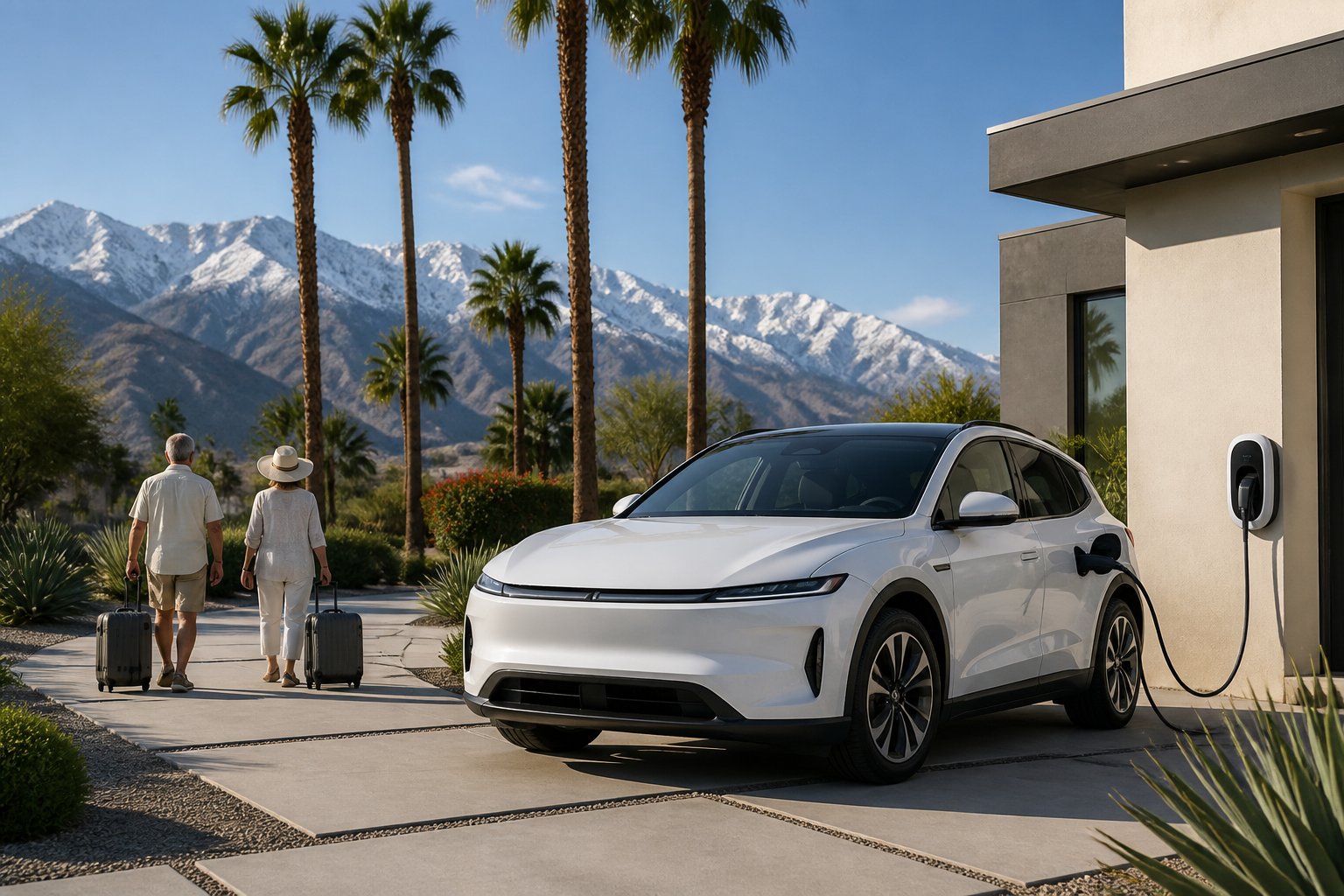
As electric vehicle adoption grows, so does the diversity of EV owners, including the increasing number of 'snowbirds' – individuals who migrate seasonally to different climates. For these EV enthusiasts, managing insurance across multiple states presents unique considerations. This guide delves into the complexities of EV insurance for snowbirds, offering insights into how seasonal residency impacts coverage, compliance, and premium calculations, ensuring you maintain continuous and appropriate protection for your electric vehicle, no matter where you plug in.
Understanding Snowbird EV Insurance Challenges
The life of a snowbird offers the best of both worlds: escaping harsh winters or sweltering summers by relocating to a more favorable climate for several months. However, this lifestyle introduces a layer of complexity when it comes to insuring an electric vehicle. Unlike traditional gasoline-powered cars, EVs often have higher repair costs due to specialized components like battery packs, advanced electronics, and unique body structures, which can influence insurance premiums. When you add the variable of seasonal residency across different states, these complexities multiply.
A primary challenge stems from the fact that auto insurance is regulated at the state level. Each state has its own minimum coverage requirements, rules regarding residency, and factors influencing premium calculations. What might be perfectly compliant and affordable in your primary state of residence could be insufficient or significantly more expensive in your seasonal home state. For EV owners, this becomes even more pronounced as states vary in their EV adoption rates, charging infrastructure, and the availability of specialized repair shops, all of which can affect insurance risk assessments and pricing.
The goal for snowbirds is to ensure seamless, compliant, and cost-effective coverage for their EV, regardless of their current location. This requires a proactive approach to understanding state-specific regulations and communicating effectively with insurance providers. Without proper planning, snowbirds could face lapses in coverage, non-compliance penalties, or unexpectedly high premiums, undermining the financial benefits and peace of mind that EV ownership can offer.
Domicile vs. Seasonal Residency: EV Insurance Implications
A critical distinction in navigating EV insurance for snowbirds is understanding the difference between your 'domicile' (primary residence) and your 'seasonal' or 'secondary' residence. Your domicile is the place you consider your permanent home, where you intend to return, and typically where you are registered to vote, pay taxes, and hold your driver's license. Your seasonal residence, conversely, is where you spend a significant portion of the year but do not consider your permanent home.
Most insurance policies are written based on the address of your domicile, as this is where your vehicle is primarily garaged and where your driving record is typically associated. However, if your EV spends several months each year in a different state, insurers need to be aware of this. Failure to inform your insurer about the seasonal garaging location of your EV could lead to issues during a claim, or even policy cancellation, if they deem you misrepresented the primary garaging location.
- Primary Garaging Location: This is arguably the most crucial factor for insurers. It determines the risk profile based on local traffic density, theft rates, accident frequency, and the availability of repair facilities. For an EV, the presence of specialized EV repair shops in both locations can also influence rates.
- State-Specific Regulations: Each state mandates different minimum liability limits and may have unique requirements for uninsured/underinsured motorist coverage or personal injury protection (PIP). Your policy must meet the requirements of the state where the vehicle is primarily garaged, which can shift for snowbirds.
- Driver's License and Vehicle Registration: Generally, your vehicle should be registered in your state of domicile, and your driver's license should also reflect this state. While some states offer exceptions for seasonal residents, it's vital to check the specific regulations for both your domicile and seasonal states.
The implications for EV insurance specifically include the varying costs of EV parts and labor across states. For instance, a state with a higher concentration of certified EV technicians and parts distribution might see slightly lower comprehensive and collision premiums for EVs compared to a state where these resources are scarce. Therefore, accurately reporting your seasonal residency is not just about compliance; it's about ensuring your policy accurately reflects the risk and potential repair costs associated with your EV in its temporary home.
State-Specific EV Insurance Requirements
Understanding the nuances of state-specific EV insurance requirements is paramount for snowbirds. While the general framework of auto insurance (liability, collision, comprehensive) remains consistent, the minimum coverage amounts and mandatory additions vary significantly. This directly impacts both your policy's compliance and its cost.
For example, states like Florida, a popular snowbird destination, operate under a 'no-fault' insurance system, requiring Personal Injury Protection (PIP) coverage regardless of who is at fault in an accident. Minimum liability limits might be $10,000 for bodily injury per person, $20,000 per accident, and $10,000 for property damage. In contrast, a state like Arizona, another snowbird hotspot, is an 'at-fault' state with minimums typically around $25,000/$50,000/$15,000. These differences mean that a policy perfectly legal in one state might be insufficient in another.
Beyond minimums, some states have specific regulations or considerations that can affect EV owners:
- Uninsured/Underinsured Motorist (UM/UIM) Coverage: Many states require or strongly recommend UM/UIM coverage, which protects you if you're hit by a driver with no insurance or insufficient coverage. The limits and whether it's mandatory or optional vary by state.
- MedPay/PIP Requirements: As mentioned, 'no-fault' states require PIP, while others might offer medical payments (MedPay) coverage as an option. These cover medical expenses for you and your passengers regardless of fault.
- EV-Specific Incentives or Surcharges: While rare for insurance directly, some states offer EV purchase incentives that might indirectly influence the perceived value of your vehicle for insurance purposes, or conversely, states with high EV adoption might have more competitive insurance markets due to a larger pool of data for actuaries.
- Registration and Licensing Rules for Seasonal Residents: Some states allow seasonal residents to keep their vehicle registered in their home state for a specified period (e.g., 6 months) without requiring re-registration. Exceeding this period, however, could necessitate re-registration and potentially a new insurance policy based on the seasonal state's rules. Always check the Department of Motor Vehicles (DMV) or equivalent agency for both your domicile and seasonal state.
The key takeaway is that your EV insurance policy must meet the legal requirements of the state where your vehicle is physically located and regularly operated. This often means working with your insurer to ensure your policy adjusts or provides coverage that satisfies the requirements of both your domicile and seasonal states, or considering a separate policy if necessary.
Strategies for Continuous & Compliant EV Coverage
Ensuring continuous and compliant EV insurance coverage as a snowbird requires strategic planning and open communication with your insurance provider. There isn't a one-size-fits-all solution, but several common strategies can help you navigate this complexity.
The most straightforward approach for many snowbirds is to maintain a single policy with their primary insurer and inform them of the seasonal garaging location. Many national carriers have the infrastructure to adjust your policy to reflect temporary changes in garaging location. They will typically factor in the risk characteristics of the seasonal location, which might result in a premium adjustment. This method ensures continuity of coverage and simplifies administration.
- Inform Your Primary Insurer: Always notify your current insurance company about your seasonal move and the new garaging address for your EV. Provide the exact dates you will be in each location. This allows them to adjust your policy to reflect the correct risk profile and comply with local regulations.
- Dual Policies (Less Common for EVs): In some niche situations, or if you have vehicles permanently stored in both locations, you might consider having two separate policies from different carriers, one for each state. However, this is generally more complex and often more expensive for a single vehicle that moves seasonally. It's usually reserved for those with multiple vehicles or distinct residency requirements.
- Umbrella Policies: For snowbirds with significant assets, an umbrella policy can provide an extra layer of liability protection above and beyond your standard auto and home policies. This is especially valuable given the higher potential repair costs and liability associated with EVs.
- Review Policy Terms Annually: With each renewal, review your policy details, especially the garaging address and coverage limits. Insurance needs can change, and state regulations can be updated.
When discussing your situation with your insurer, be transparent about the duration of your stay in each location. For instance, if you spend six months and one day in a particular state, that state might legally consider you a resident, potentially requiring you to register your vehicle there and obtain insurance compliant with its laws. This threshold varies by state and is crucial to verify.
It's also important to consider the potential for claims. If an accident occurs while your EV is garaged in your seasonal state, and your insurer was not aware of this, it could complicate the claims process or even lead to denial. Proactive communication is your best defense against such issues. Ask your insurer for written confirmation of your seasonal garaging location and how it impacts your coverage.
Optimizing Premiums and Discounts for Snowbirds
While navigating the complexities of multi-state EV insurance, snowbirds also have opportunities to optimize their premiums and maximize discounts. Electric vehicle insurance costs can vary significantly, often ranging from 10% to 25% higher than comparable gasoline cars, primarily due to specialized parts and repair expertise. Therefore, finding ways to mitigate these costs is even more important.
One of the most effective strategies is to bundle your auto insurance with other policies, such as your homeowners or renters insurance for both your domicile and seasonal residences, if applicable. Many insurers offer significant multi-policy discounts, sometimes up to 20% or more, which can offset some of the EV-related premium increases. For snowbirds, this might involve bundling your primary home policy with your EV insurance and potentially a seasonal home policy if you own one.
Consider usage-based insurance (UBI) programs. If your EV is driven less during your seasonal stays, or if your overall annual mileage is lower due to your snowbird lifestyle, a UBI program (often using telematics) could offer savings. These programs monitor driving habits and mileage, rewarding safer drivers with lower premiums. However, ensure the UBI program is compatible with multi-state travel and accurately reflects your driving patterns in both locations.
Here's a list of potential discounts and considerations:
- Multi-Policy Discount: Bundle EV auto insurance with home, condo, or renters' insurance.
- Low Mileage Discount: If your total annual mileage is low due to seasonal travel or reduced driving, inquire about this discount.
- Good Driver Discount: Maintain a clean driving record, which is universally rewarded.
- EV-Specific Discounts: Some insurers offer discounts for owning an EV, particularly if it has advanced safety features.
- Safety Features Discount: Modern EVs are often equipped with advanced driver-assistance systems (ADAS) like automatic emergency braking, lane-keeping assist, and adaptive cruise control. These can qualify for significant safety discounts.
- Anti-Theft Device Discount: EVs typically come with advanced tracking and alarm systems that can qualify for discounts.
- Loyalty Discount: Staying with the same insurer for an extended period can earn loyalty rewards.
- Payment Discounts: Paying your premium in full or setting up automatic payments can often lead to small discounts.
When you inform your insurer about your seasonal move, also take the opportunity to review all available discounts. Ask specifically if the change in garaging location impacts any existing discounts or if new ones become available. For example, if your seasonal home is in a very safe, low-traffic area, this could positively influence your premium, even if your domicile is in a bustling city.
It's also prudent to periodically shop around for quotes, especially before your policy renewal. The EV insurance market is evolving rapidly, and new carriers or policies might emerge that better suit the snowbird lifestyle and offer more competitive rates. Use online comparison tools or work with an independent insurance agent who can compare quotes from multiple providers across different states.
What to Discuss with Your Insurer
Engaging in a thorough and transparent conversation with your insurance provider is perhaps the most critical step for EV snowbirds. This dialogue ensures that your coverage remains compliant, continuous, and cost-effective, preventing potential headaches down the road. When you contact your insurer, be prepared to provide specific details about your seasonal movements.
Start by clearly stating your situation: that you are an EV owner who splits time between two (or more) states. Provide the exact address for both your domicile and your seasonal residence, along with the specific dates you typically reside at each location. Precision here is key, as even a few days can sometimes tip the balance regarding residency requirements in certain states.
Key discussion points should include:
- Primary Garaging Location: Confirm which address the insurer considers the primary garaging location and how they will adjust the policy when your EV is moved to the seasonal address. Ask for written confirmation of this understanding.
- State-Specific Minimums: Inquire how your policy will meet the minimum liability and other mandatory coverage requirements of both your domicile and seasonal states. Will the policy automatically adjust, or do you need to request specific endorsements?
- Claims Process in Seasonal State: Understand the procedure for filing a claim if an incident occurs while your EV is in your seasonal residence. Are there any differences in how claims are handled, or specific network repair shops you should be aware of? For EVs, access to certified repair facilities is crucial.
- Impact on Premiums and Discounts: Ask for a clear explanation of how your seasonal movements will affect your premiums. Will there be a rate adjustment for the months your EV is in the seasonal location? Are there any discounts you might lose or gain due to the change in garaging location?
- Registration and Licensing Implications: While primarily a DMV concern, your insurer might have insights or recommendations regarding vehicle registration and driver's license requirements for seasonal residents in your specific states. It's good to cross-reference this information.
- Coverage for Charging Equipment: If you have a Level 2 or DC fast charger installed at your seasonal home, discuss how your auto policy (or homeowners policy) covers potential damage, theft, or liability related to this equipment.
Do not assume your insurer automatically knows or will infer your snowbird status. Proactive communication prevents misunderstandings and ensures your EV is adequately protected. If your current insurer cannot adequately meet your multi-state needs, it may be time to consult an independent insurance agent who specializes in such situations or explore national carriers known for their flexibility with snowbird policies.
Maintaining comprehensive documentation of your conversations, including dates, names of representatives, and any policy adjustments, is also a prudent practice. This record can be invaluable if any discrepancies or issues arise in the future regarding your EV insurance coverage as a snowbird.
Key takeaways
- Snowbirds must proactively inform their EV insurance provider about seasonal changes in garaging location to ensure continuous and compliant coverage.
- Auto insurance requirements vary significantly by state; your policy must meet the minimums of the state where your EV is currently located.
- Understanding the distinction between your domicile and seasonal residency is crucial for proper policy structuring and avoiding potential claim issues.
- Strategies like bundling policies, utilizing low-mileage discounts, and leveraging EV-specific safety features can help optimize premiums for snowbirds.
- Transparent communication with your insurer about garaging locations, dates, and potential claims processes is vital for peace of mind and effective EV protection.
Frequently asked questions
Q.Do I need to change my EV insurance when I move seasonally?
Yes, you should always inform your insurance provider about your seasonal change of address. Your EV insurance premium and coverage requirements are based on the primary garaging location, and failing to update this information could lead to issues during a claim or policy non-compliance.
Q.Can I keep my EV registered in my home state if I spend several months in another state?
This depends on the specific laws of both your domicile and seasonal states. Many states allow seasonal residents to keep their vehicle registered in their home state for a certain period (e.g., 6 months). However, exceeding this duration may require re-registration in the seasonal state, which would then necessitate insurance compliant with that state's laws.
Q.Will my EV insurance premiums increase if I'm a snowbird?
Your premiums might adjust based on the risk profile of your seasonal location. Factors like local accident rates, theft rates, and the cost of EV repairs in that area can influence the price. It's possible for premiums to increase or even decrease depending on the comparative risk between your domicile and seasonal residences.
Q.What if I have charging equipment at my seasonal home?
It's important to discuss coverage for any EV charging equipment installed at your seasonal home with your insurer. Damage or theft of a home charging station is typically covered under your homeowner's or renter's insurance policy, not your auto policy. Confirming this ensures you have comprehensive protection.
References
Licensed agent and consumer educator with 11+ years guiding drivers through claims, quotes and policy switching.
Continue reading

How to Compare EV Insurance Quotes Without Missing Coverage Gaps: 2026-10-20 Update 2
Step-by-step quote comparison focused on deductibles, OEM parts, rental reimbursement, roadside charging, and glass coverage. This is a fresh 2026-10-20 update: focus on what has changed recently, new data points, and current-year guidance — do not repeat the earlier article's coverage. Use this checklist to compare premiums, deductibles, repair support, and policy wording before renewal.

How to Compare EV Insurance Quotes Without Missing Coverage Gaps: 2026-10-19 Update 3
Step-by-step quote comparison focused on deductibles, OEM parts, rental reimbursement, roadside charging, and glass coverage. This is a fresh 2026-10-19 update: focus on what has changed recently, new data points, and current-year guidance — do not repeat the earlier article's coverage. Use this checklist to compare premiums, deductibles, repair support, and policy wording before renewal.

EV Insurance for Under 25s: Navigating High Premiums & Finding Savings
Insuring an electric vehicle can be daunting for drivers under 25 due to inherently higher premiums. This guide breaks down why costs are elevated and offers practical, data-backed strategies to make EV ownership more accessible and affordable for this demographic.