
EV Insurance for UK Drivers: Navigating Unique Regulations & Cost Factors in 2026
Electric vehicle adoption in the UK continues its rapid ascent, but insuring these advanced machines presents a distinct set of considerations for British drivers. Understanding the nuances of EV insurance within the UK's regulatory framework is crucial for securing adequate and cost-effective coverage.

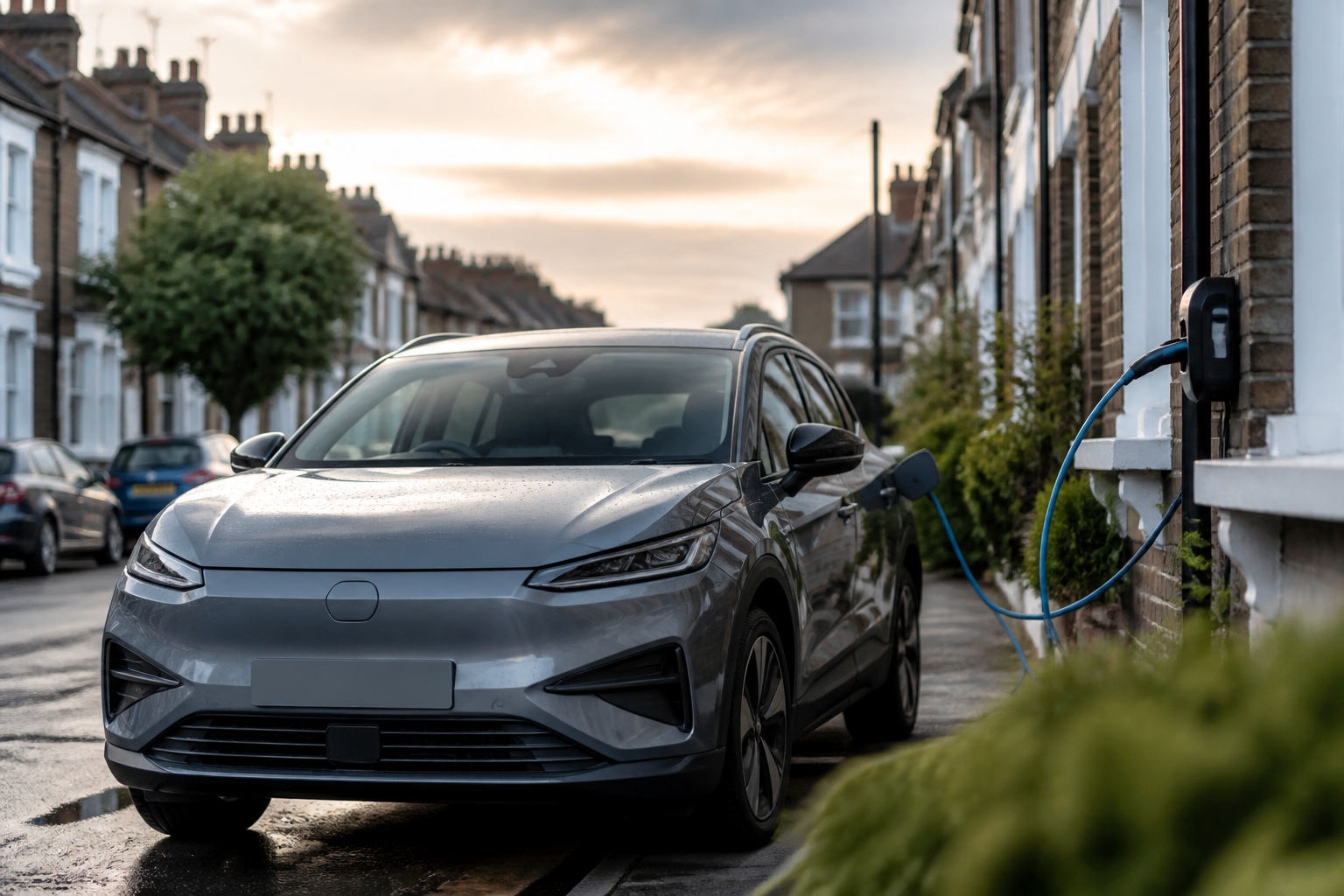
Electric vehicle adoption in the UK continues its rapid ascent, but insuring these advanced machines presents a distinct set of considerations for British drivers. Understanding the nuances of EV insurance within the UK's regulatory framework is crucial for securing adequate and cost-effective coverage. Unlike the US or broader EU markets, the UK has specific dynamics influencing premiums, coverage requirements, and insurer approaches. This analysis will delve into these unique aspects, providing UK EV owners with a clear roadmap for navigating their insurance needs in 2026.
The UK EV Market: A Snapshot for 2026
The United Kingdom has established itself as a frontrunner in electric vehicle adoption, driven by ambitious government targets and growing consumer interest in sustainability and lower running costs. By 2026, the EV landscape in the UK is projected to be significantly more mature, with a broader range of models available, an expanding charging infrastructure, and a more informed consumer base. This growth inherently impacts the insurance sector, requiring insurers to evolve their offerings and pricing models to meet the specific demands of this market.
Government initiatives, such as the ban on new petrol and diesel car sales, continue to accelerate the transition. This regulatory push, combined with advancements in battery technology and increasing public awareness, means that electric vehicles are no longer a niche market but a substantial segment of the automotive industry. For insurers, this translates into a higher volume of EV policies, necessitating a deeper understanding of EV-specific risks and repair methodologies.
The diversity of EVs on UK roads is also expanding, from compact city cars to high-performance luxury models and even electric vans. Each vehicle type presents different risk profiles, influencing everything from repair costs to potential accident severity. This segmentation requires insurers to move beyond generic 'electric car' policies and develop more granular, model-specific underwriting approaches.
Unique Regulatory Landscape for UK EV Insurance
The UK's insurance market operates under a robust regulatory framework, primarily overseen by the Financial Conduct Authority (FCA) and the Prudential Regulation Authority (PRA). These bodies ensure consumer protection, market stability, and fair competition. For EV insurance, these regulations mean that insurers must clearly outline coverage specifics, particularly concerning unique EV components like batteries and charging equipment. Unlike some other markets, the UK has specific ombudsman services, such as the Financial Ombudsman Service (FOS), which provides an avenue for consumers to resolve disputes with their insurers, adding an extra layer of protection.
One distinct aspect of the UK market is the emphasis on comprehensive coverage, which is the most common type of motor insurance purchased. While third-party only and third-party fire and theft options exist, the vast majority of EV owners opt for comprehensive policies due to the higher value and specialized nature of their vehicles. This preference means that insurers are primarily focused on developing robust comprehensive offerings that adequately address EV-specific risks.
Furthermore, the UK's legal system and road traffic acts influence liability and claims processes. For instance, the 'Continuous Insurance Enforcement' rule means that it is illegal to own an uninsured vehicle, even if it's not being driven, unless it's declared SORN (Statutory Off Road Notification). This strict enforcement contributes to a generally higher insured population compared to some other countries, which can subtly impact overall market risk pools and pricing strategies for all vehicle types, including EVs.
- FCA and PRA Oversight: Ensure fair practices, transparency, and financial stability of insurers.
- Financial Ombudsman Service (FOS): Provides a free, independent service for resolving disputes between consumers and financial services firms, including insurers.
- Continuous Insurance Enforcement: Mandates that all vehicles must be insured unless formally declared off-road (SORN), impacting overall insurance penetration.
- Motor Insurance Database (MID): A central record of all insured vehicles in the UK, used by the police to identify uninsured drivers.
- Green Card System (Post-Brexit): While not directly regulatory for domestic policies, UK drivers traveling to certain EU countries may still need a Green Card, which is a physical document proving motor insurance coverage, a post-Brexit consideration.
Essential EV Insurance Coverage Options for UK Drivers
While the fundamental types of motor insurance (Third Party Only, Third Party Fire and Theft, Comprehensive) remain consistent for EVs in the UK, the specifics of what they cover are often tailored to electric vehicles. For EV owners, comprehensive coverage is almost universally recommended due to the vehicle's complexity and value. Key components like the battery, charging cables, and specialized electronics require specific attention within a policy.
Many UK insurers now offer add-ons or integrated features within their comprehensive EV policies that address these unique needs. These can include accidental damage to charging cables, cover for home charging equipment, and even breakdown cover specifically adapted for EVs, which might include recovery to a charging point rather than just a repair garage. The high cost of battery replacement, in particular, makes robust comprehensive coverage essential.
Another crucial aspect is coverage for software-related issues. As EVs become increasingly software-defined, the risk of cyber threats or system malfunctions affecting vehicle operation and value is growing. While not always explicitly stated, a good comprehensive policy should ideally cover damage resulting from such issues, though this is an evolving area within the insurance industry. Drivers should inquire about specific clauses related to software and connected car features.
- Battery Cover: Crucial for EVs. This typically covers damage to or theft of the battery pack, which is the most expensive component. Some policies differentiate between owned and leased batteries.
- Charging Cable Cover: Protection against theft or accidental damage to your charging cables, both at home and public charging points.
- Home Charging Point Cover: Often an optional extra, this covers damage to or theft of your installed home EV charger.
- EV-Specific Breakdown Cover: Tailored breakdown services that understand EV needs, such as flat battery recovery to a charging station, rather than just a fuel station or garage.
- Accidental Damage: Standard comprehensive cover, but for EVs, it's important to ensure it extends to specialized EV components and systems.
- New Car Replacement: For newer EVs, this option allows for a brand-new replacement if your vehicle is written off or stolen within a certain period (e.g., 12 or 24 months), which is particularly valuable given the depreciation curve of new vehicles.
- Courtesy Car: Provision of a replacement vehicle while yours is being repaired. Some insurers specifically offer an EV courtesy car, which can be a significant benefit.
Key Factors Influencing EV Insurance Premiums in the UK
While many general insurance factors apply to both ICE (Internal Combustion Engine) and EV vehicles in the UK (such as driver age, driving history, postcode, and annual mileage), several specific elements uniquely impact EV insurance premiums. Understanding these can help UK drivers anticipate and potentially mitigate their costs. The cost of EV insurance in the UK can vary significantly, with annual premiums ranging from approximately £600 to over £2,000, depending heavily on the vehicle and driver profile. Some high-performance or luxury EVs may see premiums exceeding £3,000 annually.
One primary factor is the higher purchase price and repair costs of EVs. Electric vehicles, particularly newer models, often have a higher initial price tag than comparable ICE vehicles. Furthermore, their advanced technology, specialized components (like the battery pack), and the need for trained technicians mean that repairs can be more expensive and time-consuming. A minor accident that might be a simple bodywork repair on an ICE car could involve complex diagnostics and component replacement on an EV, driving up claims costs for insurers.
The availability of specialized repairers and parts is another significant influence. While the network of EV-qualified technicians is growing in the UK, it is still less extensive than for traditional vehicles. This can lead to longer repair times and higher labor costs, as fewer garages are equipped to handle EV repairs. Insurers factor this into their premium calculations, as it directly impacts their potential payout for claims. The sourcing of specific EV parts, especially for newer models, can also be a challenge, contributing to repair expenses.
Furthermore, the performance characteristics of many EVs play a role. Electric vehicles often boast instant torque and rapid acceleration, which, while enjoyable for drivers, can be perceived as a higher accident risk by insurers. High-performance EVs, in particular, may attract higher premiums due to their increased power and the potential for more severe accidents. Finally, the risk of battery theft or damage is a unique concern for EVs. While rare, the high value of a replacement battery pack means insurers must account for this potential major expense in their pricing models.
How UK Insurers are Adapting to EVs
The UK insurance industry is actively evolving to meet the demands of the growing EV market. Insurers are investing in data analytics to better understand EV-specific risk profiles, moving away from simply categorizing electric cars alongside their petrol counterparts. This involves analyzing real-world accident data for EVs, tracking repair costs, and assessing the longevity and reliability of battery technology. This data-driven approach aims to create more accurate and fairer premium calculations for EV owners.
Many major UK insurers are also developing specialized EV insurance products. These policies often include enhanced coverage for components like batteries and charging cables, as well as EV-specific breakdown assistance that can tow a flat EV to a charging station. Some are even offering incentives for EV owners, such as discounts for installing smart charging solutions or for lower annual mileage, recognizing that many EVs are used for shorter, urban journeys.
Collaboration with automotive manufacturers and repair networks is another key strategy. Insurers are working with EV manufacturers to understand vehicle design, repair methodologies, and parts availability. They are also partnering with training providers to increase the number of qualified EV repair technicians across the UK, which ultimately helps to reduce repair times and costs, potentially leading to more competitive premiums in the long run. The goal is to standardize repair processes and ensure that claims can be handled efficiently and effectively.
Strategies for Reducing Your EV Insurance Premiums in the UK
Securing affordable EV insurance in the UK requires a proactive approach. While some factors are beyond your control, several strategies can help mitigate premium costs. The most fundamental step is to compare quotes from multiple insurers. The EV insurance market is competitive, and different providers will have varying risk assessments and pricing structures for electric vehicles. Utilizing comparison websites and directly contacting specialist EV insurers can yield significant savings.
Considering a higher voluntary excess can also reduce your annual premium. The excess is the amount you agree to pay towards a claim before your insurer contributes. By opting for a higher voluntary excess, you signal to the insurer that you are less likely to make small claims, which can result in a lower premium. However, ensure you can comfortably afford this amount in the event of a claim.
Another effective strategy is to improve your vehicle's security. Installing approved alarm systems, immobilizers, or tracking devices can lower the risk of theft, which is a concern for high-value EVs. Parking your EV in a secure, garaged location overnight, rather than on the street, can also positively influence your premium, as insurers view secure parking as a reduced risk. Always inform your insurer of any security enhancements.
Finally, maintaining a clean driving record and accruing no-claims discount (NCD) is paramount. A history of safe driving is the most impactful factor in reducing insurance costs over time. Each year you drive without making a claim typically adds to your NCD, leading to substantial discounts. Additionally, consider opting for a telematics (black box) policy if you are a younger driver or have a limited driving history, as these policies base premiums on your actual driving behavior, potentially rewarding safe driving with lower costs.
- Shop Around Extensively: Use comparison sites and get direct quotes from specialist EV insurers.
- Increase Voluntary Excess: Opt for a higher excess if you can afford it, but be mindful of the potential out-of-pocket cost during a claim.
- Enhance Vehicle Security: Install approved alarms, immobilizers, or tracking devices. Park securely in a garage or driveway.
- Maintain a Clean Driving Record: Avoid claims and driving convictions to build up your No Claims Discount (NCD).
- Consider Telematics (Black Box) Insurance: Especially beneficial for younger drivers or those with a short driving history, as it rewards safe driving.
- Accurate Mileage: Provide an accurate estimate of your annual mileage; lower mileage often correlates with lower premiums.
- Pay Annually: Paying your premium in one lump sum rather than monthly installments can often save you money as insurers typically charge interest for monthly payments.
Key takeaways
- UK EV insurance premiums are influenced by higher vehicle costs, specialized repair needs, and the expense of battery replacement, typically making them more costly than ICE vehicle policies.
- Comprehensive coverage is highly recommended for UK EV drivers, with specific attention to inclusions for battery damage/theft, charging cables, and EV-specific breakdown assistance.
- The UK's regulatory bodies (FCA, PRA) ensure consumer protection and fair practices, with the FOS providing recourse for disputes, offering a unique layer of security for policyholders.
- UK insurers are adapting by developing specialized EV products, investing in data analytics for better risk assessment, and collaborating with repair networks to manage claims efficiently.
- Drivers can reduce premiums by comparing quotes, increasing voluntary excess, enhancing vehicle security, maintaining a clean driving record, and considering telematics policies.
Frequently asked questions
Q.Is EV insurance more expensive in the UK than for petrol cars?
Generally, EV insurance in the UK can be more expensive than for comparable petrol cars, primarily due to higher purchase prices, specialized repair costs, and the expense of battery replacement. However, the gap is narrowing as the market matures and repair networks expand. Factors like vehicle model, driver profile, and insurer choice significantly influence the final premium.
Q.What unique coverage should UK EV drivers look for in their policy?
UK EV drivers should prioritize comprehensive policies that specifically cover battery damage or theft, accidental damage to charging cables, and potentially home charging equipment. EV-specific breakdown cover, which includes recovery to a charging point, is also highly beneficial. Always check the policy wording for these specialized inclusions.
Q.How do UK insurers assess the risk of EV batteries?
UK insurers assess EV battery risk based on factors like the battery's value, the vehicle's make and model, and the availability of repair or replacement services. They factor in the high cost of battery replacement in the event of damage or theft. Some policies might differentiate between owned and leased batteries, impacting coverage and premiums.
Q.Can I get a discount on my EV insurance in the UK for installing a home charger?
Some UK insurers may offer discounts or preferential rates for EV owners who have installed an approved home charging point, as it can indicate responsible ownership and potentially reduce reliance on public charging infrastructure, which might be perceived as a lower risk. It's always worth inquiring with your insurer about such incentives.
Q.What impact does the UK's regulatory environment have on EV insurance prices?
The UK's robust regulatory environment, overseen by the FCA, ensures transparency and fairness in insurance pricing. While it doesn't directly dictate prices, it mandates that insurers base premiums on justifiable risk factors and clearly communicate policy terms. This framework helps prevent arbitrary pricing and ensures consumer protection, indirectly influencing how EV-specific risks are assessed and priced across the market.
References
Market analyst with 22+ years tracking P&C insurance regulation, M&A and emerging-risk trends.
Continue reading

EV Insurance Market Trends: Why Premiums Are Still Volatile: 2026-10-20 Update 1
Market analysis of repair severity, battery diagnostics, parts availability, and changing insurer appetite. This is a fresh 2026-10-20 update: focus on what has changed recently, new data points, and current-year guidance — do not repeat the earlier article's coverage. Use this checklist to compare premiums, deductibles, repair support, and policy wording before renewal.

EV Insurance Market Trends: Why Premiums Are Still Volatile: 2026-10-19 Update 2
Market analysis of repair severity, battery diagnostics, parts availability, and changing insurer appetite. This is a fresh 2026-10-19 update: focus on what has changed recently, new data points, and current-year guidance — do not repeat the earlier article's coverage. Use this checklist to compare premiums, deductibles, repair support, and policy wording before renewal.

EV Insurance Market Trends: Why Premiums Are Still Volatile: 2026-10-18 Update 3
Market analysis of repair severity, battery diagnostics, parts availability, and changing insurer appetite. This is a fresh 2026-10-18 update: focus on what has changed recently, new data points, and current-year guidance — do not repeat the earlier article's coverage. Use this checklist to compare premiums, deductibles, repair support, and policy wording before renewal.