
EV Roadside Assistance: Unpacking What Your Policy Truly Covers
Electric vehicle owners often assume their standard roadside assistance covers every scenario. However, EV-specific issues like depleted batteries or charging failures demand a closer look at your policy to ensure comprehensive protection.

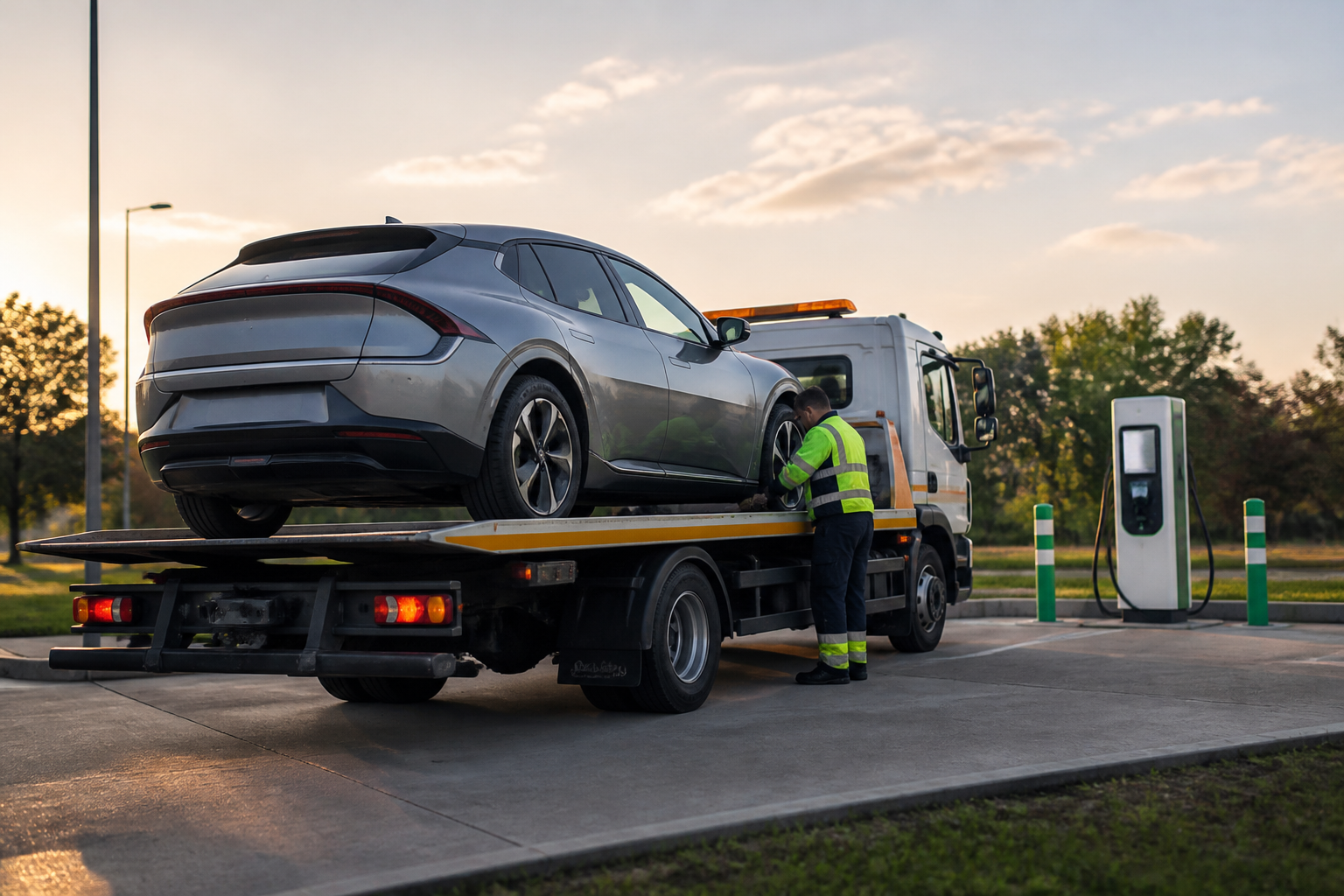
As electric vehicles (EVs) become increasingly prevalent on our roads, a common misconception persists among owners: that standard auto insurance roadside assistance will adequately cover all their needs. While traditional policies offer a baseline of support, the unique characteristics of EVs—particularly their battery systems and charging requirements—introduce specific roadside challenges that often fall outside the scope of conventional coverage. Understanding these nuances is crucial for any EV owner, especially when planning longer journeys, to avoid unexpected costs and significant inconvenience.
Standard Roadside Assistance: What It Typically Covers (and Misses for EVs)
Most auto insurance policies, or separate membership programs like AAA, offer roadside assistance as an add-on or included benefit. This coverage is designed to address common vehicle breakdowns, providing peace of mind for drivers. For internal combustion engine (ICE) vehicles, these services are generally well-defined and widely available.
Typical standard roadside assistance benefits include:
- Towing: Transporting your vehicle to the nearest qualified repair shop within a specified mileage limit (e.g., 5-10 miles, or up to 100 miles with premium plans).
- Flat Tire Service: Changing a flat tire with your spare, or towing the vehicle if a spare isn't available or the tire is severely damaged.
- Battery Jump-Start: Providing a jump-start for a dead 12-volt battery (which EVs also have, separate from their high-voltage traction battery).
- Fuel Delivery: Delivering a small amount of gasoline to get an ICE vehicle to the nearest gas station. This service is, by its nature, irrelevant for EVs.
- Lockout Service: Assisting if you're locked out of your vehicle.
- Winching Service: Pulling your vehicle out if it's stuck in mud, snow, or a ditch.
While these services are valuable, they often miss critical EV-specific needs. The most significant gap is addressing a completely depleted high-voltage traction battery. If an ICE car runs out of gas, a small fuel delivery can get it moving. If an EV runs out of charge, it cannot simply be 'refueled' on the spot. This fundamental difference highlights why standard towing might not be sufficient, and why fuel delivery is entirely useless.
The Unique Roadside Challenges of Electric Vehicles
EVs, despite their advanced technology and generally lower maintenance needs, present distinct challenges when they break down or run out of charge. These challenges require specialized equipment, training, and services that traditional roadside assistance providers may not possess.
The primary EV-specific roadside scenarios include:
- Depleted High-Voltage Battery: This is the EV equivalent of running out of gas, but with a more complex solution. An EV with a completely dead traction battery cannot be simply jump-started or given a small 'charge' on the roadside to reach a charging station. It requires specialized towing or mobile charging.
- Specialized Towing Requirements: Many EVs, particularly those with all-wheel drive or specific drivetrain configurations, cannot be towed using a traditional two-wheel lift tow truck. Flatbed towing is often mandatory to prevent damage to the electric motors, transmission, or regenerative braking system. Improper towing can lead to significant and costly damage, which may not be covered if the towing service was not EV-appropriate.
- Charging Equipment Malfunctions: Issues with public charging stations, charging cables, or the vehicle's onboard charging system can leave an EV stranded. While not a direct 'breakdown' of the car itself, it prevents the vehicle from being charged and continuing its journey.
- Software or Electrical Glitches: Modern EVs are essentially computers on wheels. Software bugs or complex electrical issues can render a vehicle inoperable, requiring diagnostics that not all roadside technicians are equipped to handle.
These unique needs mean that an EV owner cannot simply rely on a generic towing service. The tow truck operator must be knowledgeable about EV towing protocols, and the destination might need to be a charging station, not just a repair shop.
Specialized EV Roadside Assistance Endorsements: Essential Protections
Recognizing the gaps in standard coverage, many insurers and specialized providers now offer EV-specific roadside assistance endorsements. These add-ons are designed to address the unique needs of electric vehicles, providing peace of mind for owners.
Key features of specialized EV roadside assistance often include:
- EV-Specific Towing: This is perhaps the most critical feature. It ensures that if your EV needs towing due to a depleted battery or mechanical issue, a flatbed tow truck will be dispatched. This prevents damage to the vehicle's sensitive components, which can occur with improper towing methods. Policies typically cover towing to the nearest charging station or a qualified EV repair facility, often with an extended mileage limit compared to standard towing.
- Mobile Charging Service: Some specialized plans offer mobile charging. This involves a service vehicle equipped with a temporary charging unit (often a Level 2 or even a DC fast charger) that can provide enough charge to get your EV to the nearest functional charging station or home. This is the EV equivalent of fuel delivery and can be a lifesaver in remote areas.
- Battery Depletion Coverage: Explicit coverage for situations where your high-voltage battery is completely drained. This ensures that the appropriate service (flatbed tow to a charger or mobile charge) is provided without dispute.
- Access to EV-Trained Technicians: Some premium services connect you with technicians who have specific training in EV diagnostics and roadside repairs, potentially resolving minor issues on the spot.
- Extended Towing Distances: Given the potentially larger distances between EV charging stations or specialized repair shops, EV-specific plans often provide significantly greater towing allowances, sometimes up to 100-200 miles or more, compared to the standard 5-10 miles.
It's important to note that not all insurers offer the same level of EV-specific coverage. Some may simply extend standard towing limits, while others provide a full suite of specialized services. Always inquire about the specifics of what 'EV roadside assistance' entails when comparing policies.
How to Secure Comprehensive EV Roadside Coverage
Ensuring your EV is adequately protected means proactively reviewing your current policy and considering additional options. Don't wait for a roadside emergency to discover your coverage gaps.
Here's a step-by-step approach:
- Review Your Current Auto Insurance Policy: Contact your insurance provider and specifically ask about their roadside assistance for electric vehicles. Inquire about:
- Does it cover depleted high-voltage batteries?
- Is flatbed towing guaranteed for EVs? What are the mileage limits?
- Is there mobile charging available?
- Are there any exclusions for EV-specific breakdowns?
- Check Your EV Manufacturer's Warranty and Services: Many EV manufacturers, especially for newer vehicles, include complimentary roadside assistance that is tailored to their specific models. This often lasts for the duration of the warranty period (e.g., 3-5 years) and typically includes flatbed towing and sometimes even mobile charging. This can be a robust first line of defense.
- Consider Specialized Roadside Assistance Programs: Organizations like AAA, while offering standard plans, also have premium tiers that may include better EV coverage. Additionally, some newer companies are emerging that specialize solely in EV roadside assistance.
- Evaluate Independent Membership Programs: Beyond insurance, independent programs can offer comprehensive coverage. Compare their benefits, especially regarding towing distances and EV-specific services, against your insurance policy.
- Ask About Endorsements: If your current insurer doesn't automatically include robust EV roadside assistance, ask if they offer a specific endorsement or add-on for electric vehicles. These are often inexpensive but provide significant value.
When comparing options, pay close attention to the fine print. A policy that simply says 'towing' might not specify 'flatbed towing to a charging station,' which is what you truly need for a dead EV battery.
Cost Considerations for EV Roadside Assistance
The cost of adding specialized EV roadside assistance is generally quite modest, especially when weighed against the potential expenses of an unprotected breakdown. These endorsements are typically an affordable addition to your existing auto insurance premium.
Price ranges can vary significantly based on your insurer, location, and the breadth of coverage:
- Insurance Endorsements: Adding EV-specific roadside assistance to your existing auto policy might cost an additional $10 to $50 per year. This is often the most cost-effective way to get basic EV-specific towing and battery assistance.
- Premium Membership Programs: If you opt for a premium tier from a provider like AAA, annual costs could range from $70 to $150 or more, depending on the level of benefits (e.g., extended towing mileage, trip interruption benefits). These often cover more than just EV-specific issues.
- Manufacturer Programs: As mentioned, many EV manufacturers include roadside assistance for free during the warranty period. After the warranty expires, you might have the option to extend this service for an annual fee, which could range from $50 to $100.
Consider the potential costs of being stranded without adequate coverage. A flatbed tow for an EV, especially over a significant distance to a specialized repair shop or a remote charging station, could easily cost $200 to $500 or more out of pocket. Mobile charging services, if available independently, could also incur substantial fees. The small annual premium for specialized coverage acts as a valuable safeguard against these larger, unexpected expenses.
Long-Distance Travel and EV Roadside Planning
Long-distance travel in an EV requires more meticulous planning than in an ICE vehicle, particularly concerning charging infrastructure and roadside assistance. While 'range anxiety' is often overstated, it's prudent to be prepared for scenarios where charging options are scarce or unexpected issues arise.
Here's how to integrate roadside assistance into your long-distance EV travel planning:
- Map Out Charging Stops: Use apps like PlugShare, A Better Routeplanner (ABRP), or your vehicle's navigation system to plan charging stops well in advance. Always aim to arrive at a charger with a comfortable buffer of charge (e.g., 10-20% remaining).
- Understand Your Vehicle's Real-World Range: Factors like speed, terrain, temperature, and climate control usage significantly impact EV range. Don't rely solely on the EPA estimated range; understand how your driving habits affect it.
- Verify Your Roadside Assistance Coverage: Before embarking on a long trip, reconfirm the specifics of your EV roadside assistance. Pay close attention to:
- Towing Distance Limits: Ensure they are sufficient for the regions you'll be traveling through, especially if charging stations or EV repair shops are sparse.
- Mobile Charging Availability: Confirm if this service is offered and in what areas.
- Service Area: Does your coverage extend across state lines or even international borders if applicable?
- Keep Emergency Contacts Handy: Store your roadside assistance provider's number, your insurer's contact, and your EV manufacturer's support line in your phone and a physical document.
- Consider a Portable Level 1 Charger: While slow, a portable Level 1 (120V) charger can offer a trickle charge from any standard outlet, potentially providing enough range to reach a faster charger in an emergency, if you can find a safe place to plug in for an extended period.
The goal is not to fear long-distance EV travel, but to approach it with informed preparation. By understanding the capabilities and limitations of your EV roadside assistance, you can confidently explore new routes, knowing you're protected against the unique challenges an electric vehicle might present.
Key takeaways
- Standard roadside assistance often fails to cover EV-specific needs like depleted high-voltage batteries.
- EVs frequently require specialized flatbed towing to prevent damage to their sensitive drivetrain components.
- Look for specialized EV roadside assistance endorsements that include mobile charging and guaranteed flatbed towing to a charging station or EV repair facility.
- Many EV manufacturers offer complimentary roadside assistance during the warranty period; check your vehicle's benefits first.
- Proactively review your policy and consider add-ons, especially for long-distance travel, to avoid significant out-of-pocket expenses for EV-specific breakdowns.
Frequently asked questions
Q.Does my standard car insurance roadside assistance cover a dead EV battery?
Typically, standard roadside assistance only covers a dead 12-volt accessory battery, not the high-voltage traction battery. If your EV's main battery is depleted, you'll likely need specialized EV towing (flatbed) or mobile charging, which standard plans often lack. Always confirm with your insurer.
Q.What is 'mobile charging service' for EVs?
Mobile charging service is an EV-specific roadside assistance feature where a service vehicle comes to your location with a temporary charging unit. It provides enough charge to get your electric vehicle to the nearest public charging station or home, similar to how fuel delivery works for gasoline cars.
Q.Why do EVs often require flatbed towing?
Many electric vehicles, especially those with all-wheel drive or specific motor configurations, cannot be safely towed with their drive wheels on the ground. Flatbed towing prevents potential damage to the EV's electric motors, transmission, or regenerative braking system, which can be costly to repair.
Q.How much does EV roadside assistance typically cost?
Adding EV-specific roadside assistance as an endorsement to your existing auto insurance policy can cost as little as $10 to $50 per year. Premium membership programs or manufacturer extensions might range from $50 to $150 annually, offering broader coverage and extended towing limits.
References
Insurance attorney and policy-wording specialist with 15+ years interpreting auto coverage forms.
Continue reading

What EV Battery Coverage Actually Includes After a Collision: 2026-10-16 Update 1
Explains the difference between collision coverage, comprehensive claims, warranty coverage, and battery degradation exclusions. This is a fresh 2026-10-16 update: focus on what has changed recently, new data points, and current-year guidance — do not repeat the earlier article's coverage. Use this checklist to compare premiums, deductibles, repair support, and policy wording before renewal.
EV Insurance for Modified Suspension & Lift Kits: What's Covered?
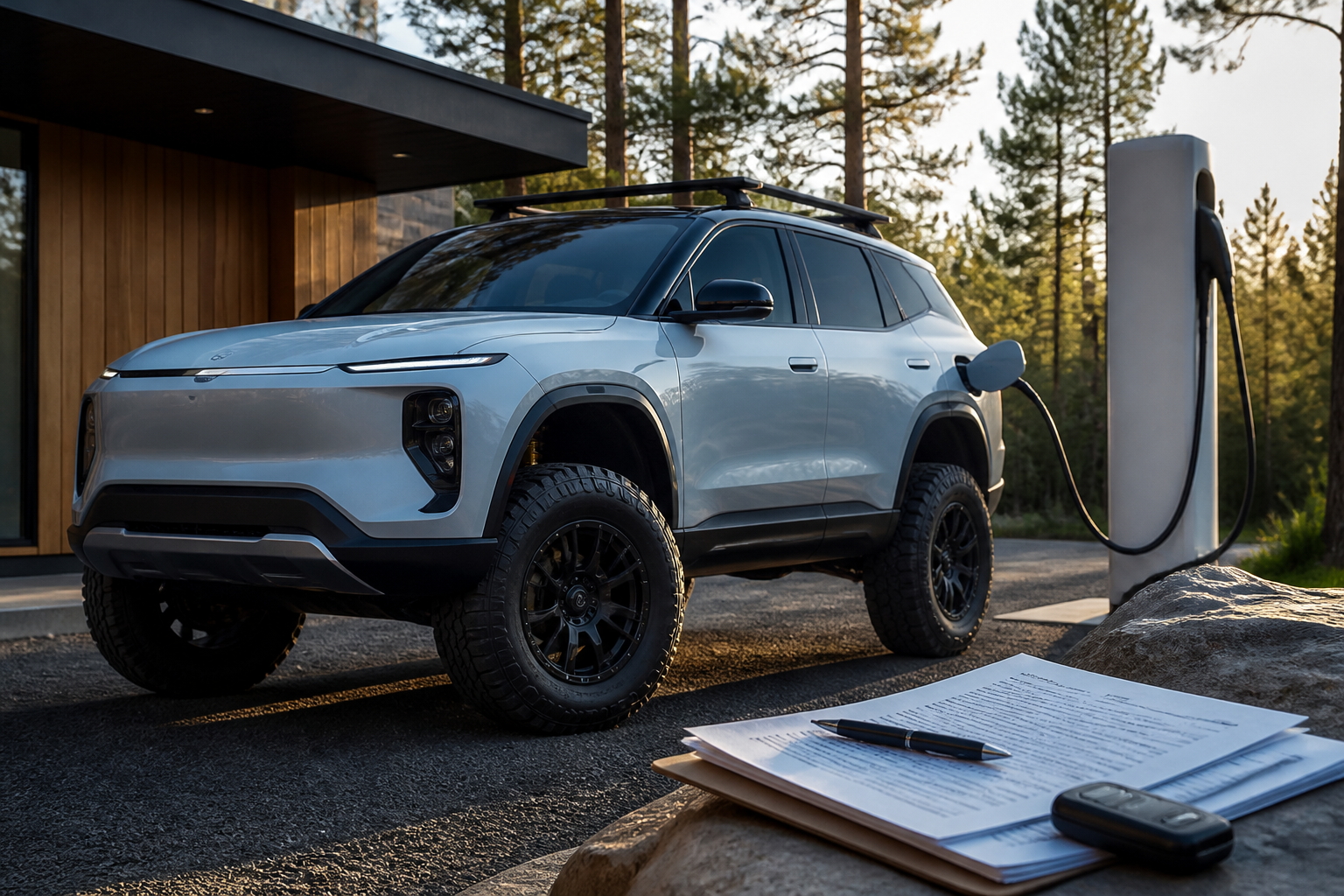
Many EV owners customize their vehicles with lift kits or modified suspensions. This article will demystify how such aftermarket modifications impact insurance coverage, claims, and potential policy exclusions, providing clarity for drivers investing in vehicle personalization. Use this checklist to compare premiums, deductibles, repair support, and policy wording before renewal.
EV Insurance for Off-Roading & Overlanding: Protecting Your Adventure Vehicle
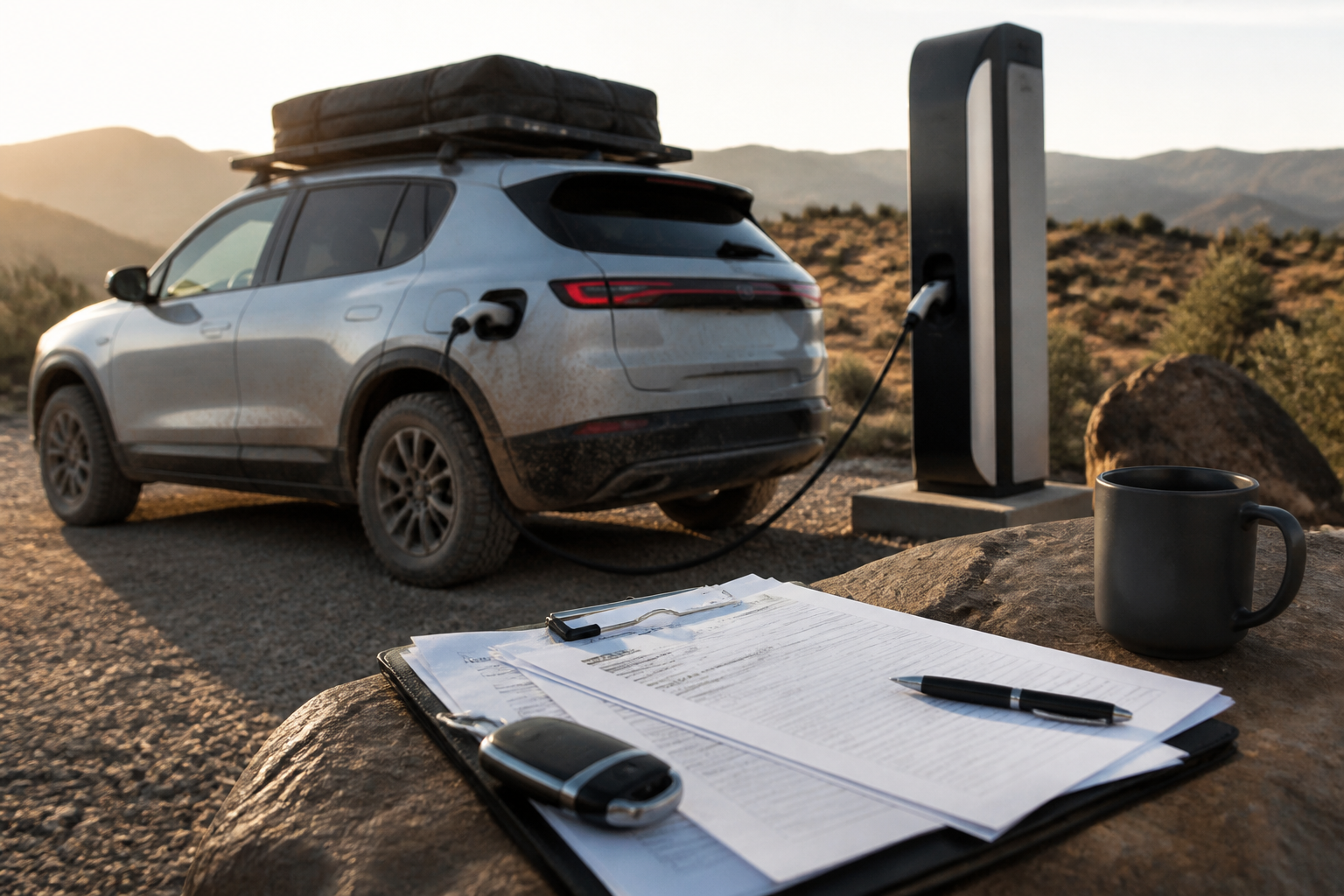
This article will explore specific coverage gaps and endorsements needed for EV owners who use their vehicles for off-road adventures or overlanding, covering potential damages unique to these activities like undercarriage protection, winch damage, and remote recovery. We'll analyze how standard policies fall short and what specialized coverage options exist. Use this checklist to compare premiums, deductibles, repair support, and policy wording before renewal.