
Ford F-150 Lightning vs. Tesla Cybertruck: Decoding 2026 EV Insurance Costs
As electric trucks gain traction, understanding their insurance implications is crucial. This analysis projects 2026 insurance costs for the Ford F-150 Lightning and Tesla Cybertruck, highlighting key factors that will influence your premiums.

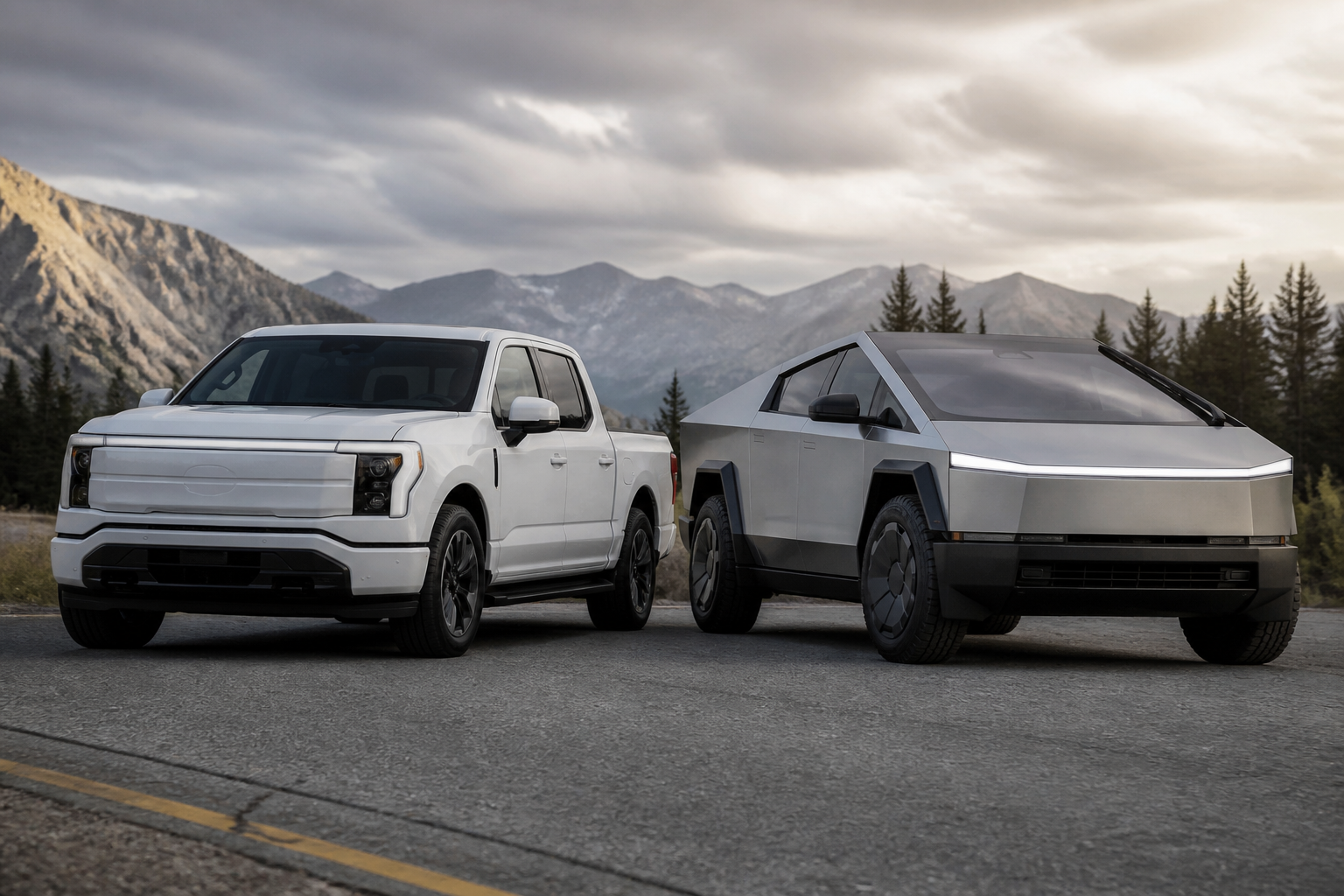
The electric vehicle (EV) market is rapidly expanding, with electric pickup trucks like the Ford F-150 Lightning and Tesla Cybertruck leading the charge into a new segment. For prospective owners, understanding the nuances of insuring these advanced vehicles is paramount. As a Senior Auto Insurance Analyst at EV Insurance Hub, I'm here to break down the anticipated insurance cost differences between these two highly popular, yet distinct, electric trucks for the year 2026, offering a crucial comparison for potential buyers.
Introduction: The Evolving Landscape of EV Truck Insurance
The insurance industry is continually adapting to the unique characteristics of electric vehicles. While EVs offer environmental benefits and often impressive performance, their insurance premiums can sometimes be higher than their internal combustion engine (ICE) counterparts. This is particularly true for new and innovative models like electric pickup trucks, which introduce new complexities related to battery technology, advanced driver-assistance systems (ADAS), and specialized repair processes.
For 2026, we anticipate that insurers will have accumulated more data on both the Ford F-150 Lightning and the Tesla Cybertruck, allowing for more refined underwriting. However, fundamental differences in vehicle design, construction materials, and repair ecosystems will continue to drive significant variations in insurance costs between these two models. Our analysis will delve into these factors, providing a clear picture of what owners can expect.
Key Factors Influencing EV Insurance Costs
Several critical elements contribute to the cost of insuring any vehicle, and EVs, especially electric trucks, amplify certain considerations. Understanding these factors is key to predicting future premiums for the F-150 Lightning and Cybertruck.
- Vehicle Purchase Price: More expensive vehicles generally cost more to insure, as the potential payout for total loss or significant damage is higher. Both the Lightning and Cybertruck occupy premium price points within the truck market.
- Repair Costs & Complexity: EVs often have higher repair costs due to specialized components like high-voltage batteries, integrated electronics, and advanced structural designs. The availability of certified repair shops and parts also plays a significant role.
- Parts Availability & Cost: Proprietary parts or limited supply chains for unique EV components can drive up repair expenses and, consequently, insurance premiums.
- Performance & Power: High-performance vehicles, which both of these trucks can be considered, often face higher premiums due to an increased statistical likelihood of accidents.
- Safety Features & Ratings: Advanced safety features (ADAS) can reduce accident frequency and severity, potentially lowering premiums. However, these systems themselves are expensive to repair or replace if damaged.
- Theft Risk: Vehicles perceived as high-theft targets may incur higher comprehensive coverage costs.
- Battery Replacement Costs: A major concern for insurers is the cost of replacing the high-voltage battery pack in the event of severe damage, which can sometimes exceed the vehicle's value.
- Driver Demographics & Location: Personal factors such as driving record, age, location, and chosen coverage levels remain foundational to individual premium calculations.
Ford F-150 Lightning: An Insurance Profile
The Ford F-150 Lightning, while a revolutionary electric truck, leverages much of the existing F-150 platform, which has been a staple of the American automotive landscape for decades. This familiarity is a significant factor in its insurance profile.
The Lightning's construction primarily uses a high-strength steel frame and an aluminum body, similar to its ICE counterpart. This means that many repair procedures and the availability of parts are relatively well-established within the automotive repair industry. While the electric powertrain and battery add complexity, the overall repair ecosystem is more mature compared to entirely novel designs.
Key considerations for the F-150 Lightning's insurance costs in 2026:
- Established Repair Network: Ford has an extensive network of dealerships and certified repair centers, many of which are already equipped or are rapidly becoming equipped to handle EV repairs. This widespread availability can help moderate repair costs.
- Material Familiarity: The use of aluminum body panels and a steel frame means that body shops are generally familiar with working with these materials, even if specific EV components require specialized training.
- Battery Integration: The battery pack is integrated into the frame, designed for protection. However, if severely compromised, battery replacement remains a significant cost driver.
- ADAS Features: The Lightning comes equipped with Ford's Co-Pilot360 suite of ADAS features, which can help reduce accident risk. However, the sensors and cameras for these systems are expensive to replace if damaged in a collision.
- Weight: As a heavy vehicle, the Lightning can cause more damage in an accident, potentially increasing liability and collision costs.
Based on current trends and the Lightning's design, we project its 2026 average annual full-coverage insurance premiums to range from approximately $2,800 to $4,500. This range accounts for variations in trim levels (Standard Range vs. Extended Range), driver profiles, and geographic location. Expect variations based on whether the vehicle is used for personal or commercial purposes, as commercial use typically incurs higher premiums.
Tesla Cybertruck: An Insurance Profile
The Tesla Cybertruck stands in stark contrast to the Lightning, both aesthetically and structurally. Its radical design and use of unconventional materials present unique challenges and opportunities for insurers.
The Cybertruck features an exoskeleton design made from ultra-hard 30X cold-rolled stainless steel. This material is exceptionally durable but also presents a steep learning curve for repair facilities. Traditional body shop techniques for dent removal or panel replacement may not apply, requiring specialized tools, training, and processes that are currently limited.
Key considerations for the Tesla Cybertruck's insurance costs in 2026:
- Unique Materials & Construction: The stainless steel exoskeleton is a primary factor. Repairing or replacing these panels is likely to be highly specialized and expensive. Early reports from Tesla suggest that even minor body damage could require extensive, specialized repair work.
- Limited Repair Network: Tesla's repair network, while growing, is generally smaller and more specialized than traditional automakers. The unique nature of the Cybertruck's construction will further limit the number of facilities capable of proper repair, potentially leading to longer repair times and higher labor costs.
- Proprietary Parts: Tesla is known for its proprietary parts and integrated systems, which can limit competition among suppliers and drive up replacement costs.
- High Performance: Even the base Cybertruck offers impressive performance, with higher trims reaching supercar-like acceleration, which can correlate with higher accident rates in insurance models.
- Advanced Technology: Tesla's vehicles are at the forefront of ADAS technology, including Autopilot and Full Self-Driving (FSD) capabilities. While these aim to improve safety, the sensors and computing hardware are costly to replace after a collision.
- Glass Roof & Large Windshield: The extensive glass surfaces, including the large windshield and glass roof, are expensive to replace if damaged.
Given these unique challenges, we anticipate the Tesla Cybertruck will likely command higher insurance premiums than the F-150 Lightning. For 2026, average annual full-coverage insurance premiums for the Cybertruck are projected to range from approximately $3,500 to $7,000+. This wider range reflects the greater uncertainty and potential for high repair costs associated with its novel design and materials. The initial limited production and repair infrastructure will likely keep premiums elevated in the early years.
Comparing the Lightning and Cybertruck: Anticipated Premiums
When placing the Ford F-150 Lightning and Tesla Cybertruck side-by-side for 2026 insurance cost analysis, a clear pattern emerges:
The Ford F-150 Lightning benefits from its evolutionary design. Its close ties to the best-selling F-150 platform mean that while it is an EV, many of its underlying structural and repair characteristics are familiar to the insurance and automotive repair industries. This familiarity translates to a more predictable risk profile for insurers, resulting in generally lower, though still significant, premiums. Its widespread repair network and conventional materials, even with the added EV complexity, are strong mitigating factors.
The Tesla Cybertruck, conversely, represents a revolutionary leap. Its ultra-hard stainless steel exoskeleton, angular design, and potentially proprietary repair processes introduce a high degree of uncertainty and specialized requirements. Insurers will factor in the limited number of qualified repair shops, the high cost of unique parts, and the potential for extensive, complex repairs for even minor damage. This translates to a higher risk profile and, consequently, higher projected premiums. The initial years of any radically new vehicle design typically see elevated insurance costs until sufficient claims data provides a clearer picture of real-world repairability and safety performance.
Here's a summary of the anticipated annual full-coverage premium ranges for 2026:
- Ford F-150 Lightning: $2,800 - $4,500
- Tesla Cybertruck: $3,500 - $7,000+
It's important to reiterate that these are ranges for full coverage (including collision and comprehensive) and will vary significantly based on individual driver profiles, chosen deductibles, coverage limits, and geographic location. Drivers with clean records and higher deductibles will likely see figures towards the lower end of the spectrum, while those with less favorable profiles or lower deductibles could be at the higher end.
Mitigating High EV Insurance Costs
Regardless of which electric truck you choose, there are strategies to help manage and potentially reduce your insurance premiums:
- Shop Around: Always get quotes from multiple insurance providers. Rates can vary significantly between carriers for the same coverage, especially for EVs.
- Increase Deductibles: Opting for higher deductibles on your collision and comprehensive coverage can lower your monthly or annual premium, though it means you'll pay more out-of-pocket if you file a claim.
- Bundle Policies: Combining your auto insurance with home or renters insurance from the same provider often results in a multi-policy discount.
- Maintain a Clean Driving Record: A history free of accidents and traffic violations is one of the most effective ways to secure lower rates.
- Utilize Available Discounts: Ask about discounts for good students, low mileage, anti-theft devices, safety features (many EVs qualify for ADAS discounts), and paying your premium in full.
- Install Telematics Devices: Some insurers offer discounts for drivers who agree to install a telematics device or use a mobile app that monitors driving habits. Safe driving can lead to significant savings.
- Consider Usage-Based Insurance: If you drive fewer miles, pay-per-mile or usage-based insurance might be a cost-effective option.
- Choose Appropriate Coverage: While full coverage is often recommended for new, expensive vehicles, periodically review your coverage needs as the vehicle ages or if your financial situation changes.
The Future of Electric Pickup Insurance
The insurance landscape for electric pickup trucks is dynamic and will continue to evolve beyond 2026. As more data becomes available on the long-term reliability, crash performance, and repair costs of models like the F-150 Lightning and Cybertruck, insurers will refine their underwriting models.
We may see the emergence of more specialized EV insurance products that specifically address concerns like battery degradation, charging equipment damage, and software-related issues. Furthermore, advancements in repair techniques for novel materials, increased availability of aftermarket parts, and a growing network of certified EV repair technicians could gradually help stabilize and potentially reduce premiums over time. However, the inherent complexity and high cost of EV components will likely ensure that these vehicles remain more expensive to insure than many conventional ICE trucks for the foreseeable future.
For consumers, staying informed about these trends and actively comparing insurance options will be crucial to managing the total cost of ownership for their electric pickup truck.
Key takeaways
- The Ford F-150 Lightning is projected to have lower insurance costs than the Tesla Cybertruck in 2026, primarily due to its more conventional construction and established repair ecosystem.
- Cybertruck's unique stainless steel exoskeleton and specialized repair requirements are expected to result in significantly higher premiums, with a wider range of potential costs.
- Key factors influencing EV truck insurance include vehicle purchase price, repair complexity, parts availability, battery replacement costs, and advanced safety features.
- Anticipated 2026 annual full-coverage premiums range from <strong>$2,800-$4,500</strong> for the Lightning and <strong>$3,500-$7,000+</strong> for the Cybertruck.
- Prospective owners can mitigate high EV insurance costs by shopping around, increasing deductibles, bundling policies, maintaining a clean driving record, and utilizing available discounts.
Frequently asked questions
Q.Why are electric pickup trucks generally more expensive to insure than gasoline trucks?
Electric pickup trucks often have higher sticker prices, more expensive and complex components like large battery packs and advanced electronics, and specialized repair requirements. These factors increase the potential cost of claims for insurers, leading to higher premiums compared to their gasoline counterparts.
Q.Will Cybertruck insurance always be more expensive than F-150 Lightning insurance?
In the short to medium term (e.g., through 2026), the Cybertruck's unique materials and repair challenges are likely to keep its premiums higher. However, as repair methodologies mature, parts become more accessible, and more claims data is collected, these differences could narrow. Tesla's own insurance offering could also influence rates.
Q.Do advanced safety features like ADAS lower insurance costs for EVs?
Advanced Driver-Assistance Systems (ADAS) are designed to prevent accidents, and insurers often offer discounts for vehicles equipped with them. However, if these sophisticated sensors and cameras are damaged in a collision, their high replacement cost can offset some of the initial savings, potentially leading to higher repair-related premiums.
Q.What is the biggest factor driving up EV truck insurance costs?
The single biggest factor is often the high cost of repairing or replacing the vehicle's high-voltage battery pack and integrated electronic systems after a collision. The specialized labor, parts, and equipment required for EV repairs significantly contribute to higher claims costs.
References
Automotive journalist with 10+ years road-testing EVs and tracking model-by-model ownership costs.
Continue reading
Decoding EV Insurance for Ford F-150 Lightning vs. Chevrolet Silverado EV: A 2026 Cost Analysis
This article provides a head-to-head comparison of insurance costs for two of the most popular electric pickup trucks in the US market. We'll analyze factors specific to heavy-duty EVs, such as battery size, repair complexity, and commercial use implications, to help potential buyers understand their likely premiums. Use this checklist to compare premiums, deductibles, repair support, and policy wording before renewal.
Decoding EV Insurance for Emerging Southeast Asian Brands: VinFast, Wuling, & Neta Costs
As Southeast Asian EV brands like VinFast, Wuling, and Neta expand globally, understanding their unique insurance cost structures is crucial. This article will analyze repairability, parts availability, and regional market acceptance to project insurance premiums for these emerging players in major EV markets. Use this checklist to compare premiums, deductibles, repair support, and policy wording before renewal.
Decoding EV Insurance for the Cadillac Escalade IQ: A Luxury Electric SUV Cost Analysis
As luxury electric SUVs enter the market, their insurance profiles differ significantly from sedans. This article will analyze the expected insurance costs for the Cadillac Escalade IQ, focusing on factors like its advanced technology, repair complexity, and market value compared to other large luxury EVs. Use this checklist to compare premiums, deductibles, repair support, and policy wording before renewal.