
Hybrid vs Electric Car Insurance: The Key Differences
Hybrids occupy a middle ground in insurance pricing. Here's why — and when the difference matters.

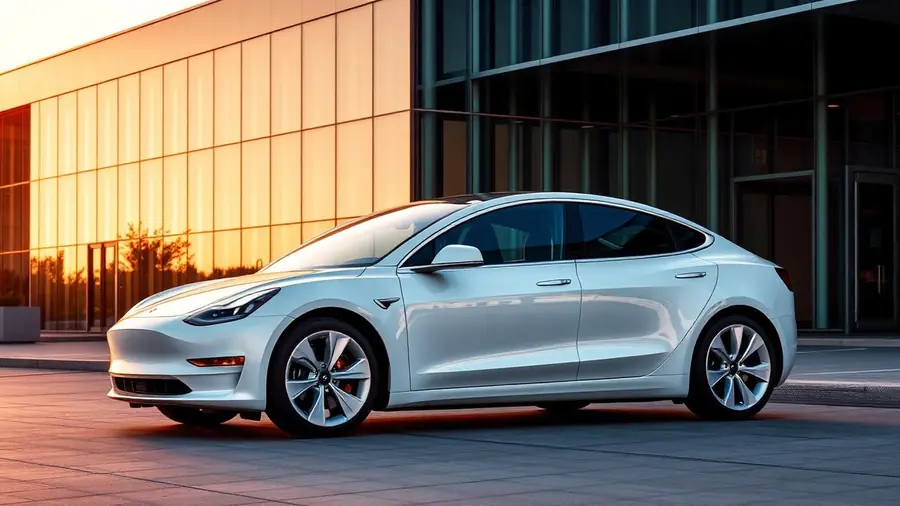
Conventional hybrids (Toyota Prius, Honda CR-V Hybrid) are typically 5–10% cheaper to insure than equivalent EVs. Plug-in hybrids (PHEVs) sit between hybrids and full EVs.
The premium gap
For a 2026 Toyota Camry Hybrid vs Hyundai Ioniq 6, the hybrid runs roughly 12% cheaper on identical driver profiles. Most of the gap comes from lower repair severity, not lower crash frequency.
Why hybrids cost less to insure
- Smaller, less expensive batteries
- Wider body-shop certification network
- Fewer high-voltage components exposed in collisions
The PHEV special case
PHEVs combine a larger battery (often 10–20 kWh) with a full ICE drivetrain. Premium-wise they land 4–8% below full EVs but 6–10% above conventional hybrids.
Key takeaways
- Hybrids are 8–15% cheaper to insure than equivalent EVs.
- PHEVs sit in the middle.
- Battery size and shop certification network are the main drivers.
Frequently asked questions
Q.Is a hybrid always cheaper to insure than an EV?
Almost always — averaging 8–15% cheaper. The exception is high-end hybrid sedans where the gap narrows.
References
Insurance attorney and policy-wording specialist with 15+ years interpreting auto coverage forms.
Continue reading

What EV Battery Coverage Actually Includes After a Collision: 2026-10-16 Update 1
Explains the difference between collision coverage, comprehensive claims, warranty coverage, and battery degradation exclusions. This is a fresh 2026-10-16 update: focus on what has changed recently, new data points, and current-year guidance — do not repeat the earlier article's coverage. Use this checklist to compare premiums, deductibles, repair support, and policy wording before renewal.
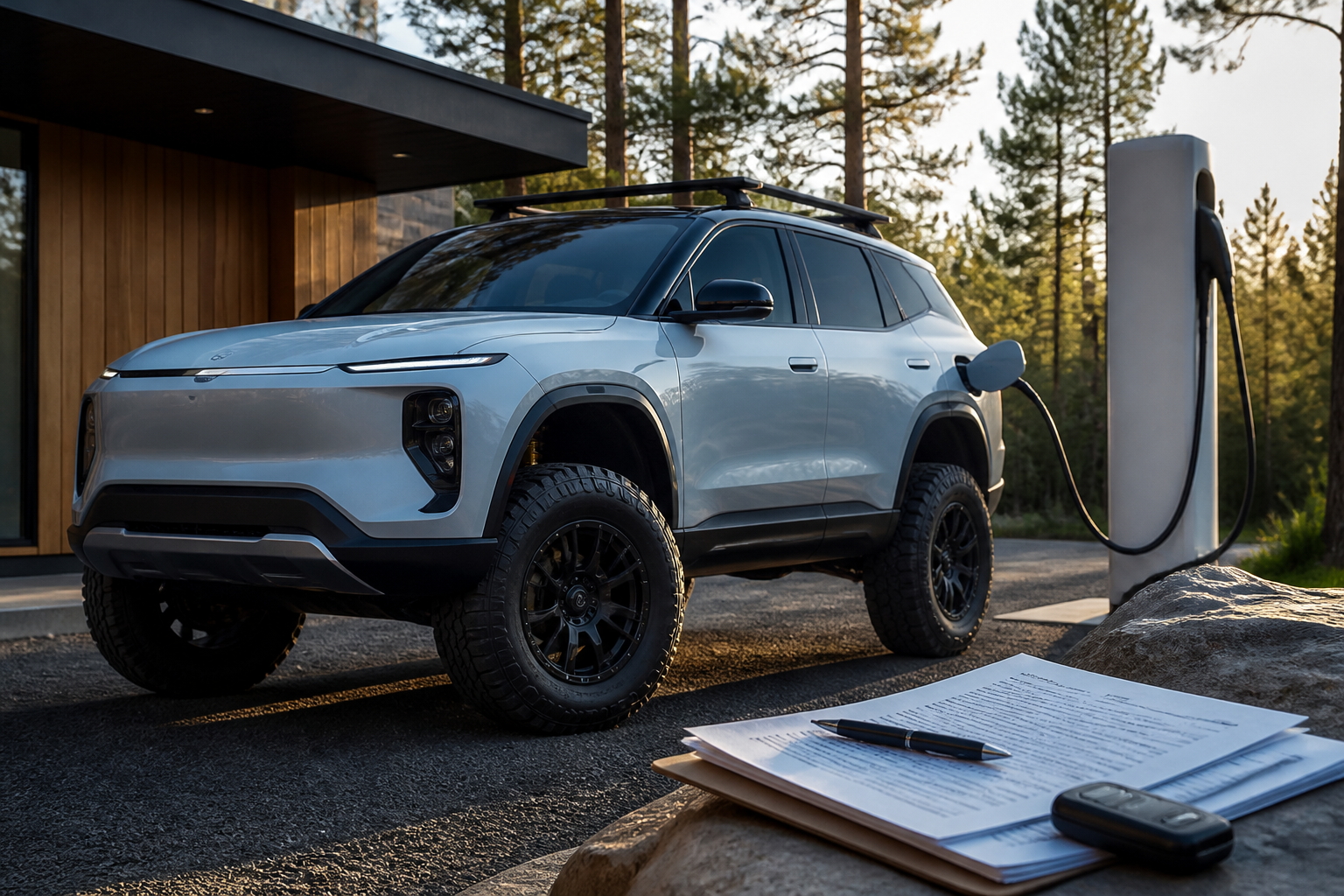
EV Insurance for Modified Suspension & Lift Kits: What's Covered?
Many EV owners customize their vehicles with lift kits or modified suspensions. This article will demystify how such aftermarket modifications impact insurance coverage, claims, and potential policy exclusions, providing clarity for drivers investing in vehicle personalization. Use this checklist to compare premiums, deductibles, repair support, and policy wording before renewal.
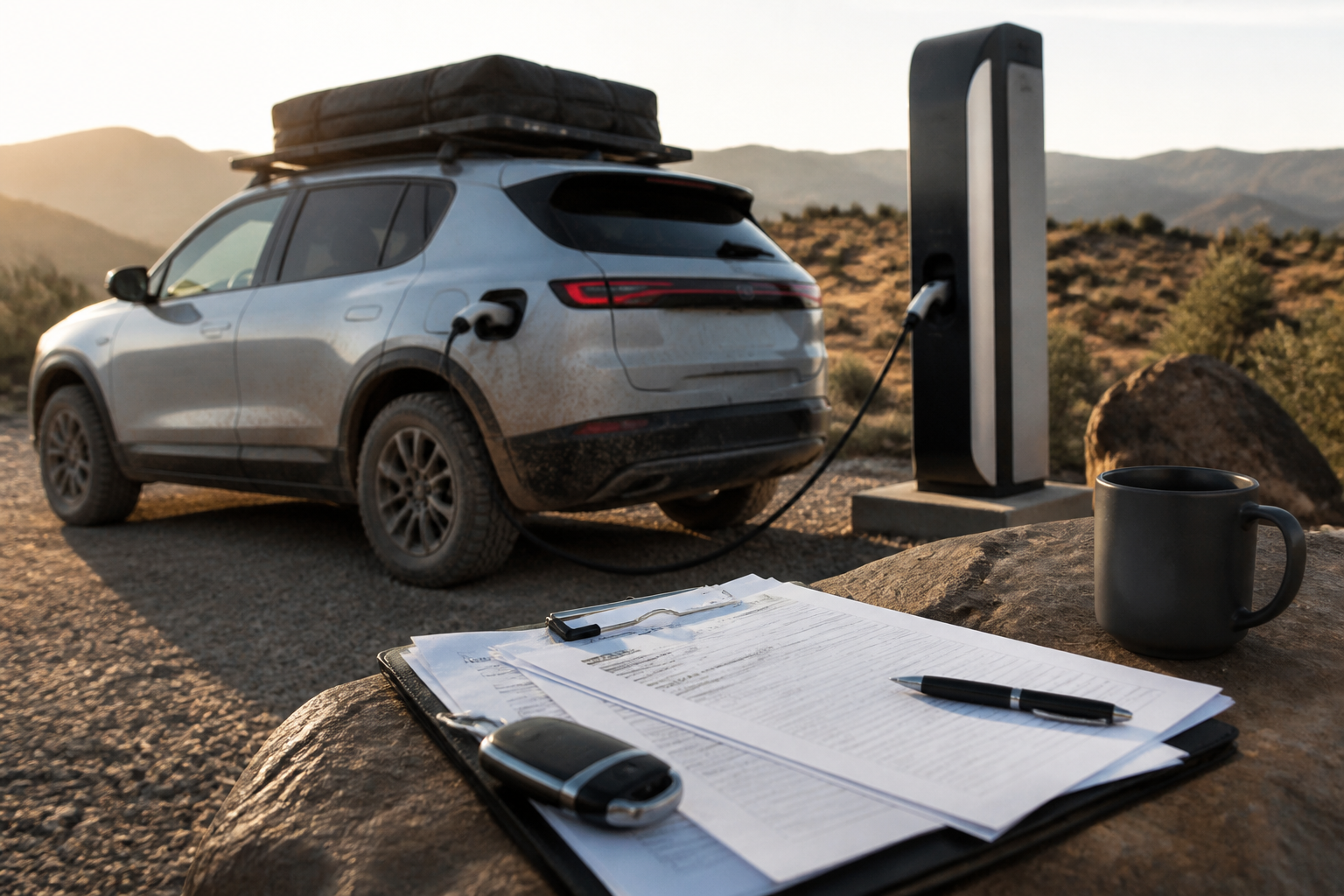
EV Insurance for Off-Roading & Overlanding: Protecting Your Adventure Vehicle
This article will explore specific coverage gaps and endorsements needed for EV owners who use their vehicles for off-road adventures or overlanding, covering potential damages unique to these activities like undercarriage protection, winch damage, and remote recovery. We'll analyze how standard policies fall short and what specialized coverage options exist. Use this checklist to compare premiums, deductibles, repair support, and policy wording before renewal.