Insuring the Cutting Edge: Navigating EV Insurance for Prototype and Limited-Run Models
For early adopters drawn to the allure of prototype or limited-run electric vehicles, securing appropriate insurance can be a complex journey. This guide delves into the unique considerations and potential hurdles when insuring these cutting-edge EVs.

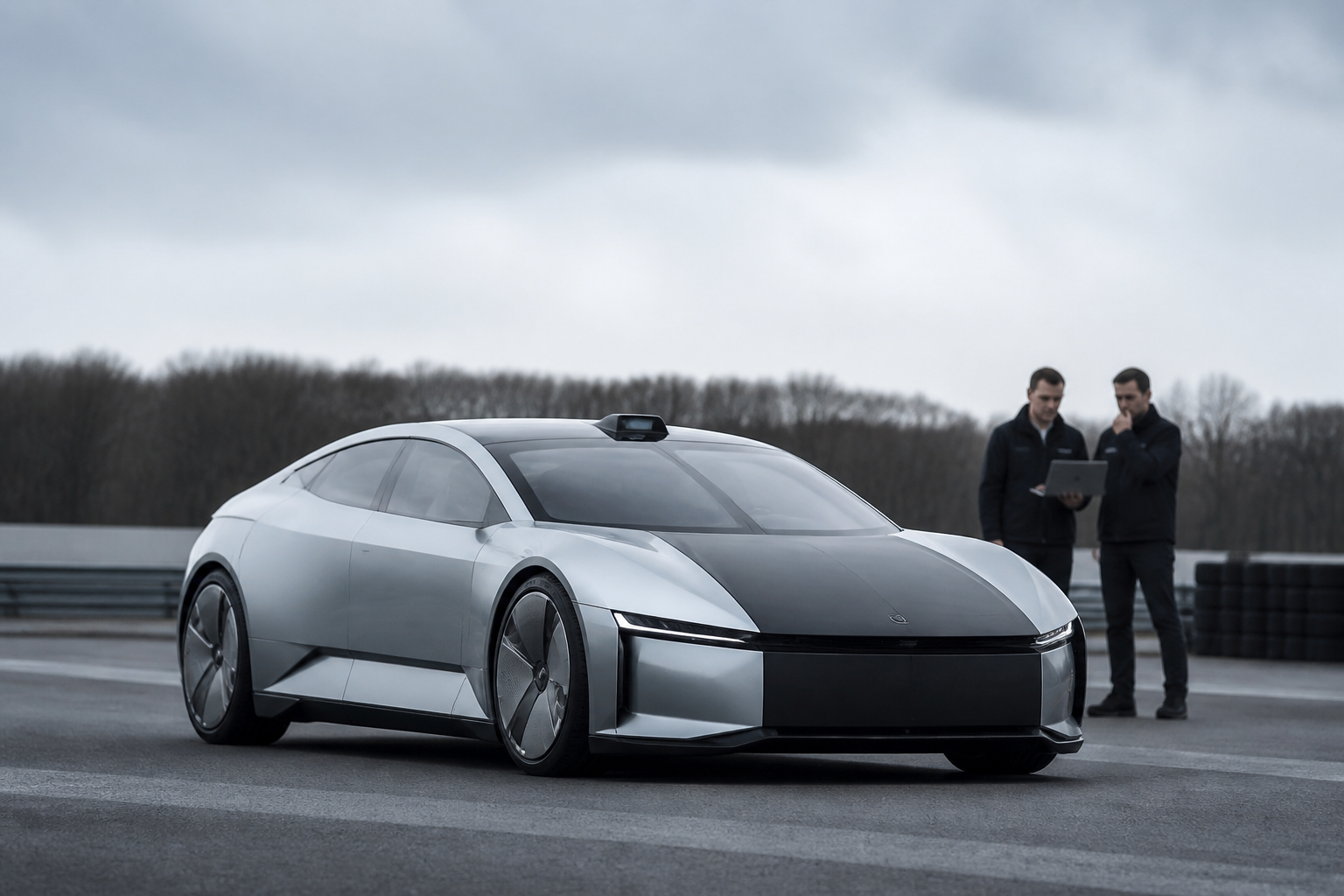
The electric vehicle (EV) landscape is rapidly evolving, attracting not only mainstream manufacturers but also innovative startups and bespoke designers pushing the boundaries of automotive technology. For a select group of early adopters, the appeal lies in owning something truly unique—a prototype, a concept car brought to limited production, or a hand-built, low-volume EV. While exhilarating, the practicalities of owning such a vehicle, particularly securing adequate insurance, present a distinct set of challenges. This article, from the perspective of an experienced P&C insurance analyst, delves into the intricacies of how to insure prototype electric car models and other limited-run EVs, examining how insurers evaluate risk for these non-standard vehicles and what potential owners need to consider regarding coverage.
The Lure of the Unconventional: Why Prototype EVs?
The decision to acquire a prototype or limited-run electric vehicle often stems from a passion for innovation, exclusivity, and a desire to be at the forefront of automotive technology. These vehicles represent the bleeding edge of design, engineering, and performance, offering a driving experience far removed from mass-produced models. Owners might be collectors, tech enthusiasts, or individuals seeking a highly personalized mode of transport. However, this exclusivity comes with a unique set of insurance considerations that differ significantly from those for a standard production EV.
Unlike a Tesla Model 3 or a Ford F-150 Lightning, which have established crash test data, readily available parts, and predictable repair methodologies, a prototype EV operates in a realm of unknowns. Its rarity means fewer examples exist for insurers to base their risk assessments on, leading to a more cautious and often more expensive underwriting process. The very nature of a prototype—a vehicle designed for testing and development, not necessarily for widespread public use—introduces variables that standard insurance models are not equipped to handle.
For example, a limited-run EV might be produced by a boutique manufacturer with a small global footprint, making parts sourcing a complex international endeavor. A true prototype, on the other hand, might have components that are one-of-a-kind, requiring specialized fabrication or engineering if damaged. These factors directly impact an insurer's ability to accurately price risk, leading to higher premiums and potentially more restrictive coverage terms.
Insurer Risk Assessment for Non-Standard EVs
When an insurer evaluates a standard vehicle, they rely on a vast database of information: crash test ratings (from organizations like NHTSA and IIHS), claims history for that make and model, parts availability and cost, repair network accessibility, and depreciation curves. For a prototype or limited-run EV, much of this data is either non-existent or extremely limited. This absence of conventional data forces insurers to adopt a more bespoke and often conservative approach to risk assessment.
Key factors that insurers will scrutinize for these non-standard EVs include:
- Production Volume: The fewer units produced, the harder it is to establish reliable claims data and parts supply chains.
- Manufacturer Reputation and Stability: Is the manufacturer a well-established entity or a startup with unproven longevity? The financial stability of the manufacturer can impact future parts availability and warranty support.
- Vehicle Specifications and Technology: Does the EV incorporate experimental or highly specialized technology? Are there unique battery configurations, propulsion systems, or advanced driver-assistance systems (ADAS) that deviate significantly from industry standards?
- Safety Data: Has the vehicle undergone any independent safety testing? If not, insurers may assume higher risk due to unknown crashworthiness.
- Intended Use: Is the vehicle primarily for show, occasional driving, or daily use? Limited use can sometimes mitigate risk, but also suggests a lack of real-world testing.
Insurers often categorize these vehicles as 'specialty' or 'exotic' automobiles, moving them out of standard personal auto insurance pools. This shift means different underwriting guidelines, potentially higher deductibles, and a more thorough individual assessment process. The lack of historical data often translates into a higher perceived risk, which is directly reflected in the premium.
Valuation Challenges and Agreed Value Policies
One of the most significant hurdles in insuring a prototype or limited-run EV is determining its true value. Standard vehicles depreciate predictably, and their market value can be easily ascertained through resources like Kelley Blue Book or NADA Guides. For unique EVs, there's no comparable market. The concept of 'Actual Cash Value' (ACV), which is typically replacement cost minus depreciation, becomes highly problematic.
This is where an Agreed Value policy becomes crucial. Instead of ACV, an Agreed Value policy means the insurer and the policyholder agree on a specific value for the vehicle at the start of the policy term. In the event of a total loss, the insurer pays out this agreed-upon amount, regardless of the market value at the time of the loss. This provides a vital safeguard for owners of rare and unique vehicles, ensuring they are adequately compensated for their significant investment.
To establish an Agreed Value, insurers will typically require:
- Professional Appraisal: An independent, certified appraisal from a specialist familiar with exotic or custom vehicles. This appraisal should detail the vehicle's unique features, construction, and estimated replacement cost.
- Detailed Documentation: Comprehensive records of the vehicle's purchase price, any custom modifications, build sheets, and provenance.
- Photographic Evidence: High-quality, detailed photographs of the vehicle from all angles, documenting its condition and unique attributes.
It's important to note that even with an Agreed Value policy, insurers may still place limits on the maximum value they are willing to cover, especially for experimental vehicles where the long-term viability or performance is uncertain. Owners should be prepared for a thorough vetting process and potentially multiple rounds of negotiation to secure an appropriate agreed value.
Repair and Parts Availability: A Major Hurdle
The ease and cost of repair are fundamental considerations for any insurance policy. For prototype and limited-run EVs, this becomes a critical point of concern. Standard EVs benefit from established service networks, readily available OEM (Original Equipment Manufacturer) parts, and trained technicians. This is rarely the case for highly specialized vehicles.
- Unique Components: Prototypes often feature bespoke components that are not mass-produced. If these parts are damaged, they may need to be custom-fabricated, leading to exorbitant costs and lengthy repair times.
- Specialized Expertise: Repairing advanced EV powertrains and electronics requires highly specialized knowledge and equipment. Finding a qualified repair shop capable of working on a unique EV can be a significant challenge, especially outside of major metropolitan areas or the manufacturer's immediate vicinity.
- International Sourcing: For limited-run EVs from smaller manufacturers, parts may need to be sourced internationally, incurring additional shipping costs, customs duties, and extended delays.
- Software and Diagnostics: Modern EVs are heavily reliant on software. Proprietary diagnostic tools and software updates for a prototype might only be available directly from the manufacturer, potentially complicating repairs by independent shops.
Insurers will factor these logistical and financial complexities into their premium calculations. They may also impose specific requirements regarding where and by whom repairs can be performed, often stipulating manufacturer-approved facilities or highly specialized repair centers. This can significantly impact the policyholder's choice and convenience in the event of a claim.
Navigating Coverage Limitations and Exclusions
Due to the inherent risks and unknowns associated with prototype and limited-run EVs, insurers may include specific limitations or exclusions in their policies that are not typically found in standard auto insurance. It's imperative for owners to meticulously review their policy documents to understand these nuances.
Common areas of potential limitation or exclusion include:
- Experimental Technology: Damage related to experimental or unproven technologies within the vehicle might be excluded.
- Track Use: If the vehicle is intended for or used on racetracks or for competitive events, standard policies will almost certainly exclude coverage during such activities. Specialty track-day insurance would be required.
- Off-Road Use: Unless explicitly designed and insured for off-road conditions, damage incurred during off-road driving can be excluded.
- Manufacturer Defects: While a standard warranty covers defects, insurance typically covers accidental damage. However, if a prototype's design flaw contributes to an accident, the interplay between warranty and insurance can become complex.
- Geographic Restrictions: Some specialty policies may have geographic limitations, particularly if the vehicle is exceptionally rare or requires highly specialized repair facilities only available in certain regions.
- Battery Degradation/Failure: While accidental damage to the battery is usually covered, the natural degradation or failure of a prototype battery pack (if not covered by a manufacturer's warranty) might not be. This is a critical point given the high cost of EV battery replacement, which can range from $5,000 to over $20,000 for production models, and potentially far more for bespoke prototype units.
Understanding these limitations upfront can prevent significant financial surprises in the event of a claim. It's advisable to have a detailed discussion with your insurance broker or underwriter about any specific concerns related to the vehicle's unique characteristics.
Finding Specialist Insurers and Brokers
Attempting to insure a prototype or limited-run EV through a standard insurance provider that primarily handles mass-market vehicles is likely to be an exercise in frustration. These vehicles fall outside their typical underwriting models. The key is to seek out insurance companies and brokers that specialize in high-value, exotic, classic, or custom vehicles.
These specialist insurers often have dedicated underwriting teams with experience in assessing unique risks. They understand the nuances of Agreed Value policies, the complexities of parts sourcing for rare vehicles, and the need for flexible coverage solutions. They also tend to work with a network of appraisers and repair shops that are equipped to handle such vehicles.
When searching for a specialist, consider:
- Experience with Rare/Exotic Vehicles: Do they have a proven track record of insuring vehicles similar in rarity or value to yours?
- Agreed Value Expertise: Can they clearly explain their Agreed Value process and provide examples of successful claims?
- Broker Relationships: A specialist broker will have relationships with multiple niche carriers, increasing your chances of finding competitive coverage.
- Customer Service: Given the potential complexities, responsive and knowledgeable customer service is paramount.
It's also worth exploring if the manufacturer of your limited-run EV has any preferred insurance partners or recommendations. Some boutique EV makers may have established relationships with insurers who are already familiar with their specific models.
Steps to Insure a Prototype or Limited-Run EV
Insuring a non-standard EV requires a proactive and detailed approach. Here’s a recommended process:
- Gather Comprehensive Documentation: Collect all available information about the vehicle, including purchase agreements, build specifications, any available safety certifications, appraisal reports, and detailed photographs. The more information you can provide, the easier it will be for an insurer to assess the risk.
- Seek Expert Appraisal: Before approaching insurers, obtain a professional appraisal from an independent expert specializing in high-value, custom, or exotic vehicles. This appraisal will be foundational for establishing an Agreed Value.
- Contact Specialty Insurance Brokers: Engage a broker who specializes in collector, exotic, or high-value vehicle insurance. They have the expertise and connections to navigate this niche market.
- Request Multiple Quotes: Don't settle for the first quote. Obtain proposals from several specialist insurers to compare coverage, exclusions, and premiums. Be prepared for premiums that are significantly higher than those for a mass-market EV, potentially ranging from 2-5 times the cost of insuring a comparable standard production model, depending on the vehicle's value and rarity.
- Understand Policy Terms and Exclusions: Carefully read the entire policy document. Pay close attention to sections on valuation, repair procedures, parts replacement, geographic limitations, and any specific exclusions related to experimental technology or vehicle use. Ask your broker to clarify any unclear terms.
- Maintain Ongoing Communication: If you make modifications to the vehicle or if its value changes, inform your insurer. Agreed Value policies often require periodic re-appraisals to ensure the coverage remains adequate.
While the process of insuring a prototype or limited-run electric vehicle is undoubtedly more involved than insuring a standard car, it is not insurmountable. With diligent preparation, expert guidance, and a clear understanding of the unique challenges, owners can secure the necessary protection for their extraordinary EV investment. The allure of these cutting-edge machines is strong, and with the right insurance strategy, the peace of mind can match the thrill of ownership.
Key takeaways
- Insuring prototype or limited-run EVs requires specialist insurance providers due to their unique characteristics and lack of standard data.
- Agreed Value policies are essential for these vehicles, ensuring a pre-determined payout in case of a total loss, unlike standard Actual Cash Value policies.
- Repair costs and parts availability are major concerns, as unique components and specialized expertise can lead to higher premiums and longer repair times.
- Expect significantly higher premiums for prototype EVs compared to mass-produced models, reflecting the increased risk and complexity for insurers.
- Thorough documentation, independent appraisals, and careful review of policy exclusions are critical steps for owners of these cutting-edge electric vehicles.
Frequently asked questions
Q.Can I get standard auto insurance for a prototype electric car?
It is highly unlikely you will be able to secure standard auto insurance for a prototype or limited-run electric car. These vehicles fall outside the typical risk assessment models of mainstream insurers due to lack of data, unique parts, and specialized repair needs. You will almost certainly need to seek out specialty insurance providers.
Q.What is an 'Agreed Value' policy and why is it important for unique EVs?
An 'Agreed Value' policy is where you and the insurer agree on a specific value for your vehicle when you purchase the policy. This is crucial for unique EVs because their market value is hard to determine, ensuring that in the event of a total loss, you are paid the pre-determined amount rather than a depreciated 'Actual Cash Value'.
Q.Will insuring a prototype EV be more expensive than a regular EV?
Yes, insuring a prototype or limited-run EV will almost always be significantly more expensive than insuring a mass-produced EV. The rarity, lack of readily available parts, specialized repair requirements, and unknown crash data all contribute to a higher perceived risk for insurers, leading to higher premiums.
Q.What kind of information will insurers need to quote a prototype EV?
Insurers will require extensive documentation, including professional appraisals, detailed build sheets, purchase agreements, comprehensive photographs, and any available safety or performance data. The more information you can provide about the vehicle's uniqueness and specifications, the better equipped the insurer will be to assess the risk.
Q.Are there specific exclusions I should look out for in a policy for a prototype EV?
Yes, be vigilant for exclusions related to experimental technology, track use, off-road driving, or specific geographic limitations. Also, clarify coverage for unique battery systems and proprietary software, as these can be areas of concern for non-standard vehicles.
References
Automotive journalist with 10+ years road-testing EVs and tracking model-by-model ownership costs.
Continue reading

Tesla Model Y Insurance Costs: What Owners Should Compare at Renewal: 2026-10-18 Update 1
Model-specific renewal checklist covering trim, location, repair networks, and driver-assistance assumptions. This is a fresh 2026-10-18 update: focus on what has changed recently, new data points, and current-year guidance — do not repeat the earlier article's coverage. Use this checklist to compare premiums, deductibles, repair support, and policy wording before renewal.

Tesla Model Y Insurance Costs: What Owners Should Compare at Renewal: 2026-10-17 Update 2
Model-specific renewal checklist covering trim, location, repair networks, and driver-assistance assumptions. This is a fresh 2026-10-17 update: focus on what has changed recently, new data points, and current-year guidance — do not repeat the earlier article's coverage. Use this checklist to compare premiums, deductibles, repair support, and policy wording before renewal.

Tesla Model Y Insurance Costs: What Owners Should Compare at Renewal: 2026-10-16 Update 3
Model-specific renewal checklist covering trim, location, repair networks, and driver-assistance assumptions. This is a fresh 2026-10-16 update: focus on what has changed recently, new data points, and current-year guidance — do not repeat the earlier article's coverage. Use this checklist to compare premiums, deductibles, repair support, and policy wording before renewal.