Insuring Your Custom EV: A Guide to Coverage for Aftermarket Modifications
Modifying your electric vehicle can personalize your ride and boost performance, but it also introduces complexities for insurance coverage. Learn how aftermarket parts and custom builds impact your EV insurance.


Electric vehicles (EVs) are no longer just about efficiency; they're becoming platforms for personalization and performance enhancement. From aesthetic tweaks to significant powertrain upgrades, EV owners are increasingly embracing aftermarket modifications. However, this trend introduces unique challenges when it comes to insurance. Standard policies are typically designed for original equipment manufacturer (OEM) specifications, meaning your custom EV might not be fully protected without specific adjustments to your coverage. Understanding how insurers assess risk for non-OEM components and what coverage options exist is crucial for any EV enthusiast.
The Rise of EV Customization
The electric vehicle market has matured beyond early adopters focused solely on environmental benefits and fuel savings. Today, a growing segment of EV owners views their vehicles as canvases for personal expression and performance tuning. This mirrors the long-standing culture of modification in the internal combustion engine (ICE) world, but with a unique EV twist. The relative simplicity of electric powertrains, coupled with advanced software capabilities, opens new avenues for customization.
From visual enhancements like custom wraps, aerodynamic body kits, and unique wheel designs to performance-focused upgrades such as suspension tuning, brake improvements, and even software-based power boosts, the aftermarket industry for EVs is rapidly expanding. This shift means that insurers are continually adapting their underwriting models to account for the diverse range of modifications and their potential impact on vehicle value, repair costs, and risk profiles. The challenge lies in accurately assessing the value of these non-standard components and ensuring they are adequately covered in the event of a claim.
How Insurers View Modified EVs
When you modify your electric vehicle with aftermarket parts, you're essentially changing its original factory specifications. Insurers, by nature, are risk-averse, and any deviation from a vehicle's OEM design introduces variables that can complicate their risk assessment. Their primary concerns typically revolve around increased repair costs, altered safety profiles, and the potential for higher theft risk.
For example, a custom body kit might increase the cost of repairs after an accident, as specialized parts and labor may be required instead of readily available OEM components. Performance upgrades, such as enhanced braking systems or suspension, could be seen as altering the vehicle's original handling characteristics, potentially leading to different accident scenarios. Furthermore, high-value aesthetic modifications can make a vehicle a more attractive target for thieves. Insurers will often categorize modifications into different risk levels, influencing premiums and coverage availability. Disclosure is paramount; failing to inform your insurer about significant modifications can lead to denied claims or policy cancellation.
Types of Modifications and Their Impact
Not all modifications are created equal in the eyes of an insurer. The impact on your premium and coverage will largely depend on the nature and extent of the changes. Here's a breakdown of common EV modifications and how they're generally perceived:
- Aesthetic Modifications: These include custom paint jobs, wraps, body kits, unique wheels, interior upgrades (e.g., custom upholstery, infotainment systems). While they don't typically affect performance, they increase the vehicle's value and can make repairs more expensive. Insurers may require specific endorsements to cover the increased value.
- Performance Modifications: This category encompasses suspension upgrades, brake enhancements, software tunes for increased power, and improved cooling systems. These can significantly alter a vehicle's handling and speed. Insurers often view these as higher risk due to the potential for more severe accidents or increased wear and tear. Some performance modifications may even void parts of your vehicle's factory warranty, which can also influence an insurer's stance.
- Functional Modifications: Examples include custom towing hitches (if not factory-installed), roof racks for specialized equipment, or adaptive driving controls. These are often seen as less risky than performance mods but can still influence coverage, especially if they alter the vehicle's weight distribution or structural integrity.
- Structural Modifications: Any changes to the vehicle's chassis, frame, or fundamental safety systems fall into this high-risk category. These are rare for most EV owners but can include things like extensive body panel alterations for wide-body kits that require cutting and welding. These modifications are often difficult to insure and may require specialized policies.
The key takeaway is that changes impacting safety, performance, or repair complexity will likely have a more significant effect on your insurance than purely cosmetic alterations. Always discuss any planned modifications with your insurer before installation.
Understanding Coverage Options for Modified EVs
Standard auto insurance policies typically only cover your vehicle up to its actual cash value (ACV) based on its OEM specifications. This means that if you have significant aftermarket modifications, they might not be covered in the event of a loss unless you've taken specific steps. Here are the primary coverage options to consider for your modified EV:
- Custom Parts and Equipment (CPE) Coverage: Also known as "Custom Equipment Coverage" or "Accessory Coverage," this is the most common way to insure aftermarket parts. It's an endorsement added to your standard comprehensive and collision policy. It provides additional coverage for non-OEM parts, accessories, and modifications. The coverage limit can vary significantly between insurers, often ranging from $1,000 to $5,000, though higher limits may be available for an increased premium. It's crucial to ensure the limit is sufficient to cover the full value of your modifications.
- Agreed Value Coverage: For highly customized or high-value EVs, Agreed Value coverage can be an excellent option. Instead of the insurer determining the ACV after a loss, you and the insurer agree on a specific value for your vehicle (including modifications) at the beginning of the policy term. This value is then paid out in the event of a total loss. This type of coverage is typically more expensive and often requires an appraisal of your vehicle. It's particularly beneficial for unique builds where market value is hard to ascertain.
- Stated Value Coverage: Similar to agreed value, but with a crucial difference. While you state a value, the insurer reserves the right to pay out the actual cash value or the stated value, whichever is less, in the event of a total loss. This offers less certainty than agreed value coverage and is often less expensive as a result.
- Specialty Auto Insurance: Some insurers specialize in classic cars, collector vehicles, or highly modified vehicles. These policies are designed to accommodate unique valuations and specific risks associated with non-standard vehicles. While potentially more costly, they often offer more comprehensive coverage for custom parts and a deeper understanding of the valuation process for modified EVs.
It's vital to discuss these options thoroughly with your insurance agent to determine which best fits your specific modifications and budget. Always provide detailed receipts and photos of your modifications to support your coverage requests.
The Valuation Challenge for Custom EVs
One of the biggest hurdles in insuring a modified EV is accurately valuing its worth. Traditional insurance models rely on standardized valuation methods, such as Kelley Blue Book or NADA guides, which primarily account for OEM vehicles. Aftermarket modifications introduce a subjective element to valuation that these standard guides don't capture.
When an insurer assesses the value of a modified EV, they consider several factors:
- Cost of Parts and Labor: Receipts for all aftermarket parts and professional installation labor are critical. Without them, it's challenging to prove the value of your modifications.
- Depreciation: Like OEM parts, aftermarket parts also depreciate. However, the rate can vary, and some modifications (e.g., highly specialized performance parts) may retain value better than others (e.g., generic cosmetic add-ons).
- Market Demand: While less common for everyday modifications, for highly unique or professionally built custom EVs, market demand for similar vehicles can play a role in valuation.
- Professional Appraisal: For significant modifications, an independent professional appraisal can provide a credible valuation that insurers are more likely to accept for agreed-value policies. This appraisal should detail all modifications, their cost, and their impact on the vehicle's overall value.
The challenge is particularly acute in the event of a total loss. Without proper documentation and specific coverage, you might only receive the ACV of your EV as if it were stock, leaving you significantly out of pocket for your custom parts. This is why proactive communication with your insurer and securing appropriate endorsements are non-negotiable for modified EV owners.
Navigating the Claims Process with a Modified EV
Even with the right coverage in place, filing a claim for a modified EV can be more complex than for a stock vehicle. Understanding the process and being prepared can help ensure a smoother experience.
First and foremost, immediate notification to your insurer is crucial after an incident. Be transparent about the modifications. Provide all documentation you have, including:
- Detailed lists of all aftermarket parts installed.
- Original purchase receipts for parts and installation labor.
- Before-and-after photographs of the modifications.
- Any professional appraisals conducted.
The insurer's adjusters will need to assess the damage and the value of the modified components. This may involve specific expertise, especially for performance or structural modifications. If your policy includes Custom Parts and Equipment (CPE) coverage, the adjuster will evaluate the damage to those specific parts against your coverage limit. If you have an agreed-value policy, the payout for a total loss will be the pre-agreed amount, simplifying the valuation process significantly.
Be prepared for potential delays if your modifications require specialized repair shops or hard-to-find parts. It's also wise to research repair facilities that have experience with modified vehicles, particularly EVs, as not all shops may be equipped to handle custom work or specialized EV components. Proactive research and clear communication with your insurer and repair shop are key to a successful claims resolution.
Tips for Insuring Your Modified EV
Insuring a modified electric vehicle requires a proactive and detailed approach. Here are practical tips to ensure you have adequate coverage:
- Disclose Everything: Be completely transparent with your insurer about all modifications, both aesthetic and performance-related. Failing to disclose can lead to denied claims or policy cancellation.
- Keep Detailed Records: Maintain meticulous records of all modifications, including purchase receipts for parts, invoices for professional installation, and before-and-after photographs. This documentation is invaluable for valuation and claims.
- Understand Your Policy: Don't just assume your modifications are covered. Read your policy documents carefully, specifically looking for clauses related to aftermarket parts, accessories, and custom equipment. Ask your agent specific questions about coverage limits and exclusions.
- Consider Custom Parts and Equipment (CPE) Coverage: For most modified EVs, adding a CPE endorsement is the most straightforward way to protect your aftermarket investment. Ensure the coverage limit is sufficient for the total value of your modifications.
- Explore Agreed Value for High-Value Builds: If your EV has extensive, high-value modifications that significantly increase its worth beyond standard market value, an Agreed Value policy might be the best option. This provides certainty in the event of a total loss.
- Shop Around: Not all insurers are equally comfortable with modified vehicles. Some may offer better rates or more comprehensive coverage options for custom EVs. Obtain quotes from several providers, including specialty insurers.
- Consult a Specialist: If you have a highly unique or significantly modified EV, consider working with an insurance agent who specializes in custom or collector vehicles. They often have access to niche policies and a better understanding of the valuation complexities.
- Review Annually: As you add new modifications or as the value of your existing ones changes, review your policy annually to ensure your coverage remains adequate.
By following these guidelines, you can enjoy your customized electric vehicle with the peace of mind that your investment is adequately protected.
Key takeaways
- Disclose all EV modifications to your insurer to ensure proper coverage and avoid claim denials.
- Standard EV insurance policies typically only cover OEM parts; add Custom Parts and Equipment (CPE) coverage for aftermarket components.
- For highly customized EVs, consider Agreed Value coverage to protect your significant investment in modifications.
- Keep detailed records, including receipts and photos, of all aftermarket parts and installation for valuation purposes.
- Shop around and consider specialty insurers, as not all providers are equally equipped to insure modified electric vehicles.
Frequently asked questions
Q.Will modifying my EV void its factory warranty?
Some modifications, particularly performance-enhancing ones or those that alter the vehicle's electrical systems, can potentially void parts of your EV's factory warranty. Always check with your vehicle manufacturer before making significant changes.
Q.Do I need to tell my insurance company about every small modification?
It's best practice to disclose all modifications. While minor aesthetic changes like decals might not significantly impact your premium, anything that adds value, affects performance, or alters safety features should always be reported to your insurer to ensure proper coverage.
Q.What happens if I don't tell my insurer about my EV modifications?
If you fail to disclose modifications and then file a claim, your insurer may deny coverage for the modified parts, pay out only the actual cash value of a stock vehicle, or even cancel your policy. Transparency is crucial to avoid these issues.
Q.Are software performance upgrades considered modifications by insurers?
Yes, software-based performance upgrades (tunes) are typically considered modifications. They can alter the vehicle's power output, handling characteristics, and potentially increase accident risk, leading insurers to view them as a factor in your premium and coverage.
References
Insurance attorney and policy-wording specialist with 15+ years interpreting auto coverage forms.
Continue reading

What EV Battery Coverage Actually Includes After a Collision: 2026-10-16 Update 1
Explains the difference between collision coverage, comprehensive claims, warranty coverage, and battery degradation exclusions. This is a fresh 2026-10-16 update: focus on what has changed recently, new data points, and current-year guidance — do not repeat the earlier article's coverage. Use this checklist to compare premiums, deductibles, repair support, and policy wording before renewal.
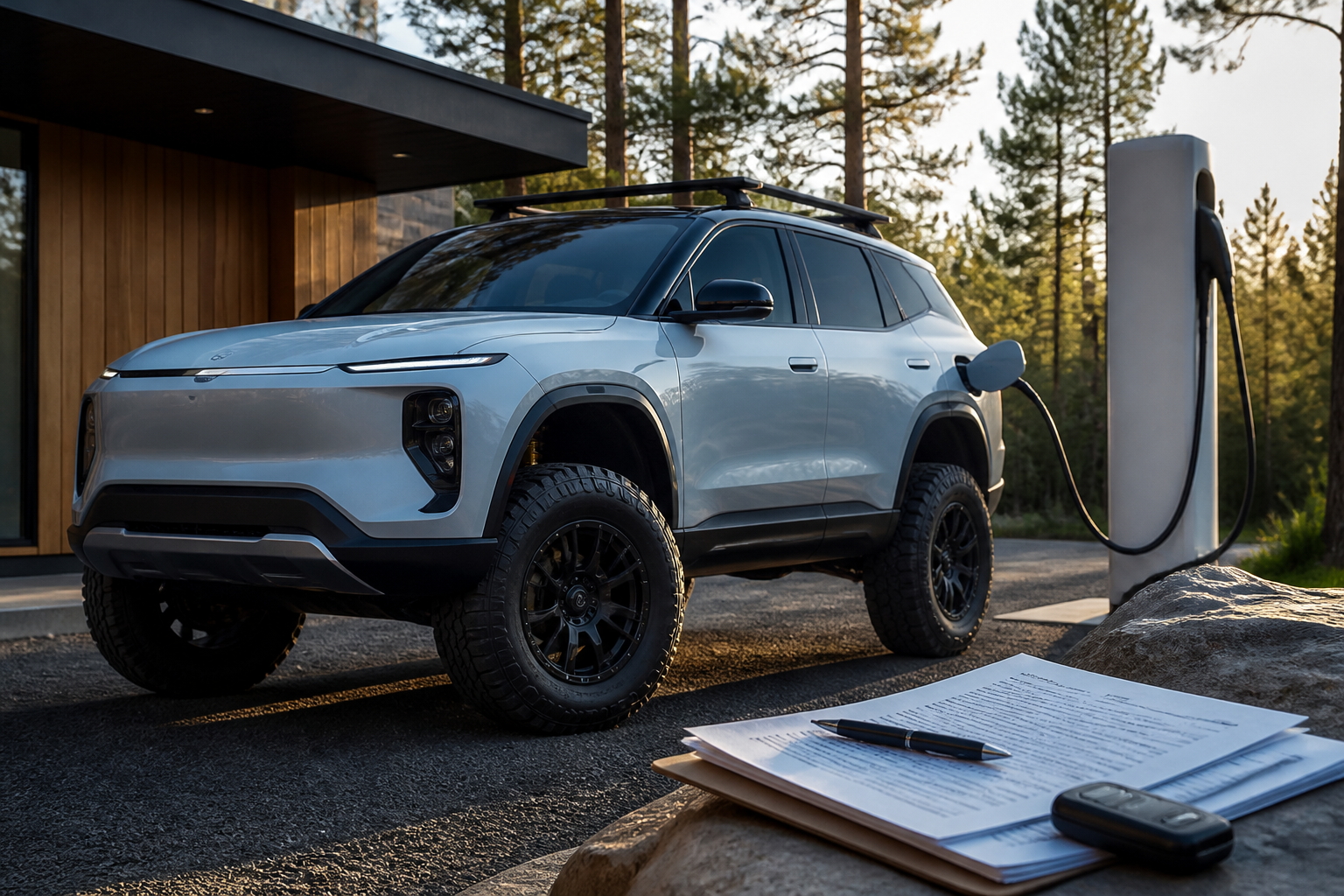
EV Insurance for Modified Suspension & Lift Kits: What's Covered?
Many EV owners customize their vehicles with lift kits or modified suspensions. This article will demystify how such aftermarket modifications impact insurance coverage, claims, and potential policy exclusions, providing clarity for drivers investing in vehicle personalization. Use this checklist to compare premiums, deductibles, repair support, and policy wording before renewal.
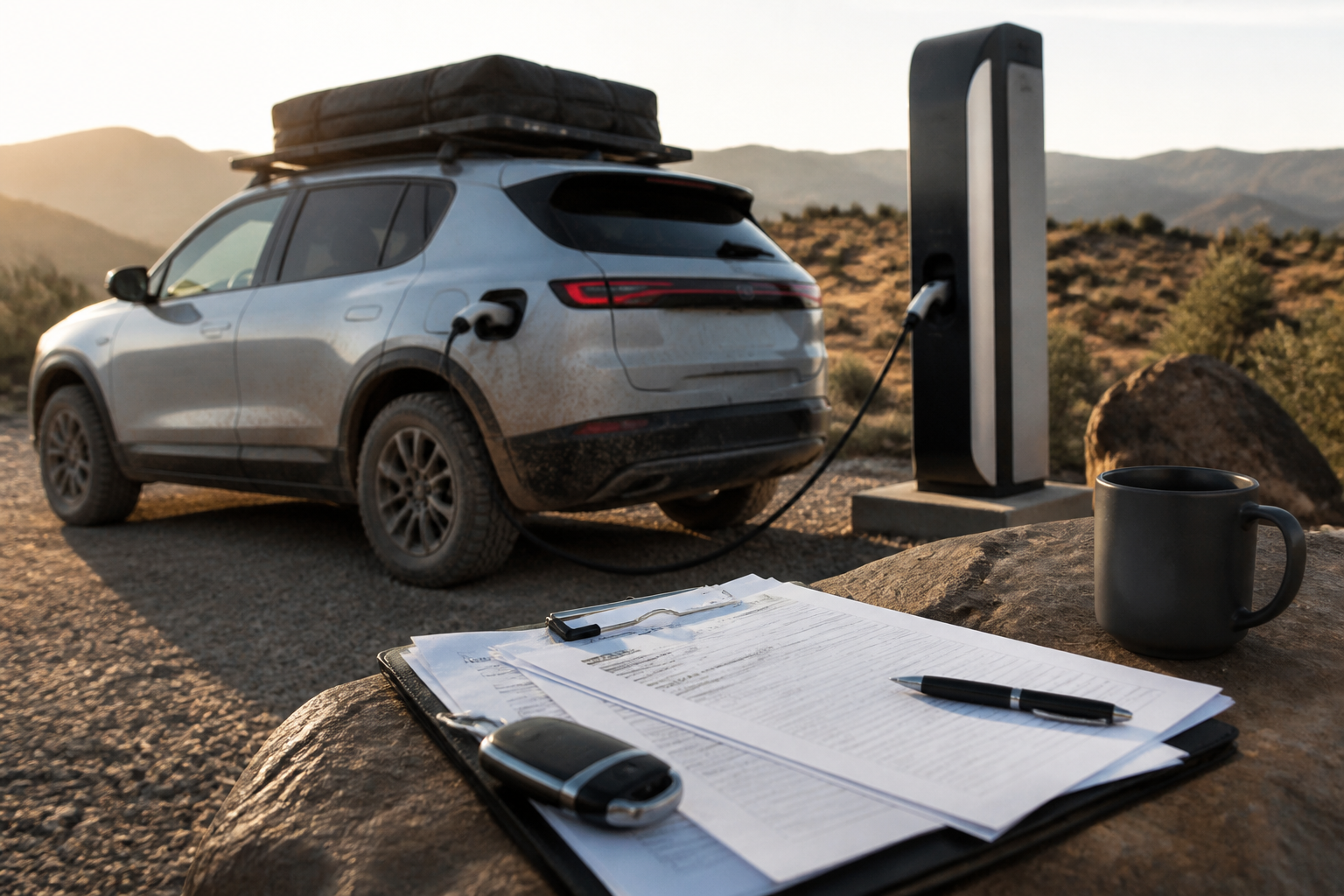
EV Insurance for Off-Roading & Overlanding: Protecting Your Adventure Vehicle
This article will explore specific coverage gaps and endorsements needed for EV owners who use their vehicles for off-road adventures or overlanding, covering potential damages unique to these activities like undercarriage protection, winch damage, and remote recovery. We'll analyze how standard policies fall short and what specialized coverage options exist. Use this checklist to compare premiums, deductibles, repair support, and policy wording before renewal.