
Tesla Insurance Cost in 2026: Model 3, Model Y, Model S and Model X Compared
Tesla insurance averages $2,640 a year across the lineup — about 42% above the national average. Here's the model-by-model breakdown and why the numbers differ so much.

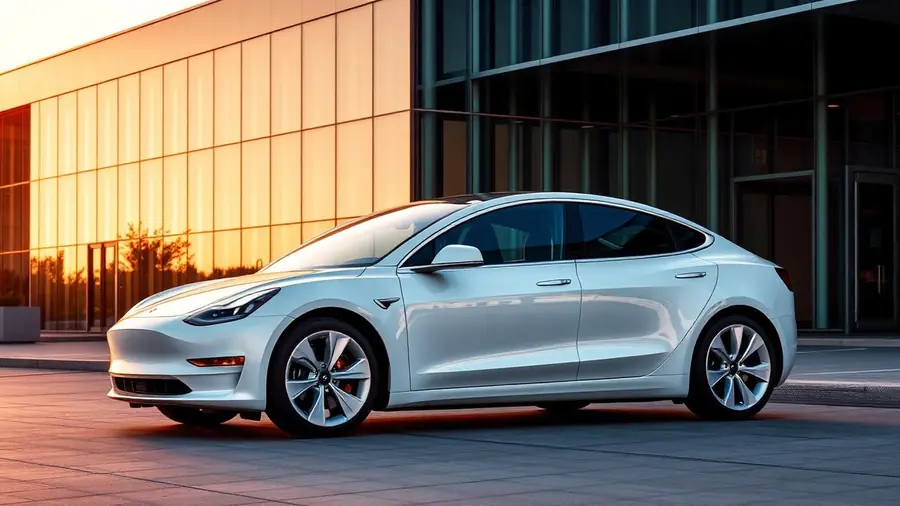
Tesla is the most-searched vehicle brand in US car insurance, and for good reason: premiums vary more across the Tesla lineup than almost any other manufacturer. Our 2026 analysis of advertised full-coverage rates across forty carriers puts the average Tesla insurance cost at $2,640 per year — roughly 42% above the $1,860 national average for full coverage on all vehicle types.
Average Tesla insurance cost in 2026
These figures assume a 40-year-old driver with a clean record, good credit, full coverage ($100k/$300k liability, $500 comprehensive and collision deductibles) and roughly 12,000 annual miles. Your own quote will move with state, ZIP code, age and driving history.
| Model | Average annual premium | Average per month | vs national average |
|---|---|---|---|
| Tesla Model 3 | $2,380 | $198 | +28% |
| Tesla Model Y | $2,510 | $209 | +35% |
| Tesla Model S | $3,120 | $260 | +68% |
| Tesla Model X | $3,050 | $254 | +64% |
| Tesla lineup average | $2,640 | $220 | +42% |
| US national average (all vehicles) | $1,860 | $155 | — |
Tesla Model 3 insurance cost
The Model 3 is the cheapest Tesla to insure at about $2,380 a year. It has the lowest replacement cost in the lineup, the largest certified repair network, and the deepest claims history — all of which help actuaries price it with confidence. Performance trims add roughly 12% over the Long Range, and the difference between the cheapest and most expensive carrier quote for an identical Model 3 driver profile is frequently more than $900 a year.
Compared with a Toyota Camry ($1,690) or Honda Accord ($1,720), the Model 3 costs about $660–$690 more per year to insure.
Tesla Model Y insurance cost
At around $2,510 a year, the Model Y sits just above the Model 3. It shares most of its drivetrain and sensor hardware, but the larger body panels, rear-hatch glass and higher average transaction price push claim severity up. It is also the highest-volume Tesla on US roads, which means plenty of comparison data — shop it hard, because carrier spread on the Model Y is the widest in the lineup.
Tesla Model S insurance cost
The Model S is the most expensive Tesla to insure at roughly $3,120 a year. A six-figure replacement cost, a larger and more expensive battery pack, and a much smaller pool of certified body shops all raise expected payouts. Plaid trims can add another 15–20% on top.
Tesla Model X insurance cost
Close behind at about $3,050 a year. The falcon-wing doors are the differentiator: the hinge mechanism, sensors and alignment work make even moderate side-impact damage significantly more expensive than on a conventional SUV.
How Teslas compare to gas-powered cars
Against directly comparable gas vehicles, the picture is more moderate than the headline "+42%" suggests. The Model 3 is a premium compact sedan, so the fairer comparison is a BMW 3 Series ($2,140) rather than a Camry. On that basis, the Model 3 premium gap narrows to roughly 11%. The Model S versus a Mercedes-Benz E-Class ($2,780) is a 12% gap. Most of the gap against the national average is a vehicle-class effect, not an electric-drivetrain effect.
Why Tesla premiums run high
- Battery pack value. A replacement pack runs $13,000–$22,000 depending on model, so total-loss thresholds are hit faster.
- Certified repair scarcity. Tesla-approved body shops bill $130–$180/hour and often have multi-week backlogs, inflating rental-coverage costs.
- Sensor recalibration. Autopilot cameras and radar in bumpers and windshields turn a minor tap into a $3,500+ claim.
- Straight-line acceleration. Rated 0–60 times feed directly into carrier risk models, particularly on Performance and Plaid trims.
- High theft-recovery value of parts. Catalytic-converter theft doesn't apply, but wheel, screen and battery-module theft claims are rising.
How to lower your Tesla premium
- Quote Tesla Insurance and three third-party carriers. Tesla Insurance's real-time Safety Score pricing beats the market for careful drivers in the states where it operates — and loses badly for anyone who brakes hard.
- Raise your collision deductible. Moving $500 → $1,000 saves an average of 9% on the collision line, which dominates a Tesla bill.
- Bundle with homeowners or renters for a typical 8–15% multi-policy discount.
- Choose the Long Range over the Performance trim if you're still shopping — it is worth roughly 12% a year in premium.
- Re-shop every renewal. Tesla rates have moved more than any other brand over the past three years; loyalty is expensive.
Bottom line: expect to pay between $198 and $260 a month for full coverage on a Tesla in 2026, and expect a $700–$1,100 annual spread between the cheapest and most expensive carrier for the exact same car and driver.
Key takeaways
- Tesla insurance averages $2,640/year in 2026 — about 42% above the national average.
- Model 3 is cheapest ($2,380); Model S is most expensive ($3,120).
- Against class-equivalent gas cars the gap narrows to roughly 11–12%.
- Battery cost, certified-shop scarcity and sensor recalibration drive the premium.
- Carrier spread on an identical Tesla profile is routinely $700–$1,100 per year — always re-shop.
Frequently asked questions
Q.How much does Tesla insurance cost per month?
In 2026, full coverage on a Tesla averages about $220 per month across the lineup — roughly $198 for a Model 3, $209 for a Model Y, $254 for a Model X and $260 for a Model S, based on a clean-record 40-year-old driver.
Q.Which Tesla is cheapest to insure?
The Model 3 is the cheapest Tesla to insure at about $2,380 a year, thanks to its lower replacement cost and the largest certified repair network in the lineup.
Q.Why is Tesla insurance so expensive?
High battery replacement cost, a limited network of certified repair shops billing $130–$180 per hour, sensor recalibration after even minor damage, and strong acceleration all raise expected claim severity.
Q.Is Tesla Insurance cheaper than regular insurance?
It often is for drivers who maintain a high Safety Score in the states where Tesla Insurance operates. Drivers with hard braking or frequent night driving usually get a better price from a traditional carrier that prices on record rather than real-time behavior.
Q.Is Tesla insurance more expensive than a comparable gas car?
Yes, but by less than the headline numbers suggest. Against class-equivalent gas cars — a BMW 3 Series for the Model 3, a Mercedes E-Class for the Model S — the gap is roughly 11–12%, not 42%.
References
Automotive journalist with 10+ years road-testing EVs and tracking model-by-model ownership costs.
Continue reading

Tesla Model Y Insurance Costs: What Owners Should Compare at Renewal: 2026-10-18 Update 1
Model-specific renewal checklist covering trim, location, repair networks, and driver-assistance assumptions. This is a fresh 2026-10-18 update: focus on what has changed recently, new data points, and current-year guidance — do not repeat the earlier article's coverage. Use this checklist to compare premiums, deductibles, repair support, and policy wording before renewal.

Tesla Model Y Insurance Costs: What Owners Should Compare at Renewal: 2026-10-17 Update 2
Model-specific renewal checklist covering trim, location, repair networks, and driver-assistance assumptions. This is a fresh 2026-10-17 update: focus on what has changed recently, new data points, and current-year guidance — do not repeat the earlier article's coverage. Use this checklist to compare premiums, deductibles, repair support, and policy wording before renewal.

Tesla Model Y Insurance Costs: What Owners Should Compare at Renewal: 2026-10-16 Update 3
Model-specific renewal checklist covering trim, location, repair networks, and driver-assistance assumptions. This is a fresh 2026-10-16 update: focus on what has changed recently, new data points, and current-year guidance — do not repeat the earlier article's coverage. Use this checklist to compare premiums, deductibles, repair support, and policy wording before renewal.