
VinFast VF 8 & VF 9 Insurance Costs in 2026: An Expert US Market Analysis
VinFast's VF 8 and VF 9 are making waves, but what will their insurance premiums look like in 2026? We delve into the factors shaping costs for these new electric vehicles in the US market.

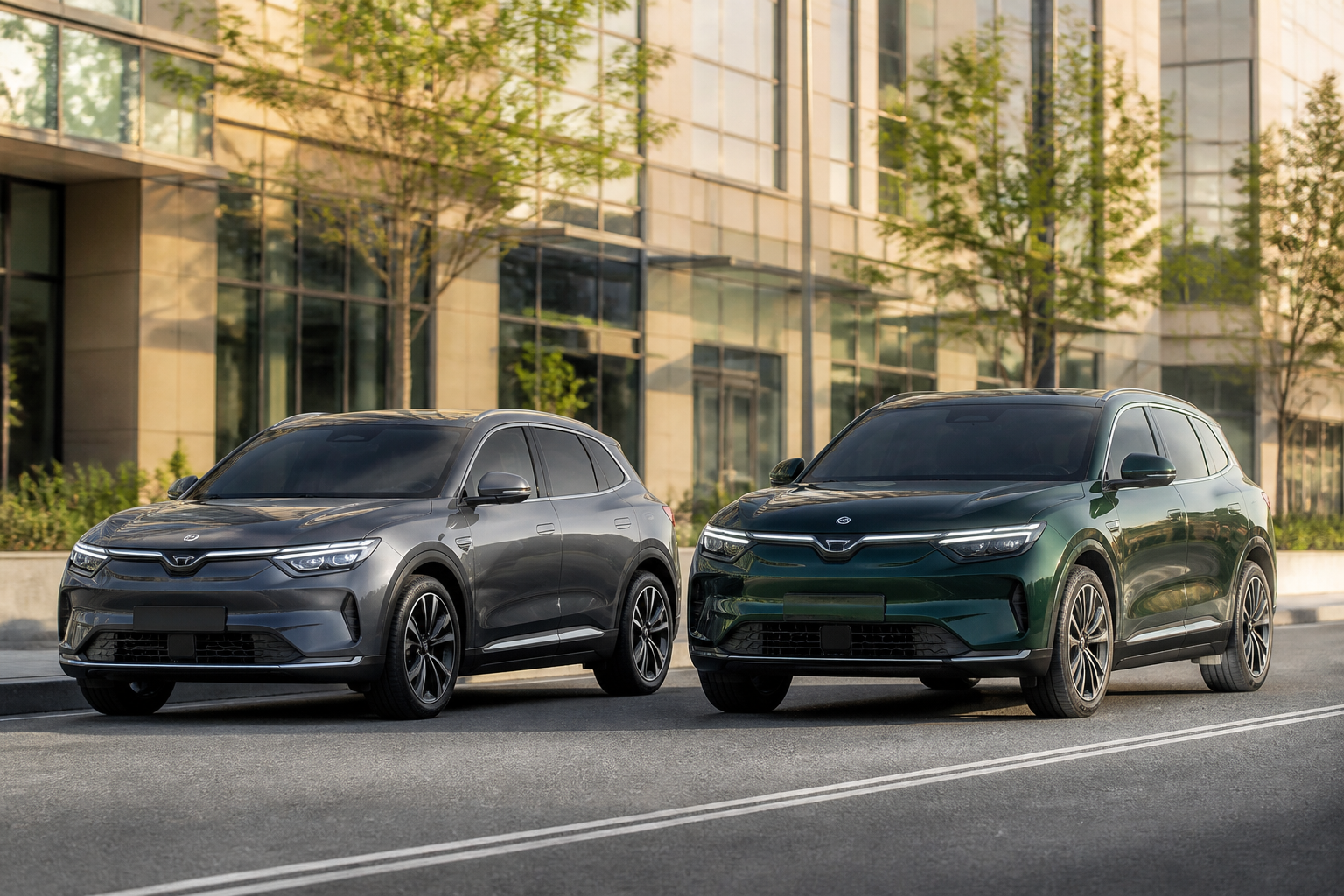
As VinFast solidifies its presence in the US electric vehicle market, prospective owners of the VF 8 and VF 9 are keenly interested in understanding their potential insurance costs. For 2026, our analysis indicates that premiums for these emerging models will likely fall within a specific range, influenced by a unique blend of factors inherent to new EV brands. This article provides a detailed projection and methodology for assessing VinFast VF 8 and VF 9 insurance costs, comparing them against established segment competitors and offering strategies for managing premiums.
Introduction: Decoding VinFast EV Insurance for 2026
The electric vehicle landscape is dynamic, with new entrants like VinFast bringing fresh designs and propositions to the market. The VinFast VF 8, a mid-size electric SUV, and the VF 9, a larger three-row electric SUV, represent significant strides for the Vietnamese automaker in the competitive US market. However, with any new vehicle, particularly from a relatively nascent brand, insurance costs can be a significant unknown for consumers. This analysis aims to shed light on what VinFast VF 8 and VF 9 owners can expect for their insurance premiums in 2026, focusing on the underlying actuarial considerations.
Insurance providers assess risk based on a multitude of data points, including vehicle safety ratings, repair costs, parts availability, theft rates, and the driver's profile. For newer brands like VinFast, historical data is limited, leading insurers to rely more heavily on projected risk and comparisons to similar vehicles. This often results in a conservative approach initially, which can impact early adopters' premiums. Our projections for 2026 factor in the anticipated maturation of VinFast's market presence and the accumulation of preliminary claims data.
Projected Insurance Cost Ranges: VF 8 and VF 9
Based on current market trends, vehicle segment comparisons, and the unique characteristics of new EV brands, we project the average annual full-coverage insurance premiums for the VinFast VF 8 in 2026 to range from approximately $2,800 to $4,500. For the larger and more expensive VinFast VF 9, this range is anticipated to be between $3,200 and $5,500 annually. These figures represent national averages for a driver with a clean record and good credit, but actual costs will vary significantly based on individual circumstances, location, and specific coverage choices.
It's crucial to understand that these are broad estimates. Insurance premiums are highly personalized. Factors such as your driving history, age, location (zip code), credit score, chosen deductibles, and the specific coverage limits will all play a substantial role in determining your final quote. Furthermore, the insurance market is competitive, and rates can differ considerably between carriers. We always recommend obtaining multiple quotes to find the best value for your specific needs.
Key Factors Influencing VinFast Premiums
Several critical elements contribute to the projected insurance costs for the VinFast VF 8 and VF 9. These factors are not unique to VinFast but are particularly salient for a new brand establishing itself in the US market:
- Vehicle Purchase Price: Both the VF 8 and VF 9 are premium-priced EVs. Higher vehicle values generally translate to higher comprehensive and collision premiums, as the cost to repair or replace the vehicle is greater.
- Performance Characteristics: EVs, including VinFast models, often boast rapid acceleration and high torque. While exhilarating for drivers, insurers may perceive higher performance as indicative of a greater likelihood of severe accidents, influencing rates.
- Battery Technology: The high cost and specialized nature of EV battery packs mean that damage to this component can lead to expensive repairs or replacements, directly impacting insurance claims and, consequently, premiums.
- Safety Ratings: As VinFast vehicles gain more comprehensive safety ratings from organizations like the IIHS (Insurance Institute for Highway Safety) and NHTSA (National Highway Traffic Safety Administration), these scores will heavily influence premiums. Higher safety ratings generally correlate with lower bodily injury and property damage liability claims.
- Theft Rates: While EVs generally have lower theft rates than gasoline cars due to their tracking capabilities and unique charging infrastructure, any increase in theft or vandalism for specific models can drive up comprehensive coverage costs.
Repairability and Parts Availability Challenges
One of the most significant challenges for new EV brands like VinFast, and a primary driver of insurance costs, is the initial complexity and cost associated with repairs and the availability of replacement parts. When a vehicle is new to a market, the supply chain for proprietary components may not be fully optimized, leading to delays and higher costs for body shops.
Insurers factor in the 'loss ratio' – the total amount paid out in claims versus the premiums collected. If a vehicle is difficult or expensive to repair, or if parts are scarce, the loss ratio increases, which translates to higher premiums for owners. For VinFast, as they continue to build their service network and parts distribution infrastructure in the US, these costs are likely to remain a concern for insurers in the short to medium term. Specialized training for technicians and proprietary diagnostic tools also add to the repair ecosystem's cost.
Consider the following aspects of repairability:
- Proprietary Components: Many EV components, especially battery packs, electric motors, and advanced electronics, are unique to the manufacturer. VinFast, as a new entrant, has a relatively small installed base in the US, meaning fewer aftermarket parts and potentially longer lead times for factory-specific components.
- Specialized Training: Repairing high-voltage EV systems requires certified technicians with specific training. The availability of such expertise in local body shops can be limited, leading to higher labor costs or the necessity of transporting vehicles to specialized service centers, increasing repair expenses and cycle times.
- Structural Design: Modern EVs often feature complex structural designs, including integrated battery enclosures and advanced materials (e.g., aluminum, high-strength steel). Repairing these structures after a collision can be more intricate and costly than traditional unibody repairs.
- Diagnostic Equipment: Advanced EVs require specialized diagnostic tools to identify and resolve issues, particularly with their sophisticated software and electrical systems. Not all repair shops are equipped with these tools, further limiting repair options and potentially increasing costs.
ADAS Technology and its Dual Impact
Both the VinFast VF 8 and VF 9 come equipped with a suite of Advanced Driver-Assistance Systems (ADAS). These technologies, such as adaptive cruise control, lane-keeping assist, automatic emergency braking, and blind-spot monitoring, are designed to enhance safety and prevent accidents. From an insurance perspective, ADAS has a dual impact:
- Accident Reduction: By actively assisting drivers and mitigating collision risks, ADAS can theoretically reduce the frequency and severity of accidents. This potential for fewer claims can lead to lower liability and collision premiums over time.
- Increased Repair Costs: The sensors (radar, lidar, cameras) and complex computing systems that power ADAS are often located in vulnerable areas of the vehicle, such as bumpers, windshields, and side mirrors. Even minor collisions can damage these expensive components, leading to significantly higher repair costs for calibration and replacement. A simple windshield replacement on an ADAS-equipped vehicle, for example, can be several times more expensive than on a non-ADAS vehicle due to the need for camera recalibration.
In 2026, as insurers gather more data on the real-world effectiveness and repair costs of VinFast's ADAS suite, this dual impact will continue to shape premiums. The balance between accident prevention benefits and increased repair expenses is a critical actuarial consideration for all modern vehicles, especially EVs with their typically advanced technology packages.
Comparing VinFast to Segment Competitors
To provide context for VinFast's projected insurance costs, it's helpful to compare them with established electric SUVs in similar segments. For the VF 8, competitors might include the Tesla Model Y, Hyundai Ioniq 5, and Ford Mustang Mach-E. For the VF 9, comparisons could be drawn with the Tesla Model X, Kia EV9, or Rivian R1S.
Generally, new brands without a long track record of claims data in a specific market tend to have slightly higher initial insurance premiums compared to established brands with extensive data. This is a risk-mitigation strategy by insurers. For example, a Tesla Model Y, while having high repair costs due to its advanced technology, benefits from years of claims data, allowing insurers to price risk with greater precision. VinFast, as a newer player, may face a 'new brand premium' initially.
Let's consider a hypothetical comparison for 2026 (average annual full-coverage premiums):
- VinFast VF 8: $2,800 - $4,500
- Tesla Model Y: $2,500 - $4,000 (may vary significantly based on trim and location)
- Hyundai Ioniq 5: $2,300 - $3,800
- Ford Mustang Mach-E: $2,600 - $4,200
For the larger VF 9, the comparison would be:
- VinFast VF 9: $3,200 - $5,500
- Tesla Model X: $3,000 - $5,000
- Kia EV9: $2,900 - $4,800
These comparisons illustrate that VinFast's premiums are projected to be competitive, albeit potentially at the higher end of the spectrum for new entrants, due to the factors discussed regarding repairability and parts. As VinFast's market presence matures and more claims data becomes available, these rates could stabilize or even decrease, assuming favorable claims experience.
Strategies for Managing VinFast Insurance Costs
While some factors influencing VinFast VF 8 and VF 9 insurance costs are beyond an individual's control, prospective owners can employ several strategies to help manage their premiums:
- Shop Around: Always obtain quotes from multiple insurance carriers. Rates can vary significantly, and some insurers may be more competitive for newer EV models or specific demographics. Independent insurance agents can be particularly helpful in this regard.
- Maintain a Clean Driving Record: A history free of accidents and moving violations is the single most effective way to secure lower insurance rates, regardless of the vehicle you drive.
- Consider Higher Deductibles: Opting for a higher deductible on your comprehensive and collision coverage can significantly lower your premium. Just ensure you can comfortably afford the deductible in the event of a claim.
- Utilize Available Discounts: Inquire about discounts for multi-policy bundling (e.g., home and auto), good student discounts, low mileage, defensive driving courses, and anti-theft devices. Some insurers also offer discounts for EVs or for drivers who install telematics devices.
- Improve Your Credit Score: In most US states, insurance companies use credit-based insurance scores as a factor in determining premiums. A higher credit score often correlates with lower rates.
- Choose Appropriate Coverage: While full coverage is generally recommended for new and financed vehicles, review your liability limits and consider if any optional coverages (e.g., roadside assistance, rental car reimbursement) are truly necessary for your situation.
- Install a Dash Cam: While not a direct discount, a dash cam can provide crucial evidence in the event of an accident, potentially helping to prove fault and expedite claims, which can indirectly help maintain lower rates over time.
By proactively managing these variables, VinFast VF 8 and VF 9 owners can mitigate some of the inherent cost factors associated with insuring a new and technologically advanced electric vehicle in the US market. The key is diligence in research and comparison, combined with responsible driving habits.
Key takeaways
- Projected 2026 average annual full-coverage insurance for VinFast VF 8 is <strong>$2,800-$4,500</strong>, and for VF 9, <strong>$3,200-$5,500</strong>, varying by individual factors.
- New EV brands like VinFast often face higher initial premiums due to limited historical claims data, higher vehicle values, and specialized repair complexities.
- Repair costs for VinFast models are influenced by proprietary components, specialized technician training, and potentially challenging parts availability in the nascent US market.
- VinFast's advanced ADAS technology offers safety benefits but can lead to significantly higher repair costs for sensor and system replacement, impacting premiums.
- Strategies to manage VinFast insurance costs include shopping multiple carriers, maintaining a clean driving record, choosing higher deductibles, and utilizing all available discounts.
Frequently asked questions
Q.Are VinFast VF 8 and VF 9 more expensive to insure than comparable gasoline cars?
Generally, yes. Like many EVs, the VinFast VF 8 and VF 9 are likely to have higher insurance premiums than similarly sized gasoline vehicles due to their higher purchase price, advanced technology, and potentially more expensive repair costs for specialized EV components and ADAS systems.
Q.Why are insurance costs for new EV brands like VinFast often higher initially?
Insurers have limited historical claims data for new brands and models. They often take a more conservative approach to pricing risk, factoring in potential challenges like parts availability, specialized repair requirements, and the lack of long-term safety and theft data, which can lead to higher initial premiums.
Q.Do VinFast's ADAS features help lower insurance costs?
ADAS features have a dual impact. While they are designed to prevent accidents, which can theoretically lower claims frequency, the high cost of repairing and recalibrating these sophisticated sensors and systems after even minor collisions can significantly increase repair expenses, potentially offsetting some of the safety benefits in terms of premium reductions.
Q.What can I do to get a better insurance rate for my VinFast VF 8 or VF 9?
To secure a better rate, always shop around and get quotes from multiple insurers. Maintaining a clean driving record, opting for higher deductibles, bundling your policies, and inquiring about all available discounts can significantly help lower your premiums for a VinFast VF 8 or VF 9.
Q.Will VinFast's insurance costs change over time?
Yes, it's highly probable. As VinFast establishes a longer presence in the US market, and insurers gather more real-world data on accident rates, repair costs, and parts availability for the VF 8 and VF 9, premiums are likely to adjust. Favorable claims experience and improved repair infrastructure could lead to more competitive rates.
References
Automotive journalist with 10+ years road-testing EVs and tracking model-by-model ownership costs.
Continue reading
Decoding EV Insurance for the BYD Seal U vs. Tesla Model Y: A 2026 Cost Analysis
With BYD's aggressive expansion, many prospective EV buyers are comparing its offerings to established players like Tesla. This article provides a data-driven comparison of insurance costs for the BYD Seal U and the Tesla Model Y, breaking down premium drivers for these popular electric SUVs. Use this checklist to compare premiums, deductibles, repair support, and policy wording before renewal.
Decoding EV Insurance Costs: Volkswagen ID.4 vs. Skoda Enyaq iV in the UK Market
This analysis will compare the insurance costs for two popular European-market family electric SUVs, the Volkswagen ID.4 and Skoda Enyaq iV, specifically for UK drivers. We'll delve into how their shared platform, yet differing repair costs, parts availability, and driver demographics, influence premiums, offering a data-backed comparison for prospective buyers. Use this checklist to compare premiums, deductibles, repair support, and policy wording before renewal.
Cadillac CELESTIQ Insurance Costs: Unpacking Premiums for GM's Ultra-Luxury EV
Prospective owners of the Cadillac CELESTIQ face unique insurance considerations. This analysis delves into the factors that will shape premiums for GM's hand-built, ultra-luxury electric vehicle.