
Selling Your Electric Car? What Happens to Your EV Insurance and How to Navigate the Transition
Selling your electric vehicle involves more than just handing over the keys; understanding the insurance implications is crucial to avoid coverage gaps, ensure proper transfer of liability, and potentially save money. This guide details the essential steps for EV owners transitioning out of ownership.

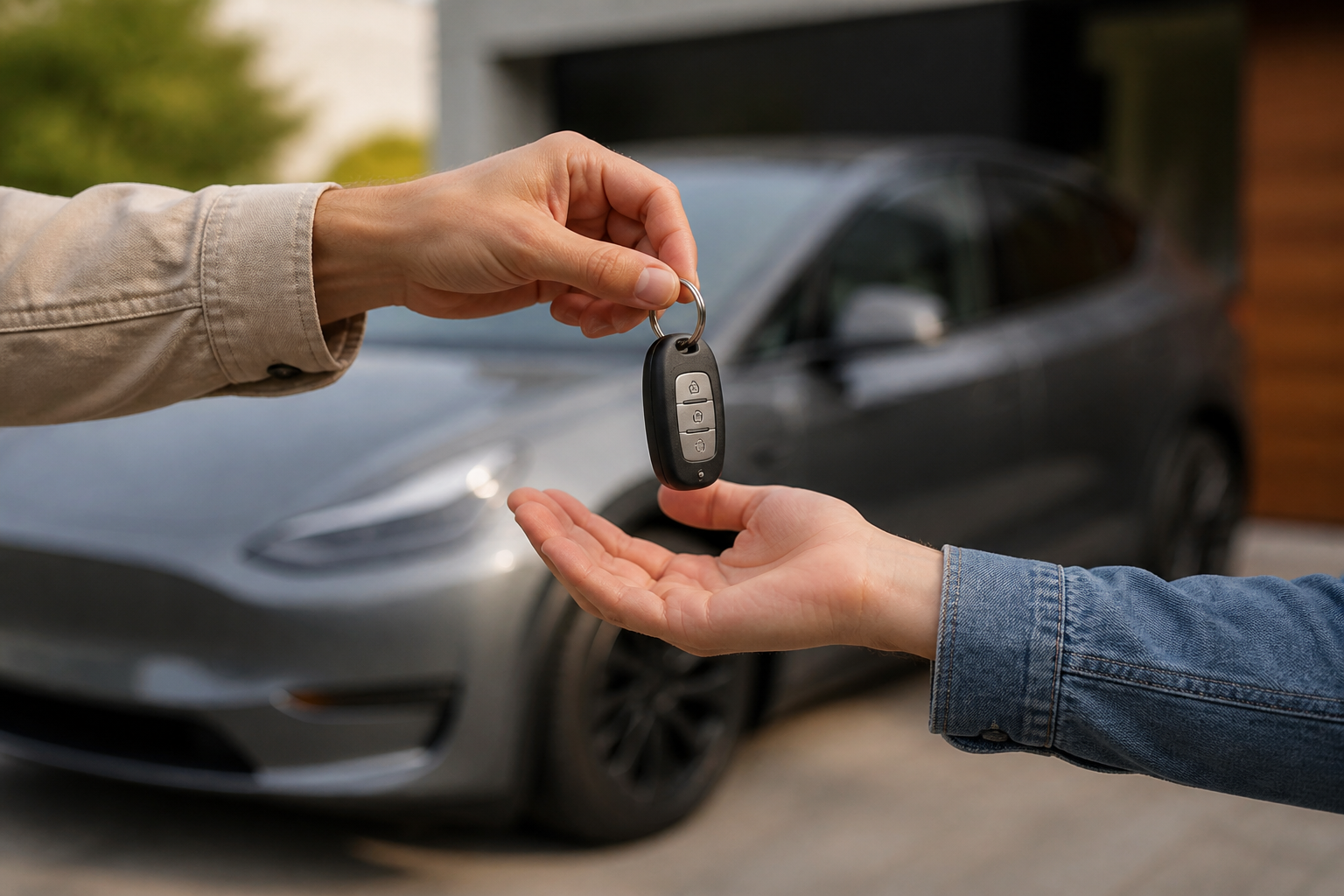
Selling your electric vehicle is a significant transaction, and while much attention is rightly paid to pricing, negotiation, and logistics, the insurance implications are often an afterthought. However, neglecting your EV insurance during this process can lead to unnecessary costs, coverage gaps, and even legal liabilities. As a Senior Auto Insurance Analyst, I've seen firsthand how critical it is for EV owners to proactively manage their insurance policies when transitioning out of vehicle ownership. This comprehensive guide will walk you through the essential steps to ensure a smooth, secure, and financially sound insurance transition when you sell your electric car.
Understanding Your Current EV Insurance Policy
Before you even list your EV for sale, it's crucial to have a clear understanding of your existing insurance policy. EV insurance often includes specific coverages that cater to the unique aspects of electric vehicles, such as battery damage, charging equipment, and specialized repair costs. Knowing what you're currently covered for will help you understand what needs to be cancelled or adjusted.
Your policy is a contract, and like all contracts, it has terms and conditions regarding cancellation and changes. Most policies are for a six-month or twelve-month term. Selling your car mid-term means you'll likely be eligible for a refund of any unused premium, provided you haven't made any claims that would complicate this. It's also important to identify all named drivers on your policy. If your EV was part of a multi-car policy, its removal will affect the overall premium and potentially any multi-car discounts you receive.
Key areas to review in your policy include:
- Policy Effective Dates: When does your current policy term begin and end?
- Premium Payment Schedule: Are you paying monthly, quarterly, or annually?
- Cancellation Clause: What are the terms for early cancellation? Are there any penalties or fees?
- Refund Policy: How does your insurer calculate refunds for unused premiums?
- Additional Coverages: Do you have specific EV-related add-ons like charging equipment coverage or roadside assistance tailored for EVs?
Notifying Your Insurer and Updating Your Policy
The moment you decide to sell your EV, or ideally, once a sale is imminent, contacting your insurance provider should be a high priority. Proactive communication is key to preventing issues. Do not wait until the car is gone to inform them.
When you contact your insurer, be prepared to provide them with the following information:
- Date of Sale: The exact date the vehicle ownership was transferred.
- Buyer's Information (if requested): Some insurers may ask for basic details about the new owner, though this is less common for policy cancellation.
- Your New Vehicle Information (if applicable): If you're replacing your EV with another vehicle, providing these details simultaneously can streamline the process of transferring or setting up a new policy.
- Proof of Sale: A bill of sale or similar document confirming the transaction.
Your options will generally fall into one of two categories:
- Cancelling the Policy: If you are not immediately replacing the EV and do not have other vehicles insured with the same company, you will likely cancel the policy. Be aware that some insurers may charge a cancellation fee, though this is becoming less common, especially if you're cancelling due to the sale of the insured vehicle.
- Removing the Vehicle from an Existing Policy: If you have other vehicles insured with the same provider, or if you're replacing the EV with another car, you can typically just remove the EV from your existing multi-car policy. This will adjust your premium accordingly and may impact any multi-car discounts.
Always request written confirmation of the policy change or cancellation. This documentation is vital for your records and can be referenced if any discrepancies arise later regarding premiums or coverage dates.
The Importance of Proof of Sale and Title Transfer
Beyond insurance, the legal transfer of ownership is paramount. In most U.S. states, the seller is responsible for notifying the Department of Motor Vehicles (DMV) or equivalent state agency about the sale. This notification, often accompanied by a bill of sale and the signed-over title, officially removes your name from the vehicle's registration and prevents you from being held liable for any incidents involving the car after the sale.
From an insurance perspective, the date of title transfer or bill of sale date is critical. This is the date your liability for the vehicle generally ends. Your insurance cancellation or adjustment should ideally align with this date. If you cancel your insurance prematurely, and an incident occurs while the car is still legally registered to you (even if the buyer has taken possession), you could potentially face liability.
Consider these steps:
- Create a Bill of Sale: Include the date of sale, vehicle identification number (VIN), odometer reading, sale price, and the full names and addresses of both buyer and seller. Both parties should sign and date it, and each should retain a copy.
- Sign Over the Title: Follow your state's specific instructions for signing over the vehicle title. This typically involves signing in designated areas and sometimes includes notarization.
- Notify the DMV: Many states require you to notify them within a certain number of days (e.g., 5-10 days) after selling a vehicle. This protects you from future liabilities such as parking tickets, toll violations, or accidents.
- Remove License Plates: In some states, you are required to remove your license plates from the vehicle, while in others, they stay with the car. Know your state's regulations. If you remove them, you'll need to return them to the DMV or transfer them to a new vehicle.
Failing to properly transfer the title and notify the DMV can have severe consequences, including ongoing liability for accidents or tickets, even if you no longer own the EV. Your insurance company will also rely on this official documentation to process your policy changes accurately.
Navigating Multi-Vehicle Policies and Discounts
Many EV owners, particularly those with families, opt for multi-vehicle insurance policies. These policies often come with significant discounts, sometimes ranging from 10% to 25% off the individual policy premiums. When you remove an EV from a multi-vehicle policy, it's not just the premium for that specific car that changes; the overall structure of your policy and any applied discounts may be affected.
Here's what to consider:
- Discount Re-evaluation: Your insurer will re-evaluate your remaining vehicles and applicable discounts. If removing the EV means you no longer qualify for a certain tier of multi-vehicle discount, your premiums for the remaining cars could increase.
- Bundling Opportunities: If you're selling your EV and not immediately replacing it, but you also have home or renters insurance with the same provider, inquire about bundling discounts. Many insurers offer 5-15% discounts for bundling multiple types of policies.
- Driver Assignment: If the EV was primarily driven by a specific household member, and they now need to be assigned to another vehicle on the policy, this could also impact premiums, especially if they are a younger or higher-risk driver.
It's advisable to have a detailed conversation with your insurance agent about how removing the EV will impact your entire insurance portfolio. Ask for a revised quote for your remaining coverage to understand the financial implications fully. Don't assume your remaining premiums will simply be reduced by the amount you were paying for the EV; the recalculation can be more complex due to discount structures.
Avoiding Coverage Gaps and Liability Risks
A coverage gap occurs when there's a period during which your vehicle is uninsured, or you are without the necessary coverage. When selling an EV, this can happen in a few scenarios:
- Premature Cancellation: You cancel your insurance before the official transfer of ownership. If an accident occurs while the vehicle is still legally yours, even if the buyer is driving it, you could be held liable.
- Delayed New Policy: If you're immediately purchasing a new vehicle, but there's a delay in activating its insurance, you could be driving an uninsured vehicle. Most insurers offer a grace period (e.g., 7-30 days) for newly acquired vehicles under an existing policy, but it's crucial to confirm this with your provider.
- Lending the Car: If you allow the buyer to take possession of the car before the sale is finalized and registered in their name, and they get into an accident, your policy might still be considered primary. This is a significant liability risk.
To mitigate these risks:
- Coordinate Cancellation with Sale: Aim to have your EV insurance cancelled or adjusted effective on the exact date and time of the official transfer of ownership.
- Verify Buyer's Insurance: While not legally required for you, it's a good practice to ensure the buyer has their own insurance in place before they drive the vehicle away. You can ask for proof of their new policy.
- Never Lend an Uninsured Car: Do not let the buyer drive the car away until all paperwork is signed and, ideally, their insurance is active.
- Temporary Coverage: If there's any ambiguity or delay, discuss temporary coverage options with your insurer. Some insurers offer short-term policies or extensions.
Remember, your liability generally extends as long as you are the registered owner of the vehicle. Ensuring a clean break in ownership and insurance responsibilities is paramount. The average cost of an at-fault accident without insurance can range from thousands to tens of thousands of dollars in damages and legal fees, not to mention potential license suspension and fines.
What If You're Buying Another EV or Car?
If selling your EV is part of a larger plan to purchase another electric vehicle or a traditional internal combustion engine (ICE) car, you have an excellent opportunity to review and potentially optimize your insurance. This is often the most common scenario for EV owners.
Steps to take:
- Get Quotes in Advance: Before finalizing the purchase of your next vehicle, obtain insurance quotes. Premiums can vary significantly between different EV models, and between EVs and ICE vehicles, due to factors like repair costs, safety features, and theft rates. For example, a new luxury EV might have significantly higher premiums than a standard sedan, potentially 20-40% more due to advanced technology and specialized repair parts.
- Inform Your Current Insurer: Let your current insurer know about your plans. They can often provide a quote for your new vehicle and seamlessly transfer your policy, or parts of it, to the new car. This can help maintain continuity of coverage and potentially retain loyalty discounts.
- Compare & Shop Around: Even if you're happy with your current insurer, use this transition as an opportunity to shop around. Get quotes from at least three to five different providers. Online comparison tools can be very helpful here. EV insurance rates can vary widely, sometimes by hundreds of dollars annually for the same coverage, depending on the carrier's underwriting models for electric vehicles.
- Understand New Vehicle Specifics: If you're buying another EV, research its specific insurance characteristics. Does it have advanced driver-assistance systems (ADAS) that qualify for discounts? Are its battery replacement costs particularly high, potentially leading to higher comprehensive premiums?
- Review Coverage Needs: Your new vehicle might have different coverage requirements. A brand-new car, especially an EV with expensive components, might warrant higher comprehensive and collision coverage limits than an older, less valuable vehicle.
Remember, some states require proof of insurance before you can register a new vehicle. Having your new policy in place or at least confirmed before taking possession is crucial.
Final Checks and Documentation
Once your EV is sold and the insurance adjustments are made, a few final checks can save you headaches down the line.
- Confirmation of Cancellation/Adjustment: Ensure you receive written confirmation from your insurance company detailing the cancellation of the EV's policy or its removal from your multi-car policy. This document should clearly state the effective date of the change and any refund amount.
- Refund Processing: If you're due a refund for unused premiums, keep track of its processing. Most insurers process refunds within 7-14 business days, but it can sometimes take longer. If you haven't received it within the expected timeframe, follow up.
- Proof of Sale Documentation: Keep your copy of the bill of sale, signed title, and any DMV notification receipts in a safe place. These documents are your primary defense if any questions or disputes arise regarding ownership or liability after the sale.
- Update Financial Institutions: If you had a loan on your EV, ensure your lienholder is aware of the sale and that the loan is fully paid off. Your insurance company will also need to be updated to remove the lienholder from your policy.
- Review Bank Statements: Double-check your bank or credit card statements for a few months after the sale to ensure no further insurance premiums for the sold EV are being debited.
By diligently following these steps, you can ensure a clean and responsible transition when selling your electric vehicle, protecting yourself from potential financial and legal pitfalls. The process might seem detailed, but the peace of mind it provides is invaluable.
Key takeaways
- Contact your insurer promptly when selling your EV to avoid liability and ensure proper policy adjustment or cancellation.
- Ensure official transfer of title and notification to your state's DMV to legally remove your ownership responsibility.
- Understand how selling your EV impacts multi-vehicle policies and associated discounts, as premiums for remaining vehicles may change.
- Never cancel insurance before the official transfer of ownership to prevent coverage gaps and potential liability for incidents.
- If buying a new car, use the opportunity to shop for new insurance quotes to optimize coverage and rates for your next vehicle.
Frequently asked questions
Q.Do I need to inform my insurance company immediately after selling my EV?
Yes, it is crucial to inform your insurance company as soon as the sale is finalized and ownership is transferred. This ensures your policy is updated promptly, preventing potential liability issues and ensuring you receive any due refunds for unused premiums.
Q.What happens if I don't cancel my EV insurance after selling the car?
If you don't cancel your EV insurance, you may continue to be charged premiums for a vehicle you no longer own. More importantly, if the new owner gets into an accident and the car is still registered in your name, you could potentially be held liable, even if you are not at fault.
Q.Will selling my EV affect my multi-car insurance discount?
Yes, selling an EV and removing it from a multi-car policy will likely affect your multi-car discount. Your insurer will re-evaluate your policy based on the remaining vehicles, which could lead to an adjustment (potentially an increase) in premiums for your other insured cars.
Q.Should I get new insurance quotes if I'm buying another car after selling my EV?
Absolutely. Selling your EV and buying a new car is an ideal time to shop around for new insurance quotes. Premiums can vary significantly between different vehicles and insurers, so comparing offers can help you find the best rates and coverage for your next vehicle.
Q.What documentation do I need to cancel my EV insurance?
While specific requirements vary by insurer, you typically need to provide the date of sale and the vehicle's VIN. It's also wise to have a copy of the bill of sale or title transfer document ready, as your insurer might request it as proof of ownership transfer.
References
Licensed agent and consumer educator with 11+ years guiding drivers through claims, quotes and policy switching.
Continue reading

How to Compare EV Insurance Quotes Without Missing Coverage Gaps: 2026-10-20 Update 2
Step-by-step quote comparison focused on deductibles, OEM parts, rental reimbursement, roadside charging, and glass coverage. This is a fresh 2026-10-20 update: focus on what has changed recently, new data points, and current-year guidance — do not repeat the earlier article's coverage. Use this checklist to compare premiums, deductibles, repair support, and policy wording before renewal.

How to Compare EV Insurance Quotes Without Missing Coverage Gaps: 2026-10-19 Update 3
Step-by-step quote comparison focused on deductibles, OEM parts, rental reimbursement, roadside charging, and glass coverage. This is a fresh 2026-10-19 update: focus on what has changed recently, new data points, and current-year guidance — do not repeat the earlier article's coverage. Use this checklist to compare premiums, deductibles, repair support, and policy wording before renewal.

EV Insurance for Under 25s: Navigating High Premiums & Finding Savings
Insuring an electric vehicle can be daunting for drivers under 25 due to inherently higher premiums. This guide breaks down why costs are elevated and offers practical, data-backed strategies to make EV ownership more accessible and affordable for this demographic.