
Cadillac Lyriq vs. Genesis Electrified GV70: A 2026 EV Insurance Cost Analysis
Navigating the luxury EV market means considering more than just purchase price. For prospective owners of the Cadillac Lyriq and Genesis Electrified GV70, understanding future insurance costs is crucial for a complete financial picture.

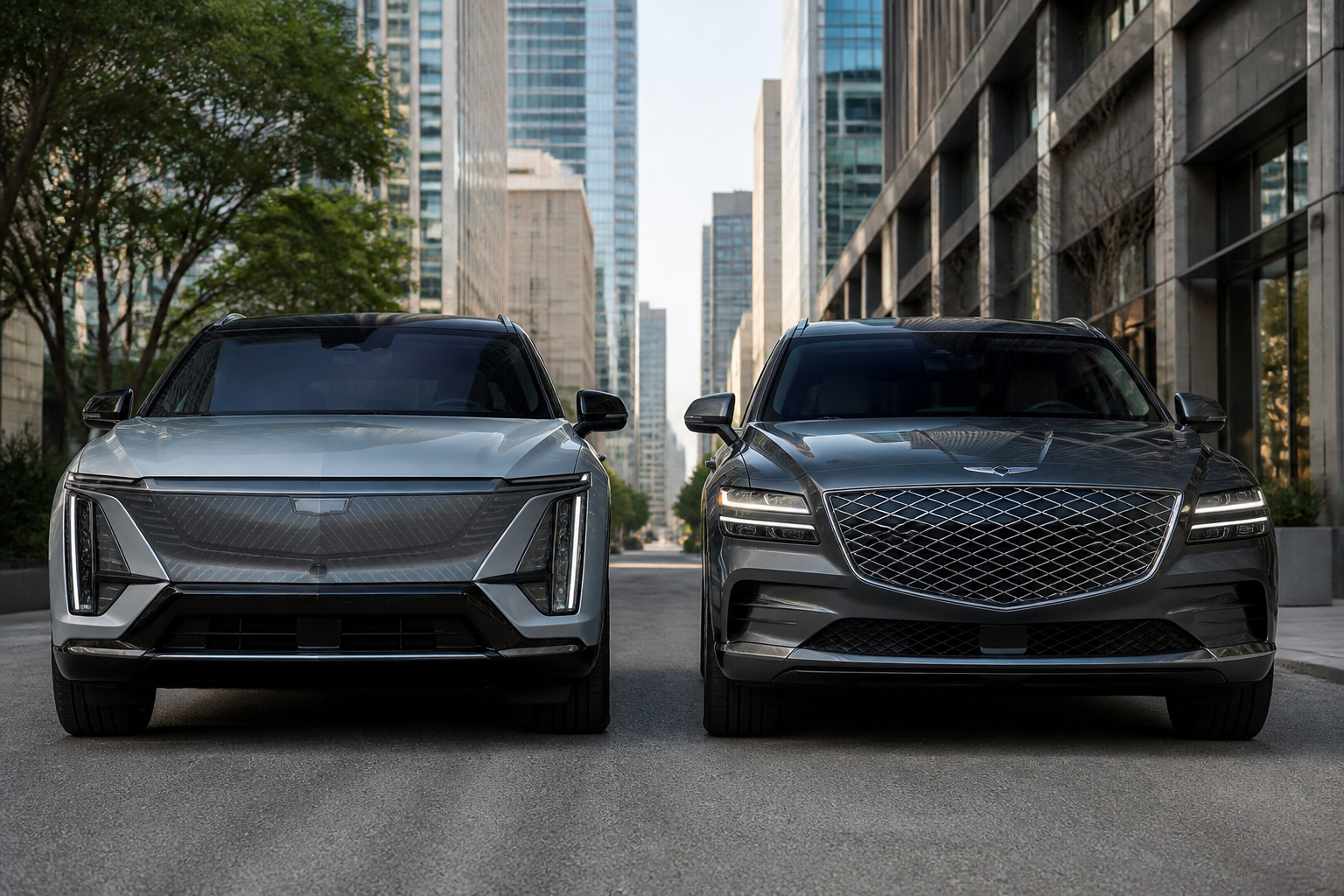
As the electric vehicle market matures, luxury electric SUVs like the Cadillac Lyriq and Genesis Electrified GV70 are increasingly popular choices for discerning buyers. Yet, the total cost of ownership extends beyond the showroom floor, with insurance premiums representing a significant ongoing expense. For those cross-shopping these two compelling models, a direct, data-driven comparison of their projected insurance costs for 2026 is essential. This analysis, from EV Insurance Hub, will delve into the specific factors that influence premiums for these high-tech, premium EVs, offering clarity for your purchasing decision.
Understanding EV Insurance Fundamentals
Before diving into the specifics of the Lyriq and Electrified GV70, it's crucial to grasp the underlying principles that shape electric vehicle insurance costs. EVs, particularly luxury models, often carry higher premiums than their internal combustion engine (ICE) counterparts for several well-documented reasons. These factors are not unique to any single model but form the baseline for all EV insurance assessments.
Firstly, the purchase price of EVs tends to be higher. A more expensive vehicle typically translates to higher repair or replacement costs, which insurers factor into their premiums. Secondly, EV technology, while advanced, can be complex and expensive to repair. High-voltage battery packs, intricate electrical systems, and specialized components require trained technicians and often proprietary parts, driving up labor and material costs for collision repairs. Thirdly, the rapid pace of technological advancement means that parts availability can sometimes be a challenge for newer models, potentially leading to longer repair times and higher costs for rental car coverage. Finally, the sophisticated Advanced Driver-Assistance Systems (ADAS) prevalent in luxury EVs, while enhancing safety, also contribute to higher repair bills due to their sensitive calibration requirements following even minor impacts.
In 2026, we anticipate these fundamental drivers will remain consistent, though the market is seeing gradual improvements in repair infrastructure and parts supply chains. Insurers are continually refining their models to better assess EV-specific risks, moving beyond simply equating EVs to their ICE equivalents. This evolving landscape means that while EVs generally cost more to insure, the difference is becoming more nuanced and specific to individual models' design and repair profiles.
Cadillac Lyriq: An Insurance Profile
The Cadillac Lyriq, General Motors' foray into the luxury electric SUV segment, presents a distinct insurance profile. As a relatively new model, insurers are still accumulating data, but early indications and design characteristics offer insights into its likely premium landscape for 2026. The Lyriq's premium positioning and advanced technology are primary considerations.
Key factors influencing the Lyriq's insurance costs include its substantial curb weight, which can contribute to greater impact forces in a collision, and its sophisticated Ultium battery platform. While Ultium offers impressive range and performance, repairs or replacements of these integrated battery modules are costly. Collision repair data for early models suggests that body panel replacements, especially those integrating sensors or unique lighting elements, can be more expensive than average. Furthermore, the Lyriq's extensive suite of ADAS features, including Super Cruise, necessitates specialized calibration after even minor bodywork. This calibration process, involving high-tech sensors and cameras, adds significantly to repair bills.
From an insurer's perspective, the Lyriq's strong safety ratings from organizations like the IIHS (once fully tested) will be a positive factor. However, the cost and availability of proprietary parts, coupled with the specialized training required for technicians to work on the Ultium platform, will likely keep premiums in the higher range for luxury EVs. We project 2026 annual full-coverage insurance premiums for the Cadillac Lyriq to range from approximately $2,800 to $4,500, depending heavily on the driver's profile, location, and chosen coverage levels. This range accounts for the vehicle's MSRP, repair complexity, and the anticipated maturation of the EV repair ecosystem.
Genesis Electrified GV70: An Insurance Profile
The Genesis Electrified GV70 brings a different set of characteristics to the insurance discussion. As an electric variant of an existing, well-regarded ICE platform, it benefits from some shared components and manufacturing processes, but also introduces EV-specific complexities. Genesis, Hyundai's luxury arm, has rapidly established a reputation for quality and advanced features.
One notable aspect of the Electrified GV70's insurance profile is its robust construction and high-quality materials, which, while offering excellent occupant protection, can also make repairs more intricate and expensive. The battery pack, integrated into the vehicle's floor, is a critical and costly component. While Genesis has a growing network of service centers, specialized EV repair facilities are still developing. The vehicle also boasts an impressive array of ADAS technologies, including Highway Driving Assist and advanced collision avoidance systems. These systems, similar to the Lyriq's, require precise calibration after any incident, adding to repair costs and, consequently, insurance premiums.
The Electrified GV70's relatively strong safety performance in crash tests for its ICE counterpart suggests a good foundation for the EV version, which can positively influence liability premiums. However, the higher MSRP compared to its ICE sibling, combined with the specialized EV components, will contribute to elevated comprehensive and collision coverage costs. For 2026, we estimate annual full-coverage insurance premiums for the Genesis Electrified GV70 to fall within the range of $2,700 to $4,300. This projection considers the vehicle's luxury status, the cost of EV-specific parts, and the brand's repair network capabilities, which are generally well-regarded within the industry.
Direct Comparison: Key Insurance Cost Drivers
When directly comparing the Cadillac Lyriq and Genesis Electrified GV70 for insurance purposes, several critical factors emerge that differentiate their profiles. While both are luxury electric SUVs, their engineering philosophies and supply chains have a tangible impact on premiums.
- Repairability and Parts Availability:
- Cadillac Lyriq: As a ground-up EV on the Ultium platform, some parts are unique. GM's extensive dealer network is a positive, but specialized EV repair training and equipment are still rolling out. Proprietary Ultium battery components can be expensive and require specific handling.
- Genesis Electrified GV70: Sharing some architecture with its ICE counterpart can, in theory, streamline some non-EV specific repairs. However, the integrated battery and EV powertrain components are still unique and premium-priced. Genesis's repair network is smaller than GM's, which could marginally affect repair times in some regions.
- Advanced Driver-Assistance Systems (ADAS) Sophistication:
- Both vehicles feature highly advanced ADAS suites. The Lyriq's Super Cruise and the Electrified GV70's Highway Driving Assist are cutting-edge. The cost of replacing or recalibrating sensors, cameras, and radar units embedded in bumpers, windshields, and side mirrors is a significant driver of comprehensive and collision claims for both models. Minor fender benders can quickly escalate into multi-thousand-dollar repairs due to ADAS component damage.
- Vehicle Performance and Power:
- Cadillac Lyriq: Offers various powertrains, with the AWD version delivering up to 500 horsepower. Higher performance often correlates with higher insurance risk due to potential for greater speeds and more severe accidents.
- Genesis Electrified GV70: The Electrified GV70 offers impressive performance, with 429 horsepower (483 hp with Boost Mode). This high power output places it in a similar risk category to the Lyriq in terms of performance-related claims.
- MSRP and Replacement Cost:
- Both vehicles occupy a similar luxury price point, typically starting in the mid-$60,000s to low-$70,000s for base models, escalating with options. A higher MSRP directly translates to higher replacement costs for total losses, impacting comprehensive and collision premiums. While specific 2026 pricing isn't available, we anticipate both models to maintain their premium pricing.
- Battery Technology and Repair Cost:
- Both vehicles utilize large, high-voltage battery packs that are central to their cost profile. Damage to these packs, even from seemingly minor collisions, can be extremely expensive, often requiring specialized diagnostics and potentially full replacement. The Lyriq's Ultium platform is modular, which *could* theoretically allow for partial pack replacement in some scenarios, but this is still an evolving area for EV repair.
Overall, the insurance cost difference between the Lyriq and Electrified GV70 is likely to be marginal in 2026, with both falling into the higher end of the EV insurance spectrum due to their luxury status, advanced technology, and inherent EV repair complexities. The Lyriq's newer, dedicated EV platform might introduce slightly higher repair complexity in the very near term compared to the GV70's adapted platform, but this effect is often offset by factors like brand-specific parts pricing and regional service availability.
Mitigating Your EV Insurance Costs
While luxury EVs inherently come with higher insurance premiums, there are proactive steps prospective Lyriq and Electrified GV70 owners can take to potentially lower their costs. Understanding these strategies can make a significant difference in your annual outlay.
- Shop Around Extensively: Insurance rates vary significantly between carriers. Do not settle for the first quote. Utilize online comparison tools and independent agents to gather multiple quotes. Some insurers may have more favorable underwriting models for specific EV brands or models.
- Maximize Discounts: Inquire about all available discounts. Common ones include multi-policy (bundling auto with home/renters insurance), good driver, defensive driving course, low mileage, anti-theft devices, and even specific EV discounts offered by some carriers.
- Choose a Higher Deductible: Opting for a higher deductible on your comprehensive and collision coverage can substantially lower your premium. Ensure you have sufficient savings to cover this deductible if you need to file a claim.
- Maintain a Clean Driving Record: This is perhaps the most impactful factor. A history free of accidents and moving violations signals lower risk to insurers, leading to better rates.
- Consider Usage-Based Insurance (UBI): Telematics programs, where a device or app monitors your driving habits, can offer discounts for safe drivers. While some drivers are hesitant about data sharing, the savings can be significant.
- Evaluate Coverage Needs: While full coverage is almost always necessary for new, expensive EVs, consider the limits for liability, uninsured/underinsured motorist, and medical payments. Ensure you are adequately protected without over-insuring. Also, inquire about specific EV coverages like battery degradation or charging equipment protection.
- Improve Your Credit Score: In many states, your credit-based insurance score is a significant factor in premium calculation. A higher score often leads to lower rates.
By diligently applying these strategies, owners of the Cadillac Lyriq or Genesis Electrified GV70 can work towards securing the most competitive insurance rates available for their luxury electric SUV in 2026. Remember, the goal is not just the lowest premium, but the best value that provides robust coverage for your valuable asset.
Final Thoughts: 2026 Outlook
As we look towards 2026, the insurance landscape for premium electric vehicles like the Cadillac Lyriq and Genesis Electrified GV70 will continue to evolve. While the core cost drivers — higher MSRP, complex EV technology, expensive battery repairs, and sophisticated ADAS — will persist, there are signs of maturation in the market that could lead to more stable, albeit still elevated, premiums.
The increasing number of EVs on the road is leading to a larger pool of trained technicians and greater availability of specialized parts. This expansion of the repair ecosystem should, in time, help mitigate some of the extreme repair costs seen with early EV models. Furthermore, as insurers gather more data on the real-world safety and repair profiles of specific EV models, their underwriting models will become more precise. This precision could lead to more tailored premiums that better reflect individual vehicle characteristics rather than broad EV generalizations.
For prospective owners of either the Lyriq or Electrified GV70, the takeaway is clear: expect higher insurance costs compared to a conventional ICE SUV, but understand that these costs are driven by the advanced technology and premium nature of these vehicles. The projected annual full-coverage premiums of $2,700 to $4,500 for 2026 reflect this reality. Your personal driving record, location, and chosen coverage limits will be paramount in determining your specific rate. Always prioritize comprehensive coverage that protects your significant investment, including potential battery damage and ADAS repair costs. Engaging with an insurance professional who understands the nuances of EV coverage will be invaluable in securing the right policy for your luxury electric SUV.
Key takeaways
- Luxury EVs like the Cadillac Lyriq and Genesis Electrified GV70 will likely incur annual full-coverage insurance premiums between $2,700 and $4,500 in 2026.
- High MSRP, complex EV battery systems, and sophisticated ADAS technology are the primary drivers of elevated insurance costs for both models.
- Repairability, parts availability, and specialized technician training significantly influence premiums, with unique EV platforms potentially adding complexity.
- While both vehicles present similar insurance profiles, individual factors like driving record, location, and chosen deductibles will heavily impact your specific quote.
- Proactively compare quotes from multiple insurers and maximize available discounts to mitigate the higher costs associated with luxury EV ownership.
Frequently asked questions
Q.Why are luxury EVs like the Lyriq and Electrified GV70 more expensive to insure?
Luxury EVs are more expensive to insure due to their higher purchase price, the high cost of specialized EV components like battery packs, and the complex, expensive repair requirements for advanced driver-assistance systems (ADAS) and integrated electronics.
Q.Will insurance costs for EVs decrease by 2026?
While the EV insurance market is maturing, significant decreases are unlikely for luxury models by 2026. Improvements in repair infrastructure and data collection may lead to more accurate, but still elevated, premiums compared to ICE vehicles.
Q.Does ADAS technology in these vehicles lower or raise insurance costs?
While ADAS features like Super Cruise and Highway Driving Assist can prevent accidents, they often raise insurance costs. The sensors and cameras are expensive to replace and require specialized, costly calibration after even minor collisions.
Q.What is a typical range for 2026 full-coverage insurance on these luxury EVs?
Based on current trends and anticipated market conditions, projected annual full-coverage insurance premiums for the Cadillac Lyriq and Genesis Electrified GV70 in 2026 could range from approximately $2,700 to $4,500, depending on various individual factors.
Q.Are there specific EV coverages I should look for with these models?
Yes, inquire about coverage for battery degradation, charging equipment damage, and specialized roadside assistance for EVs (e.g., flatbed towing). Also, ensure your policy adequately covers the high cost of ADAS repairs and potential battery replacement.
References
Automotive journalist with 10+ years road-testing EVs and tracking model-by-model ownership costs.
Continue reading
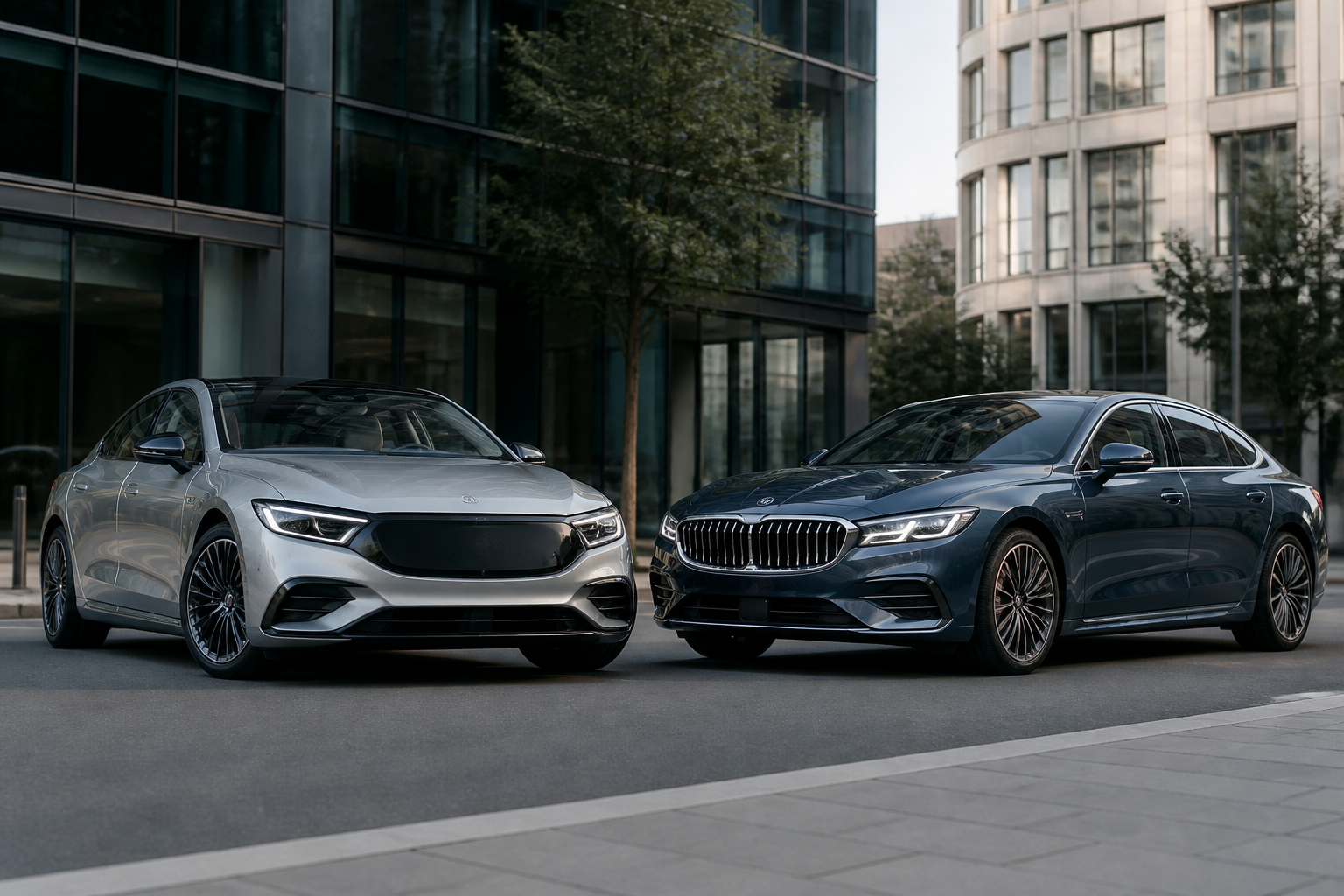
Mercedes EQE vs. BMW i5: Decoding Luxury EV Insurance Costs for 2026
As the luxury EV market expands, understanding insurance costs for models like the Mercedes EQE and BMW i5 is crucial. This detailed analysis explores the factors driving premiums for these premium electric sedans in 2026.
Decoding EV Insurance for Emerging US EV Pickups: Alpha Wolf vs. Atlis XT Costs
This article will analyze the projected insurance costs and unique underwriting considerations for new, low-volume electric pickup trucks from emerging US manufacturers like Alpha Motor Corporation's Wolf and Atlis Motor Vehicles' XT, addressing their niche market appeal and repair complexities. It will provide an early outlook for prospective buyers and investors on these less-common models. Use this checklist to compare premiums, deductibles, repair support, and policy wording before renewal.
Decoding EV Insurance for the Ineos Grenadier Quartermaster EV: A 2026 Cost Analysis
With the Ineos Grenadier Quartermaster EV entering the market, this article analyzes projected insurance costs for this rugged electric pickup. We'll explore how its unique build, intended use, and repairability factors could influence premiums compared to traditional EVs. Use this checklist to compare premiums, deductibles, repair support, and policy wording before renewal.