
Mercedes EQE vs. BMW i5: Decoding Luxury EV Insurance Costs for 2026
As the luxury EV market expands, understanding insurance costs for models like the Mercedes EQE and BMW i5 is crucial. This detailed analysis explores the factors driving premiums for these premium electric sedans in 2026.

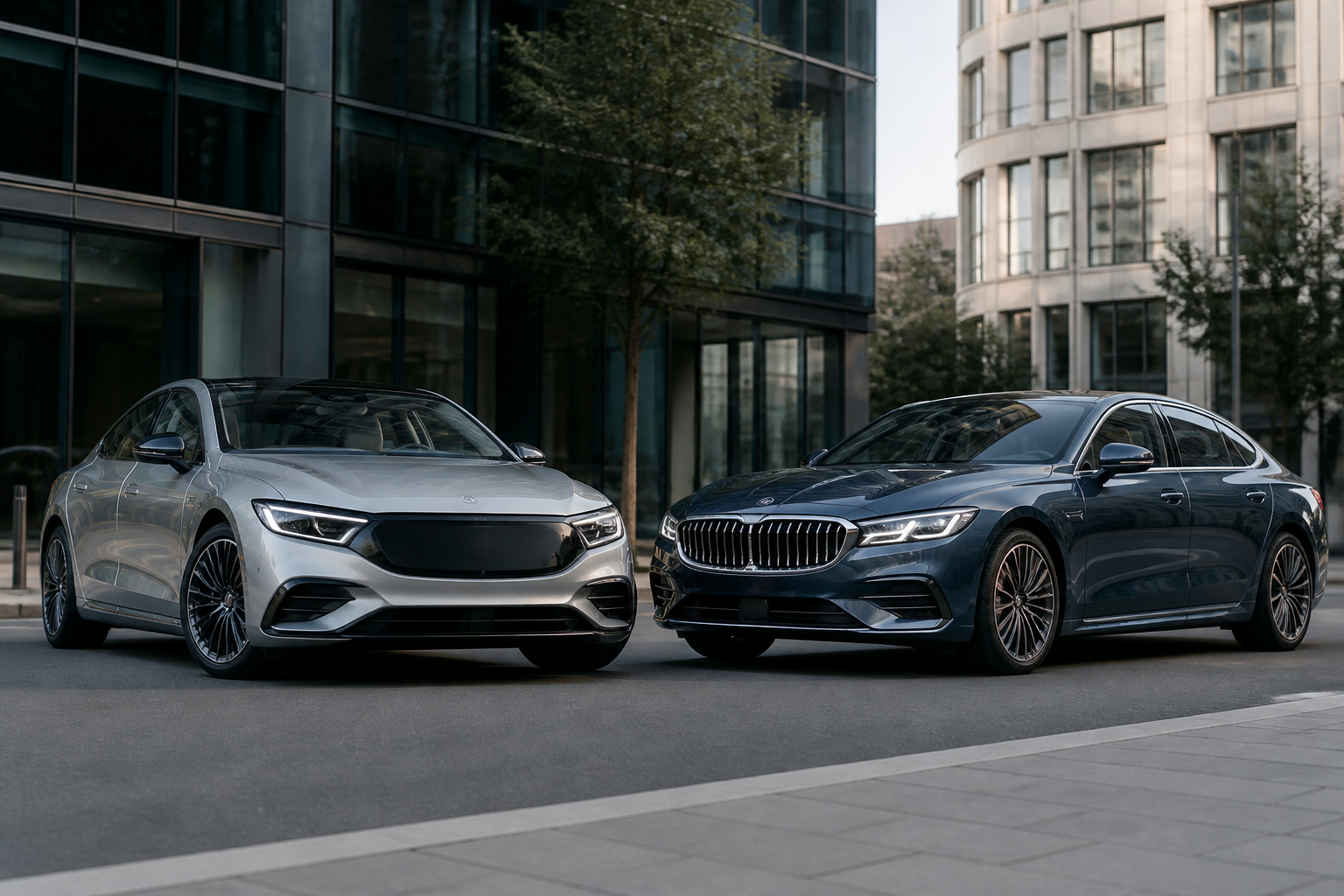
As the electric vehicle (EV) market matures, so too does the complexity of insuring these advanced machines. For discerning buyers eyeing luxury electric sedans like the Mercedes EQE and BMW i5, understanding the intricate web of factors that dictate insurance premiums is paramount. This analysis for 2026 delves into how repairability, sophisticated Advanced Driver-Assistance Systems (ADAS), and even the typical driver profile contribute to the ultimate cost of coverage in both the US and EU markets.
Introduction: Navigating Luxury EV Insurance
The transition to electric vehicles brings a host of benefits, from reduced emissions to exhilarating performance. However, for luxury EV owners, the insurance landscape can present unique challenges and higher costs compared to their internal combustion engine (ICE) counterparts. This is particularly true for premium models like the Mercedes EQE and BMW i5, which combine cutting-edge technology, powerful electric drivetrains, and high-end materials. Insurers assess risk differently for EVs, factoring in specialized components, complex repair procedures, and the inherent value of these sophisticated vehicles.
Our focus today is to provide a forward-looking perspective on what prospective owners of the Mercedes EQE and BMW i5 can anticipate for their insurance premiums in 2026. We'll dissect the underlying reasons for potential cost differences between these two prominent luxury electric sedans, offering a balanced view grounded in industry trends and actuarial principles. This isn't about predicting exact figures from specific carriers, but rather establishing realistic ranges and explaining the methodologies used by insurers to arrive at their quotes.
The Contenders: Mercedes EQE vs. BMW i5
Both the Mercedes EQE and BMW i5 represent the pinnacle of electric luxury sedans, each bringing their brand's distinct philosophy to the EV segment. The Mercedes EQE, part of Mercedes-Benz's dedicated EQ sub-brand, emphasizes a sleek, aerodynamic design, a plush, technology-rich interior dominated by screens, and a comfort-oriented driving experience. It shares its Electric Vehicle Architecture (EVA2) platform with the larger EQS, meaning it incorporates advanced battery technology and complex electrical systems.
The BMW i5, on the other hand, integrates its electric powertrain into the familiar 5 Series chassis, aiming to retain BMW's signature sporty driving dynamics while embracing electrification. It offers a more traditional interior layout than the EQE but is equally packed with sophisticated digital features and advanced engineering. Both vehicles boast substantial power outputs, impressive range figures, and a suite of active and passive safety features designed to protect occupants and prevent accidents.
The choice between these two vehicles often comes down to personal preference for styling, driving feel, and brand loyalty. However, from an insurance perspective, subtle differences in their design, construction, and integrated technologies can lead to noticeable variations in annual premiums. Understanding these nuances is key to making an informed purchasing decision.
Key Factors Influencing EV Insurance Premiums
Several critical elements contribute to the cost of insuring any vehicle, and EVs, particularly luxury models, amplify some of these considerations. Insurers evaluate risk based on a comprehensive set of data points, including:
- Vehicle Value and Repair Costs: Higher vehicle purchase prices generally correlate with higher insurance premiums, as the cost to replace or repair the vehicle after an accident is greater. Luxury EVs often feature bespoke components and advanced materials, driving up repair expenses.
- Battery Technology and Replacement: The high voltage battery pack is the most expensive single component in an EV. Damage to the battery, even from minor collisions, can lead to significant repair or replacement costs, which insurers factor into premiums.
- Advanced Driver-Assistance Systems (ADAS): While designed to prevent accidents, the sophisticated sensors, cameras, and radar units that comprise ADAS are expensive to repair or recalibrate after even a minor fender bender.
- Performance and Power: High-performance vehicles, whether ICE or EV, tend to have higher insurance rates due to the increased likelihood of high-speed incidents and the greater potential for damage. Both the EQE and i5 offer potent powertrains.
- Parts Availability and Specialized Labor: EVs often require specialized tools, training, and parts for repair, which can increase labor costs and extend repair times. This is particularly relevant for newer luxury models.
- Claim Frequency and Severity Data: Insurers constantly analyze historical claims data for specific models and vehicle types. If a particular model shows a higher frequency of claims or more severe damage per incident, its premiums will reflect that.
For the EQE and i5, the confluence of high vehicle value, complex technology, and performance capabilities means that insurers approach them with a cautious, data-driven methodology. The following sections will delve deeper into how these factors specifically apply to our two luxury EV contenders.
Repairability and Parts Availability
One of the most significant drivers of EV insurance costs, especially for luxury models, is repairability. Both Mercedes-Benz and BMW employ advanced construction techniques and materials in the EQE and i5, including high-strength steel, aluminum, and composite materials, designed for safety and weight reduction. However, these materials often require specialized repair processes and equipment, which fewer body shops are equipped to handle. This can lead to:
- Higher Labor Costs: Technicians need specific training for EV high-voltage systems and advanced structural repairs.
- Specialized Parts: Components unique to EVs, such as battery modules, power electronics, and integrated thermal management systems, are proprietary and often more expensive than traditional ICE parts.
- Longer Repair Times: The complexity of diagnostics and repair, coupled with potential delays in obtaining specialized parts, can mean vehicles are off the road for longer, increasing costs for rental car coverage.
Historically, Mercedes-Benz vehicles have been perceived as having higher repair costs than some competitors due to their intricate engineering and premium parts. The EQE, with its bespoke EV platform and Hyperscreen interior, is no exception. Damage to the large, integrated display unit, for instance, could be exceptionally costly to replace. BMW, while also a luxury brand, has a reputation for engineering that, in some cases, allows for more modular repairs. However, the i5's integration of its electric drivetrain into a traditional chassis might mean some shared components with the ICE 5 Series, potentially offering a slight advantage in parts availability for non-EV specific components, though this is marginal for structural and electrical elements.
The insurance industry, through organizations like the Insurance Institute for Highway Safety (IIHS) and Thatcham Research in the UK, continuously evaluates vehicle repairability. Data from these bodies directly influences actuarial tables. As of 2026, both the EQE and i5 are relatively new models, meaning insurers are still accumulating comprehensive claims data. Initial assessments often err on the side of caution, assuming higher repair costs until more robust data becomes available. This is why newer, technologically advanced vehicles often carry higher premiums in their first few years on the market.
Advanced Driver-Assistance Systems (ADAS)
Both the Mercedes EQE and BMW i5 are replete with state-of-the-art ADAS features, which are designed to enhance safety and reduce the likelihood of accidents. These systems include adaptive cruise control, lane-keeping assist, automatic emergency braking, blind-spot monitoring, and sophisticated parking aids. While effective in preventing collisions, they introduce a new layer of cost to insurance premiums:
- Expensive Components: ADAS relies on an array of sensors (radar, lidar, ultrasonic), cameras, and complex electronic control units (ECUs). These components are often located in vulnerable areas, such as bumpers, grilles, and windshields.
- Calibration Requirements: After even a minor collision or component replacement (e.g., a windshield replacement), ADAS sensors often require precise recalibration by specialized technicians. This adds significant labor and equipment costs to repairs.
- Increased Repair Complexity: A simple bumper ding that might have been a straightforward repair on an older car can become a multi-thousand-dollar job on an EQE or i5 if it involves damaged sensors or radar units.
Mercedes-Benz vehicles, particularly those with the optional Driver Assistance Package Plus, are known for their highly integrated and advanced ADAS suites. The EQE's sleek design often means sensors are seamlessly integrated into body panels, making them potentially more susceptible to damage and more complex to replace. BMW's ADAS systems, while equally sophisticated, may have slightly different sensor placements or calibration procedures that could marginally affect repair costs. However, the overall trend is clear: the more ADAS features a car has, the higher the potential repair costs for even minor incidents, which translates to higher insurance premiums.
Insurers are still grappling with the full impact of ADAS on claims. While these systems reduce accident frequency for certain types of collisions, the severity of claims when they do occur can be significantly higher due to the cost of repairing and recalibrating the technology. Some insurers are beginning to offer discounts for vehicles with proven ADAS safety records, but these are often offset by the higher repair costs. The net effect for luxury EVs like the EQE and i5 is typically an increase in comprehensive and collision coverage premiums.
Target Demographics and Risk Profiles
An often-overlooked factor in insurance pricing is the target demographic of a vehicle. Insurers analyze who typically buys and drives a particular model, as certain demographic groups (e.g., younger drivers, those in urban areas) are statistically associated with higher claim frequencies or severities. Both the Mercedes EQE and BMW i5 appeal to affluent buyers, often experienced drivers with established financial stability.
- Age and Experience: Luxury car owners are generally older and more experienced drivers, which tends to reduce risk.
- Financial Stability: Affluent owners may be less likely to make small claims, opting to pay for minor repairs out-of-pocket, which can positively influence claims data.
- Driving Habits: While these cars offer high performance, luxury sedan owners might, on average, drive more conservatively than, for example, sports car owners.
- Garaging: Luxury vehicles are more likely to be garaged overnight, reducing the risk of theft or vandalism compared to street-parked vehicles.
However, there are nuances. Both brands have performance-oriented variants (e.g., EQE 53 AMG, i5 M60) that will naturally attract drivers seeking higher performance, potentially leading to higher premiums due to increased risk exposure. The overall profile for both the EQE and i5 buyer is likely to be similar: a professional, likely with a family, seeking comfort, technology, and status. This demographic generally presents a lower risk profile than, say, a younger driver of an entry-level performance car.
Insurers will also consider the vehicle's role. Is it typically a primary family car, a commuter vehicle, or a weekend pleasure car? The anticipated mileage and usage patterns derived from demographic data play a role. While the demographic profile for both models is largely favorable from an insurance perspective, any slight divergence in the average age, driving record, or location of owners could lead to minor differences in premiums between the EQE and i5.
Geographical Variations: US vs. EU Markets
Insurance costs for the Mercedes EQE and BMW i5 will vary significantly between the US and EU markets due to differences in regulatory frameworks, healthcare systems, legal liabilities, repair networks, and consumer behavior. It's crucial to understand these distinctions:
United States Market:
- Higher Liability Limits: US insurance policies often carry higher liability limits, especially for bodily injury, reflecting the litigious nature of the US legal system and higher healthcare costs.
- Comprehensive Coverage: Comprehensive and collision coverage tends to be more expensive due to the high cost of vehicle parts and labor, particularly for luxury EVs with complex technology.
- State-Specific Regulations: Insurance is regulated at the state level, leading to significant variations in pricing based on local laws, traffic density, theft rates, and natural disaster risks.
- Repair Network: While growing, the network of certified EV repair shops, especially for luxury brands, can still be limited in some regions, leading to higher repair costs and longer wait times.
European Union Market:
- Lower Liability Payouts: In many EU countries, liability payouts for bodily injury are generally lower due to socialized healthcare systems and different legal precedents, which can keep liability premiums lower.
- Stronger Consumer Protections: EU regulations often provide stronger consumer protections regarding parts availability and repair practices, potentially mitigating some repair cost inflation.
- Country-Specific Nuances: Like the US, insurance regulations and pricing vary by country within the EU. For example, premiums in the UK might be higher than in Germany or France due to different risk factors and market structures.
- Advanced Repair Networks: European luxury manufacturers typically have well-established, highly specialized repair networks, which can sometimes streamline the repair process for complex vehicles, although costs remain high.
For both the EQE and i5, the underlying cost of parts and specialized labor will be high in both regions. However, the overall premium structure will reflect the local market conditions. In general, US premiums for luxury EVs tend to be higher than in many parts of the EU, primarily driven by liability and the higher average cost of vehicle repairs and replacements.
Estimated Insurance Cost Ranges (2026)
Predicting exact insurance costs for 2026 is speculative, as rates are dynamic and depend heavily on individual driver profiles, chosen coverage, and ongoing claims data. However, based on current trends and the factors discussed, we can provide estimated annual ranges for full coverage (comprehensive, collision, and liability) for a typical, low-risk driver.
For the US Market (2026 Estimates):
For a driver with a clean record, good credit, and bundling discounts, premiums for a Mercedes EQE or BMW i5 could range from:
- Mercedes EQE: $2,800 - $4,500+ per year.
- BMW i5: $2,600 - $4,200+ per year.
The EQE might lean towards the higher end of this range due to its more bespoke EV platform, potentially higher repair complexity, and the premium associated with its advanced interior technology (e.g., Hyperscreen). The i5, leveraging some existing 5 Series architecture, might see a slight advantage in repair cost predictability, albeit still at a premium level.
For the EU Market (2026 Estimates):
For a similar low-risk driver profile, premiums in major EU markets (e.g., Germany, France, UK) could range from:
- Mercedes EQE: €1,800 - €3,200+ per year (or equivalent in local currency).
- BMW i5: €1,700 - €3,000+ per year (or equivalent in local currency).
Again, the EQE may command a slightly higher premium. These figures are broad estimates. Factors like specific country (e.g., UK premiums tend to be higher than Germany), urban vs. rural location, chosen deductible, and optional add-ons (e.g., roadside assistance, GAP insurance, specialized EV coverage for charging equipment) will significantly impact the final quote. These ranges are based on the assumption that current trends of higher repair costs for luxury EVs will continue, and that claims data will solidify these vehicles as high-value assets requiring extensive coverage.
Strategies for Managing EV Insurance Costs
Even with luxury EVs like the EQE and i5, there are proactive steps owners can take to mitigate insurance costs:
- Shop Around Extensively: Obtain quotes from multiple insurers, including those specializing in high-value or EV coverage. Rates can vary significantly between carriers.
- Bundle Policies: Combining auto insurance with home or renters insurance often yields substantial multi-policy discounts.
- Increase Deductibles: Opting for a higher deductible on comprehensive and collision coverage can lower your annual premium, but ensure you can comfortably afford the out-of-pocket expense if a claim arises.
- Maintain a Clean Driving Record: Accident-free and violation-free driving is the most impactful way to keep premiums low.
- Inquire About EV-Specific Discounts: Some insurers offer discounts for EVs, particularly for charging at home, or for specific safety features.
- Install Telematics Devices (Usage-Based Insurance): If you're a safe driver, allowing an insurer to monitor your driving habits (speed, braking, mileage) via a telematics device or app can lead to discounts.
- Consider Driving Courses: Completing an approved defensive driving course can sometimes result in a small discount.
- Review Coverage Annually: Your needs and the vehicle's value change over time. Re-evaluate your coverage annually to ensure you're not over-insured or under-insured.
For luxury EVs, specifically inquire about coverage for battery degradation, charging equipment, and specialized roadside assistance for EVs (e.g., flatbed towing for AWD vehicles). Not all standard policies include these, and they can be crucial for an EV owner.
Conclusion: Informed Decisions for Luxury EV Owners
Insuring a luxury electric sedan like the Mercedes EQE or BMW i5 in 2026 will undoubtedly come with a premium price tag, reflecting the vehicles' advanced technology, high value, and specialized repair requirements. While both models share many characteristics that drive up insurance costs – such as sophisticated ADAS, expensive battery packs, and complex construction – subtle differences in their engineering philosophies and component integration may lead to marginal variations in premiums, with the EQE potentially commanding slightly higher rates due to its more bespoke EV-centric design.
Prospective owners in both the US and EU markets should anticipate annual full coverage premiums ranging from $2,600 to $4,500+ in the US and €1,700 to €3,200+ in the EU, depending heavily on individual driver profiles, location, and chosen coverage specifics. The key to navigating these costs lies in thorough research, comparing multiple quotes, and understanding the specific factors that influence your personalized premium. By doing so, luxury EV buyers can make informed decisions that balance their desire for cutting-edge automotive technology with practical financial planning.
Key takeaways
- Luxury EVs like the Mercedes EQE and BMW i5 will command higher insurance premiums in 2026 due to high vehicle value, complex technology, and specialized repair needs.
- Repairability, expensive ADAS components, and the cost of battery replacement are primary drivers of increased insurance costs for both models.
- The Mercedes EQE may have slightly higher premiums than the BMW i5 due to its bespoke EV platform and highly integrated interior tech, leading to potentially more complex repairs.
- Geographical variations mean US premiums for these luxury EVs are generally higher than in the EU, influenced by differing legal frameworks and repair costs.
- Prospective owners should budget for annual full coverage between $2,600-$4,500+ in the US and €1,700-€3,200+ in the EU, and actively seek discounts and compare multiple quotes.
Frequently asked questions
Q.Why are luxury electric sedans like the EQE and i5 more expensive to insure?
Luxury EVs are more expensive to insure due to their high purchase price, costly battery components, complex Advanced Driver-Assistance Systems (ADAS) that are expensive to repair, and specialized labor and parts required for maintenance and collision repair.
Q.Do ADAS features increase or decrease insurance costs for EVs?
While ADAS features are designed to prevent accidents, they can increase insurance costs. The sensors and cameras are expensive to replace and recalibrate after even minor incidents, leading to higher repair claims despite potentially reducing accident frequency.
Q.Will insurance costs for the Mercedes EQE and BMW i5 be similar in 2026?
They will likely be in a similar high-premium bracket, but the Mercedes EQE might be marginally more expensive to insure due to its more bespoke EV platform and highly integrated, costly interior technology (e.g., Hyperscreen), potentially leading to higher repair complexities.
Q.Are EV insurance costs higher in the US or EU for these luxury models?
Generally, luxury EV insurance costs tend to be higher in the US compared to many EU countries. This is primarily due to higher liability limits, more litigious legal environments, and higher average costs for vehicle repairs and replacements in the US market.
Q.What can I do to lower my insurance premium for a luxury EV?
To lower premiums, shop around for quotes, bundle policies, choose higher deductibles, maintain a clean driving record, inquire about EV-specific discounts, and consider usage-based insurance programs. Also, ensure your vehicle is securely garaged.
References
Automotive journalist with 10+ years road-testing EVs and tracking model-by-model ownership costs.
Continue reading
Decoding EV Insurance for Emerging US EV Pickups: Alpha Wolf vs. Atlis XT Costs
This article will analyze the projected insurance costs and unique underwriting considerations for new, low-volume electric pickup trucks from emerging US manufacturers like Alpha Motor Corporation's Wolf and Atlis Motor Vehicles' XT, addressing their niche market appeal and repair complexities. It will provide an early outlook for prospective buyers and investors on these less-common models. Use this checklist to compare premiums, deductibles, repair support, and policy wording before renewal.
Decoding EV Insurance for the Ineos Grenadier Quartermaster EV: A 2026 Cost Analysis
With the Ineos Grenadier Quartermaster EV entering the market, this article analyzes projected insurance costs for this rugged electric pickup. We'll explore how its unique build, intended use, and repairability factors could influence premiums compared to traditional EVs. Use this checklist to compare premiums, deductibles, repair support, and policy wording before renewal.
Decoding EV Insurance for Emerging Brands: VinFast, Polestar & BYD Costs in the US
With a wave of new electric vehicle manufacturers entering the US market, drivers face a critical question: How will insurance costs for models from VinFast, Polestar, and BYD compare to established brands? This in-depth analysis breaks down the factors influencing premiums for these emerging players.