
Decoding EV Insurance for Emerging Brands: VinFast, Polestar & BYD Costs in the US
With a wave of new electric vehicle manufacturers entering the US market, drivers face a critical question: How will insurance costs for models from VinFast, Polestar, and BYD compare to established brands? This in-depth analysis breaks down the factors influencing premiums for these emerging players.

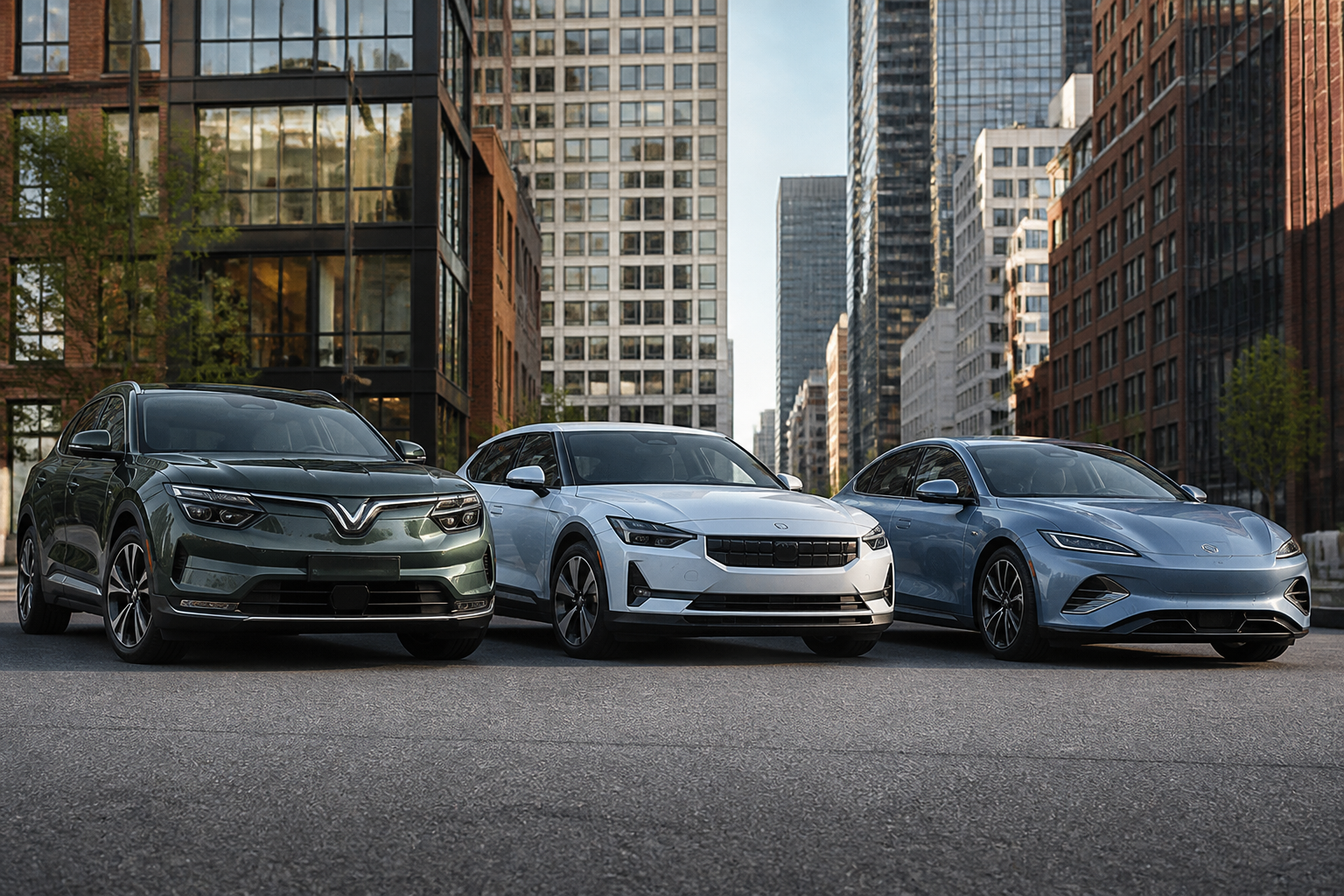
The US electric vehicle landscape is rapidly evolving, with a growing influx of manufacturers from around the globe. As brands like VinFast, Polestar, and BYD establish their presence, prospective buyers are keenly interested in not just the purchase price, but also the long-term ownership costs – a significant portion of which is insurance. Understanding how insurers assess and price policies for these newer entrants is crucial for making informed decisions. This article will delve into the specific considerations for VinFast, Polestar, and BYD, comparing their insurance profiles to more established players and outlining the underlying factors that influence premiums for all emerging EV brands.
Introduction: The Emerging EV Market and Insurance Challenges
The US automotive market, long dominated by traditional gasoline-powered vehicles and a handful of established EV players, is experiencing a transformative shift. New manufacturers, particularly those focusing exclusively on electric powertrains, are bringing innovative designs, advanced technology, and competitive pricing to consumers. This influx includes companies like Vietnam's VinFast, Sweden's Polestar (a Volvo subsidiary), and China's BYD, each vying for a share of the rapidly expanding EV segment.
While exciting for consumers, the arrival of these emerging brands presents unique challenges for the insurance industry. Insurers rely heavily on historical data for risk assessment – accident rates, repair costs, theft statistics, and parts availability for specific makes and models. For vehicles with limited road time and repair history in a given market, this data is scarce, leading to a more cautious and often higher-priced approach to underwriting. This article aims to demystify these considerations, providing a framework for understanding EV insurance costs for these new market entrants.
How Insurers Evaluate New EV Brands
When a new vehicle model, especially from a new manufacturer, enters the market, insurers don't have years of claims data to draw upon. This data vacuum necessitates a more predictive approach, often resulting in higher initial premiums. Several key factors are scrutinized:
- Vehicle Technology & Complexity: EVs, by nature, are technologically advanced. New brands often push boundaries with proprietary battery designs, advanced driver-assistance systems (ADAS), and unique body structures. The more complex and proprietary the technology, the higher the potential repair costs.
- Repairability & Parts Availability: A significant concern for insurers is the ease and cost of repair. For emerging brands, the network of certified repair shops might be limited, and the availability of OEM (Original Equipment Manufacturer) parts can be constrained, especially for components specific to their unique platforms. This can lead to longer repair times and higher labor costs.
- Safety Ratings & Crash Performance: While new vehicles undergo rigorous safety testing (e.g., NHTSA, IIHS in the US), real-world crash data takes time to accumulate. Insurers look at structural integrity, airbag systems, and how well the vehicle protects occupants in various collision scenarios. Strong safety ratings can mitigate some of the 'unknown' risk.
- Theft Rates: While EVs generally have lower theft rates than gasoline cars due to their tracking capabilities and unique charging infrastructure, specific models can become targets. Insurers monitor these trends closely.
- Battery Pack Cost & Replacement: The high voltage battery is the most expensive component in an EV. Damage to the battery pack, even in minor collisions, can lead to significant repair or replacement costs, heavily influencing comprehensive and collision premiums.
In the absence of robust historical data, insurers often err on the side of caution, assuming higher potential costs until sufficient real-world data becomes available. This is why premiums for brand-new models, regardless of manufacturer, can sometimes be elevated in their first few years on the market.
VinFast: Insurance Profile and Cost Considerations
VinFast, a Vietnamese automaker, has made an ambitious entry into the US market with models like the VF 8 and VF 9. Their strategy involves direct sales and a focus on advanced technology and competitive pricing. However, their newness to the US market presents specific insurance considerations.
Key Insurance Considerations for VinFast:
- Limited US Service & Parts Network: As a relatively new entrant, VinFast's service and parts infrastructure in the US is still developing. This can mean longer wait times for repairs and potentially higher costs for specialized parts, which directly impacts insurance claim expenses.
- Proprietary Technology: VinFast vehicles incorporate advanced, proprietary technology, particularly in their battery management systems and ADAS. Repairing these complex systems may require specialized tools and training, which could be limited to VinFast-certified technicians.
- Battery Subscription Model (Historical): While VinFast has largely moved away from its battery subscription model in the US, its initial offering created unique insurance questions regarding battery ownership and liability in the event of damage or replacement. Even without the subscription, the battery remains a high-value component.
- Initial Safety Data: While VinFast vehicles are designed to meet US safety standards, real-world crash data and long-term reliability statistics are still accumulating. Insurers will closely monitor these as more VinFast vehicles hit the roads.
For VinFast owners, average annual insurance premiums in the US could range from $2,800 to $4,500+, depending heavily on the specific model, driver profile, location, and coverage limits. This range is often higher than comparable established EVs due to the factors mentioned above. Drivers should be prepared for potential volatility in premiums as more data becomes available and the service network matures.
Polestar: Insurance Profile and Cost Considerations
Polestar, a performance EV brand spun off from Volvo, benefits from its strong association with a well-established and safety-focused automaker. This connection can provide some advantages in the insurance market compared to entirely new brands.
Key Insurance Considerations for Polestar:
- Volvo Heritage & Safety: Polestar vehicles often share platforms and safety technologies with Volvo, a brand renowned for its safety innovations. This association can be a positive factor for insurers, as Volvo's strong safety record provides a baseline for risk assessment.
- Advanced Performance & Technology: Polestar vehicles, like the Polestar 2 and Polestar 3, are positioned as premium, performance-oriented EVs. This means they often come equipped with high-end materials, sophisticated ADAS, and powerful powertrains. The higher cost of these components and their complexity can lead to higher repair costs.
- Established Service Network (Leveraging Volvo): While Polestar has its own service points, it can often leverage Volvo's extensive service network for certain repairs and parts. This can improve parts availability and repair efficiency compared to brands building their network from scratch.
- Material Costs: Polestar's premium positioning often means higher-quality, and thus more expensive, materials are used in its construction. Even minor body damage can result in significant repair bills.
Polestar insurance premiums in the US typically fall into a range of $2,500 to $4,000+ annually. While still on the higher end for EVs, this can sometimes be slightly more favorable than entirely new, unproven brands due to the Volvo connection. However, their performance nature and advanced technology still place them in a higher insurance bracket than many mass-market EVs.
BYD: Insurance Profile and Cost Considerations
BYD (Build Your Dreams), a Chinese automotive giant, is a global leader in EV production and battery technology. While more established internationally, its direct consumer presence in the US is still in its nascent stages, primarily focusing on commercial vehicles. However, with models like the Seal and Dolphin making waves globally, a future US passenger car entry is anticipated, bringing its own set of insurance dynamics.
Key Insurance Considerations for BYD (Anticipated for US Passenger Market):
- Blade Battery Technology: BYD's proprietary Blade Battery is known for its safety and structural integrity. If this technology translates to lower fire risk or easier repairability compared to some other battery types, it could positively influence premiums.
- Scale of Production: As the world's largest EV manufacturer by volume, BYD has immense production scale. This could, in theory, lead to more standardized parts and potentially lower manufacturing costs, which might translate to more affordable parts for repairs over time. However, US-specific logistics and tariffs are crucial.
- US Market Newness: Despite its global footprint, BYD's passenger vehicle presence in the US is virtually non-existent. This means no existing US claims data, service network, or parts distribution for passenger cars, which would lead to initial insurance caution.
- ADAS & Technology Integration: BYD vehicles are equipped with competitive ADAS features. The complexity and repair cost of these systems will be a key underwriting factor.
Should BYD's passenger vehicles enter the US market more broadly, initial annual insurance premiums could be in the range of $2,700 to $4,300+. This estimate reflects the unknown factors of a new brand in the US, tempered by their global scale and potentially innovative battery technology. The development of a robust US service and parts supply chain would be critical for stabilizing and potentially lowering these costs over time.
Key Factors Driving Premiums for New EVs
Beyond brand-specific considerations, several overarching factors consistently influence insurance premiums for emerging EVs in the US market:
- High Purchase Price: EVs, especially newer models from emerging brands, often have a higher upfront cost than comparable internal combustion engine (ICE) vehicles. This increases the amount an insurer would have to pay out in the event of a total loss, directly impacting comprehensive and collision premiums.
- Specialized Repair Skills & Equipment: EV repairs, particularly those involving high-voltage systems and battery packs, require specialized training and equipment. Not all body shops are equipped or certified, limiting repair options and potentially increasing labor costs.
- Parts Logistics & Availability: For new international brands, establishing a robust parts supply chain in the US takes time. Scarcity or slow delivery of proprietary parts can lead to extended repair times, increasing costs for rental car coverage and overall claim expenses.
- Advanced Driver-Assistance Systems (ADAS): While designed to prevent accidents, ADAS components (sensors, cameras, radar) are often integrated into bumpers, windshields, and side mirrors. Even minor collisions can damage these expensive components, requiring costly recalibration and replacement.
- Battery Repair/Replacement Costs: The EV battery is the most expensive single component. Damage to the battery pack, even if the vehicle is otherwise repairable, can cost tens of thousands of dollars to replace, significantly driving up comprehensive and collision coverage.
- Lack of Historical Data: As mentioned, insurers lack extensive historical claims data for new models from new brands, leading to a more conservative, and often higher, initial premium assessment.
It's important to remember that these factors combine with individual driver characteristics (driving record, age, location, credit score) and chosen coverage levels to determine the final premium. The 'unknown' element associated with new brands tends to amplify the impact of these cost drivers.
Strategies for Managing Emerging EV Insurance Costs
While insurance for new EV brands can be higher, there are proactive steps consumers can take to manage and potentially reduce their premiums:
- Shop Around Extensively: Do not settle for the first quote. Different insurers have varying risk appetites and underwriting models for new vehicles. Utilize online comparison tools and independent agents to obtain multiple quotes.
- Bundle Policies: Combining auto insurance with home or renters insurance from the same carrier can often result in significant multi-policy discounts.
- Increase Deductibles: Opting for higher deductibles on comprehensive and collision coverage will lower your monthly or annual premium. However, ensure you can comfortably afford the deductible in case of a claim.
- Maintain a Clean Driving Record: A history free of accidents and moving violations is one of the most impactful ways to keep insurance costs down, regardless of the vehicle.
- Inquire About EV-Specific Discounts: Some insurers offer discounts for EVs, such as those related to green vehicles, charging habits, or advanced safety features.
- Consider Telematics/Usage-Based Insurance: If you are a safe driver, telematics programs that monitor your driving behavior can sometimes offer discounts.
- Research Safety Features: Vehicles with strong safety ratings (IIHS Top Safety Pick, NHTSA 5-star) and advanced ADAS features can sometimes qualify for discounts, as they are designed to prevent or mitigate accidents.
- Ask About OEM Parts Coverage: Understand your policy's stance on OEM vs. aftermarket parts for repairs. While aftermarket can be cheaper, OEM parts ensure proper fit and function, which can be critical for complex EV systems.
As the market matures and more data becomes available, insurance costs for these emerging EV brands are likely to stabilize and potentially decrease. However, initial buyers should be prepared for higher premiums and factor this into their total cost of ownership calculations.
Key takeaways
- Insurance for new EV brands like VinFast, Polestar, and BYD in the US is often higher due to a lack of historical claims data and developing service infrastructure.
- Key factors influencing premiums include vehicle purchase price, complexity of technology, specialized repair needs, parts availability, and high battery replacement costs.
- Polestar may benefit from its Volvo association for insurance, while VinFast and BYD face challenges related to their newness in the US market.
- Drivers can manage costs by shopping around, bundling policies, opting for higher deductibles, and maintaining a clean driving record.
- As these brands establish themselves and more data becomes available, insurance premiums are likely to stabilize and potentially become more competitive.
Frequently asked questions
Q.Why is insurance for new EV brands like VinFast, Polestar, and BYD often more expensive?
Insurers lack historical claims data for new brands and models, making risk assessment more challenging. Factors like limited parts availability, specialized repair requirements, and the high cost of proprietary EV components contribute to higher initial premiums.
Q.Will insurance costs for these emerging EV brands decrease over time?
Potentially, yes. As more vehicles from these brands accumulate real-world driving and claims data, and as their service and parts networks mature in the US, insurers will gain a clearer understanding of the risk, which could lead to more competitive pricing.
Q.Does my location in the US affect my insurance rates for these EVs?
Absolutely. Insurance premiums are highly localized. Factors like local theft rates, accident frequency, population density, and the cost of repairs in your specific area will significantly influence your rates, regardless of the vehicle brand.
Q.Are there any specific coverage considerations for EVs from new manufacturers?
It's crucial to ensure your policy adequately covers the high cost of battery repair or replacement. Also, confirm coverage for advanced driver-assistance systems (ADAS) and inquire about whether your policy specifies OEM parts for repairs, which can be vital for complex EV systems.
Q.How can I get the best insurance rate for a VinFast, Polestar, or BYD EV?
The best strategy is to shop around extensively, comparing quotes from multiple insurers. Also, consider bundling policies, maintaining a clean driving record, and inquiring about any EV-specific discounts or telematics programs available.
References
Automotive journalist with 10+ years road-testing EVs and tracking model-by-model ownership costs.
Continue reading
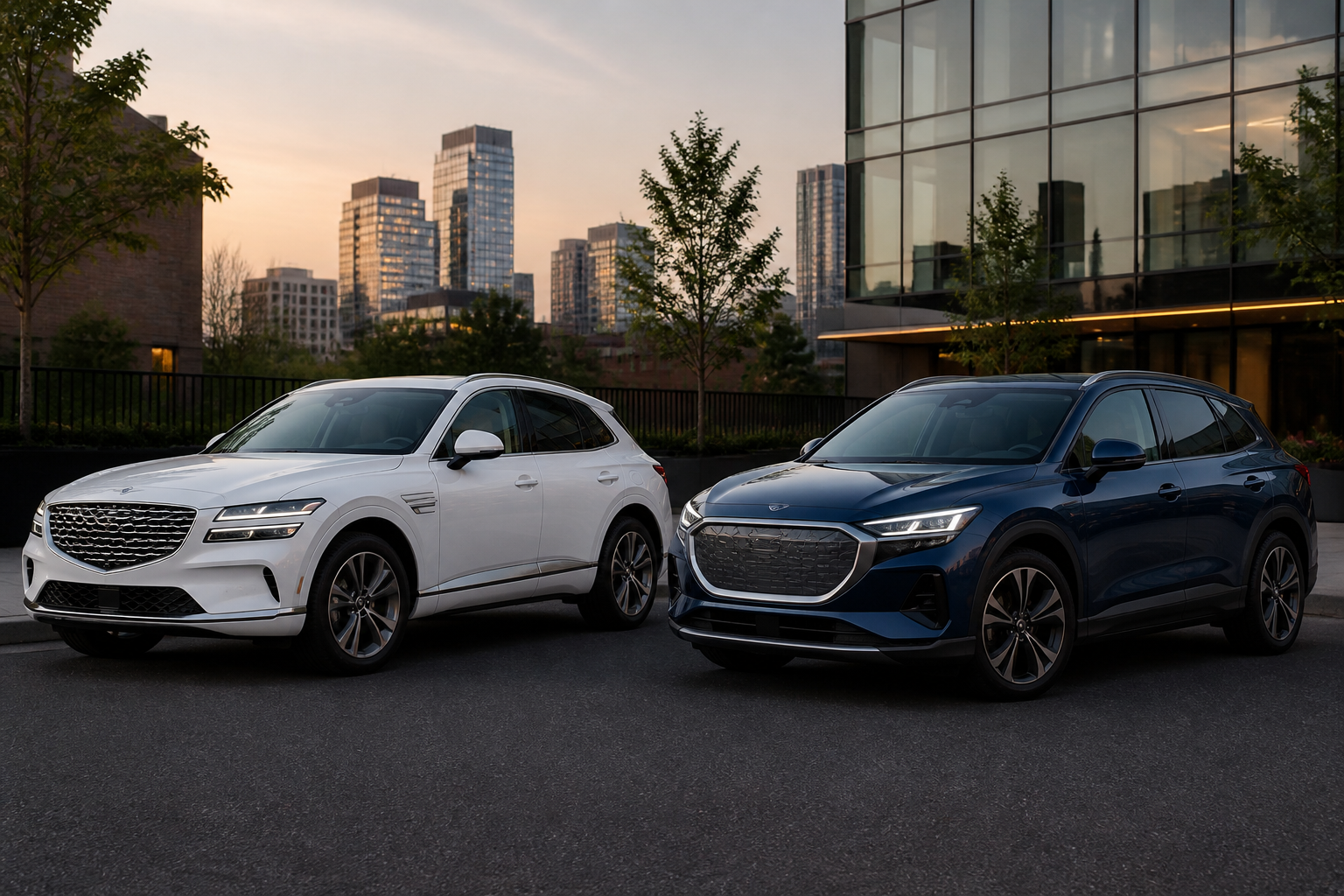
2026 EV Insurance Costs: Genesis GV70 Electrified vs. Audi Q4 e-tron – A Deep Dive
Prospective luxury compact electric SUV buyers often overlook insurance costs. This 2026 analysis meticulously compares the projected premiums for the Genesis GV70 Electrified and the Audi Q4 e-tron, dissecting the factors that drive their insurance profiles.
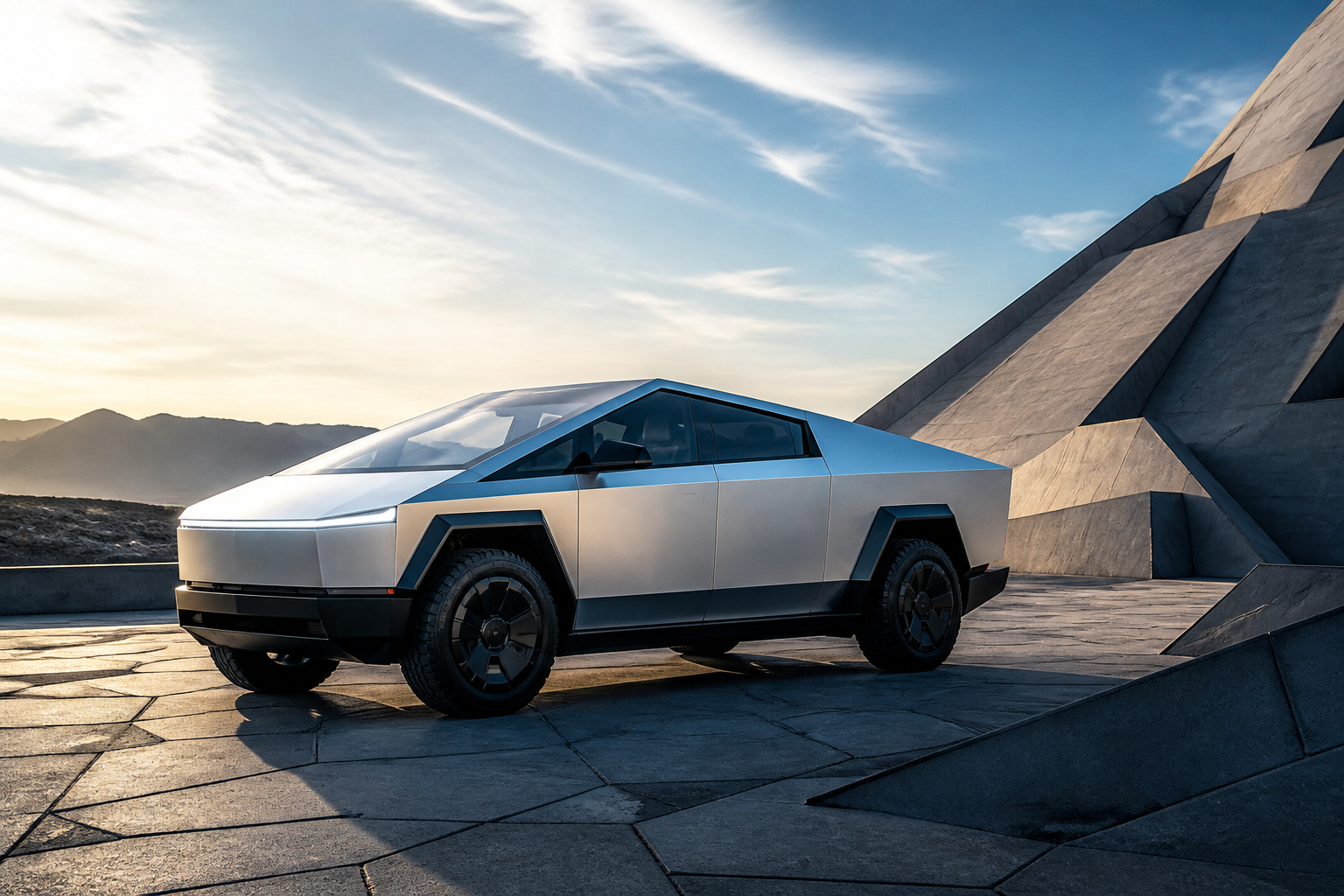
Unpacking Cybertruck Insurance: A 2026 Cost & Coverage Deep Dive
The Tesla Cybertruck's distinctive stainless-steel exoskeleton and innovative design present unprecedented challenges for auto insurers. We delve into projected 2026 insurance costs and critical coverage considerations for this highly anticipated electric truck.
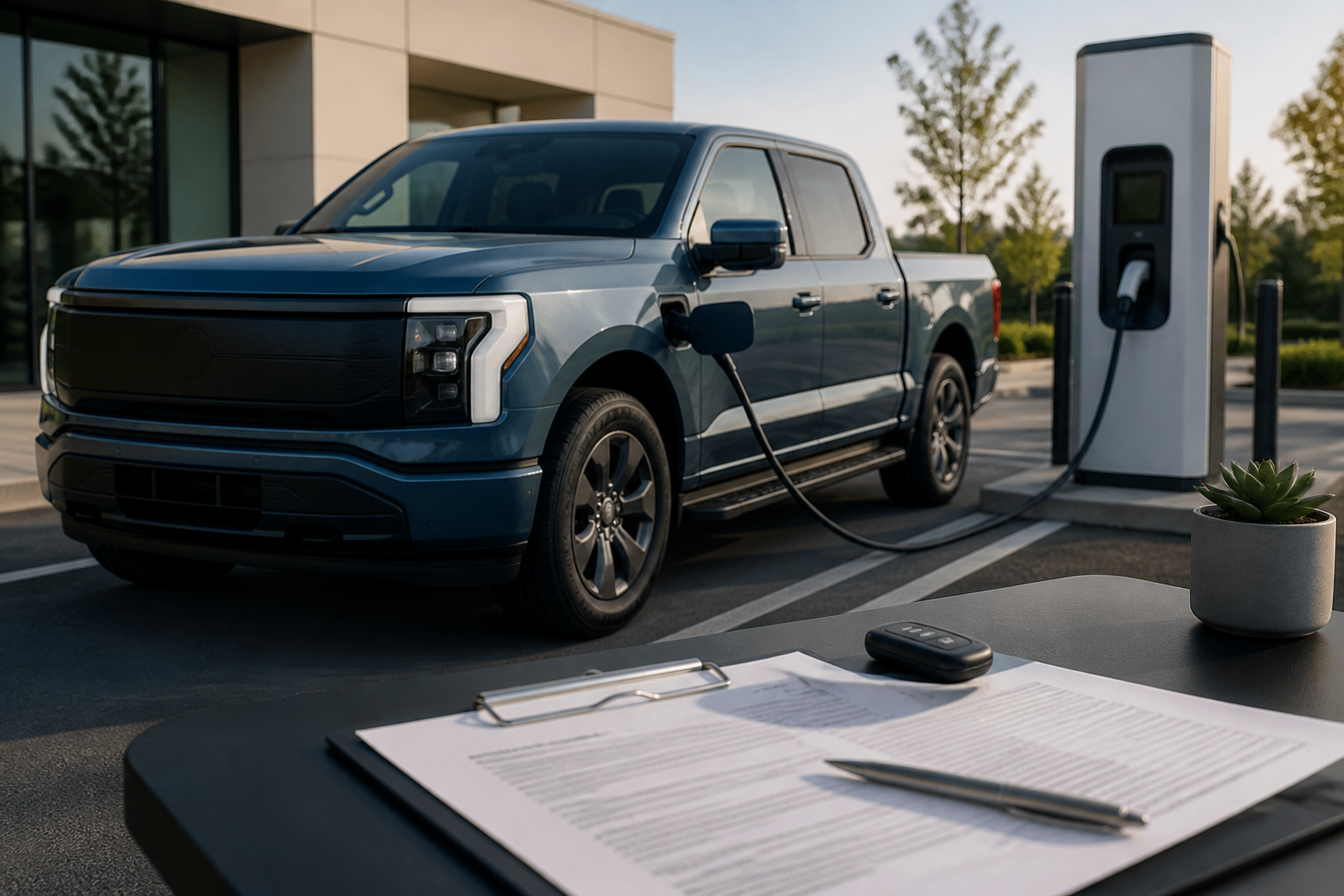
Decoding EV Insurance for Ford F-150 Lightning vs. Ram 1500 REV: A 2026 Cost Analysis
With the Ram 1500 REV entering the market to compete directly with the Ford F-150 Lightning, this article will provide a direct, data-driven comparison of projected insurance costs for these two highly anticipated electric pickup trucks. We'll analyze how factors like battery size, repair complexity, and ADAS features might differentiate premiums, offering guidance for prospective buyers. Use this checklist to compare premiums, deductibles, repair support, and policy wording before renewal.