
2026 EV Insurance Costs: Genesis GV70 Electrified vs. Audi Q4 e-tron – A Deep Dive
Prospective luxury compact electric SUV buyers often overlook insurance costs. This 2026 analysis meticulously compares the projected premiums for the Genesis GV70 Electrified and the Audi Q4 e-tron, dissecting the factors that drive their insurance profiles.

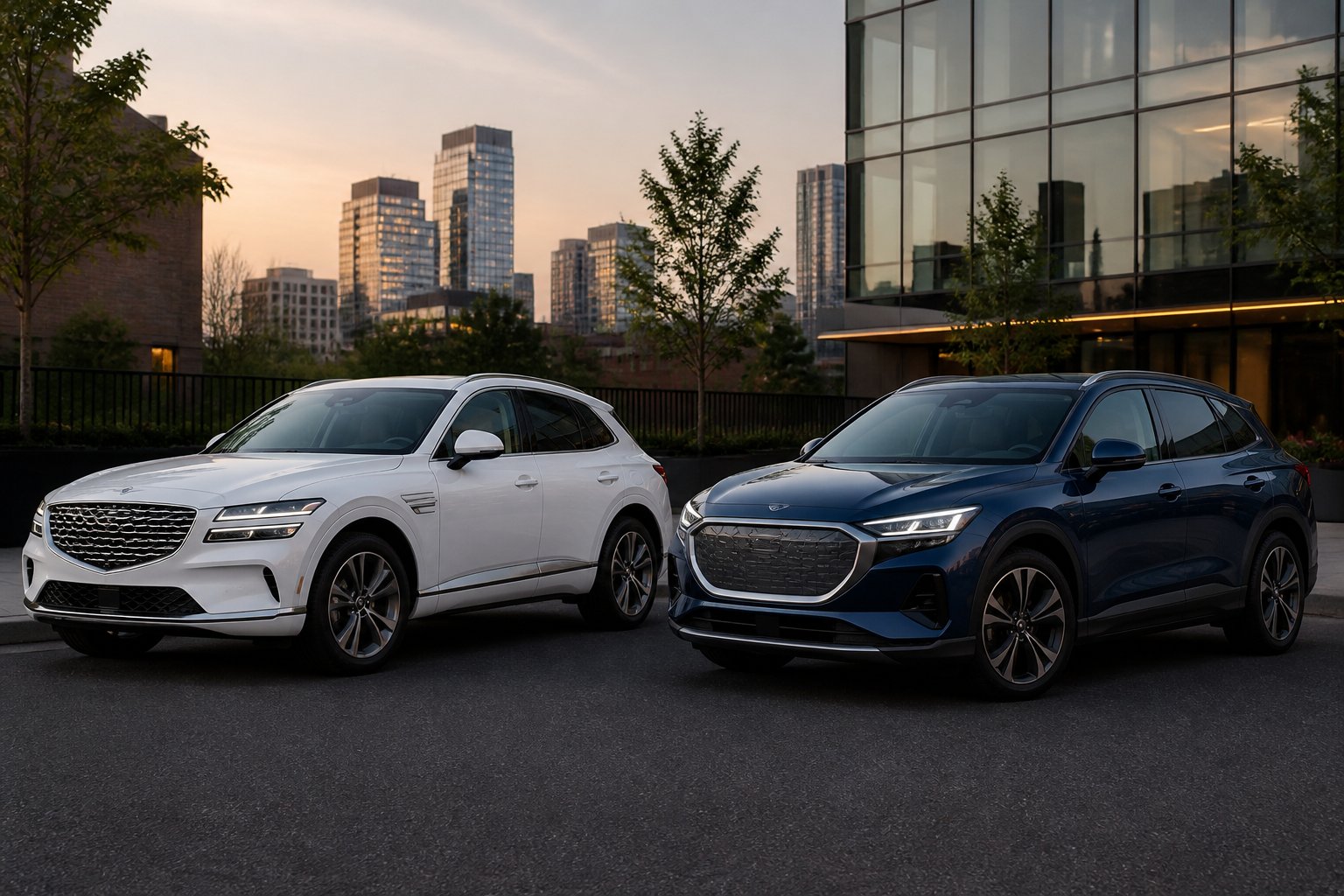
As the electric vehicle market matures, prospective buyers of luxury compact electric SUVs like the Genesis GV70 Electrified and the Audi Q4 e-tron are increasingly scrutinizing not just the purchase price and range, but also the long-term cost of ownership, with insurance being a significant component. For 2026, our analysis at EV Insurance Hub projects nuanced differences in premiums between these two compelling models, driven by a complex interplay of design, technology, and market dynamics.
Introduction: Navigating Luxury EV Insurance in 2026
The landscape of electric vehicle insurance is continuously evolving, shaped by advancements in automotive technology, repair methodologies, and insurer data collection. For luxury EVs, these factors are often amplified due to sophisticated components, advanced driver-assistance systems (ADAS), and brand-specific repair networks. Understanding these elements is crucial for anyone considering a premium electric SUV in 2026.
Our focus today is on two prominent contenders in the luxury compact EV SUV segment: the Genesis GV70 Electrified and the Audi Q4 e-tron. While both offer impressive performance and luxury, their underlying architectures and manufacturer strategies can lead to distinct insurance cost profiles. Our projections for 2026 aim to provide a data-led perspective, helping buyers anticipate and budget for their insurance expenses.
Key Underwriting Factors for Electric Vehicles
Insurance providers assess a multitude of factors when calculating premiums for any vehicle, but EVs introduce several unique considerations. For 2026, these factors continue to be refined as more data becomes available, leading to more accurate, albeit sometimes higher, premium calculations for certain models.
- Vehicle Purchase Price & Repair Costs: Luxury EVs inherently have higher sticker prices, which translates to higher replacement costs in the event of a total loss. Furthermore, specialized EV components, particularly battery packs, can be exceptionally expensive to repair or replace after a collision.
- Battery Design & Integration: The way a battery pack is integrated into the vehicle's chassis significantly impacts repairability. If the battery is a structural component or difficult to access without extensive disassembly, repair costs—and thus insurance premiums—can climb.
- Advanced Driver-Assistance Systems (ADAS): Both the GV70 Electrified and Q4 e-tron come equipped with a suite of ADAS features designed to prevent accidents. While these systems theoretically reduce accident frequency, their sophisticated sensors (cameras, radar, lidar) are often located in vulnerable areas like bumpers and windshields, making them expensive to recalibrate or replace after even minor incidents.
- Parts Availability & Supply Chain: The global supply chain for EV-specific parts, especially for newer luxury models, can still present challenges. Delays in obtaining proprietary components can lead to longer repair times, increasing costs for rental car coverage and overall claim severity.
- Performance & Power Output: High-performance EVs, often found in the luxury segment, can be associated with a higher risk of accidents due to their rapid acceleration capabilities. Insurers factor this into their risk assessments.
- Theft Rates: While EVs are generally less frequently stolen than some internal combustion engine (ICE) counterparts, the high value of components can make them targets for parts theft.
Genesis GV70 Electrified: Insurance Profile
The Genesis GV70 Electrified, an all-electric version of the popular ICE GV70, brings a compelling package of luxury, performance, and distinctive design to the EV market. Its insurance profile for 2026 is influenced by several key characteristics.
Firstly, the GV70 Electrified shares much of its body-in-white with its ICE sibling, which can sometimes aid in parts commonality for non-EV-specific components. However, its dedicated electric powertrain, including a substantial 77.4 kWh battery pack and dual motors producing 429 horsepower (483 hp with Boost Mode), contributes to its higher performance and, consequently, a slightly elevated risk profile for some insurers. The vehicle's premium positioning also means higher MSRPs, typically ranging from $66,000 to $74,000 for 2026 models, directly impacting total loss valuations.
Repairability is a nuanced area for the GV70 Electrified. While Genesis has invested in training its dealership network for EV servicing, the battery pack's integration and the complexity of its electrical systems can lead to specialized repair procedures. ADAS features, including Highway Driving Assist 2 (HDA 2) and a comprehensive suite of sensors, are standard. While these systems are excellent for accident prevention, their repair or recalibration costs—often requiring specialized tools and highly skilled technicians—can add significantly to minor collision claims. For example, a front bumper replacement involving radar sensors could easily exceed $2,500-$4,000, even for a minor impact. Parts availability, being a newer luxury EV, is generally good through the Genesis network, but proprietary EV components might still experience longer lead times than more common ICE parts.
Audi Q4 e-tron: Insurance Profile
The Audi Q4 e-tron, built on Volkswagen Group's dedicated MEB platform, offers a more purpose-built EV architecture compared to the GV70 Electrified's conversion approach. This dedicated platform can have implications for repairability and ultimately, insurance costs.
The Q4 e-tron comes in various configurations, but for a direct comparison, we'll consider models with similar performance and feature sets to the GV70 Electrified. The 2026 Q4 e-tron models with an 82 kWh battery (77 kWh usable) and dual-motor quattro all-wheel drive offer around 295 horsepower. While slightly less powerful than the GV70 Electrified, its premium brand status and advanced technology still place it in a higher insurance bracket. MSRPs for comparable Q4 e-tron models are projected to be in the range of $58,000 to $68,000 for 2026, making it generally a slightly less expensive vehicle to replace than the GV70 Electrified, which can sometimes translate to marginally lower comprehensive and collision premiums.
Repairability on the MEB platform is designed for modularity, which theoretically could simplify some EV-specific repairs. However, Audi's sophisticated ADAS suite, including features like adaptive cruise assist and lane-keeping assist, relies on an array of sensors that are costly to repair or replace. Audi's established global parts network is robust, but specific EV components may still require specialized ordering. The Q4 e-tron's structural battery integration means that significant underbody damage could necessitate extensive, high-cost repairs, or even lead to a total loss declaration. Insurers are increasingly utilizing diagnostic data to assess battery health post-collision, which can influence repair decisions and costs.
Direct Comparison: GV70 Electrified vs. Q4 e-tron
When directly comparing the projected 2026 insurance costs for the Genesis GV70 Electrified and the Audi Q4 e-tron, several factors emerge as key differentiators. It's important to remember that these are projections and actual premiums will vary based on individual driver profiles, location, and chosen coverage levels.
Based on current trends and anticipated 2026 market conditions, the Genesis GV70 Electrified is projected to have slightly higher average annual insurance premiums compared to the Audi Q4 e-tron. This difference is primarily driven by:
- Higher MSRP: The GV70 Electrified generally commands a higher purchase price, directly increasing the cost to replace the vehicle in a total loss scenario.
- Performance: With its higher horsepower and quicker acceleration, the GV70 Electrified might be perceived as a slightly higher risk by some insurers, potentially leading to higher liability and collision premiums.
- Repair Complexity & Parts: While both are luxury EVs with complex systems, the GV70 Electrified's 'conversion' nature (derived from an ICE platform) can, in some instances, make certain EV-specific repairs more intricate or labor-intensive than on a dedicated EV platform like Audi's MEB. This is a subtle but growing factor in underwriting.
For a typical driver with a clean record and good credit, living in a suburban area, projected annual premiums for the Genesis GV70 Electrified in 2026 could range from $2,800 to $4,500. In contrast, the Audi Q4 e-tron could see annual premiums ranging from $2,500 to $4,000. These ranges account for variations in coverage (e.g., higher deductibles vs. lower deductibles, additional coverages like roadside assistance or rental car reimbursement) and regional differences in insurance costs across the US market.
It's important to note that both vehicles will likely fall into a higher insurance tier than their non-luxury ICE counterparts due to the inherent costs associated with EV technology and luxury vehicle repair. The cost of comprehensive and collision coverage will form the largest portion of the premium for both models, reflecting their high replacement value and repair costs.
Strategies for Mitigating Your EV Insurance Costs
Even with luxury EVs, there are proactive steps drivers can take to help manage their insurance premiums. These strategies are universally applicable but can be particularly impactful for higher-cost vehicles.
- Shop Around Aggressively: Never settle for the first quote. Insurers use different algorithms and have varying appetites for risk. Obtaining quotes from at least 3-5 different providers is crucial. Online comparison tools can be a good starting point, but direct quotes often yield more tailored results.
- Bundle Policies: Combining your auto insurance with homeowners or renters insurance can often result in significant multi-policy discounts, sometimes up to 15-20% on total premiums.
- Increase Your Deductibles: Opting for a higher deductible (e.g., $1,000 instead of $500) on comprehensive and collision coverage can lower your annual premium. Just ensure you have the funds readily available to cover the deductible if an incident occurs.
- Maintain a Clean Driving Record: This is perhaps the most impactful factor. A history free of accidents and moving violations demonstrates lower risk to insurers.
- Inquire About EV-Specific Discounts: Some insurers offer discounts for owning an EV, participation in telematics programs (usage-based insurance), or even for having a home charging station.
- Improve Your Credit Score: In many states, insurers use credit scores as a factor in determining premiums. A higher credit score can indicate financial responsibility, potentially leading to lower rates.
- Consider Usage-Based Insurance (UBI): If you drive less or have safe driving habits, UBI programs that monitor your driving behavior via a device or app could offer discounts.
Market Trends and Future Outlook
Looking ahead to 2026 and beyond, several market trends are expected to continue influencing EV insurance costs for models like the Genesis GV70 Electrified and Audi Q4 e-tron.
Firstly, the increasing availability of third-party repair shops specializing in EVs could help to stabilize or even slightly reduce repair costs. Currently, many EV repairs are routed through dealership service centers, which can be more expensive. As the EV parc grows, independent shops will gain the necessary expertise and tooling, fostering competition. Secondly, advancements in battery technology and manufacturing processes may lead to more modular and repairable battery packs, or at least a reduction in their replacement cost, though this is a longer-term trend. For 2026, battery replacement costs remain a significant concern for insurers.
Furthermore, the data collected from ADAS systems and telematics will become even more sophisticated. Insurers will be better able to differentiate risk based on actual driving behavior and the effectiveness of specific ADAS suites in preventing accidents. This could lead to more personalized premiums, potentially benefiting safer drivers of these advanced vehicles. However, the cost of ADAS repair and recalibration will likely remain a premium driver until more standardized and cost-effective repair methods are widely adopted.
Finally, the overall supply chain for EV components is expected to become more robust, reducing lead times and potentially costs. However, geopolitical factors and raw material prices will continue to introduce volatility. For luxury EVs, the emphasis on proprietary technology and premium materials will likely keep their insurance costs at the higher end of the spectrum, but informed consumers can still find ways to optimize their coverage and premiums.
Key takeaways
- The Genesis GV70 Electrified is projected to have slightly higher 2026 insurance premiums than the Audi Q4 e-tron, primarily due to its higher MSRP and greater performance.
- Repair costs for ADAS sensors and integrated battery packs are significant drivers of high luxury EV insurance premiums for both models.
- Dedicated EV platforms, like the Audi Q4 e-tron's MEB, can sometimes offer advantages in repairability over converted ICE platforms, subtly influencing costs.
- Aggressively shopping for quotes from multiple insurers and bundling policies remain the most effective ways to mitigate luxury EV insurance costs.
- Future trends suggest more specialized EV repair shops and refined telematics data could bring more personalized, potentially lower, premiums for safe drivers by 2026 and beyond.
Frequently asked questions
Q.Why are luxury electric SUVs like the GV70 Electrified and Q4 e-tron generally more expensive to insure?
Luxury electric SUVs have higher MSRPs, meaning higher replacement costs for insurers. They also feature advanced, expensive-to-repair technology like sophisticated ADAS and large, integrated battery packs, which significantly drive up repair costs after an accident.
Q.Do ADAS features reduce insurance costs for EVs?
While ADAS features are designed to prevent accidents, their impact on insurance costs is mixed. They can reduce accident frequency, but the high cost of repairing and recalibrating these complex sensors after even minor collisions often offsets potential savings, sometimes leading to higher premiums.
Q.How does battery repairability affect EV insurance premiums?
The ease and cost of repairing or replacing an EV's battery pack directly impact insurance premiums. If the battery is a structural component or requires extensive labor for access, repair costs will be higher, leading to increased premiums or a greater likelihood of a total loss declaration.
Q.Will EV insurance costs decrease by 2026?
While some factors like increased repair shop specialization and improved parts supply chains may exert downward pressure, the overall trend for luxury EV insurance in 2026 is likely to remain stable or see modest increases. High vehicle values, advanced technology repair costs, and evolving data continue to influence pricing.
Q.What is the most effective way to lower my luxury EV insurance premium?
The most effective strategies include shopping around for quotes from multiple insurers, bundling your auto policy with other insurance types, and choosing higher deductibles. Maintaining a clean driving record and inquiring about EV-specific discounts also significantly help.
References
Automotive journalist with 10+ years road-testing EVs and tracking model-by-model ownership costs.
Continue reading
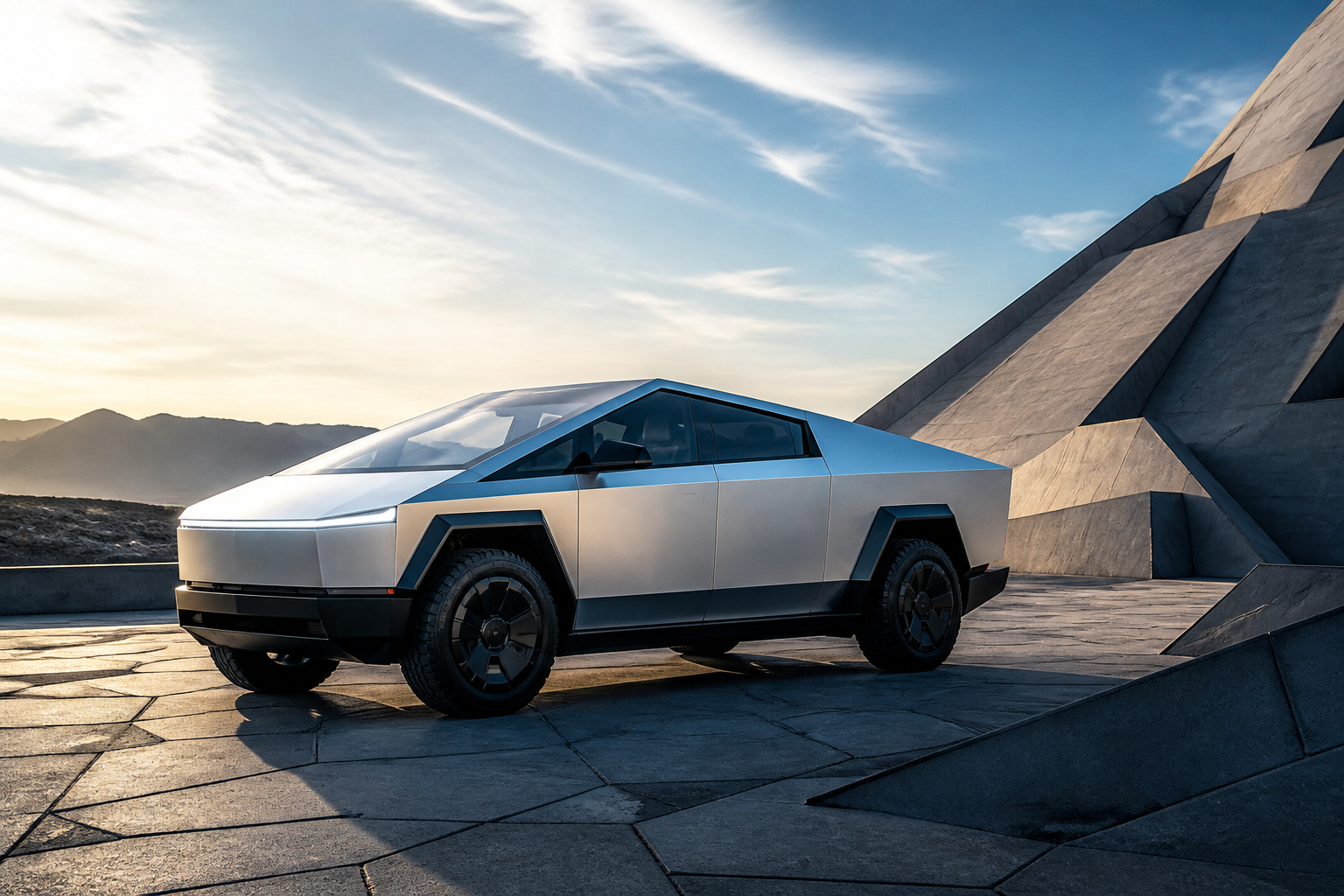
Unpacking Cybertruck Insurance: A 2026 Cost & Coverage Deep Dive
The Tesla Cybertruck's distinctive stainless-steel exoskeleton and innovative design present unprecedented challenges for auto insurers. We delve into projected 2026 insurance costs and critical coverage considerations for this highly anticipated electric truck.
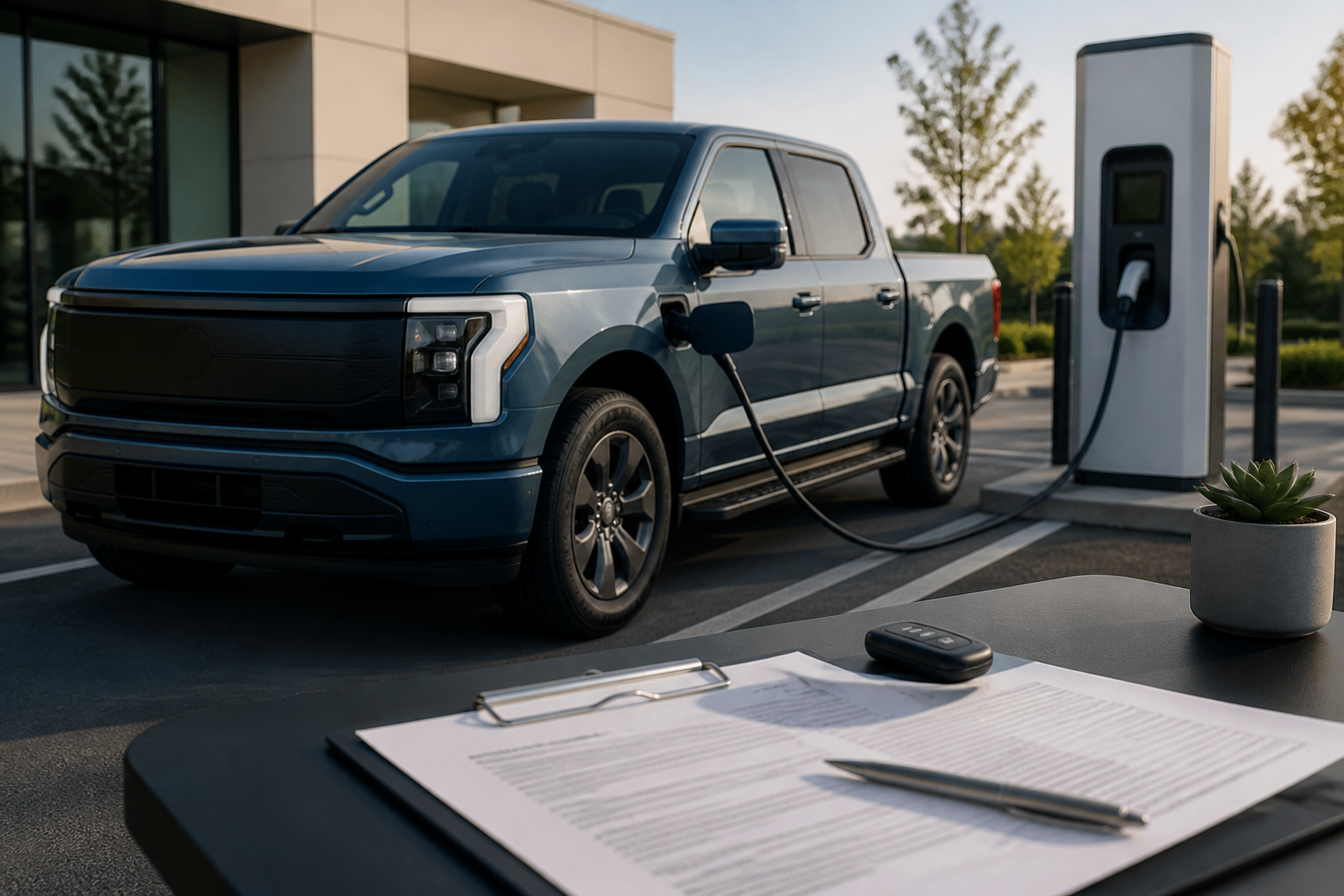
Decoding EV Insurance for Ford F-150 Lightning vs. Ram 1500 REV: A 2026 Cost Analysis
With the Ram 1500 REV entering the market to compete directly with the Ford F-150 Lightning, this article will provide a direct, data-driven comparison of projected insurance costs for these two highly anticipated electric pickup trucks. We'll analyze how factors like battery size, repair complexity, and ADAS features might differentiate premiums, offering guidance for prospective buyers. Use this checklist to compare premiums, deductibles, repair support, and policy wording before renewal.
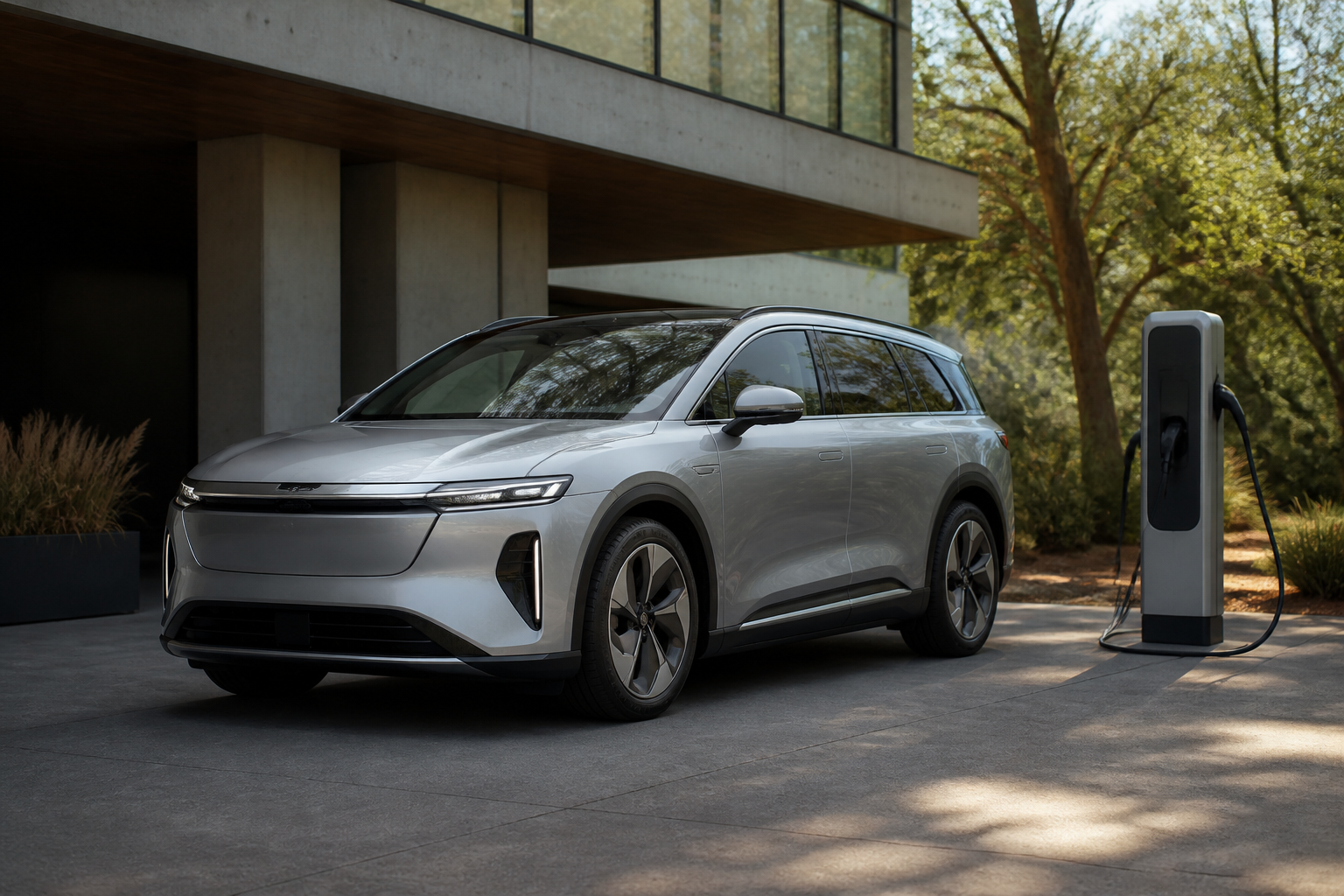
Unpacking Lucid Gravity Insurance Costs: A 2026 Outlook for Luxury Electric SUVs
The Lucid Gravity, a highly anticipated luxury electric SUV, is set to redefine its segment. But what will it cost to insure this cutting-edge vehicle in 2026?