
Decoding EV Insurance Costs: Genesis GV60 vs. Hyundai Ioniq 6 Analysis
Navigating electric vehicle insurance can be complex, especially with innovative models like the Genesis GV60 and Hyundai Ioniq 6 entering the market. This article breaks down the factors influencing their insurance premiums, offering crucial insights for potential owners.

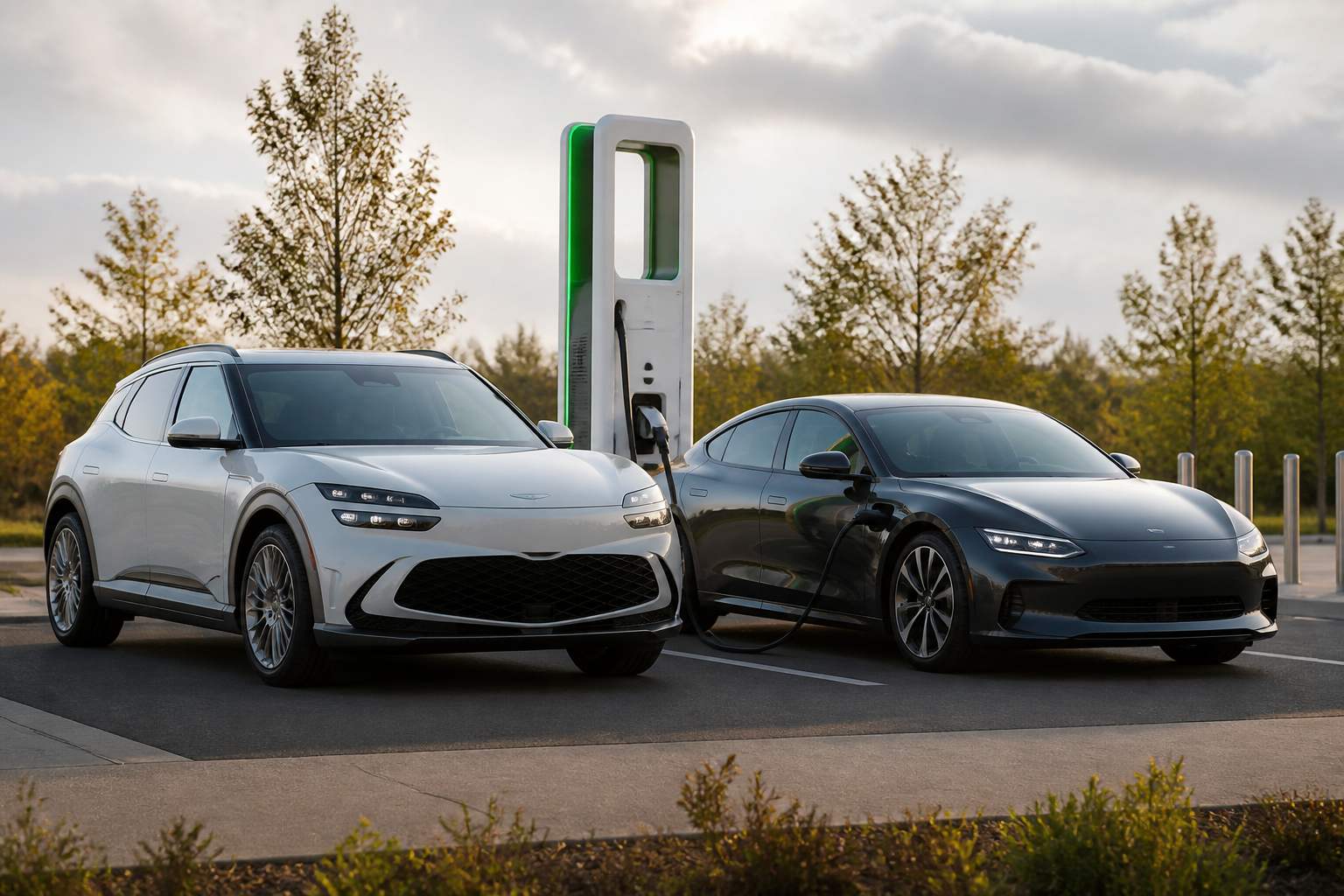
As the electric vehicle market continues its rapid expansion, South Korean automakers Hyundai and Genesis have emerged as formidable players, offering compelling models that blend cutting-edge technology with distinctive design. The Genesis GV60, a luxury electric crossover, and the Hyundai Ioniq 6, an aerodynamic electric sedan, represent significant advancements in the EV landscape. However, for prospective buyers, understanding the insurance implications of these sophisticated vehicles is just as crucial as evaluating their range or performance. This analysis delves into the specific factors that influence ev insurance genesis ioniq 6 costs, providing a balanced, data-led perspective for consumers in the US market.
Introduction to South Korean EVs and Insurance
The automotive industry's pivot towards electrification has seen a surge in innovative models from a diverse range of manufacturers. Hyundai Motor Group, encompassing the Hyundai, Kia, and Genesis brands, has been particularly proactive, leveraging its dedicated Electric Global Modular Platform (E-GMP) to deliver highly competitive EVs. The Genesis GV60, as the luxury marque's first dedicated electric vehicle, and the Hyundai Ioniq 6, a design-forward sedan, both exemplify this commitment. These vehicles are not merely electric versions of existing models; they are built from the ground up as EVs, integrating advanced battery technology, sophisticated driver-assistance systems, and unique design elements.
The introduction of such advanced vehicles inevitably brings new considerations for insurance providers and policyholders alike. Electric vehicles, by their nature, often present a different risk profile compared to their internal combustion engine (ICE) counterparts. This is due to several factors, including their typically higher purchase price, the specialized and often costly components like battery packs and electric motors, and the limited availability of trained technicians and specialized repair facilities. For South Korean brands, while their reliability has been well-established in the ICE market, their newer EV offerings are still building a track record within the insurance industry's evolving risk models.
Our objective is to demystify ev insurance genesis ioniq 6 costs by examining the core variables that underwriters consider. We will compare how the distinct characteristics of the GV60 and Ioniq 6 might translate into differing premium structures, offering a clearer picture for those considering these popular South Korean electric models. Understanding these elements is key to making an informed purchasing decision and budgeting for the total cost of EV ownership.
Understanding EV Insurance Cost Drivers
Before diving into specific models, it's essential to grasp the universal factors that drive electric vehicle insurance premiums. These factors are generally consistent across all vehicle types but can have amplified effects on EVs due to their unique characteristics. Insurers assess risk based on the likelihood and potential cost of a claim, and several key areas stand out for EVs:
- Vehicle Price and Repair Costs: EVs often have a higher sticker price than comparable ICE vehicles. More critically, their specialized components—like the high-voltage battery, electric motors, and power electronics—can be expensive to repair or replace. Advanced body structures, often designed for optimal aerodynamics and battery protection, can also lead to higher repair bills.
- Performance Characteristics: Many EVs, including the GV60 and Ioniq 6, offer instant torque and rapid acceleration. While exhilarating, higher performance can sometimes correlate with a higher risk of accidents, particularly for drivers unaccustomed to such responsiveness.
- Safety Features and Technology: Modern EVs are typically equipped with an array of advanced driver-assistance systems (ADAS) such as automatic emergency braking, lane-keeping assist, and adaptive cruise control. While these features are designed to prevent accidents, the sensors and cameras that enable them are costly to replace if damaged, impacting collision and comprehensive coverage premiums.
- Battery Technology and Replacement: The battery pack is the single most expensive component in an EV. While battery fires are rare, their potential severity and the specialized containment and repair procedures required can influence premiums. Furthermore, if a battery needs replacement due to damage (not just degradation), the cost can be substantial.
- Theft Risk: While EVs are generally less likely to be stolen than popular ICE vehicles, the theft of charging cables or specific high-value components can be a concern. The overall value of the vehicle also makes it an attractive target for theft.
- Parts Availability and Repair Network: A nascent EV market means that specialized parts might be less readily available, and the network of certified repair shops with EV expertise might be smaller. This can lead to longer repair times and higher labor costs, which insurers factor into their pricing.
These factors combine with traditional insurance rating variables such as the driver's age, driving history, location, annual mileage, and chosen coverage limits and deductibles to determine the final premium. The interaction of these elements creates a complex underwriting landscape for new and emerging EV models.
Genesis GV60: An Insurance Profile
The Genesis GV60 enters the luxury electric crossover segment with a compelling package of performance, technology, and distinctive design. Its insurance profile is shaped by several key characteristics:
First, the GV60's luxury positioning and higher MSRP are significant factors. With starting prices typically ranging from $53,000 to over $60,000 (depending on trim and options), its replacement cost in the event of a total loss is substantial. This directly impacts comprehensive and collision coverage premiums. The vehicle's premium materials and advanced infotainment system also contribute to higher repair costs for minor damages.
Second, the GV60's performance capabilities, particularly in its Performance trim, are noteworthy. With up to 429 horsepower (483 hp with Boost Mode) and a 0-60 mph time as low as 3.4 seconds, it offers sports car-like acceleration. While thrilling, high-performance vehicles often face higher insurance rates due to the perceived increased risk of high-speed accidents or more severe damage in a collision. Insurers may categorize such vehicles into higher performance tiers, influencing liability and collision premiums.
Third, the GV60 is replete with advanced technology and safety features. It boasts a comprehensive suite of ADAS, including Highway Driving Assist 2, Remote Smart Parking Assist, and a Surround View Monitor. While these systems enhance safety and can potentially reduce the likelihood of certain accidents, the sophisticated sensors, cameras, and radar units required for their operation are expensive to calibrate and replace after even minor impacts. For example, a damaged front bumper might necessitate replacing radar sensors and recalibrating them, significantly increasing repair bills compared to a non-ADAS equipped vehicle. This contributes to higher collision and comprehensive premiums.
Finally, the GV60's unique design and dedicated EV platform mean that specialized parts and repair expertise are required. The E-GMP platform, while innovative, is relatively new, and the availability of Genesis-certified EV repair facilities might be more limited than for mainstream brands. This can lead to increased repair times and costs, which are ultimately reflected in insurance rates. Based on market data, average annual insurance premiums for a Genesis GV60 in the US can range from $2,200 to $3,500 or more, depending heavily on the driver's profile, location, and chosen coverage. These figures are typically higher than the average for conventional luxury crossovers due to the EV-specific factors mentioned.
Hyundai Ioniq 6: An Insurance Profile
The Hyundai Ioniq 6, with its distinctive 'electrified streamliner' design and efficient performance, presents a slightly different insurance profile compared to its luxury sibling, the GV60. While sharing the E-GMP platform, its market positioning and specific attributes lead to distinct insurance considerations.
Firstly, the Ioniq 6 generally has a lower MSRP than the GV60, typically starting from around $42,000 to $57,000 for higher trims. This more accessible price point can translate to slightly lower comprehensive and collision premiums, as the total replacement cost for the vehicle is less. However, it still falls into a higher price bracket than many conventional sedans, keeping premiums elevated relative to the broader market.
Secondly, while the Ioniq 6 offers impressive performance, particularly in its dual-motor, all-wheel-drive configuration (up to 320 horsepower and 0-60 mph in about 5 seconds), its performance envelope is generally less aggressive than the top-tier GV60. This might place it in a slightly lower risk category for some insurers, potentially leading to marginally lower performance-related surcharges compared to its Genesis counterpart. Its focus on efficiency and range (up to 361 miles in some configurations) also contributes to a perception of a more practical, less 'performance-oriented' vehicle, which can subtly influence underwriting.
Thirdly, like the GV60, the Ioniq 6 is packed with advanced safety and driver-assistance features. It shares many of the same ADAS technologies, including Highway Driving Assist, blind-spot monitoring, and a comprehensive airbag system. The repair complexity and cost associated with these systems are similar to the GV60, meaning that while they enhance safety, they also contribute to higher collision and comprehensive repair costs. The sleek, aerodynamic exterior, while visually appealing, might also feature integrated sensors and cameras that are costly to replace if damaged.
Finally, the Ioniq 6 benefits from Hyundai's broader dealership and service network, which might offer a slight advantage in terms of parts availability and repair accessibility compared to the Genesis brand, though EV-specific expertise remains a key factor. Despite its mainstream branding, the Ioniq 6's advanced EV architecture still means specialized repair procedures. Based on current market trends, average annual insurance premiums for a Hyundai Ioniq 6 in the US typically fall within the range of $1,900 to $3,000 or more. While generally lower than the GV60, these rates are still reflective of its status as a technologically advanced EV with a relatively high initial cost and complex repair needs.
GV60 vs. Ioniq 6: A Head-to-Head Insurance Comparison
When directly comparing the insurance costs for the Genesis GV60 and the Hyundai Ioniq 6, several distinctions become clear, primarily stemming from their market positioning and specific vehicle attributes. While both share the E-GMP platform and many underlying technologies, their differences create a noticeable divergence in premium ranges.
Here's a breakdown of the key comparative factors:
- MSRP and Replacement Cost: The Genesis GV60, as a luxury vehicle, commands a higher MSRP. This directly translates to higher comprehensive and collision premiums because the potential payout for a total loss or extensive damage is greater. The Ioniq 6, while not inexpensive, has a more accessible price point, which generally results in lower premiums for these coverage types.
- Performance: The GV60, especially its Performance trim, often offers superior horsepower and quicker acceleration. Insurers tend to associate higher performance with increased risk, which can lead to higher rates for liability and collision coverage. The Ioniq 6, while quick, generally doesn't reach the same performance extremes, potentially benefiting from a slightly lower risk assessment in this category.
- Brand Perception and Theft Risk: Luxury brands like Genesis can sometimes face higher theft risk assessments due to their desirability and higher value, although this varies significantly by region. Hyundai, while a popular brand, may not always carry the same perceived theft risk as a dedicated luxury marque.
- Repair Costs and Parts: Both vehicles utilize advanced EV technology, implying specialized and potentially expensive repairs. However, the Genesis brand, with its luxury components and potentially more bespoke parts, might incur slightly higher repair costs than a Hyundai, even for similar types of damage. The availability of Genesis-specific parts and certified technicians could also be a factor.
- Driver Demographics: While not a vehicle-specific factor, the typical buyer demographic can subtly influence insurance rates. Luxury vehicles like the GV60 might attract a different pool of drivers compared to the Ioniq 6, and these demographic differences (e.g., age, income, driving history) can indirectly affect the average quoted premiums for each model.
In summary, while both are advanced EVs from the same parent company, the Genesis GV60 typically commands higher insurance premiums than the Hyundai Ioniq 6. This difference can range from 10% to 25% or more, depending on the specific trim levels being compared and the individual driver's profile. For instance, a GV60 Performance model could see premiums significantly higher than an Ioniq 6 Long Range RWD. Prospective buyers should obtain specific quotes for the exact trim and configuration they are considering to get the most accurate cost estimate.
Strategies to Mitigate EV Insurance Costs
While the Genesis GV60 and Hyundai Ioniq 6 may have higher insurance premiums than some conventional vehicles, there are several proactive steps owners and prospective buyers can take to potentially lower their costs. Adopting these strategies can make EV ownership more affordable and manageable:
- Shop Around Extensively: This is arguably the most crucial step. Insurance rates vary significantly between carriers for the exact same coverage. Obtain quotes from multiple providers—national insurers, regional companies, and even specialized EV insurers. Online comparison tools can be a good starting point, but direct quotes often yield more tailored results.
- Bundle Policies: Many insurers offer discounts for bundling auto insurance with other policies, such as home, renters, or umbrella insurance. Consolidating your insurance needs with a single provider can lead to substantial savings on your EV policy.
- Increase Your Deductibles: Opting for higher deductibles on your comprehensive and collision coverage will reduce your monthly or annual premium. However, ensure you have sufficient savings to cover the deductible amount if you need to file a claim.
- Maintain a Clean Driving Record: A history free of accidents and moving violations is the single most effective way to keep insurance premiums low. Safe driving habits are always rewarded by insurers.
- Inquire About EV-Specific Discounts: Some insurance companies offer discounts specifically for electric vehicles. These might include discounts for owning an eco-friendly vehicle, for vehicles with advanced safety features (which both the GV60 and Ioniq 6 possess), or for charging at home.
- Consider Usage-Based Insurance (UBI): Telematics programs, where a device or app monitors your driving habits (mileage, speed, braking), can offer discounts for safe drivers and those who drive less. If you have a low annual mileage or consistently drive safely, a UBI program could significantly reduce your premiums.
- Improve Vehicle Security: While both the GV60 and Ioniq 6 come with advanced security systems, adding extra layers of security (e.g., tracking devices, immobilizers) can sometimes lead to discounts, especially for higher-value vehicles.
- Maintain Good Credit: In many states, insurers use credit scores as a factor in determining premiums. A higher credit score can signal greater financial responsibility and potentially lead to lower rates.
- Review Coverage Annually: Your insurance needs and the market rates can change. Review your policy at least once a year to ensure you have appropriate coverage and are getting the best possible rate. As your EV ages, you might consider adjusting collision and comprehensive coverage if the vehicle's market value decreases significantly.
By strategically applying these methods, owners of Genesis GV60s and Hyundai Ioniq 6s can actively work to mitigate the inherent higher costs associated with insuring advanced electric vehicles.
The Future of EV Insurance for These Models
The landscape of EV insurance is dynamic, constantly evolving as technology advances, repair networks mature, and data on EV claims accumulates. For models like the Genesis GV60 and Hyundai Ioniq 6, several trends are likely to shape their future insurance costs and availability.
One significant factor is the maturation of the EV repair ecosystem. As more EVs hit the road, the demand for specialized technicians and parts will drive the expansion of certified repair facilities. This increased competition and expertise could eventually lead to reduced repair times and costs, which would positively impact insurance premiums. Furthermore, advancements in battery repair techniques, rather than full replacement, could also lower claim severity. Organizations like the Insurance Institute for Highway Safety (IIHS) and Highway Loss Data Institute (HLDI) continue to collect crucial data on EV crashworthiness and real-world repair costs, which will refine actuarial models over time. Initial data from HLDI has shown that some EVs have lower claim frequencies for property damage liability, but higher claim severities for collision due to repair costs, creating a mixed picture that will become clearer with more data.
Another trend involves battery technology and warranty improvements. As battery durability and longevity improve, and manufacturers offer longer warranties, the perceived risk of costly battery replacement due to degradation (not accident) may decrease for insurers. However, coverage for battery damage due to collision will remain a critical, high-cost component. The development of more standardized diagnostic tools for battery health could also streamline claims processes.
The increasing sophistication of Advanced Driver-Assistance Systems (ADAS) will also play a dual role. While these systems are designed to prevent accidents, reducing claim frequency, their repair and calibration costs remain a concern. As ADAS technology becomes more common and repair procedures become more standardized and efficient, the cost impact might stabilize or even decrease. Insurers are actively studying the real-world impact of ADAS on accident rates and claim severity to adjust their pricing models accordingly.
Finally, the growing popularity of South Korean EVs, including the GV60 and Ioniq 6, means more data for insurers. As these models build a longer track record in terms of accident rates, repair costs, and theft statistics, underwriting models will become more precise. This could lead to more stable and potentially more competitive insurance rates as the initial 'unknown' factor diminishes. However, specific legislative changes, such as 'right-to-repair' laws that might increase the availability of aftermarket parts, could also influence costs. As Sarah Mitchell, I emphasize that while predicting exact future prices is impossible, the general trend suggests that as the EV market matures and repair infrastructure strengthens, the volatility in EV insurance premiums should gradually decrease, leading to more predictable and potentially more favorable rates for well-established models like the Genesis GV60 and Hyundai Ioniq 6.
Key takeaways
- Genesis GV60 insurance typically costs more than Hyundai Ioniq 6 insurance due to its luxury status, higher MSRP, and greater performance.
- Both EVs face elevated insurance costs compared to ICE vehicles due to expensive battery packs, advanced technology, and specialized repair requirements.
- Advanced Driver-Assistance Systems (ADAS) in both models enhance safety but can increase repair costs, impacting collision and comprehensive premiums.
- Shopping around for quotes from multiple insurers and bundling policies are crucial strategies to mitigate EV insurance expenses.
- The evolving EV repair ecosystem and increasing data will likely lead to more stable and predictable insurance rates for these models over time.
Frequently asked questions
Q.Is insurance for the Genesis GV60 more expensive than for the Hyundai Ioniq 6?
Generally, yes. The Genesis GV60, being a luxury vehicle with a higher MSRP and often more powerful performance trims, typically incurs higher insurance premiums than the Hyundai Ioniq 6. This is due to its higher replacement cost and potentially more expensive luxury components for repair.
Q.Why are EV insurance costs for these models often higher than gasoline cars?
EVs like the GV60 and Ioniq 6 have higher purchase prices, and their specialized components such as battery packs and electric motors are expensive to repair or replace. Additionally, the advanced technology and limited network of specialized EV repair facilities contribute to higher overall claim costs, which are reflected in premiums.
Q.What factors specifically affect ev insurance genesis ioniq 6 costs?
Key factors include the vehicle's MSRP, performance capabilities, the sophistication and repair cost of advanced driver-assistance systems (ADAS), the cost of battery replacement, and the availability of specialized parts and repair expertise. Driver-specific factors like location, driving history, and age also play a significant role.
Q.Can I reduce my insurance costs for a Genesis GV60 or Hyundai Ioniq 6?
Yes, you can. Strategies include shopping around for quotes from multiple insurers, bundling policies, choosing higher deductibles, maintaining a clean driving record, and inquiring about EV-specific or safety feature discounts. Some drivers may also benefit from usage-based insurance programs.
References
Automotive journalist with 10+ years road-testing EVs and tracking model-by-model ownership costs.
Continue reading
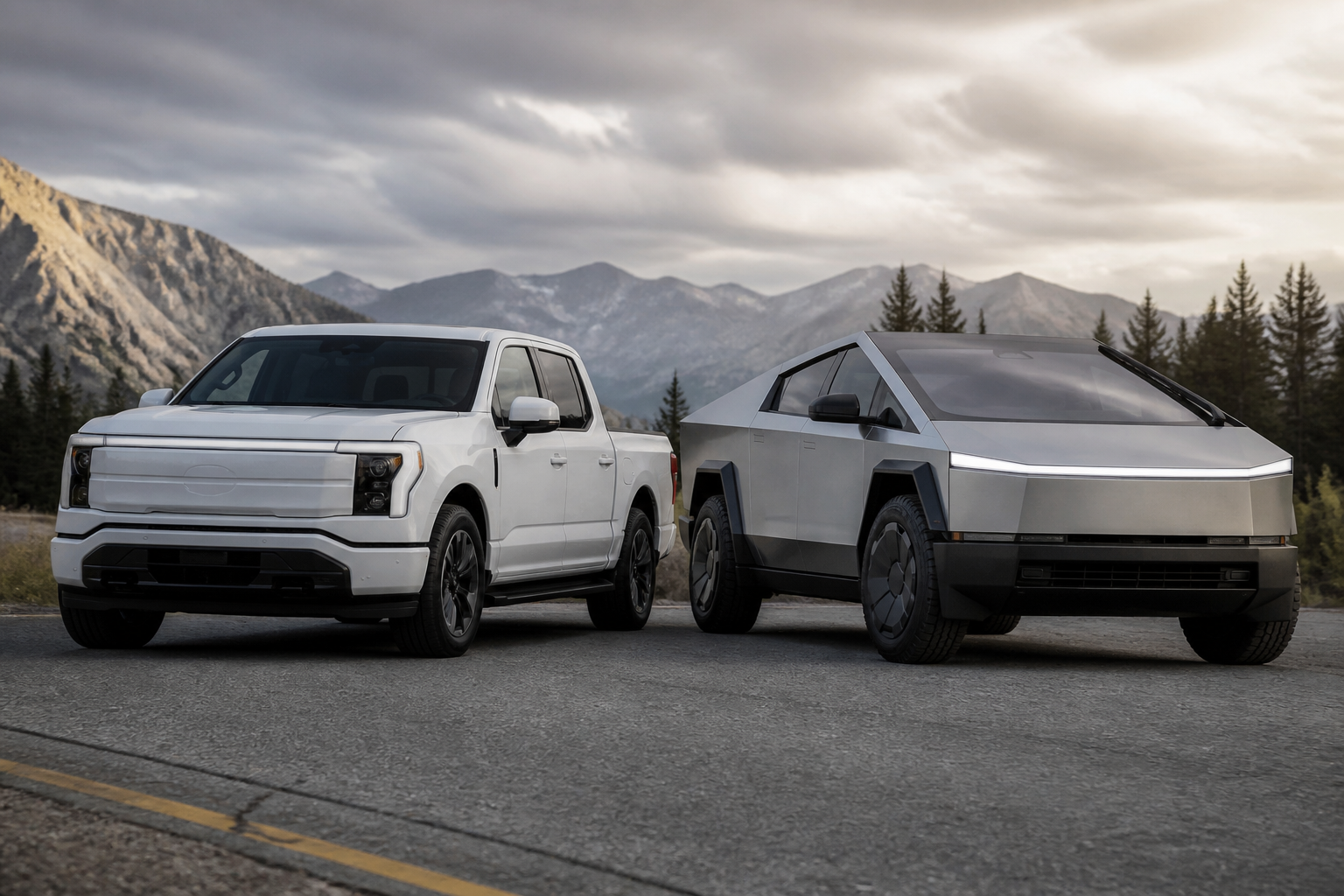
Ford F-150 Lightning vs. Tesla Cybertruck: Decoding 2026 EV Insurance Costs
As electric trucks gain traction, understanding their insurance implications is crucial. This analysis projects 2026 insurance costs for the Ford F-150 Lightning and Tesla Cybertruck, highlighting key factors that will influence your premiums.
Decoding EV Insurance for Ford F-150 Lightning vs. Chevrolet Silverado EV: A 2026 Cost Analysis
This article provides a head-to-head comparison of insurance costs for two of the most popular electric pickup trucks in the US market. We'll analyze factors specific to heavy-duty EVs, such as battery size, repair complexity, and commercial use implications, to help potential buyers understand their likely premiums. Use this checklist to compare premiums, deductibles, repair support, and policy wording before renewal.
Decoding EV Insurance for Emerging Southeast Asian Brands: VinFast, Wuling, & Neta Costs
As Southeast Asian EV brands like VinFast, Wuling, and Neta expand globally, understanding their unique insurance cost structures is crucial. This article will analyze repairability, parts availability, and regional market acceptance to project insurance premiums for these emerging players in major EV markets. Use this checklist to compare premiums, deductibles, repair support, and policy wording before renewal.