
How EV Charging Networks Influence Your Insurance Premiums: A Deep Dive
The burgeoning electric vehicle (EV) market relies heavily on robust charging infrastructure. But beyond convenience, the availability and type of EV charging networks can subtly yet significantly impact your insurance premiums, a factor often overlooked by consumers.

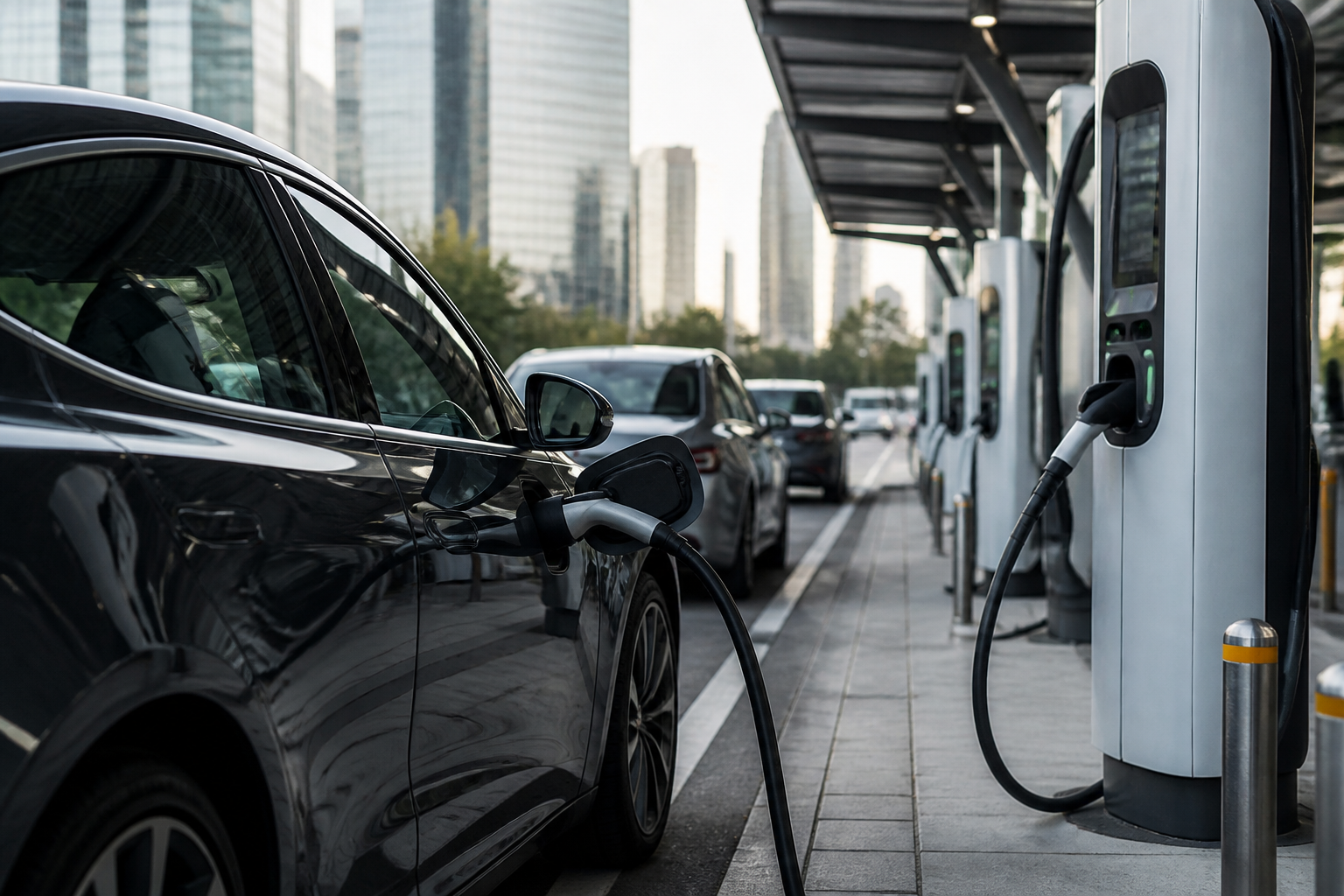
As electric vehicles become increasingly prevalent, the ecosystem supporting them, particularly charging infrastructure, plays a critical role not just in adoption rates but also in the nuanced world of insurance. Many EV owners focus on the vehicle's purchase price, range, and charging speed, often overlooking how the very network that powers their cars can influence their insurance premiums. This article explores the intricate relationship between EV charging networks and insurance costs, examining how factors like charger density, reliability, and type contribute to the overall risk profile and, consequently, your wallet.
Introduction to Charging Infrastructure and Insurance
The transition to electric vehicles is fundamentally linked to the availability and accessibility of charging infrastructure. Without a robust network, range anxiety and inconvenience deter potential buyers, impacting market growth. From an insurance perspective, this infrastructure isn't just a convenience; it's a dynamic element that introduces various risk factors directly influencing premiums. Insurers are constantly analyzing new data points to accurately assess risk for emerging technologies, and EV charging behavior and infrastructure are rapidly becoming key components of this assessment.
The core principle of insurance is to assess risk and price it accordingly. For electric vehicles, this assessment extends beyond the vehicle's make, model, and driver's history to include factors unique to EVs. The charging environment, both public and private, presents a unique set of variables that underwriters are beginning to incorporate. This includes everything from the likelihood of theft at a public charger to the potential for battery degradation or damage due to charging practices, all of which can impact the frequency and severity of claims.
Density and Reliability of Charging Networks
The density and reliability of EV charging networks are crucial considerations for insurers. In regions with a high concentration of reliable charging stations, drivers are less likely to experience 'range anxiety' and may be less inclined to take risks by pushing their vehicle's battery to its limits. Conversely, in areas with sparse or unreliable charging options, drivers might be forced to seek out less secure locations, or attempt to 'limp home' with critically low battery levels, potentially increasing the risk of roadside incidents or accidents.
A well-established network reduces the stress on drivers and, by extension, the likelihood of certain types of incidents. For example, a driver confident in finding a charging station is less likely to park their EV in an isolated, poorly lit area out of desperation. Insurers analyze geographical data related to charging infrastructure to understand regional risk profiles. Areas with a higher density of reliable charging points may see slightly lower premiums for certain coverage types, as they indicate a more mature and safer EV ecosystem. Conversely, nascent markets with limited infrastructure might face higher premiums due to perceived increased risk.
Consider the following impacts of charging network density and reliability:
- Reduced Risk of Stranding: A dense network minimizes the chance of an EV running out of charge in an unsafe or remote location, reducing the risk of theft or accident while vulnerable.
- Improved Driver Behavior: Drivers are less likely to engage in risky behaviors (e.g., speeding to reach a distant charger) when charging options are plentiful and dependable.
- Lower Vandalism Risk: Well-maintained, frequently used charging stations in visible locations are generally less prone to vandalism than isolated or neglected ones.
Charging Station Types: Level 2 vs. DC Fast Charging
The type of charging station predominantly used also plays a role in insurance considerations. There are generally two main types of public charging: Level 2 (AC) and DC Fast Charging (DCFC). Each presents a different set of implications for EV insurance premiums.
Level 2 Chargers: These are common at workplaces, hotels, and public parking lots. They provide a slower charge, typically adding 20-30 miles of range per hour. Vehicles often remain parked at Level 2 chargers for several hours. This extended parking duration can increase exposure to certain risks. For instance, a vehicle parked overnight at a public Level 2 charger might be more susceptible to theft or vandalism than one that is quickly charged and moved. However, the slower charging rate is generally considered less stressful on the vehicle's battery, potentially reducing long-term battery degradation concerns from an insurance perspective.
DC Fast Chargers (DCFC): These stations offer rapid charging, often topping up an EV's battery to 80% in 20-60 minutes. They are typically found along major highways and at dedicated charging hubs. While convenient, the high power output of DCFC can generate significant heat and stress on the battery. While modern EVs and charging stations have sophisticated battery management systems to mitigate risks, repeated, exclusive use of DCFCs over an EV's lifespan could theoretically contribute to faster battery degradation or, in rare cases, thermal events. Insurers are monitoring long-term data to understand if this translates into higher claims related to battery health or potential fire risks, though current data largely indicates these risks are minimal when systems function correctly.
Key considerations for insurers based on charging type include:
- Duration of Exposure: Longer parking times at Level 2 chargers increase exposure to theft and vandalism.
- Battery Stress: High-power DCFCs, while efficient, may introduce long-term battery health considerations, though this is still an evolving area of study for insurers.
- Location Risk: DCFCs are often located in high-traffic areas, potentially increasing the risk of parking lot accidents or minor collisions.
Theft, Vandalism, and Accident Exposure
Public charging stations, by their very nature, require vehicles to be parked and often unattended for periods of time, creating specific risk exposures that insurers must account for. These risks include theft, vandalism, and accident potential:
- Theft: While the EV itself is the primary target, components like charging cables can also be stolen. Copper prices make charging cables attractive to thieves, and replacing a specialized EV charging cable can be expensive, ranging from $200 to $1,000+ depending on the type and brand. Insurers will factor in the prevalence of such thefts in specific areas when setting premiums, particularly for comprehensive coverage.
- Vandalism: Vehicles parked at public charging stations, especially in less secure or poorly lit areas, are susceptible to vandalism. This could range from minor scratches to more significant damage, leading to claims under comprehensive coverage. The location's security features, such as lighting, surveillance cameras, and proximity to other businesses, can influence this risk.
- Accident Exposure: Charging stations, particularly busy DCFC hubs, are essentially high-traffic parking areas. This increases the likelihood of low-speed collisions, dings, and scrapes. Maneuvering into tight charging spots, cars backing out, and pedestrian traffic all contribute to a higher risk of minor accidents that can lead to claims for property damage.
Insurers assess crime rates and accident statistics around public charging locations. Regions with higher reported incidents of theft or vandalism near charging infrastructure may see a slight uplift in the comprehensive portion of EV insurance premiums. Similarly, areas with frequent minor collisions at charging hubs could influence collision coverage costs. The presence of security measures at charging stations, such as bright lighting and CCTV, can potentially mitigate these risks, and insurers may consider these factors in their underwriting models.
Battery Health and Charging Damage Concerns
The battery is the most expensive component of an EV, often accounting for 30-50% of the vehicle's total cost. Any risk of damage to the battery, whether from charging practices or external factors at a charging station, is of significant concern to insurers. While modern EV battery management systems are highly sophisticated, certain scenarios can still pose a risk:
- Charging Malfunctions: Though rare, a faulty public charging station or a power surge could theoretically damage an EV's battery management system or the battery itself. Such incidents would likely fall under comprehensive coverage, and the cost of repair or replacement could be substantial, potentially ranging from $5,000 to $20,000+ for a full battery pack, depending on the vehicle and damage severity.
- Physical Damage at Stations: While less common, impacts to the undercarriage of an EV at a charging station (e.g., hitting a curb or a poorly placed bollard) could damage the battery pack enclosure. Given the battery's location, even minor external damage could necessitate extensive diagnostics and repairs.
- Long-term Degradation: As discussed, the long-term effects of frequent DCFC use on battery degradation are still being studied. While manufacturers provide warranties, accelerated degradation outside of warranty could lead to increased claims for battery performance issues. Insurers are developing models to account for this, though it's a complex area with evolving data.
Insurers are keenly interested in data related to battery failures, degradation rates, and incidents linked to charging. As more data becomes available, these factors will be increasingly integrated into actuarial models. For now, the high cost of battery replacement means that any perceived increase in risk due to charging practices or infrastructure can contribute to higher premiums for the comprehensive component of an EV insurance policy.
Regional Variations and Underwriting Considerations
The impact of EV charging networks on insurance premiums is not uniform across all regions. Underwriters consider a multitude of localized factors when assessing risk:
1. Geographic Concentration of EVs: In areas with a higher density of EVs, there's often a more developed charging infrastructure. This can lead to a more predictable risk environment for insurers, as they have more data points on charging behavior and incidents. Conversely, in regions where EVs are still a novelty, the infrastructure might be sparse, and the risk profile less defined, potentially leading to higher premiums due to uncertainty.
2. Local Crime Rates: As mentioned, local crime statistics, particularly those related to vehicle theft, vandalism, and theft of vehicle components, directly influence comprehensive coverage costs. Regions with higher rates of such incidents around public parking areas, including charging stations, will likely see higher premiums. Insurers use granular data to pinpoint these high-risk zones.
3. State-Specific Regulations and Incentives: Some states or countries offer incentives for EV adoption or for installing charging infrastructure. These policies can influence the speed and quality of network development, indirectly affecting insurance costs. For example, states with strong mandates for public charging might foster safer, more reliable networks.
4. Urban vs. Rural Differences: Urban areas typically have a higher density of both EVs and charging stations, but also higher traffic volumes and often higher crime rates. Rural areas might have fewer charging options, increasing the risk of stranding, but potentially lower crime rates. Insurers weigh these contrasting factors.
Underwriters use sophisticated algorithms that pull data from various sources, including:
- Telematics data: If available and opted into by the driver, this can provide insights into charging habits.
- Geospatial data: Mapping charging station locations against crime maps and accident hot spots.
- Claim data: Analyzing past claims related to charging incidents, battery damage, or theft at charging locations.
These models allow insurers to tailor premiums based on the specific risks associated with a driver's location and their likely interaction with the local charging infrastructure. It's not uncommon for two identical EVs with identical drivers to have different premiums simply because they reside in areas with differing charging network characteristics and associated risk profiles.
Mitigating Risks and Future Outlook
As the EV market matures and charging infrastructure evolves, both drivers and insurers can take steps to mitigate the associated risks and manage premiums. For EV owners, understanding how their charging habits and choices affect their risk profile is key:
- Prioritize Secure Charging Locations: Whenever possible, choose well-lit, visible, and monitored charging stations. If charging overnight, consider facilities with security cameras or on-site personnel.
- Home Charging: Utilizing a secure home charging setup (Level 1 or Level 2) can significantly reduce exposure to public charging risks like theft, vandalism, and minor accidents. While it requires an initial investment, it often pays dividends in peace of mind and potentially lower insurance costs for certain risk factors.
- Maintain Battery Health: Follow manufacturer recommendations for charging practices. While occasional DCFC use is fine, relying exclusively on it might not be optimal for long-term battery health.
- Review Policy Coverage: Ensure your comprehensive and collision coverage adequately covers potential risks related to charging cables, battery damage, and incidents at charging stations.
For the insurance industry, the future involves continuous data collection and refinement of underwriting models. As charging technology advances and becomes even more robust, and as battery costs potentially decrease, some of the current risk factors may diminish. The integration of smart charging solutions, improved battery management systems, and enhanced security features at public stations will all contribute to a safer and more predictable environment for EV owners and insurers alike.
The development of industry standards for charging station security and reliability, coupled with better data sharing between charging network operators, vehicle manufacturers, and insurers, will lead to more accurate risk assessments and potentially more competitive premiums. The goal is to create an insurance landscape that supports EV adoption by offering fair and transparent pricing, reflecting the true risk profile of these innovative vehicles within their evolving charging ecosystem.
Key takeaways
- EV charging network density and reliability can indirectly influence insurance premiums by affecting driver behavior and exposure to risk.
- Public charging stations, particularly in less secure areas, increase the risk of theft (including charging cables), vandalism, and minor accidents, impacting comprehensive and collision coverage costs.
- The type of charging — Level 2 (slower, longer parking) versus DC Fast Charging (faster, potential battery stress) — presents different risk profiles that insurers are analyzing.
- Battery damage, whether from charging malfunctions or physical impact at a station, is a significant concern due to the high cost of EV battery replacement, influencing comprehensive coverage.
- Regional factors like local crime rates, EV concentration, and urban vs. rural differences play a crucial role in how charging infrastructure impacts localized insurance premiums.
- Drivers can mitigate risks by choosing secure charging locations and considering home charging, while insurers continue to refine models based on evolving data and technology.
Frequently asked questions
Q.Does using public EV charging stations increase my insurance premiums?
While not a direct, immediate premium hike, frequent use of public charging stations, especially in high-crime or high-traffic areas, can indirectly contribute to higher premiums. This is due to increased exposure to risks like theft, vandalism, and minor accidents that insurers factor into their overall risk assessment for your vehicle.
Q.Can damage to my EV battery during charging be covered by insurance?
Yes, damage to your EV battery due to a charging malfunction or an external impact at a charging station would typically be covered under your comprehensive or collision insurance, assuming you have these coverages. Given the high cost of battery replacement, it's crucial to ensure you have adequate coverage for this expensive component.
Q.Are charging cables covered by my EV insurance policy?
Most comprehensive insurance policies will cover the theft or damage of your EV charging cable, as it's considered an integral part of the vehicle's equipment. However, it's always advisable to confirm the specifics of your policy with your insurer, as coverage limits or deductibles may apply.
Q.Do insurers consider the type of charger I use (Level 2 vs. DC Fast Charging)?
Insurers are increasingly looking at all factors related to EV use. While direct premium adjustments based solely on Level 2 vs. DCFC use are not yet common, the long-term impact of charging habits on battery health and exposure to risk at different types of stations is a growing area of analysis for underwriters. This data will likely influence future premium models.
References
Market analyst with 22+ years tracking P&C insurance regulation, M&A and emerging-risk trends.
Continue reading

EV Insurance Market Trends: Why Premiums Are Still Volatile: 2026-10-20 Update 1
Market analysis of repair severity, battery diagnostics, parts availability, and changing insurer appetite. This is a fresh 2026-10-20 update: focus on what has changed recently, new data points, and current-year guidance — do not repeat the earlier article's coverage. Use this checklist to compare premiums, deductibles, repair support, and policy wording before renewal.

EV Insurance Market Trends: Why Premiums Are Still Volatile: 2026-10-19 Update 2
Market analysis of repair severity, battery diagnostics, parts availability, and changing insurer appetite. This is a fresh 2026-10-19 update: focus on what has changed recently, new data points, and current-year guidance — do not repeat the earlier article's coverage. Use this checklist to compare premiums, deductibles, repair support, and policy wording before renewal.

EV Insurance Market Trends: Why Premiums Are Still Volatile: 2026-10-18 Update 3
Market analysis of repair severity, battery diagnostics, parts availability, and changing insurer appetite. This is a fresh 2026-10-18 update: focus on what has changed recently, new data points, and current-year guidance — do not repeat the earlier article's coverage. Use this checklist to compare premiums, deductibles, repair support, and policy wording before renewal.