Powering Up Protection: Comprehensive EV Charging Station Insurance for Businesses
As electric vehicle adoption surges, the infrastructure supporting it – particularly public and workplace charging stations – introduces unique insurance challenges for owners and operators.


The rapid expansion of electric vehicle (EV) adoption has brought with it an equally rapid proliferation of charging infrastructure. Beyond the familiar home charging units, public and workplace charging stations are becoming ubiquitous, serving a diverse user base and operating in varied environments. While this infrastructure is vital for the EV ecosystem, it also introduces a distinct set of insurance risks and liabilities that require specialized consideration beyond what standard property or commercial general liability policies typically offer.
The Rise of EV Charging Infrastructure: A New Risk Landscape
The growth of EV charging networks is exponential. According to the U.S. Department of Energy's Alternative Fuels Data Center, the number of public EV charging ports in the United States has soared, reaching over 180,000 ports at over 50,000 locations by late 2023. This figure doesn't even include the countless private workplace chargers. Each of these installations represents a significant investment and, critically, a potential point of failure, damage, or liability.
For businesses, municipalities, and property owners installing these chargers, understanding the full spectrum of potential risks is paramount. These aren't just electrical outlets; they are sophisticated pieces of equipment interacting with high-voltage electricity, often exposed to the elements, and used by a transient public or a company's workforce. The insurance landscape for these assets is still evolving, making it crucial for operators to proactively identify gaps in their coverage.
Unique Risks for Public & Workplace Chargers
Unlike a home charger, which is typically used by a single household and protected within a private residence, public and workplace EV charging stations face a broader array of exposures. These risks can be broadly categorized:
- Property Damage to the Charger Itself: This is a primary concern. Chargers can be damaged by vehicle collisions (e.g., a car backing into a pedestal), adverse weather conditions (lightning strikes, floods, high winds), or even accidental misuse by users. Repair or replacement costs for Level 2 chargers can range from $2,000 to $7,000 per unit, while DC fast chargers can cost upwards of $30,000 to $100,000+, excluding installation.
- Vandalism and Theft: Publicly accessible equipment is inherently vulnerable. Chargers can be targeted for their components (e.g., copper wiring), for their electronic screens, or simply as acts of malicious mischief. Cables, connectors, and even entire units can be stolen or rendered inoperable.
- User Liability (Bodily Injury/Property Damage): This is perhaps the most complex area. If a user is injured while operating a charger (e.g., electrocution from faulty wiring, tripping over a cable, or injury from a malfunctioning unit), the owner/operator could be held liable. Similarly, if a charger malfunctions and damages a user's vehicle or other property, the operator may face claims. This includes scenarios where a charger causes a fire or electrical surge.
- Cybersecurity Risks: Many modern EV chargers are 'smart' devices, connected to networks for payment processing, remote monitoring, and load management. This connectivity introduces cybersecurity vulnerabilities, including data breaches, denial-of-service attacks, or even malicious control of charging operations, which could lead to service interruptions or financial losses.
- Business Interruption: If a significant number of chargers are damaged or rendered inoperable, it can lead to substantial business interruption losses for the operator, especially if charging services are a core part of their revenue model or customer offering.
- Regulatory Compliance and Fines: Failure to maintain chargers according to safety standards or local regulations could result in fines or penalties, which may not be covered by standard policies.
Shortcomings of Standard Commercial Policies
Many businesses assume their existing commercial general liability (CGL) or commercial property insurance policies will adequately cover their EV charging infrastructure. While these policies provide a foundational layer of protection, they often fall short in critical areas specific to EV chargers:
- Property Coverage Limitations: Standard commercial property policies may classify EV chargers as 'outdoor fixtures' or 'utility equipment,' which often have lower coverage limits or specific exclusions for damage from certain perils (e.g., vandalism, theft of specific components, or electrical surge not caused by a covered peril). The high cost of specialized EV charging equipment may exceed these limits.
- General Liability Exclusions: CGL policies are designed for broad liability exposures but may contain exclusions for specialized equipment or for injuries arising from the specific operation of high-voltage electrical systems. 'Products-completed operations' coverage might be relevant, but its scope regarding ongoing service provision can be limited.
- Cyber and Data Breach: Standard policies almost never include robust cyber liability coverage. The interconnected nature of smart chargers means that data breaches, system hacks, or ransomware attacks could lead to significant financial and reputational damage not covered by traditional policies.
- Business Interruption Nuances: While some business interruption coverage might exist, it may not specifically account for the loss of revenue from charging services, especially if these services are a new or ancillary part of a business's operations. Calculating the loss can also be complex.
- Contractual Liability: If the charging station operator has agreements with third-party network providers or property owners, these contracts may impose specific liability requirements that exceed standard policy coverage.
It's crucial for businesses to review their existing policies with an insurance professional who understands the unique risks of EV charging infrastructure. Generic policy language may not adequately address the complexities of these systems.
Essential EV Charging Station Insurance Coverages
To adequately protect against the specific risks associated with public and workplace EV charging stations, operators should consider a comprehensive suite of insurance coverages. These often involve endorsements to existing policies or specialized standalone policies:
- Commercial Property Insurance (with specific endorsements): This is fundamental. Ensure the policy specifically covers EV charging equipment for its full replacement value, including installation costs. Endorsements may be needed for:
- Vandalism and Theft: Explicit coverage for malicious damage or theft of components.
- Electrical Surge/Mechanical Breakdown: Protection against damage from power fluctuations or internal equipment failure.
- Outdoor Fixtures/Equipment: Adequate limits for equipment located outdoors.
- Business Interruption: Coverage for lost revenue if chargers are out of service due to a covered peril.
- Commercial General Liability (CGL) with EV-Specific Endorsements: While a CGL policy is a starting point, it's vital to ensure it addresses the unique liability exposures of EV charging. This might involve:
- Products-Completed Operations Liability: Critical if the business manufactures, installs, or maintains the chargers, covering claims that arise after the work is completed or the 'product' (the charging service) is rendered.
- Premises Liability: Covers bodily injury or property damage to third parties occurring on the premises where the chargers are located. Ensure it extends to the specific risks of high-voltage equipment.
- Professional Liability (Errors & Omissions): If the business provides advice, design, or specialized services related to EV charging, this covers claims arising from professional negligence.
- Cyber Liability Insurance: Given the 'smart' nature of many chargers, cyber insurance is increasingly non-negotiable. This coverage typically includes:
- Data Breach Response Costs: Notification, forensics, credit monitoring.
- Business Interruption from Cyber Attack: Lost income due to a network outage caused by a cyber event.
- Cyber Extortion: Covering costs associated with ransomware attacks.
- Regulatory Fines and Penalties: Coverage for fines incurred due to data privacy violations.
- Equipment Breakdown Insurance: Often an add-on to property policies, this covers mechanical or electrical breakdown of equipment, including the sophisticated electronics within EV chargers. This is distinct from damage caused by external forces.
- Workers' Compensation: For employees who install, maintain, or service the charging stations, workers' compensation is legally required and covers medical expenses and lost wages if they are injured on the job.
Tailoring Your Insurance Strategy
The 'best' insurance solution for EV charging stations isn't a one-size-fits-all package. It depends heavily on several factors:
- Type of Charger: Level 2 chargers have different risk profiles and replacement costs than expensive DC fast chargers.
- Location: Public, outdoor chargers in high-traffic areas face different vandalism and collision risks than chargers inside a secure parking garage.
- Ownership Model: Is the business the owner and operator, or just the property owner hosting third-party chargers? This affects liability distribution.
- Usage Volume: High-traffic charging stations naturally have a greater exposure to user-related incidents and wear and tear.
- Business Model: Is charging a primary revenue stream, or a complimentary service? This impacts business interruption needs.
When seeking coverage, engage with insurance brokers who have experience in the energy, technology, or automotive sectors, as they are more likely to understand the specific nuances of EV infrastructure. Be prepared to provide detailed information about the equipment, installation, security measures, and projected usage.
It's also prudent to consider contractual agreements. If you are hosting chargers from a third-party network provider, ensure their insurance coverage is sufficient and that your contract clearly outlines indemnification clauses and insurance requirements for both parties. Similarly, if you are providing charging services to a third party, ensure your contracts protect your interests.
Risk Mitigation Best Practices
While insurance provides financial protection, proactive risk mitigation can reduce the likelihood and severity of incidents, potentially lowering insurance premiums and avoiding claims altogether. Key strategies include:
- Strategic Placement and Physical Protection: Install chargers in well-lit, visible areas. Utilize bollards or concrete barriers to protect against vehicle collisions. Consider security cameras in high-risk locations.
- Regular Maintenance and Inspections: Adhere to manufacturer-recommended maintenance schedules. Conduct regular visual inspections for wear and tear, exposed wiring, or damage. Promptly address any malfunctions or safety concerns.
- Clear Signage and User Instructions: Provide clear, concise instructions on how to use the charger safely. Post emergency contact information and warnings about electrical hazards.
- Cybersecurity Protocols: Implement robust cybersecurity measures for networked chargers, including strong passwords, regular software updates, network segmentation, and intrusion detection systems.
- Emergency Preparedness: Train staff on emergency procedures for electrical incidents or charger malfunctions. Ensure appropriate fire suppression equipment is nearby if applicable.
- Quality Equipment: Invest in high-quality, certified charging equipment from reputable manufacturers. This can reduce the likelihood of mechanical breakdown and improve overall safety.
By combining a thorough understanding of the unique risks with a tailored insurance strategy and diligent risk mitigation, owners and operators of public and workplace EV charging stations can confidently power the future of electric mobility while protecting their investments and minimizing their liabilities.
Key takeaways
- Public and workplace EV charging stations face unique risks beyond home chargers, including higher potential for property damage, vandalism, and complex user liability.
- Standard commercial general liability and property policies often fall short, requiring specific endorsements or specialized policies for adequate EV charging station insurance coverage.
- Essential coverages include comprehensive commercial property, tailored commercial general liability, and increasingly, cyber liability insurance for networked 'smart' chargers.
- The 'best' insurance strategy is not one-size-fits-all; it depends on charger type, location, ownership model, and usage volume, necessitating consultation with specialized brokers.
- Proactive risk mitigation, such as strategic placement, regular maintenance, clear signage, and robust cybersecurity, is crucial for reducing incidents and potential insurance claims.
Frequently asked questions
Q.What is the primary difference in insurance needs between home and public EV chargers?
Home EV chargers are typically covered under homeowners' policies with minor endorsements, facing limited user liability and property damage risks. Public and workplace chargers, however, require specialized commercial policies due to higher traffic, exposure to vandalism, complex user liability, and significant replacement costs.
Q.Can my standard commercial property insurance cover EV charging stations?
While a standard commercial property policy provides a baseline, it often has limitations. EV chargers may be classified differently or have specific exclusions for perils like vandalism, certain electrical issues, or their high replacement value might exceed standard limits, necessitating specific endorsements or additional coverage.
Q.Why is cyber liability insurance important for EV charging stations?
Many modern EV charging stations are 'smart' and connected to networks for operations, payments, and data. This connectivity makes them vulnerable to cyberattacks, data breaches, or system hacks, which can lead to financial losses, service interruptions, and reputational damage not covered by traditional policies.
Q.What are some key risk mitigation strategies for EV charging station operators?
Effective risk mitigation includes strategic placement with physical protection (e.g., bollards), regular maintenance and inspections, clear safety signage, robust cybersecurity protocols for networked chargers, and emergency preparedness training for staff. These measures can reduce incident frequency and severity.
References
Insurance attorney and policy-wording specialist with 15+ years interpreting auto coverage forms.
Continue reading

What EV Battery Coverage Actually Includes After a Collision: 2026-10-16 Update 1
Explains the difference between collision coverage, comprehensive claims, warranty coverage, and battery degradation exclusions. This is a fresh 2026-10-16 update: focus on what has changed recently, new data points, and current-year guidance — do not repeat the earlier article's coverage. Use this checklist to compare premiums, deductibles, repair support, and policy wording before renewal.
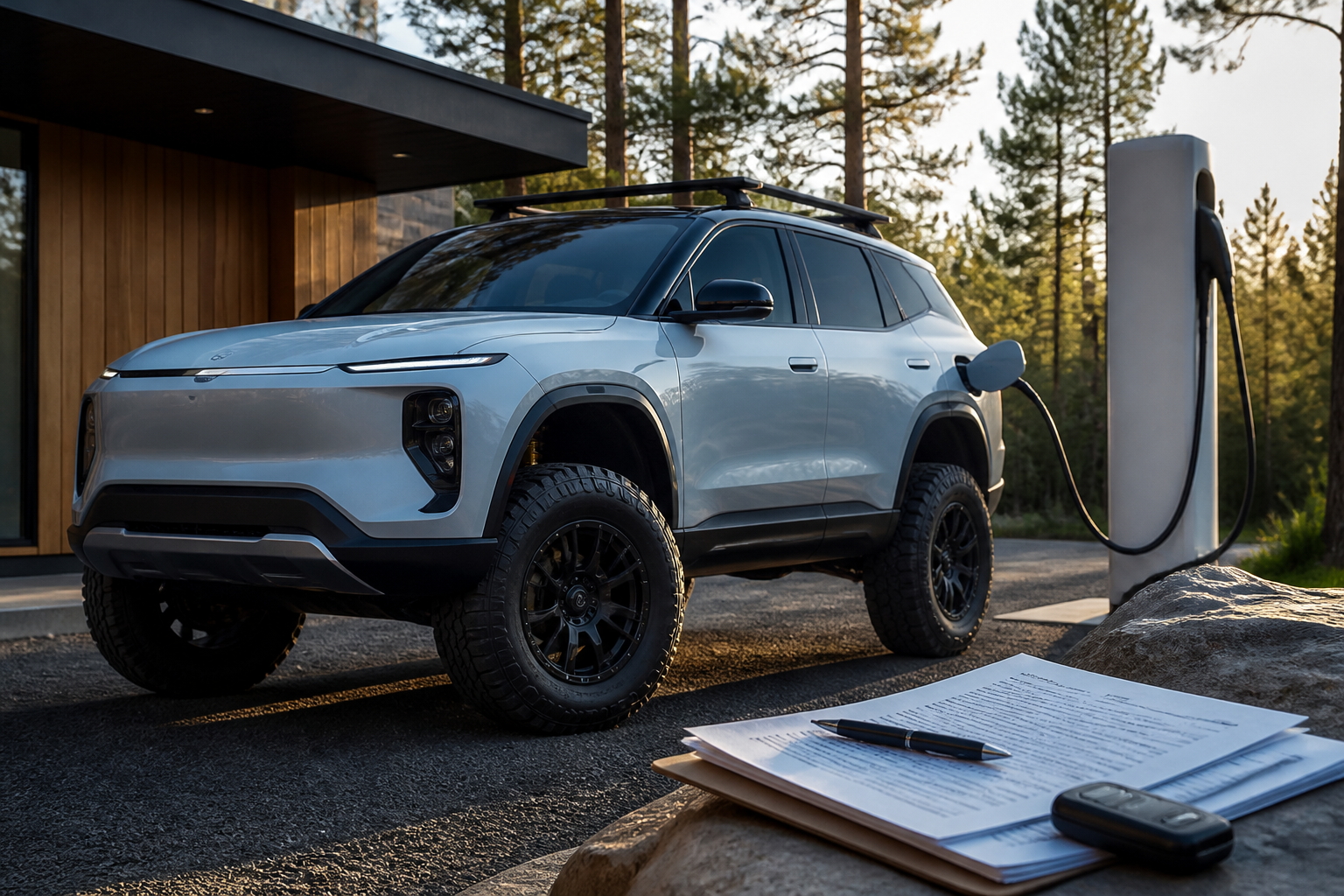
EV Insurance for Modified Suspension & Lift Kits: What's Covered?
Many EV owners customize their vehicles with lift kits or modified suspensions. This article will demystify how such aftermarket modifications impact insurance coverage, claims, and potential policy exclusions, providing clarity for drivers investing in vehicle personalization. Use this checklist to compare premiums, deductibles, repair support, and policy wording before renewal.
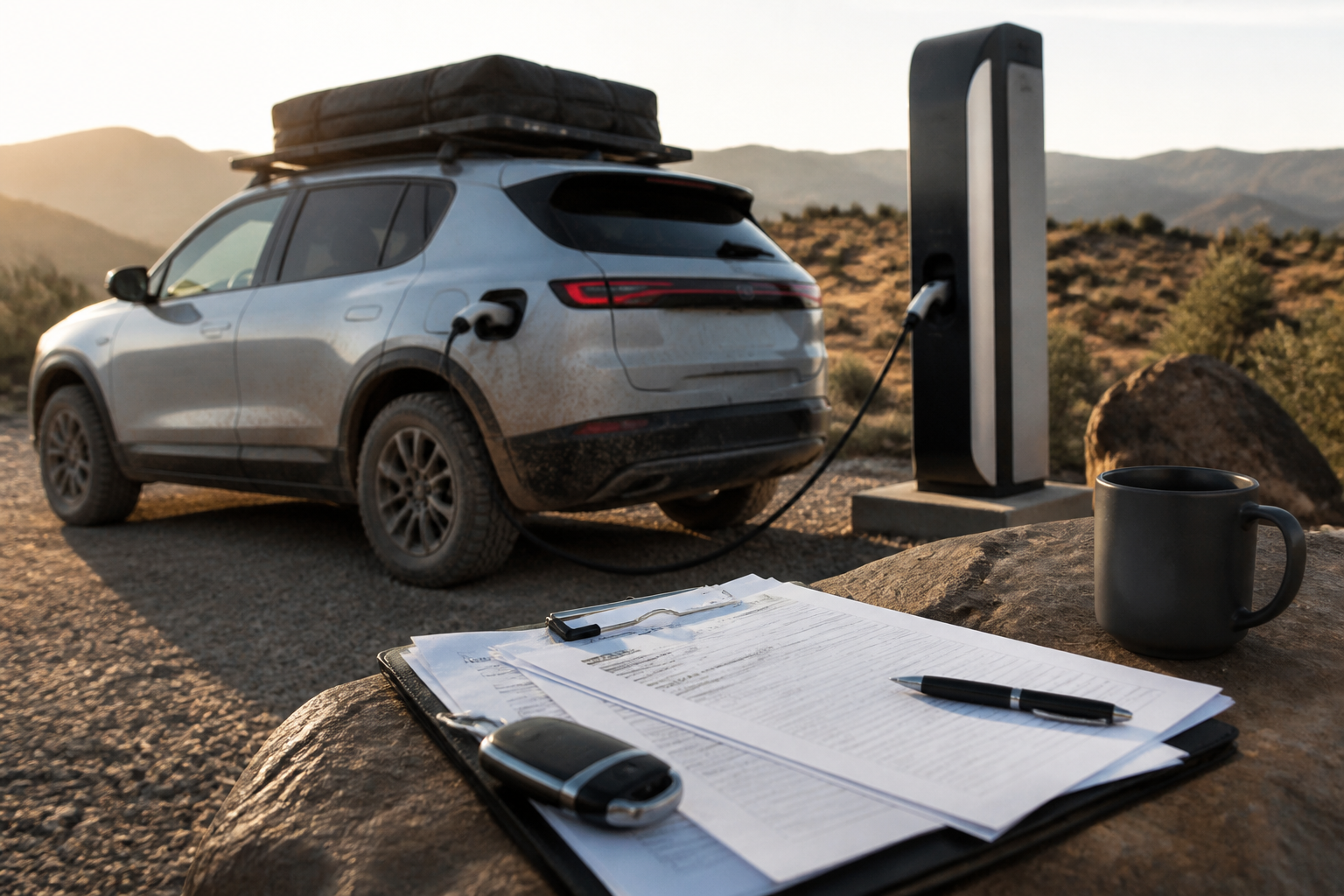
EV Insurance for Off-Roading & Overlanding: Protecting Your Adventure Vehicle
This article will explore specific coverage gaps and endorsements needed for EV owners who use their vehicles for off-road adventures or overlanding, covering potential damages unique to these activities like undercarriage protection, winch damage, and remote recovery. We'll analyze how standard policies fall short and what specialized coverage options exist. Use this checklist to compare premiums, deductibles, repair support, and policy wording before renewal.