
EV GAP Insurance: Essential Protection for Your Electric Vehicle in 2026?
Guaranteed Asset Protection (GAP) insurance can be a financial lifeline if your electric vehicle is stolen or totaled. But with unique EV depreciation trends, is it a necessary safeguard for your investment in 2026?

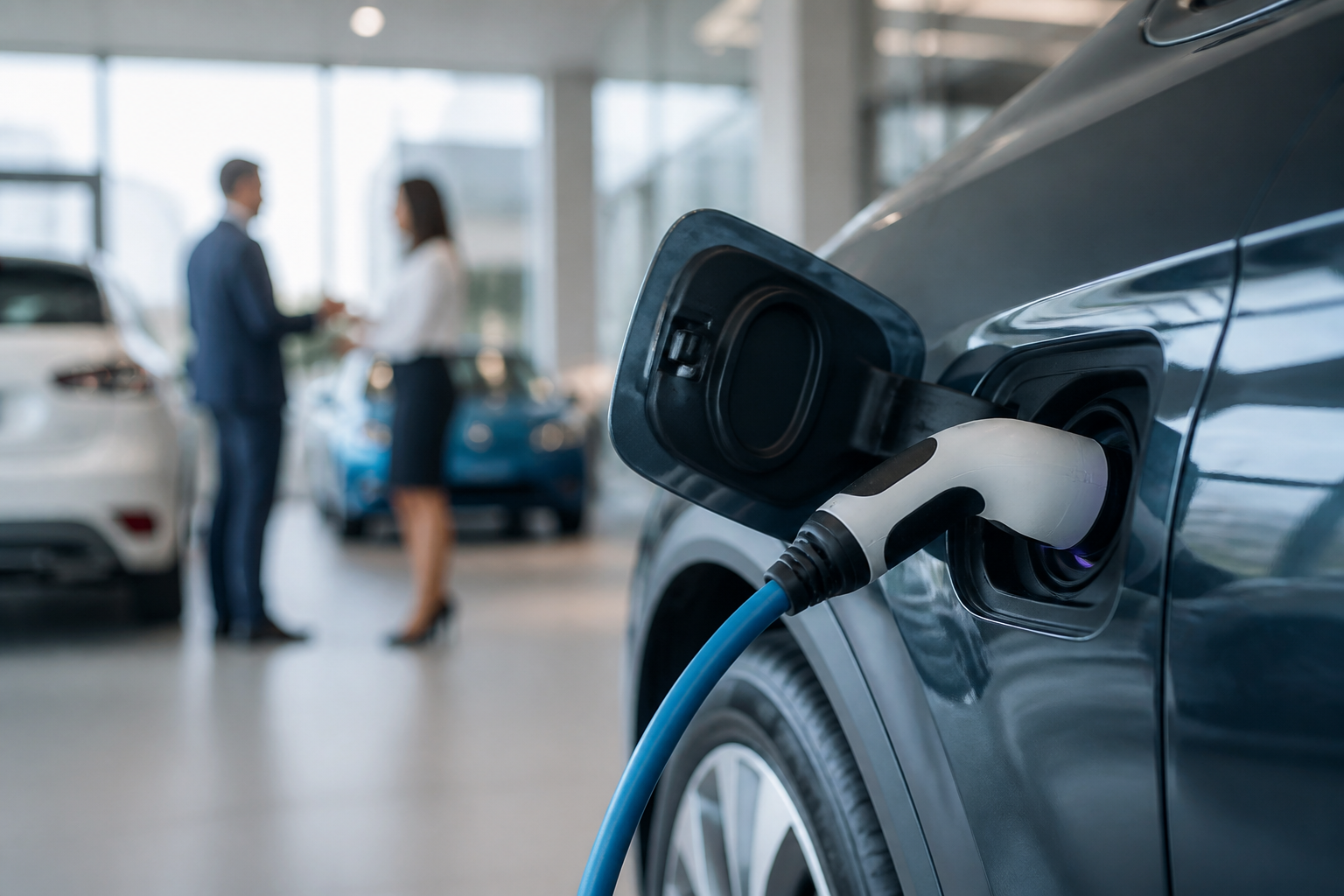
The transition to electric vehicles (EVs) brings exciting innovations, but also new considerations for insurance. One such consideration is Guaranteed Asset Protection (GAP) insurance. While GAP insurance isn't new, its relevance for EV owners in 2026 is amplified by factors unique to the electric vehicle market, particularly concerning depreciation and repair costs. Understanding whether this coverage is a wise investment for your EV depends on several key factors, from your financing structure to the specific model you drive.
What is EV GAP Insurance?
Guaranteed Asset Protection (GAP) insurance is an optional car insurance add-on that covers the difference between the actual cash value (ACV) of your vehicle and the amount you still owe on your auto loan or lease, should your car be declared a total loss or stolen. In simpler terms, if your insurance company pays out less than what you owe, GAP insurance bridges that 'gap'. This can be a significant financial safeguard, preventing you from owing money on a vehicle you no longer possess.
For example, if your EV is totaled and its ACV is determined to be $35,000, but you still owe $40,000 on your loan, your standard collision and comprehensive insurance would pay out the $35,000 (minus your deductible). Without GAP insurance, you would still be responsible for the remaining $5,000. GAP insurance would cover this $5,000, effectively zeroing out your loan obligation. This protection is especially valuable in the early years of vehicle ownership when depreciation is most aggressive.
It's important to note that GAP insurance is distinct from your primary auto insurance policy. While your comprehensive and collision coverage protects against physical damage and theft, it only pays out up to the vehicle's ACV at the time of the incident. GAP insurance specifically addresses the financial shortfall that can arise when the ACV is less than your outstanding loan balance. It does not cover deductibles, missed payments, extended warranties, or the down payment on a new vehicle.
Why EVs and Depreciation Matter for GAP
The depreciation curve of electric vehicles can be more volatile and, in some cases, steeper than that of comparable internal combustion engine (ICE) vehicles. Several factors contribute to this unique depreciation trend, making GAP insurance a potentially more critical consideration for EV owners:
- Rapid Technological Advancements: The EV market is evolving at an unprecedented pace. New models frequently offer significantly improved battery range, faster charging, and advanced features. This rapid innovation can make older EV models depreciate faster as newer, more capable vehicles enter the market, effectively making previous generations less desirable and valuable.
- Battery Degradation and Replacement Costs: While EV batteries are designed for longevity, concerns about battery degradation and the high cost of potential battery replacement can impact resale values. Even with manufacturer warranties, the perception of a finite battery lifespan can accelerate depreciation for some models, especially as they age beyond warranty periods.
- Government Incentives and Tax Credits: New EVs often benefit from federal, state, and local incentives, which can effectively lower their purchase price. When these incentives are factored in, the 'true' market value of a new EV can be lower than its MSRP, leading to a quicker depreciation from the initial sticker price for subsequent owners. This can create a larger gap between what you owe and what the car is worth if you purchased before the incentives or if the incentives fluctuate.
- Repair Complexity and Parts Availability: EVs often feature complex, integrated systems and specialized components. In the event of an accident, repair costs can sometimes be higher and parts availability more limited than for ICE vehicles. This can influence an insurer's decision to total an EV, even for seemingly moderate damage, further increasing the risk of a financial gap.
These factors combined mean that an EV could, in certain scenarios, lose value more quickly than anticipated, leading to a larger potential gap between its market value and your loan balance. For instance, a 2026 EV model purchased with a long loan term might experience significant value erosion by 2028 due to a new generation of batteries or charging technology, making the financial protection of GAP insurance more appealing.
When is EV GAP Insurance Most Beneficial?
While GAP insurance can offer peace of mind to any new vehicle owner, certain situations make it particularly advantageous for EV owners. Consider these scenarios:
- Large Loan-to-Value Ratio: If you made a small down payment (less than 20% of the vehicle's purchase price) or rolled negative equity from a previous car loan into your EV financing, your loan balance will be significantly higher than the car's initial value. This is a prime scenario for GAP insurance, as you're starting with a substantial 'gap' from day one.
- Long Loan Terms: Financing your EV over a longer period, such as 60, 72, or even 84 months, means you'll pay off the principal slower. During these extended terms, your EV's value will likely depreciate faster than you can reduce your loan balance, increasing the risk of a financial shortfall if it's totaled early in the loan.
- Rapidly Depreciating EV Models: Some EV models, particularly those from newer manufacturers or those undergoing frequent technological updates, may experience steeper depreciation curves. Researching the historical depreciation rates for your specific EV model or similar vehicles can help you assess this risk.
- Leased EVs: Most lease agreements include GAP coverage by default, as lessors want to protect their investment. However, always confirm this in your lease contract. If it's not included, purchasing it is highly recommended, as you are responsible for the difference between the insurance payout and the lease payoff amount if the vehicle is totaled.
- High MSRP EVs: More expensive EVs, while potentially holding value better in absolute terms, still represent a larger financial loss if a gap exists. The dollar amount of the 'gap' can be substantial on a $70,000+ vehicle.
Conversely, if you made a substantial down payment (e.g., 30% or more), have a short loan term (e.g., 36 months), or are driving an EV model with a historically stable resale value, the need for GAP insurance might be less pressing. However, given the dynamic nature of the EV market, it's always prudent to evaluate your specific financial situation and the potential risks.
How EV GAP Insurance Works
Understanding the claims process for EV GAP insurance is straightforward, mirroring how it works for ICE vehicles. Here's a step-by-step breakdown:
- Total Loss Event: Your EV is either stolen and unrecovered, or it's involved in an accident and deemed a total loss by your primary auto insurer. A total loss means the cost to repair the vehicle exceeds a certain percentage of its actual cash value (ACV), typically 70-80%, depending on your state and insurer.
- Primary Insurance Claim: You file a claim with your standard auto insurance provider (collision or comprehensive coverage). They will investigate the incident and determine the EV's ACV at the time of the loss.
- Payout from Primary Insurer: Your primary insurer will issue a payout for the ACV of your EV, minus your deductible. This amount is typically sent directly to your lender to reduce your outstanding loan balance.
- Identify the Gap: If the payout from your primary insurer is less than your outstanding loan or lease balance, a 'gap' exists. For example, if you owed $45,000 and the ACV payout was $38,000 (after a $1,000 deductible), the gap is $7,000.
- File GAP Insurance Claim: You then file a claim with your GAP insurance provider. You'll typically need to provide documentation from your primary insurer (the ACV determination and payout) and your lender (the outstanding loan balance).
- GAP Payout: Your GAP insurer will pay the remaining balance directly to your lender, covering the difference between the ACV payout and your outstanding loan, up to the policy limits. This effectively settles your loan obligation for the totaled or stolen EV.
It's crucial to understand that GAP insurance is a one-time payout for a total loss. It doesn't provide ongoing coverage for minor repairs, regular depreciation, or issues not resulting in a total loss. Always review your specific GAP policy details, including any maximum payout limits or exclusions, to ensure it meets your expectations.
Cost of EV GAP Insurance
The cost of EV GAP insurance can vary significantly based on where you purchase it, the value of your vehicle, and the loan amount. There are typically three main avenues for acquiring GAP coverage:
- Dealerships: Often the most convenient option, as it can be rolled into your vehicle financing. However, it can also be the most expensive, with costs ranging from $400 to $700 for the entire loan term, sometimes even higher. This amount is then subject to interest if financed.
- Auto Insurers: Many major insurance companies offer GAP coverage as an add-on to your existing policy. This is often a more affordable choice, typically adding $20 to $60 per year to your premium. This annual payment structure can be more flexible, as you can cancel it once your loan-to-value ratio improves.
- Third-Party Providers: Independent companies specialize in GAP insurance and can sometimes offer competitive rates, ranging from $200 to $500 for the full term. It's essential to research the reputation and reliability of any third-party provider.
When comparing costs, remember to consider the total price over the life of your loan or lease. A seemingly low monthly premium from a dealership might accumulate to a higher total cost due to interest. Conversely, an annual premium from your insurer might be more cost-effective if you plan to pay off your loan quickly or if your EV's value stabilizes faster than anticipated.
For a $50,000 EV financed over 60 months with a $5,000 down payment, the 'gap' could be substantial in the first 2-3 years. If an insurer charges $40/year for GAP, the total cost over three years would be $120, potentially saving you thousands in a total loss scenario. Always get quotes from multiple sources to find the best value for your specific EV and financial situation.
Alternatives and Considerations
While GAP insurance is a robust solution for protecting against financial shortfalls, it's not the only option, and some alternatives or strategies can mitigate the risk without purchasing a separate policy:
- Larger Down Payment: The most direct way to reduce your need for GAP insurance is to make a larger down payment on your EV. A down payment of 20% or more significantly reduces the initial loan-to-value ratio, making it less likely that you'll owe more than the car is worth, even with rapid depreciation.
- Shorter Loan Terms: Opting for a shorter loan term (e.g., 36 or 48 months instead of 72 or 84) means you'll pay down the principal faster. This helps your equity grow quicker, narrowing the gap between your loan balance and the car's market value.
- Review Your Primary Auto Policy: Some insurers offer 'new car replacement' or 'loan/lease payoff' coverage as an endorsement to your standard policy. These can sometimes serve a similar purpose to GAP insurance, though their terms and conditions may differ. New car replacement typically replaces your totaled vehicle with a brand new one of the same make and model, often for the first 1-2 years of ownership. Loan/lease payoff coverage is essentially GAP insurance by another name.
- Emergency Fund: Maintaining a robust emergency fund can act as a self-insurance mechanism. If you have enough savings to cover a potential financial gap, you might decide to forgo GAP insurance. However, this requires significant discipline and foresight.
- Monitor EV Values: Stay informed about the resale values of your specific EV model. Websites like Kelley Blue Book or Edmunds can provide insights into current market values. If you notice your EV holding its value well, or your loan balance dropping significantly, you might consider canceling your GAP policy if it's paid annually.
Remember, the decision to purchase GAP insurance should align with your personal financial risk tolerance and the specifics of your EV purchase. It's a tool to protect against a specific financial risk, and understanding its place in your overall financial strategy is key.
Making the Right Decision for Your EV
Deciding whether EV GAP insurance is right for you in 2026 involves a careful assessment of your personal financial situation, the specifics of your EV purchase, and the nuances of the electric vehicle market. Given the unique depreciation factors for EVs, it's a decision that warrants thorough consideration.
Here's a summary of key questions to ask yourself:
- What is my loan-to-value ratio? If you put down less than 20% or rolled in negative equity, GAP insurance is likely a strong consideration.
- How long is my loan term? Longer terms (over 60 months) increase your exposure to a potential gap.
- How rapidly is my specific EV model depreciating? Researching market trends for your vehicle can provide valuable insight.
- Does my lease agreement already include GAP coverage? Always verify this in your contract.
- What are the costs and benefits of GAP insurance from different providers? Compare quotes from dealerships, your auto insurer, and third-party companies.
- Do I have an emergency fund sufficient to cover a potential shortfall? If not, GAP insurance offers a safety net.
Ultimately, EV GAP insurance acts as a crucial financial safety net, protecting you from the potentially significant burden of paying off a loan for a vehicle you no longer own. While not universally necessary, its value is amplified for many EV owners in 2026 due to the dynamic nature of the electric vehicle market. Consult with your insurance provider and financial advisor to make an informed decision that best protects your investment in electric mobility.
Key takeaways
- EV GAP insurance covers the financial difference if your electric vehicle is totaled or stolen and you owe more than its actual cash value.
- Rapid EV depreciation, driven by tech advancements and battery concerns, makes GAP insurance particularly relevant for electric vehicle owners in 2026.
- GAP insurance is most beneficial for EVs with small down payments, long loan terms, or those prone to steep depreciation.
- Compare GAP insurance costs from dealerships, auto insurers, and third-party providers; insurer-offered policies are often more flexible and affordable.
- Consider alternatives like larger down payments or shorter loan terms, but for many EV owners, GAP insurance remains a vital financial safeguard.
Frequently asked questions
Q.Is EV GAP insurance different from regular GAP insurance?
No, EV GAP insurance is fundamentally the same product as regular GAP insurance. The distinction lies in its increased relevance for electric vehicles due to their unique depreciation patterns, technological advancements, and potentially higher repair costs, which can lead to a larger financial gap in a total loss scenario.
Q.Does my EV's battery warranty impact the need for GAP insurance?
While a battery warranty protects against manufacturing defects or premature degradation, it does not directly impact the need for GAP insurance. GAP insurance covers the financial gap if your EV is totaled or stolen, irrespective of battery health. However, market perception of battery longevity can affect depreciation, which in turn influences the size of the potential gap.
Q.Can I cancel EV GAP insurance once my loan balance is lower than the car's value?
Yes, if you purchased GAP insurance as an annual add-on to your auto policy, you can typically cancel it once your loan balance is comfortably below your EV's actual cash value. If it was rolled into your loan at the dealership, cancellation might be more complex, but often possible with a pro-rated refund.
Q.Does GAP insurance cover my deductible?
No, GAP insurance does not cover your deductible. Your primary auto insurance policy will pay out the actual cash value of your vehicle minus your deductible. GAP insurance then covers the remaining difference between that payout and your outstanding loan balance.
Q.Is GAP insurance required for leased EVs?
While not always legally required, GAP insurance is almost always a requirement in lease agreements, as lessors need to protect their asset. If it's not explicitly included in your lease, it is highly recommended to purchase it separately to avoid significant financial liability if the leased EV is totaled or stolen.
References
Insurance attorney and policy-wording specialist with 15+ years interpreting auto coverage forms.
Continue reading

What EV Battery Coverage Actually Includes After a Collision: 2026-10-16 Update 1
Explains the difference between collision coverage, comprehensive claims, warranty coverage, and battery degradation exclusions. This is a fresh 2026-10-16 update: focus on what has changed recently, new data points, and current-year guidance — do not repeat the earlier article's coverage. Use this checklist to compare premiums, deductibles, repair support, and policy wording before renewal.
EV Insurance for Modified Suspension & Lift Kits: What's Covered?
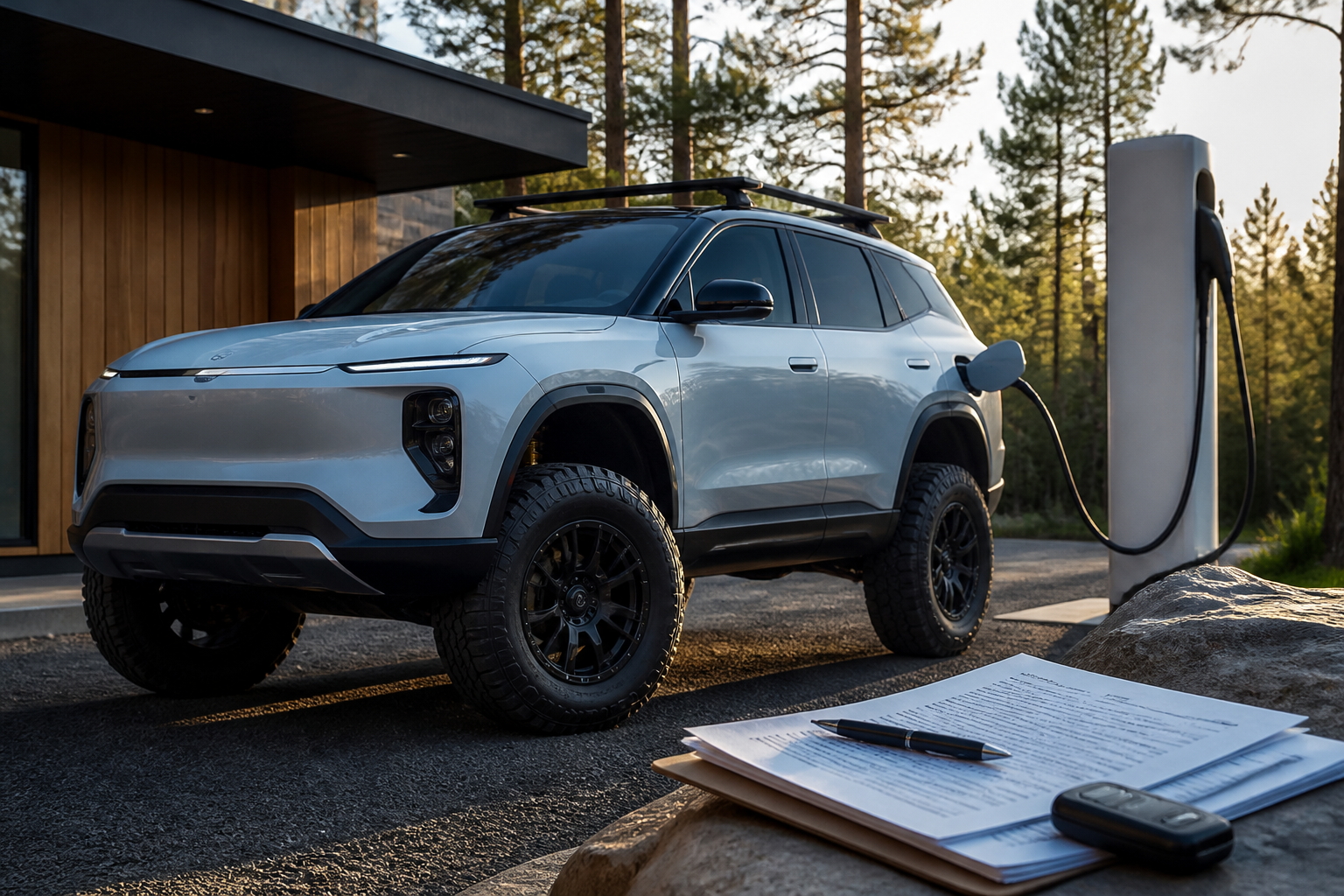
Many EV owners customize their vehicles with lift kits or modified suspensions. This article will demystify how such aftermarket modifications impact insurance coverage, claims, and potential policy exclusions, providing clarity for drivers investing in vehicle personalization. Use this checklist to compare premiums, deductibles, repair support, and policy wording before renewal.
EV Insurance for Off-Roading & Overlanding: Protecting Your Adventure Vehicle
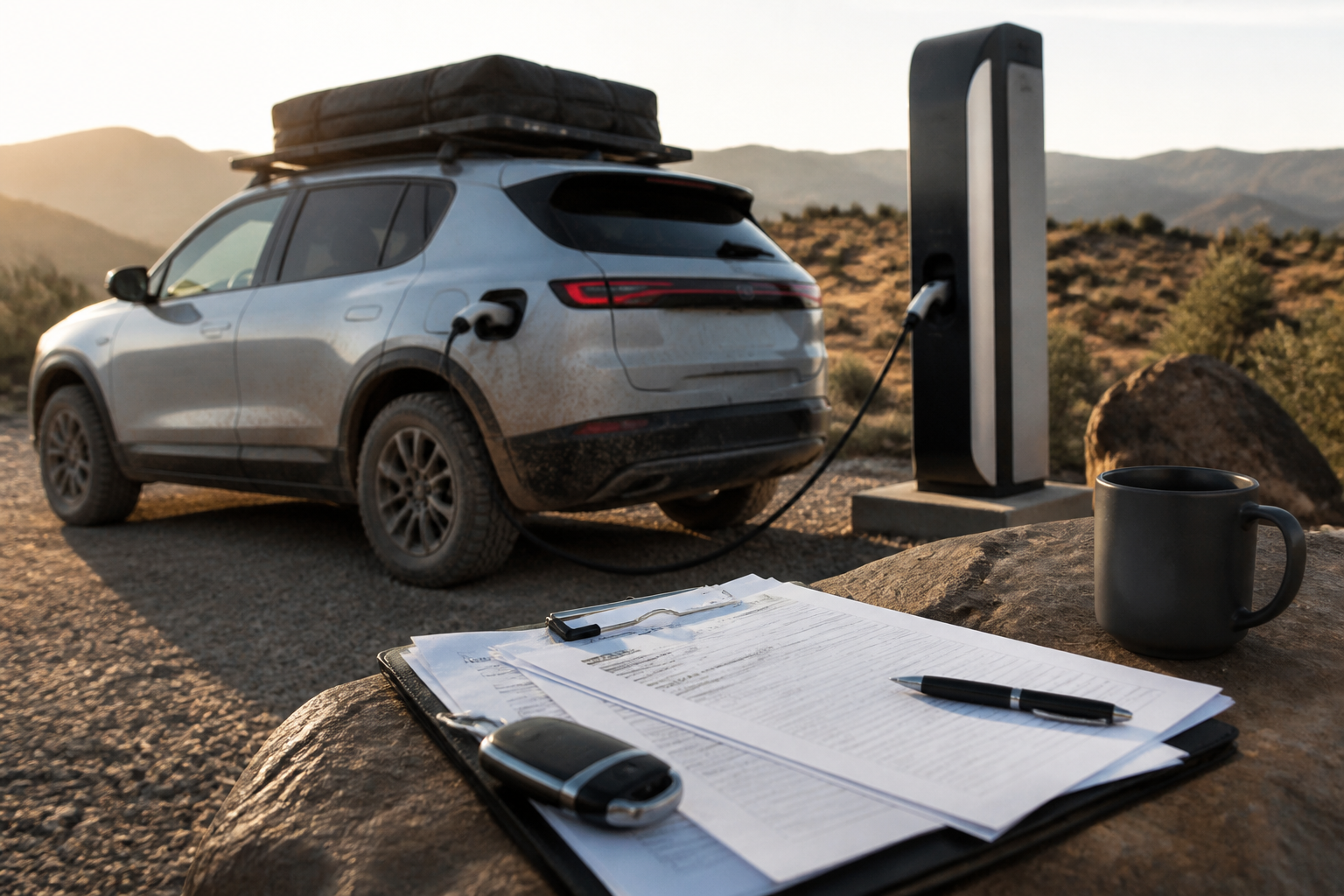
This article will explore specific coverage gaps and endorsements needed for EV owners who use their vehicles for off-road adventures or overlanding, covering potential damages unique to these activities like undercarriage protection, winch damage, and remote recovery. We'll analyze how standard policies fall short and what specialized coverage options exist. Use this checklist to compare premiums, deductibles, repair support, and policy wording before renewal.