
EV Insurance for Apartment Dwellers: Navigating Shared Charging & Liability Risks
Living in an apartment with an EV introduces distinct insurance considerations, particularly concerning shared charging facilities and potential liability in common spaces. Understanding these nuances is crucial for comprehensive protection.

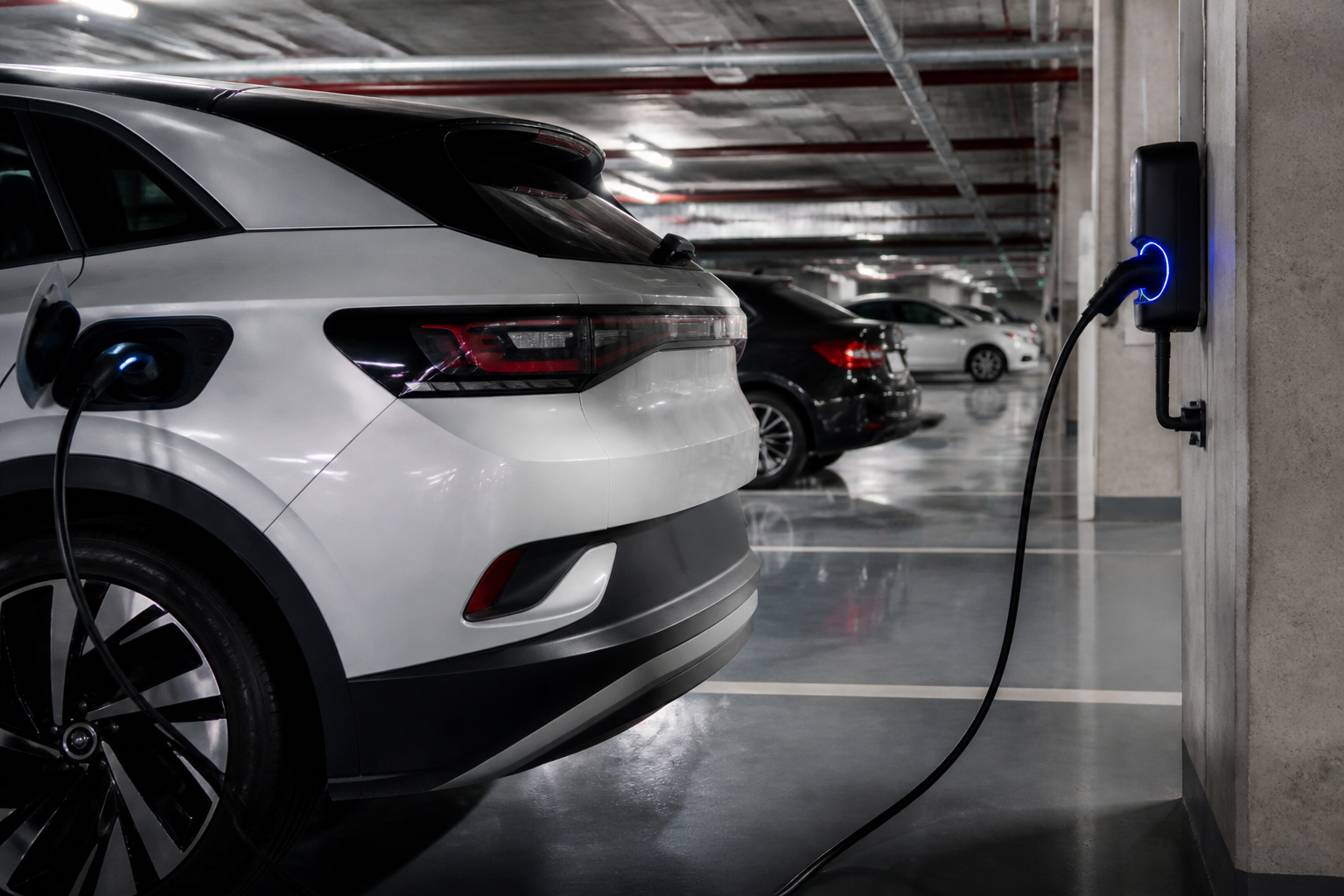
As electric vehicles become increasingly prevalent, EV owners residing in apartments face a unique set of insurance challenges that extend beyond typical auto coverage. From shared charging stations to potential liability in common areas, standard policies may not fully address the specific risks associated with EV ownership in multi-unit dwellings. This article delves into these critical areas, providing insights into necessary coverages and policy considerations for apartment-dwelling EV owners.
The Rise of EVs in Multi-Unit Dwellings
The landscape of urban living is rapidly evolving, with electric vehicles (EVs) becoming a common sight in apartment complexes and condominiums. This shift brings undeniable environmental and economic benefits, but it also introduces new complexities for insurance coverage. Unlike single-family home owners who often install private charging stations, apartment dwellers frequently rely on shared infrastructure, whether it's a dedicated EV charging spot in a communal garage or a network of public chargers nearby.
The growth of EVs in multi-unit dwellings (MUDs) is significant. Data from the Department of Energy indicates a steady increase in EV adoption across all housing types, with MUDs representing a substantial portion of the population. As more residents embrace electric mobility, the demand for accessible and reliable charging solutions within apartment communities escalates. This shared environment, while convenient, creates distinct insurance gaps that require careful attention.
Understanding these unique circumstances is the first step toward securing adequate protection. Your standard auto insurance policy, while comprehensive for on-road incidents, may not fully account for scenarios specific to shared living spaces and communal EV infrastructure. We will explore how these scenarios impact your coverage and what steps you can take to safeguard your investment and mitigate potential liabilities.
Understanding Standard Auto Insurance and Its Limits
A typical auto insurance policy is designed primarily to cover your vehicle against damage, theft, and liability arising from accidents on public roads. Key components usually include:
- Collision Coverage: Pays for damage to your car resulting from a collision with another vehicle or object.
- Comprehensive Coverage: Covers non-collision incidents like theft, vandalism, fire, natural disasters, and animal impacts.
- Liability Coverage: Protects you financially if you're at fault for an accident, covering bodily injury and property damage to others.
- Uninsured/Underinsured Motorist Coverage: Steps in if you're hit by a driver without sufficient insurance.
While these coverages are foundational, they often fall short when addressing the specific risks faced by EV owners in apartment settings. For instance, damage to a shared charging station, or liability for an incident occurring in a communal parking garage, might not be explicitly covered under your personal auto policy.
The crucial distinction lies in the nature of the property and the location of the incident. Standard auto policies are tailored for your vehicle itself and incidents directly involving its operation or stationary presence in typical scenarios. When you introduce shared infrastructure and common property managed by a landlord or Homeowners Association (HOA), the lines of responsibility and coverage can become blurred, potentially leaving significant gaps in your protection.
Shared Charging Infrastructure and Your Policy
One of the primary concerns for apartment-dwelling EV owners is the shared charging infrastructure. This can range from Level 2 chargers in a communal parking garage to DC fast chargers installed by the property management. The question arises: what happens if this equipment is damaged, or if it causes damage or injury?
Your personal auto insurance policy typically covers damage to your vehicle, including its charging port and onboard charging components, if they are damaged during a covered event (e.g., a collision or vandalism). However, it generally does not cover the charging station itself, as that is considered property of the apartment complex or a third-party provider. If you accidentally back into a shared charging station, your liability coverage might kick in for the damage to the station, but this is not always a given and depends heavily on policy language and state regulations. The property owner's commercial insurance policy would typically cover damage to their charging infrastructure, but this doesn't absolve you of potential liability if you are at fault.
Consider these scenarios:
- Accidental Damage to Charger: You misjudge your parking and hit the charging pedestal, damaging it. Your auto liability coverage might pay for the repair of the station, up to your policy limits.
- Damage to Your Vehicle While Charging: A fault in the shared charger causes a power surge that damages your EV's charging system. Your comprehensive or collision coverage (depending on the cause) might cover your vehicle's damage, but you might need to pursue the property owner or charger manufacturer for the cost of the charger-induced damage.
- Theft of Charging Cable: Your personal charging cable, if detachable and not permanently affixed to the vehicle, might be covered under your comprehensive auto policy or potentially your renter's insurance policy, depending on the specific terms. Some auto policies include accessories up to a certain limit.
It's important to differentiate between your vehicle and the charging equipment. Your auto policy is for your car. The charging station itself is typically covered by the property owner's commercial property insurance. However, if your negligence causes damage, your personal liability could be triggered. Discussing these specific scenarios with your insurance agent is crucial to understand where your coverage begins and ends.
Liability in Common Areas: Parking Garages and Lots
Parking garages and common parking lots are high-traffic areas where incidents can easily occur. For apartment dwellers, these spaces are an extension of their daily lives, yet they introduce unique liability considerations for EV owners.
Standard auto liability coverage protects you if you cause an accident while operating your vehicle, resulting in injury to others or damage to their property. This generally extends to incidents within a parking garage or lot, such as backing into another car or pedestrian. However, specific EV-related scenarios can complicate matters:
- Charging Cable Tripping Hazard: If your charging cable (especially if it's a portable one or if the shared station's cable extends across a walkway) creates a tripping hazard, and someone is injured, you could be held liable. Your auto liability coverage might apply if the cable is considered part of your vehicle's operation, but a strong argument could be made that this falls under general personal liability, which is typically covered by renter's or homeowner's insurance.
- Fire Risk from Charging Equipment: While rare, charging equipment malfunctions can lead to fires. If a fire originating from your vehicle or its charging process damages the parking structure or other vehicles, your auto policy's comprehensive coverage would address damage to your EV, and your liability coverage would respond to damage to third-party property. However, if the fire originates from the building's charging infrastructure, the property owner's insurance would be primary.
- Damage to Building Structure: Accidentally hitting a support pillar or wall in the garage could be covered by your auto liability, but claims involving significant structural damage might push the limits of standard policies.
The interplay between your auto policy, your renter's insurance (if applicable), and the property owner's commercial insurance is critical here. Your renter's insurance typically provides personal liability coverage for incidents occurring on the rented premises that are not directly related to the operation of your vehicle. For example, if your charging cable causes a trip hazard, your renter's liability might be more relevant than your auto liability. It's essential to understand which policy would be primary in various common area incidents.
Property Damage Risks Beyond the Vehicle
Beyond direct damage to your EV or liability for accidents, apartment living with an EV introduces other property damage risks that standard policies might overlook. These often involve components that bridge the gap between your personal property and the building's infrastructure.
Consider an aftermarket Level 2 charger you've installed in your assigned parking spot (with landlord/HOA permission). This charger is not part of your vehicle, nor is it typically part of the building's original infrastructure. If this charger is damaged by vandalism, theft, or a power surge, your auto insurance will likely not cover it. Your renter's insurance might offer some coverage for personal property, but often with limits and specific exclusions for fixtures or equipment attached to the building. The value of such equipment can range from $300 to $1,500 for the unit itself, plus installation costs.
Furthermore, if your EV's charging (even from a shared station) causes a power surge that damages electrical systems in your apartment or a neighboring unit, the liability could fall on you. While rare, such incidents highlight the need for comprehensive coverage. Standard renter's policies typically include personal property coverage (for your belongings) and personal liability coverage. However, the specifics of how they apply to EV-related equipment or incidents can vary significantly.
To mitigate these risks, it's vital to:
- Review Renter's/Homeowner's Policy: Understand the personal property limits and liability clauses. Check for exclusions related to electrical equipment or fixtures.
- Document Installations: Keep detailed records and photos of any personal charging equipment installed, along with landlord/HOA approvals.
- Understand Building Coverage: Inquire about the apartment complex's master insurance policy. While it covers the building, it won't cover your personal liability or property.
The key is to identify where your auto policy ends and where your renter's or a specialized endorsement needs to begin to ensure a seamless safety net.
Essential Endorsements and Riders for Apartment Dwellers
Given the unique challenges, apartment-dwelling EV owners should explore specific endorsements or riders to bolster their insurance coverage. These add-ons can bridge the gaps left by standard policies.
- Personal Property Coverage for Charging Equipment: Many insurers offer specific endorsements that extend personal property coverage to include your home charging station and associated equipment, even if it's installed in a communal garage. This can protect against theft, vandalism, or accidental damage to your charger. The cost for such an endorsement can range from an additional $20 to $100 per year, depending on the coverage limit and your insurer.
- Increased Personal Liability Limits: While your auto policy has liability limits for vehicle-related incidents, and your renter's policy covers general personal liability, consider increasing these limits. Given the potential for significant damage to shared property or injury in common areas, higher limits (e.g., $500,000 or $1,000,000) can provide greater peace of mind. An umbrella policy, which provides additional liability coverage above your existing auto and renter's policies, is also an excellent option, typically costing $150-$300 annually for $1 million in coverage.
- Equipment Breakdown Coverage: Some insurers offer this as an add-on to renter's or homeowner's policies, which could potentially cover a privately owned charging station if it experiences a mechanical or electrical breakdown not caused by external factors. This is less common for auto policies but worth investigating for your renter's policy.
- Custom Parts and Equipment (CPE) Coverage: If you've installed aftermarket EV-specific equipment or made modifications to your vehicle that enhance its charging capabilities or other functions, a CPE endorsement on your auto policy can ensure these additions are covered. Standard comprehensive and collision often only cover factory-installed parts.
When discussing these options with your insurance provider, be explicit about your living situation and your reliance on shared charging infrastructure. Ask direct questions about scenarios like accidental damage to communal chargers, liability for tripping hazards, and coverage for your personal charging cable or portable charger. It's not enough to assume coverage; you must confirm it.
Working with Your Landlord or HOA
Effective communication and collaboration with your apartment landlord or Homeowners Association (HOA) are paramount for EV owners. Their policies and insurance coverage play a significant role in your overall risk profile.
Here's how to engage effectively:
- Understand Their EV Policies: Inquire about the building's rules regarding EV charging. Do they provide shared chargers? Are residents allowed to install private chargers in their assigned spots? What are the procedures for reporting damage or issues?
- Review Their Insurance: While they won't share their full policy, ask about the extent of their commercial property and liability insurance related to common areas and charging infrastructure. This can help you understand what risks they cover and where your personal policies need to step in. For instance, if a building-owned charger malfunctions and damages your EV, their property insurance should cover the charger, and their liability insurance might cover your vehicle damage if they were negligent in maintenance.
- Advocate for Clear Guidelines: Encourage your landlord or HOA to establish clear guidelines for EV charging, including safety protocols, proper cable management, and liability assignments. Clear rules benefit everyone and reduce ambiguities in case of an incident.
- Discuss Installation Approvals: If you plan to install any personal charging equipment, ensure you have written approval from your landlord or HOA. This documentation is crucial for your insurance claims and to avoid disputes.
Many HOAs and apartment complexes are still adapting to the influx of EVs. By proactively engaging, you not only protect yourself but also contribute to creating a safer and more transparent environment for all EV owners in your community. A survey by J.D. Power in 2023 highlighted that charging infrastructure availability and reliability are key satisfaction drivers for EV owners in MUDs, underscoring the importance of well-managed communal charging solutions.
Ultimately, navigating EV insurance as an apartment dweller requires a multi-faceted approach. It involves a thorough understanding of your auto policy, a robust renter's or homeowner's policy, strategic endorsements, and open communication with your property management. By taking these steps, you can ensure comprehensive protection for your electric vehicle and peace of mind in your shared living environment.
Key takeaways
- Standard auto insurance may not fully cover unique risks for apartment-dwelling EV owners, especially concerning shared charging infrastructure and common area liability.
- Damage to shared charging stations is typically covered by the property owner's insurance, but your auto liability may apply if you are at fault for the damage.
- Incidents like tripping hazards from charging cables in common areas might fall under your renter's or homeowner's personal liability, not just your auto policy.
- Consider endorsements like 'Personal Property Coverage for Charging Equipment' and increased personal liability limits (or an umbrella policy) to bridge coverage gaps.
- Proactively communicate with your landlord or HOA to understand their EV policies, charging guidelines, and the extent of their commercial insurance coverage.
Frequently asked questions
Q.Does my auto insurance cover damage to a shared EV charging station?
Your auto insurance typically covers damage to your vehicle, but not the charging station itself, which is property of the apartment complex. If you cause damage to the station, your auto liability coverage might pay for repairs, depending on your policy limits and the specific circumstances.
Q.What if my charging cable causes someone to trip in the parking garage?
If your charging cable creates a tripping hazard and someone is injured, you could be held liable. Your auto liability coverage may apply, but personal liability coverage from your renter's or homeowner's insurance policy is often more relevant for such incidents in common areas.
Q.Is my personal EV charging station in an apartment garage covered by insurance?
A personal EV charging station you install (with permission) in your assigned spot is generally not covered by your standard auto insurance. It might be covered under your renter's or homeowner's insurance as personal property, or you may need a specific endorsement for 'personal property coverage for charging equipment' to ensure protection against theft or damage.
Q.Should I get an umbrella policy as an apartment-dwelling EV owner?
An umbrella policy is highly recommended for apartment-dwelling EV owners. It provides additional liability coverage above your existing auto and renter's policies, offering greater financial protection against significant claims arising from accidents, property damage, or injuries in shared common areas.
Q.How can I ensure my EV's aftermarket charging modifications are covered?
If you've installed aftermarket EV-specific equipment or made modifications to your vehicle, ensure they are covered by adding a Custom Parts and Equipment (CPE) endorsement to your auto insurance policy. This ensures that these additions are protected against damage or theft beyond standard factory components.
References
Insurance attorney and policy-wording specialist with 15+ years interpreting auto coverage forms.
Continue reading
Protecting Your EV Home Charging Station: A Deep Dive into Insurance Coverage for Theft, Vandalism, and Damage
Installing an EV home charging station is a significant investment in your electric vehicle lifestyle. But are you truly protected if it's stolen, vandalized, or damaged? Many EV owners are surprised to learn their standard home insurance might fall short.
EV Insurance for Homeowners Associations: Navigating Shared Charging & Liability
This article will address the unique insurance challenges and coverage considerations for EV owners living in HOA-governed communities, focusing on shared charging infrastructure, liability for common property, and potential property damage claims. It will provide actionable advice for navigating HOA rules and ensuring adequate personal and communal coverage. Use this checklist to compare premiums, deductibles, repair support, and policy wording before renewal.
Decoding EV Extended Warranty Insurance: What Your Manufacturer's Plan Misses
Many EV owners rely on manufacturer warranties, but these often have gaps when it comes to accidental damage, specific component failure outside of powertrain, or even certain software-related issues. This article explores how dedicated EV extended warranty insurance can fill these crucial gaps, offering protection beyond standard factory coverage and mechanical breakdown policies. Use this checklist to compare premiums, deductibles, repair support, and policy wording before renewal.