
Ford F-150 Lightning vs. Ram 1500 REV: A 2026 EV Insurance Cost Analysis
As electric pickup trucks gain traction, understanding their insurance costs becomes crucial. This analysis dives into the Ford F-150 Lightning and the upcoming Ram 1500 REV, projecting 2026 insurance premiums based on key EV-specific factors.

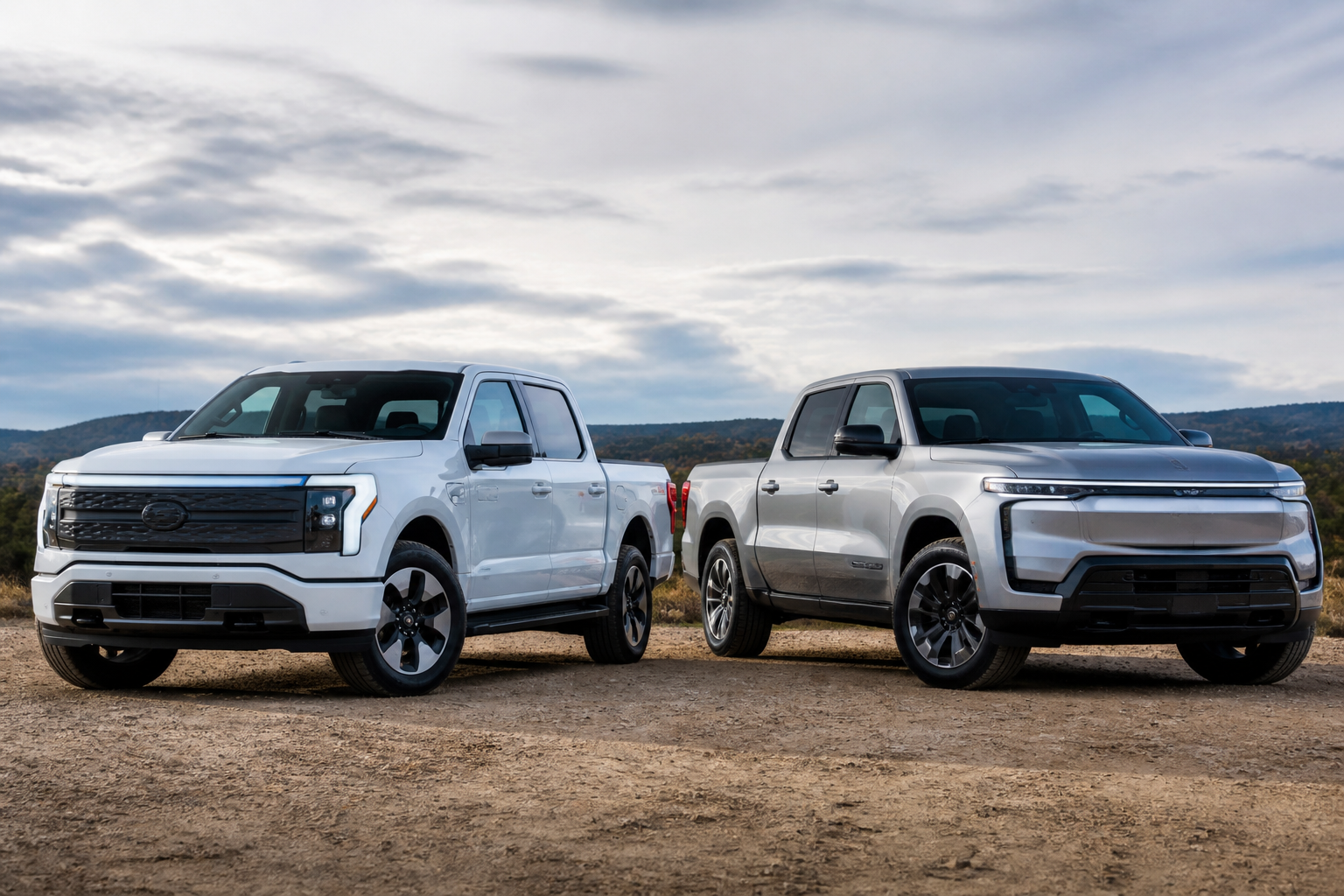
The electric vehicle market continues its rapid expansion, with electric pickup trucks emerging as a pivotal segment. For prospective buyers weighing options like the established Ford F-150 Lightning and the highly anticipated Ram 1500 REV, understanding the nuances of insurance costs is paramount. As a Senior Auto Insurance Analyst, I often see that the sticker price is only one piece of the ownership puzzle; insurance premiums can significantly impact the total cost of ownership. This analysis aims to provide a comprehensive, forward-looking comparison of insurance costs for these two prominent electric trucks for the 2026 model year, dissecting the factors that influence premiums and offering insights for informed decision-making.
Introduction to Electric Pickup Insurance
Insuring electric vehicles (EVs), particularly large and technologically advanced pickups, presents a unique set of considerations for underwriters. While many fundamental insurance principles remain the same as for internal combustion engine (ICE) vehicles – factors like driver history, location, and coverage limits are always relevant – EVs introduce new variables. These often revolve around the specialized components, repair methodologies, and market value of the technology.
Electric pickups, by their nature, combine the utility and robust construction of traditional trucks with the advanced powertrain and battery systems of EVs. This dual identity means they inherit some of the higher insurance costs associated with large, powerful vehicles, alongside the specific challenges of EV insurance. As the market matures and repair networks adapt, we anticipate some stabilization, but for 2026, these vehicles will still be considered premium risks by many insurers.
The Contenders: F-150 Lightning vs. Ram 1500 REV
The Ford F-150 Lightning has already made a significant impact, demonstrating the viability and demand for an electric full-size pickup. It leverages the F-150's familiar chassis and integrates a powerful electric drivetrain, offering substantial towing and hauling capabilities, along with innovative features like Pro Power Onboard. Its various trims, from the Pro to the Platinum, offer different battery sizes and feature sets, which directly influence its market value and, consequently, its insurance profile.
The Ram 1500 REV, while not yet widely available as of this analysis, is poised to be a direct competitor, bringing Ram's renowned truck capabilities to the electric segment. Details suggest it will offer competitive range and power, potentially with a larger battery option than the Lightning's extended range pack. Its market entry in 2025/2026 will introduce a new dynamic to the electric pickup insurance landscape, and its design, materials, and repair network readiness will be critical in determining its insurance costs relative to the Lightning.
Key Factors Driving EV Pickup Insurance Costs
Several critical factors influence the insurance premiums for electric pickup trucks. Understanding these can help explain potential cost differences between the F-150 Lightning and the Ram 1500 REV.
- Battery Size and Cost: The high voltage battery is the most expensive single component in an EV. Larger battery packs, like those expected in higher trims of both the Lightning and REV, translate to higher replacement costs in the event of a total loss or significant damage. This directly impacts comprehensive and collision coverage premiums. For instance, the F-150 Lightning's extended-range battery pack is significantly more expensive than its standard range counterpart. The Ram 1500 REV is expected to offer a substantial battery, potentially pushing its replacement cost even higher.
- Repair Complexity and Specialized Parts: EVs require specialized training and equipment for repairs, particularly for high-voltage systems and battery packs. The structural integration of batteries, advanced cooling systems, and bespoke body panels can make even minor collisions more costly to repair. Both the Lightning and REV feature advanced aluminum and high-strength steel components, which can be more expensive to fix or replace than traditional materials.
- Advanced Driver-Assistance Systems (ADAS): Both trucks are equipped with extensive ADAS suites, such as Ford's BlueCruise and Ram's equivalent systems. While these technologies are designed to prevent accidents, the sensors (cameras, radar, lidar) are often located in vulnerable areas like bumpers and windshields. Calibration after a repair can be complex and expensive, contributing to higher repair costs and, subsequently, higher premiums.
- Vehicle Performance and Weight: Electric pickups are known for their instant torque and often impressive acceleration. Higher performance can sometimes correlate with a higher incidence of claims involving speed, and the sheer weight of these trucks (due to heavy battery packs) can increase the severity of damage in a collision, both to the EV and to other vehicles involved.
- Parts Availability and Supply Chain: As newer models, especially the Ram 1500 REV, parts availability can initially be a concern. Limited access to specialized EV components can lead to longer repair times and higher labor costs, which insurers factor into their risk assessments.
- Theft Risk and Security Features: While electric vehicles are not inherently more prone to theft, their high value makes them attractive targets. Advanced anti-theft systems can help, but the overall market demand and resale value play a role.
- Market Positioning and Demographics: Insurers also consider the typical demographic of buyers. If a vehicle attracts younger, less experienced drivers or those with a higher propensity for risk, premiums may be adjusted accordingly. Both trucks appeal to a broad market, but the initial adopters of new EV technology often have higher disposable income and may opt for higher coverage limits.
Projected 2026 Insurance Cost Analysis
Based on current market trends and the factors outlined above, we can project a range for annual insurance premiums for both the Ford F-150 Lightning and the Ram 1500 REV for the 2026 model year. It's crucial to remember that these are estimates, and individual premiums will vary significantly based on driver profile, location, and chosen coverage.
- Ford F-150 Lightning (2026 Models):
- Standard Range (e.g., Pro, XLT): We project annual premiums to range from $2,200 to $3,500. This range accounts for its established market presence, growing repair network familiarity, and the relatively smaller battery pack in base models.
- Extended Range (e.g., Lariat, Platinum): Premiums are likely to be higher, ranging from $2,800 to $4,500 annually. The larger battery, increased power, and more extensive luxury and ADAS features contribute to this higher cost.
- Ram 1500 REV (2026 Models):
- Initial Models (likely higher trims): Given its anticipated market entry and likely focus on higher-capacity batteries and advanced features, we project annual premiums to range from $2,700 to $4,800. New model introductions often carry a premium until actuarial data stabilizes.
- Future Base Models (if introduced later): Should Ram introduce more basic trims with smaller battery options, these could see premiums closer to the Lightning's standard range, potentially $2,500 to $4,000.
The Ram 1500 REV may initially command slightly higher premiums than a comparably equipped F-150 Lightning due to its status as a newer, less proven model in terms of repair data and parts availability. Insurers typically apply a higher risk factor to brand-new models until sufficient claims data is collected. However, if Ram builds a robust repair network quickly and uses common parts where possible, this initial premium could normalize over time. The anticipated larger battery options for the REV could also push its average premiums higher than the Lightning's extended range.
Mitigating High EV Pickup Insurance Premiums
While electric pickup insurance can be more expensive, there are several strategies consumers can employ to manage their costs:
- Choose Higher Deductibles: Opting for a higher deductible on comprehensive and collision coverage can significantly lower your premium. Just ensure you have the funds readily available to cover it if you need to make a claim.
- Bundle Policies: Combining your auto insurance with home or renters insurance from the same provider often results in a multi-policy discount.
- Seek EV-Specific Discounts: Some insurers offer discounts for EVs, especially if they have advanced safety features. Inquire about discounts for green vehicles, anti-theft devices, or even charging at home.
- Maintain a Clean Driving Record: This is fundamental for any vehicle. Avoiding accidents and traffic violations is the most effective way to keep premiums low.
- Consider Usage-Based Insurance (UBI): Telematics programs that monitor driving habits (mileage, speed, braking) can offer discounts for safe drivers. Many EVs are already equipped with the necessary technology for these programs.
- Install a Home Charging Station Safely: While not a direct insurance discount, a professionally installed and properly maintained home charging station reduces reliance on public fast chargers, which can sometimes be associated with higher risk of minor incidents. Some insurers may offer discounts for home safety features.
- Shop Around Annually: Insurance rates can vary widely between providers. It's always advisable to get quotes from multiple insurers at least once a year, or whenever you renew your policy or purchase a new vehicle.
- Review Coverage Needs: As your vehicle ages, its market value depreciates. Re-evaluate your comprehensive and collision coverage periodically to ensure you're not over-insuring. For new, expensive EVs, Gap Insurance might also be a consideration, covering the difference between your loan balance and the vehicle's actual cash value if it's totaled.
The Evolving Landscape of EV Truck Insurance
The insurance market for electric vehicles, and particularly for electric pickup trucks, is dynamic and constantly evolving. As more F-150 Lightnings hit the road and the Ram 1500 REV makes its debut, insurers will accumulate more actuarial data. This data will provide a clearer picture of claims frequency, severity, and repair costs, which can lead to adjustments in premiums.
Technological advancements in battery design, such as more modular battery packs that allow for easier repair or replacement of individual modules rather than the entire pack, could positively impact insurance costs. Similarly, improvements in ADAS technology that genuinely reduce accident rates, coupled with more affordable sensor replacement and calibration procedures, would be beneficial. The expansion of certified EV repair shops and a more robust supply chain for EV-specific parts will also contribute to stabilizing and potentially lowering repair costs, which is a key driver for premiums.
Furthermore, government incentives and regulations could play a role. Policies encouraging EV adoption or mandating certain safety standards might indirectly influence insurance costs. The long-term trend, as EVs become more mainstream and their associated repair ecosystem matures, is likely towards a convergence of insurance costs with comparable ICE vehicles, though the initial purchase price and advanced technology will always command a certain premium. For 2026, both the Ford F-150 Lightning and the Ram 1500 REV represent significant investments, and their insurance costs will reflect their advanced nature and the evolving market.
Key takeaways
- EV pickup insurance costs are influenced by battery expense, repair complexity, and advanced technology.
- Ford F-150 Lightning (2026) insurance is projected to range from <strong>$2,200-$4,500</strong> annually, depending on trim and battery.
- Ram 1500 REV (2026) insurance may start slightly higher, projected <strong>$2,700-$4,800</strong>, due to its new market entry.
- Higher deductibles, policy bundling, and EV-specific discounts are key strategies to mitigate costs.
- The EV insurance market is evolving; future data and repair advancements could stabilize or reduce premiums.
Frequently asked questions
Q.Why is electric pickup truck insurance generally more expensive than gasoline truck insurance?
Electric pickup trucks often have higher insurance premiums due to their advanced and costly battery packs, specialized repair requirements, and the higher price of their integrated technology like ADAS. These factors lead to higher potential repair and replacement costs for insurers.
Q.Will the Ram 1500 REV likely be more expensive to insure than the Ford F-150 Lightning in 2026?
Initially, the Ram 1500 REV may incur slightly higher premiums than a comparable Ford F-150 Lightning in 2026. This is primarily because it's a newer model with less established claims data and repair network familiarity, though this could normalize over time.
Q.What role does battery size play in EV pickup insurance costs?
Battery size is a significant factor because the battery is the most expensive component in an EV. Larger battery packs, often found in extended-range or higher-performance models, directly increase the cost of comprehensive and collision coverage due to higher replacement costs in case of severe damage.
Q.Are there specific discounts available for insuring electric pickup trucks?
Yes, some insurers offer specific discounts for electric vehicles, green vehicles, or vehicles with advanced safety features. Bundling policies, maintaining a clean driving record, and opting for usage-based insurance can also help reduce premiums for EV pickups.
Q.How can I get an accurate insurance quote for a 2026 electric pickup truck?
For the most accurate quote, you'll need specific vehicle details (trim, battery size, VIN if available), your personal driving history, and your desired coverage levels. Obtaining quotes from multiple insurers is crucial, as rates can vary widely.
References
Automotive journalist with 10+ years road-testing EVs and tracking model-by-model ownership costs.
Continue reading
Decoding EV Insurance for the Polestar 3 & Volvo EX90: A 2026 Cost Analysis
With the introduction of the Polestar 3 and Volvo EX90, this article will analyze anticipated insurance premium factors for these new, high-tech electric SUVs. We'll examine how their advanced safety features, repair costs, and performance specifications might influence 2026 insurance rates compared to established luxury EV competitors. Use this checklist to compare premiums, deductibles, repair support, and policy wording before renewal.
Decoding EV Insurance for Used Luxury EVs: Porsche Taycan, Lucid Air & Mercedes EQS
This article will analyze the unique insurance challenges and costs associated with buying and insuring pre-owned luxury EVs like the Porsche Taycan, Lucid Air, and Mercedes EQS, focusing on depreciation, repair costs, and battery health's impact on premiums for second-hand owners. It will address specific factors beyond new car pricing, catering to a growing market segment. Use this checklist to compare premiums, deductibles, repair support, and policy wording before renewal.
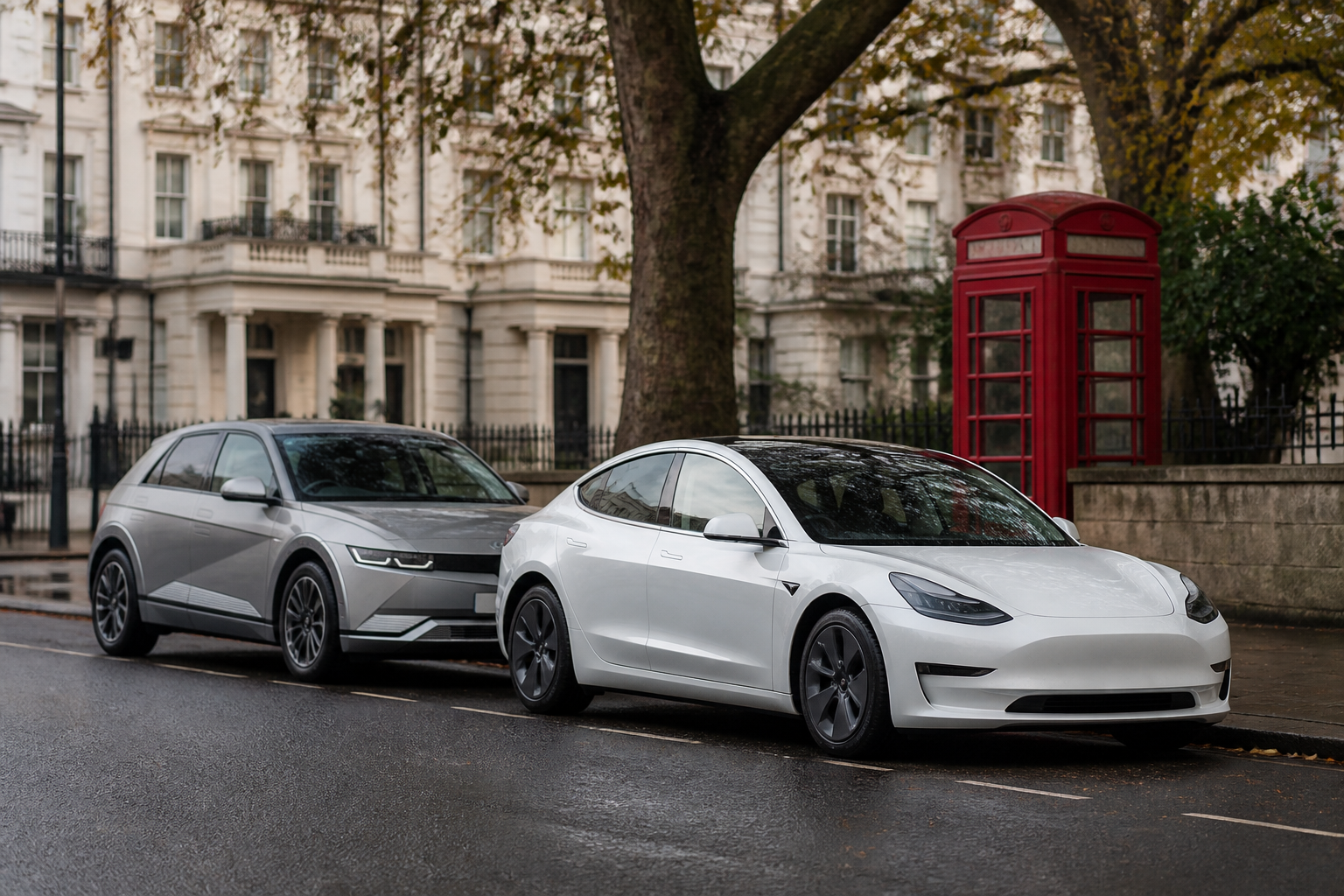
UK EV Insurance Showdown: Tesla Model 3 vs. Hyundai Ioniq 5 – What Drives Your Premiums?
For UK drivers weighing the Tesla Model 3 against the Hyundai Ioniq 5, understanding insurance costs is crucial. This analysis breaks down the unique factors influencing premiums for these popular EVs across the British Isles.